Skip to content · ⁨ข้ามไปยังเนื้อหา⁩

Principles of Design · ⁨หลักการออกแบบ⁩

AP 2-D Art and Design · ⁨AP ศิลปะและออกแบบ 2 มิติ⁩ · Topic 2 · ⁨หัวข้อ 2⁩

Video lesson for this topic · ⁨บทเรียนวิดีโอสำหรับหัวข้อนี้⁩ Open the video page · ⁨เปิดหน้าวิดีโอ⁩
7:20

หลักการออกแบบ

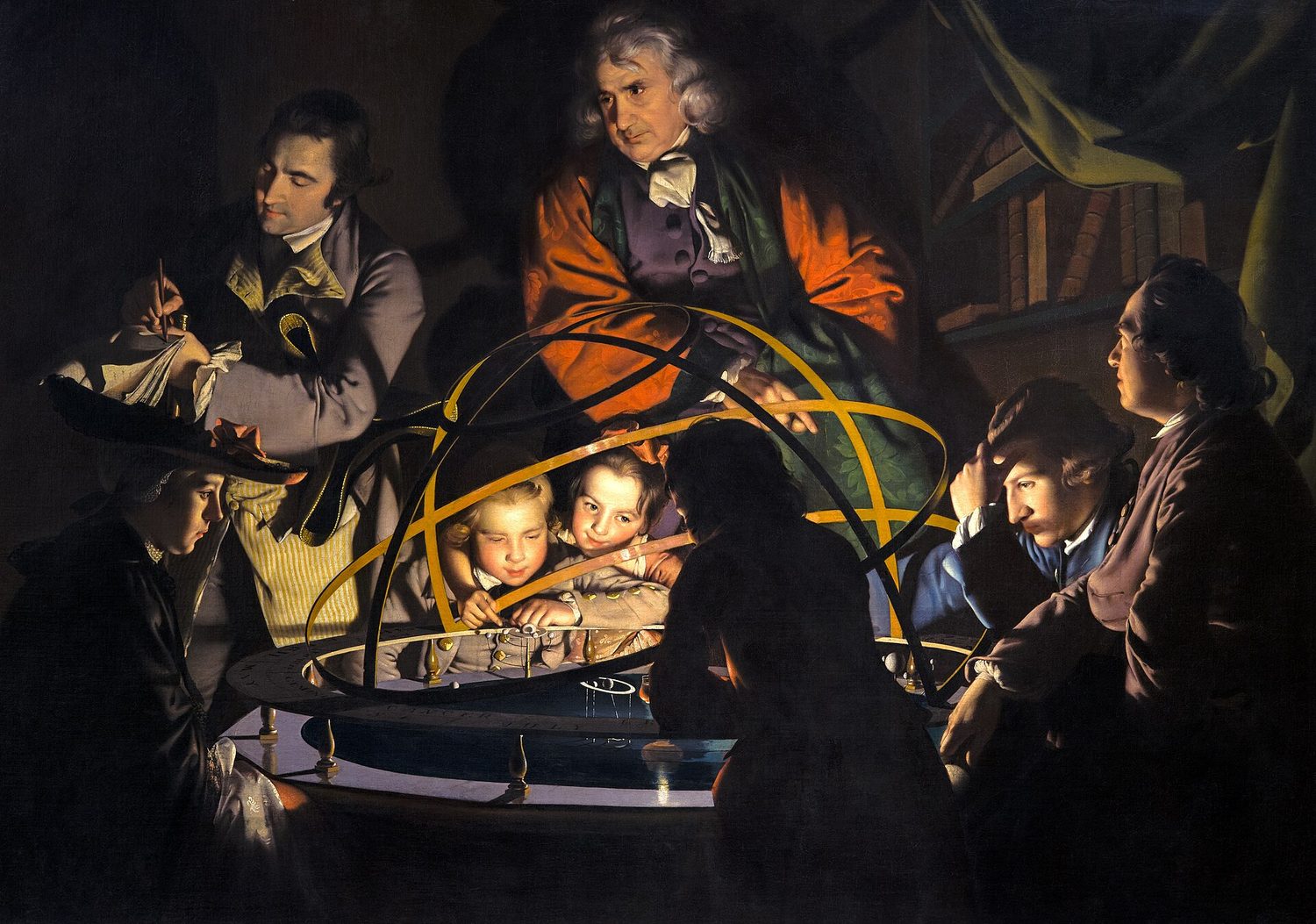
ดูภาพวาดใบนี้เป็นเวลาสามวินาที ตาของคุณไปอยู่ที่จุดไหนก่อน? เกือบทุกคนจะมองไปที่จุดเดียวกัน — ใบหน้าสองใบที่สว่างไสวอยู่ตรงกลาง นั่นคือ…

English narration · English + 中文 subtitles burned in · ⁨การบรรยายภาษาอังกฤษ · คำบรรยายภาษาอังกฤษ + 中文 ลอยตัวบนภาพ⁩

2.1

Balance · ⁨ความสมดุล⁩

Syllabus · ⁨หลักสูตร⁩
English

Focus: Balance is the visual distribution of weight in a composition so it feels stable.

  • Symmetrical (formal) balance mirrors both sides of a central axis — calm and orderly.
  • Asymmetrical (informal) balance uses different elements of equal visual weight — dynamic and lively.
  • Radial balance arranges elements around a central point.
  • Visual weight is affected by size, colour, value, texture, and position.
  • A large, dull shape can balance a small, bright one on the other side.
ไทย

จุดเน้น: ความสมดุลคือการกระจายน้ำหนักภาพในองค์ประกอบเพื่อให้ดูมั่นคง

  • ความสมดุลแบบสมมาตร (Symmetrical/Formal) สะท้อนด้านซ้ายและขวาของแกนกลาง — ให้ความรู้สึกสงบและเป็นระเบียบ
  • ความสมดุลแบบไม่สมมาตร (Asymmetrical/Informal) ใช้องค์ประกอบที่แตกต่างกันแต่มีน้ำหนักภาพเท่ากัน — มีความเคลื่อนไหวและมีชีวิตชีวา
  • ความสมดุลแบบกึ่งวงกลม (Radial) เรียงองค์ประกอบรอบจุดศูนย์กลาง
  • น้ำหนักภาพได้รับอิทธิพลจากขนาด สี ค่าความเข้ม/อ่อน เนื้อสัมผัส และตำแหน่ง
  • รูปทรงขนาดใหญ่แต่ทึบแสง สามารถสมดุลกับรูปทรงขนาดเล็กแต่สว่างสดใสด้านตรงข้ามได้
Source: College Board AP Course and Exam Description · ⁨แหล่งที่มา: คำอธิบายหลักสูตรและข้อสอบ College Board AP⁩

English
Balance: symmetrical, asymmetrical, radial

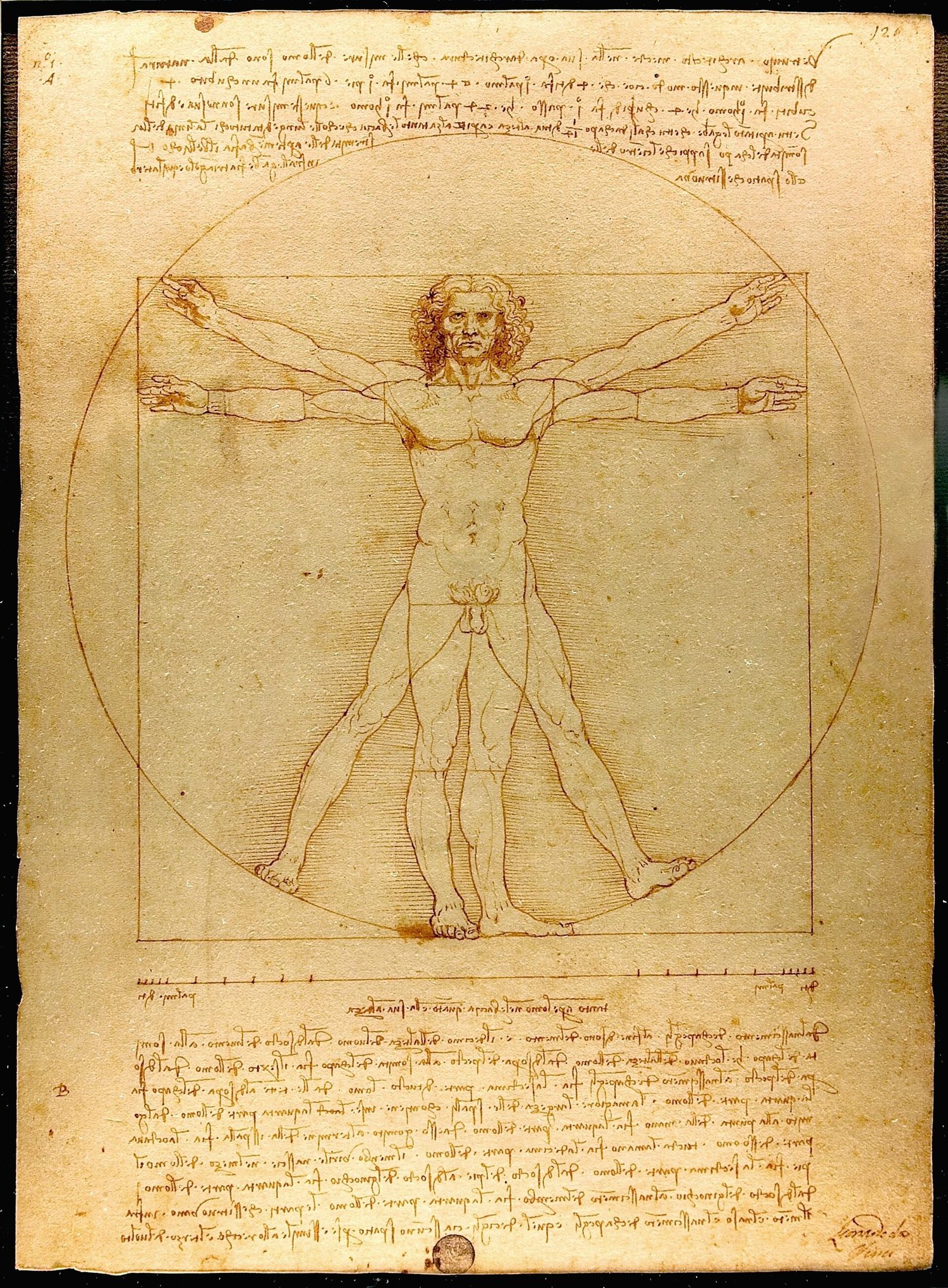
The principles of design 设计原则 are the "rules" for arranging the elements of art. The first is balance 平衡 — the visual distribution of weight so a work feels stable.

  • Symmetrical (formal) balance 对称平衡 mirrors both sides of a central axis — calm and orderly.
  • Asymmetrical (informal) balance 非对称平衡 uses different elements of equal visual weight 视觉重量 — dynamic and lively.
  • Radial balance 辐射平衡 arranges elements around a central point.

Visual weight is affected by size, colour, value, and position: a small bright shape can balance a large dull one.

ไทย

*ความสมดุล: สมมาตร, ไม่สมมาตร, แบบรัศมี

หลักการออกแบบ คือ "กฎ" ในการจัดวางองค์ประกอบศิลปะ หลักแรกคือ ความสมดุล — การกระจายน้ำหนักทางสายตาเพื่อให้งานดูมั่นคง

สามประเภทของความสมดุล: สมมาตร, ไม่สมมาตร, และแบบรัศมี *ความสมดุลแบบสมมาตรสะท้อนแกนกลาง; ความสมดุลไม่สมมาตรถ่วงน้ำหนักองค์ประกอบต่าง; ความสมดุลแบบรัศมีแผ่ออกมาจากศูนย์กลาง

  • ความสมดุลแบบสมมาตร (ทางการ) สะท้อนทั้งสองข้างของแกนกลาง — สงบและเป็นระเบียบ
  • ความสมดุลไม่สมมาตร (ไม่เป็นทางการ) ใช้องค์ประกอบต่างกันที่มี น้ำหนักทางสายตา เท่ากัน — มีชีวิตชีวาและเคลื่อนไหว
  • ความสมดุลแบบกึ่งกลาง จัดองค์ประกอบรอบจุดกึ่งกลาง

น้ำหนักทางสายตาได้รับอิทธิพลจากขนาด, สี, ค่าความสว่าง-มืด, และตำแหน่ง: รูปทรงเล็กแต่สว่างสามารถถ่วงน้ำหนักรูปทรงใหญ่แต่หม่นได้

ภาพวาดหมึกของ Leonardo ที่วาดชายคนหนึ่งกางแขนขา ใส่อยู่ในวงกลมและสี่เหลี่ยม *Vitruvian Man ของ Leonardo: ร่าง人被วาดด้วยความสมมาตรเกือบสมบูรณ์แบบรอบแกนแนวตั้งกลาง, และวงกลมรอบนอกก็ให้ความสมดุลแบบรัศมีเช่นกัน

การจัดองค์ประกอบถ่วงน้ำหนักแสง, มวล, และความสนใจ across ระนาบภาพ *การจัดองค์ประกอบถ่วงน้ำหนักแสง, มวล, และความสนใจ across ระนาบภาพ

Explore · ⁨สำรวจ⁩

Which kind of balance? · ⁨เป็นความสมดุลแบบใด?⁩

Symmetrical balance mirrors a central axis; asymmetrical balance weighs different elements of equal visual weight; radial balance radiates from a centre. · ⁨สมดุลแบบสมมาตร สะท้อนแกนกลาง; สมดุลแบบไม่สมมาตร ชั่งน้ำหนักองค์ประกอบต่าง ๆ ที่มีน้ำหนักภาพเท่ากัน; สมดุลแบบรัศมี ลามตัวจากศูนย์กลาง⁩

Vocabulary · ⁨คำศัพท์⁩ Train · ⁨ฝึกฝน⁩
English ไทย
principles of design/ˈprɪnsɪplz ɒv dɪˈzaɪn/ หลักการออกแบบ
balance/ˈbæləns/ สมดุล
Symmetrical (formal) balance/sɪˈmetrɪkl ˈbæləns/ สมดุลแบบสมมาตร (ทางการ)
Asymmetrical (informal) balance/ˌeɪsɪˈmetrɪkl ˈbæləns/ สมดุลแบบไม่สมมาตร (ไม่เป็นทางการ)
visual weight/ˈvɪʒuːəl weɪt/ น้ำหนักทางสายตา
Radial balance/ˈreɪdɪəl ˈbæləns/ สมดุลแบบรัศมี
Emphasis/ˈemfəsɪs/ จุดเด่น
focal point/ˈfəʊkl pɔɪnt/ จุดโฟกัส
Subordination/ˌsʌbɔːdɪˈneɪʃn/ การลดทอน
Contrast/ˈkɒntræst/ ความขัดแย้ง
visual hierarchy/ˈvɪʒuːəl ˈhaɪərɑːki/ ลำดับความสำคัญทางภาพ
2.2

Emphasis and Focal Point · ⁨จุดเน้นและจุดโฟกัส⁩

Syllabus · ⁨หลักสูตร⁩
English

Focus: Emphasis makes one part of a work stand out as the centre of interest (the focal point).

  • A focal point is where the eye is drawn first; emphasis creates it.
  • Emphasis is built through contrast — of size, colour, value, isolation, or placement.
  • Convergence (lines that point) and the rule of thirds help locate a strong focal point.
  • Subordination keeps other areas quieter so the focal point leads.
  • A work may have one dominant focal point and smaller secondary accents.
ไทย

จุดเน้น: จุดเด่นทำให้ส่วนหนึ่งของงานโดดเด่นออกมาเป็นจุดสนใจ (จุดเด่น)

  • จุดสนใจ คือจุดที่สายตาถูกดึงเข้าไปเป็นอันดับแรก; จุดเด่นสร้างจุดนั้นขึ้นมา
  • จุดเด่นสร้างขึ้นผ่าน ความแตกต่าง — ของขนาด สี ค่าความเข้ม/อ่อน ความโดดเดี่ยว หรือตำแหน่ง
  • การบรรจบกัน (เส้นชี้) และ กฎสามส่วน ช่วยหาจุดสนใจที่แข็งแรง
  • การลดทอนความสำคัญ ทำให้พื้นที่อื่นๆ เงียบลงเพื่อให้จุดโฟกัสเป็นผู้นำ
  • งานอาจมีจุดสนใจหลักเพียงจุดเดียวและจุดเน้นรองขนาดเล็กอื่นๆ

Source: College Board AP Course and Exam Description · ⁨แหล่งที่มา: คำอธิบายหลักสูตรและข้อสอบ College Board AP⁩

English

Emphasis 强调 makes one part of a work stand out as the centre of interest — the focal point 视觉焦点, where the eye is drawn first.

  • Emphasis is created through contrast — of size, colour, value, isolation, or placement.
  • Leading lines and the rule of thirds help place a strong focal point.
  • Subordination 从属 keeps other areas quieter so the focal point leads.
ไทย

จุดเน้น ทำให้ส่วนหนึ่งของงานโดดเด่นเป็นจุดสนใจ — จุดโฟกัส, ที่ซึ่งสายตามองไปก่อน

  • จุดเน้นถูกสร้างผ่าน ความขัดแย้ง — ของขนาด, สี, ค่าความสว่าง-มืด, การแยกออก, หรือการจัดวาง
  • เส้นนำสายตาและกฎสามส่วนช่วยจัดวางจุดโฟกัสที่แข็งแรง
  • การลดทอนความสำคัญ ทำให้พื้นที่อื่นๆ เงียบลงเพื่อให้จุดโฟกัสเป็นผู้นำ
2.3

Contrast · ⁨ความขัดแย้ง⁩

Syllabus · ⁨หลักสูตร⁩
English

Focus: Contrast is the difference between elements — it creates energy, variety, and readability.

  • Contrast can be of value (light/dark), colour (complementary), shape, texture, or size.
  • Strong contrast attracts attention and defines a focal point.
  • Low contrast unifies a work and can feel calm, subtle, or moody.
  • Contrast in direction (horizontal vs diagonal) adds movement.
  • In graphic design, value and size contrast create clear visual hierarchy.
ไทย

จุดเน้น: ความแตกต่างคือข้อแตกต่างระหว่างองค์ประกอบ — สร้างพลังงาน ความหลากหลาย และความสามารถในการอ่าน

  • ความแตกต่างอาจเป็นของ ค่าความเข้ม/อ่อน (สว่าง/มืด), สี (คู่ตรงข้าม), รูปทรง, เนื้อสัมผัส, หรือ **ขนาด
  • ความขัดแย้งที่ชัดเจนดึงดูดความสนใจและกำหนดจุดโฟกัส
  • ความแตกต่างต่ำทำให้งานเชื่อมโยงกันและอาจให้ความรู้สึกสงบ นุ่มนวล หรือดุดัน
  • ความแตกต่างใน ทิศทาง (แนวนอนเทียบกับแนวเฉียง) เพิ่มการเคลื่อนไหว
  • ในการออกแบบกราฟิก ความแตกต่างของค่าความเข้ม/อ่อนและขนาดสร้างลำดับชั้นภาพที่ชัดเจน

Source: College Board AP Course and Exam Description · ⁨แหล่งที่มา: คำอธิบายหลักสูตรและข้อสอบ College Board AP⁩

English

Contrast 对比 is the difference between elements — it creates energy, variety, and readability.

  • Contrast can be of value (light/dark), colour (complementary), shape, texture, or size.
  • Strong contrast attracts attention and defines a focal point; low contrast unifies and calms.
  • In design, value and size contrast create clear visual hierarchy 视觉层次.
ไทย

ความขัดแย้ง คือความแตกต่างระหว่างองค์ประกอบ — สร้างพลังงาน, ความหลากหลาย, และความอ่านง่าย

  • ความขัดแย้งอาจเป็นค่าความสว่าง-มืด (สว่าง/มืด), สี (ตรงข้าม), รูปทรง, เนื้อสัมผัส, หรือขนาด
  • ความขัดแย้งสูงดึงดูดความสนใจและกำหนดจุดโฟกัส; ความขัดแย้งต่ำทำให้เป็นหนึ่งเดียวและสงบ
  • ในการออกแบบ ค่าความแตกต่างและขนาดสร้างความ ลำดับชั้นทางสายตา ที่ชัดเจน
2.4

Movement and Rhythm · ⁨การเคลื่อนไหวและจังหวะ⁩

Syllabus · ⁨หลักสูตร⁩
English

Focus: Movement leads the viewer's eye through a work; rhythm is the repetition that creates a visual beat.

  • Movement is the path the eye takes, guided by line, edges, colour, and placement.
  • Rhythm is created by repeating elements with regular or varied spacing.
  • Types of rhythm: regular (even), flowing (curving), progressive (gradual change), and random.
  • Directional forces (leading lines, gazes, gestures) create implied motion.
  • Repetition with variation keeps rhythm interesting rather than monotonous.
ไทย

จุดเน้น: การนำพาสายตามองผ่านงาน; จังหวะคือการซ้ำซ้อนที่สร้างจังหวะภาพ

  • การเคลื่อนไหว คือเส้นทางที่สายตามอง นำทางโดยเส้น ขอบ สี และตำแหน่ง
  • จังหวะ สร้างขึ้นโดยการซ้ำซ้อนองค์ประกอบด้วยระยะห่างที่เป็นระเบียบหรือไม่เป็นระเบียบ
  • ประเภทของจังหวะ: สม่ำเสมอ (เท่ากัน), ไหลลื่น (โค้ง), พัฒนา (เปลี่ยนแปลงทีละน้อย), และ **สุ่ม
  • แรงกระทำทางทิศทาง (เส้นนำ สายตา การเคลื่อนไหวมือ) สร้างการเคลื่อนไหวทางอ้อม
  • การซ้ำซ้อนพร้อมการเปลี่ยนแปลงช่วยให้จังหวะน่าสนใจและไม่น่าเบื่อ

Source: College Board AP Course and Exam Description · ⁨แหล่งที่มา: คำอธิบายหลักสูตรและข้อสอบ College Board AP⁩

English

Movement 动感 leads the viewer's eye through a work; rhythm 节奏 is the repetition that creates a visual "beat".

  • Movement is the path the eye takes, guided by line, edges, colour, and placement.
  • Rhythm types: regular (even), flowing (curving), progressive 渐进 (gradual change), and random.
  • Repetition with variation keeps rhythm interesting rather than monotonous.
ไทย

การเคลื่อนไหว นำสายตาผู้ชมผ่านผลงานศิลปะ; จังหวะ คือการซ้ำซ้อนที่สร้าง "จังหวะ" ทางสายตา

  • การเคลื่อนไหวคือเส้นทางที่ตามองนำโดยเส้น ขอบ สี และการจัดวาง
  • ประเภทของจังหวะ: สม่ำเสมอ (เท่ากัน), ลื่นไหล (โค้งมน), พัฒนาการ (เปลี่ยนแปลงทีละน้อย) และสุ่ม
  • การซ้ำซ้อนพร้อมการเปลี่ยนแปลงช่วยให้จังหวะน่าสนใจและไม่น่าเบื่อ
ภาพวาดของ Van Gogh ที่แสดงท้องฟ้ายามค่ำคืนเต็มไปด้วยเกลียวหมุนขนาดใหญ่ของแสงเหนือหมู่บ้านเงียบสงบ
The Starry Night ของ Van Gogh: แสงพู่กันหมุนวนพาสายตาผ่านท้องฟ้า (การเคลื่อนไหว) และการม้วนซ้ำให้จังหวะที่ลื่นไหล
Vocabulary · ⁨คำศัพท์⁩ Train · ⁨ฝึกฝน⁩
English ไทย
Movement/ˈmuːvmənt/ การเคลื่อนไหว
rhythm/ˈrɪðəm/ จังหวะ
progressive/prəˈɡresɪv/ เชิงพัฒนาการ
2.5

Pattern and Repetition · ⁨ลวดลายและการซ้ำซ้อน⁩

Syllabus · ⁨หลักสูตร⁩
English

Focus: Repetition reuses an element; pattern is the repeated element arranged in a predictable way.

  • Repetition of shape, colour, or line builds unity and rhythm.
  • A pattern is a repeated motif — regular (grid, tessellation) or irregular.
  • Patterns can fill a shape, define a texture, or become the subject itself.
  • Motif is the single unit that repeats; changing scale or colour varies the pattern.
  • Too much repetition can feel monotonous; variation keeps it engaging.
ไทย

จุดเน้น: การซ้ำซ้อนใช้ซ้ำองค์ประกอบ; ลวดลายคือองค์ประกอบที่ถูกซ้ำซ้อนและเรียงในรูปแบบที่คาดเดาได้

  • การซ้ำซ้อน ของรูปทรง สี หรือเส้นสร้างความกลมกลืนและจังหวะ
  • ลวดลาย คือ _motif ที่ซ้ำซ้อน — แบบสม่ำเสมอ (ตาราง, Tessellation) หรือไม่สม่ำเสมอ
  • ลวดลายสามารถเติมเต็มรูปทรง กำหนดเนื้อสัมผัส หรือกลายเป็นหัวข้อเอง
  • Motif (ลวดลายซ้ำ) คือหน่วยย่อยที่ซ้ำกัน; การเปลี่ยนขนาดหรือสีจะเปลี่ยนแปลงลวดลาย
  • การซ้ำซ้อนมากเกินไปอาจทำให้ดูน่าเบื่อ; ความหลากหลายช่วยให้มีความน่าสนใจ

Source: College Board AP Course and Exam Description · ⁨แหล่งที่มา: คำอธิบายหลักสูตรและข้อสอบ College Board AP⁩

English

Repetition 重复 reuses an element; a pattern 图案 is the repeated element arranged in a predictable way.

  • Repetition of shape, colour, or line builds unity and rhythm.
  • A pattern is a repeated motif 母题 — regular (a grid or tessellation) or irregular.
  • Too much repetition feels monotonous; changing scale or colour adds variety.
ไทย

การซ้ำซ้อน นำองค์ประกอบกลับมาใช้ใหม่; ลวดลาย คือองค์ประกอบที่ถูกซ้ำซ้อนโดยเรียงเป็นรูปแบบที่คาดเดาได้

  • การซ้ำซ้อนของรูปร่าง สี หรือเส้น สร้างความเป็นหนึ่งเดียวและจังหวะ
  • ลวดลายคือ ลวดลายซ้ำ — แบบสม่ำเสมอ (ตารางหรือการเรียงแผ่น) หรือแบบไม่สม่ำเสมอ
  • การซ้ำซ้อนมากเกินไปอาจทำให้ดูน่าเบื่อ; การเปลี่ยนขนาดหรือสีจะสร้างความหลากหลาย
ผ้าลายที่มีนกสีน้ำเงินอยู่ท่ามกลางสตรอว์เบอร์รีสีแดงและใบไม้สีเขียว ลวดลายเดิมซ้ำกันทั่วทั้งผืน
William Morris's Strawberry Thief: ลวดลายหนึ่ง consisting of นกท่ามกลางสตรอว์เบอร์รีซ้ำกันในลวดลายสม่ำเสมอทั่วทั้งผืน
Vocabulary · ⁨คำศัพท์⁩ Train · ⁨ฝึกฝน⁩
English ไทย
Repetition/ˌrepəˈtɪʃn/ การซ้ำ
pattern/ˈpætn/ ลวดลาย
motif/məʊˈtiːf/ โม tif
Proportion/prəˈpɔːʃn/ สัดส่วน
scale/skeɪl/ สเกล / ขอบเขต
Hierarchical scale/haɪəˈrɑːkɪkl skeɪl/ ขนาดเชิงลำดับขั้น
golden ratio/ˈɡəʊldn ˈreɪʃɪəʊ/ อัตราส่วนทองคำ
Unity/ˈjuːnɪti/ ความสามัคคี
variety/vəˈraɪəti/ ความหลากหลาย
proximity/prɒkˈsɪmɪti/ ความใกล้ชิด (Proximity)
continuity/kɒntɪˈnjuːɪti/ ความต่อเนื่อง
Harmony/ˈhɑːməni/ ความกลมกลืน (Harmony)
2.6

Proportion and Scale · ⁨สัดส่วนและขนาด⁩

Syllabus · ⁨หลักสูตร⁩
English

Focus: Proportion is the size relationship between parts; scale is the size of the work or an element relative to something else.

  • Proportion compares the sizes of parts within a work (e.g. head to body).
  • Scale compares an element to the whole, to the human body, or to the real world.
  • Hierarchical scale makes the most important element largest.
  • Exaggerated or distorted proportion can express emotion or draw attention.
  • The golden ratio and canon of proportions are historic guides to pleasing relationships.
ไทย

จุดเน้น: สัดส่วนคือความสัมพันธ์ของขนาดระหว่างส่วนต่างๆ; ขนาดคือขนาดของงานหรือองค์ประกอบเมื่อเทียบกับสิ่งอื่น

  • สัดส่วน เปรียบเทียบขนาดของส่วนภายในงาน (เช่น หัวต่อตัว)
  • ขนาด เปรียบเทียบองค์ประกอบกับภาพรวม, กับร่างกายมนุษย์ หรือกับโลกจริง
  • ขนาดแบบลำดับชั้น ทำให้องค์ประกอบที่สำคัญที่สุดมีขนาดใหญ่ที่สุด
  • สัดส่วนที่เกินจริงหรือบิดเบือนสามารถสื่ออารมณ์หรือดึงดูดความสนใจ
  • อัตราส่วนทองคำ และกฎเกณฑ์ทางสัดส่วนเป็นแนวทาง historically ที่สร้างความสัมพันธ์ที่น่าพอใจ

Source: College Board AP Course and Exam Description · ⁨แหล่งที่มา: คำอธิบายหลักสูตรและข้อสอบ College Board AP⁩

English

Proportion 比例 is the size relationship between parts; scale 尺度 is the size of an element relative to something else.

  • Proportion compares the sizes of parts within a work (head to body).
  • Hierarchical scale 等级比例 makes the most important element the largest.
  • Exaggerated or distorted proportion can express emotion or draw attention. The golden ratio 黄金比例 is a historic guide to pleasing proportions.
ไทย

สัดส่วน คือความสัมพันธ์ของขนาดระหว่างส่วนต่างๆ; ขนาด คือขนาดขององค์ประกอบเมื่อเทียบกับสิ่งอื่น

เครื่องมือการจัดองค์ประกอบ: กฎสามส่วนและขนาดเชิงลำดับชั้น
กฎสามส่วนวางองค์ประกอบสำคัญบนเส้นแบ่งสามส่วน; ขนาดเชิงลำดับชั้นทำให้องค์ประกอบที่สำคัญมีขนาดใหญ่ที่สุด
  • สัดส่วนเปรียบเทียบขนาดของส่วนต่างๆ ภายในงาน (เช่น หัวต่อตัว)
  • สเกลเชิงลำดับชั้น ทำให้องค์ประกอบที่สำคัญที่สุดมีขนาดใหญ่ที่สุด
  • สัดส่วนที่เกินจริงหรือบิดเบี้ยวสามารถสื่ออารมณ์หรือดึงดูดความสนใจได้ อัตราส่วนทองคำ เป็นแนวทางทางประวัติศาสตร์สำหรับการจัดสัดส่วนที่น่าพึงพอใจ
Vocabulary · ⁨คำศัพท์⁩ Train · ⁨ฝึกฝน⁩
English ไทย
Composition/ˌkɒmpəˈzɪʃn/ การจัดองค์ประกอบ (Composition)
picture plane/ˈpɪktʃə pleɪn/ ระนาบภาพ
format/ˈfɔːmæt/ รูปแบบ (Format)
rule of thirds/ruːl ɒv θɜːdz/ กฎสามส่วน
Cropping/ˈkrɒpɪŋ/ การตัดกรอบ (Cropping)
2.7

Unity and Variety · ⁨ความกลมกลืนและความหลากหลาย⁩

Syllabus · ⁨หลักสูตร⁩
English

Focus: Unity holds a work together as a whole; variety adds interest so it is not dull. Good design balances the two.

  • Unity is a sense that all parts belong together (through repetition, proximity, and a limited palette).
  • Variety is difference that adds interest and prevents monotony.
  • Harmony comes from elements that are similar; tension from those that differ.
  • Proximity (grouping) and continuity (alignment) strengthen unity.
  • The best works achieve unity with variety — order that still surprises.
ไทย

จุดเน้น: ความกลมกลืนยึดเหนี่ยวงานให้เป็นหนึ่งเดียว; ความหลากหลายเพิ่มความสนใจไม่ให้ดูน่าเบื่อ การออกแบบที่ดีจะสมดุลระหว่างสองอย่างนี้

  • ความกลมกลืน คือความรู้สึกว่าทุกส่วนเกี่ยวข้องกับกัน (ผ่านการซ้ำซ้อน, ระยะใกล้, และการใช้สีจำกัด)
  • ความหลากหลาย คือความแตกต่างที่เพิ่มความสนใจและป้องกันความน่าเบื่อ
  • ความเข้ากันได้ เกิดจากองค์ประกอบที่คล้ายกัน; ความตึงเครียด เกิดจากองค์ประกอบที่แตกต่างกัน
  • ระยะใกล้ (การจัดกลุ่ม) และ ความต่อเนื่อง (การจัดแนว) ช่วยเสริมความกลมกลืน
  • งานที่ดีที่สุดจะบรรลุความกลมกลืน พร้อมด้วย ความหลากหลาย — ความมีระเบียบที่ยังคงสร้างความประหลาดใจ

Source: College Board AP Course and Exam Description · ⁨แหล่งที่มา: คำอธิบายหลักสูตรและข้อสอบ College Board AP⁩

English

Unity 统一 holds a work together as a whole; variety 变化 adds interest so it is not dull. Good design balances the two.

  • Unity comes from repetition, proximity 邻近 (grouping), continuity 连续性 (aligning elements along a line or edge so they read as one group), and a limited palette.
  • Variety is difference that prevents monotony. Harmony 和谐 comes from similar elements.
  • The best works achieve unity with variety — order that still surprises.
ไทย

ความกลมกลืน ทำให้ชิ้นงานเป็นเอกภาพ; ความหลากหลาย เพิ่มความน่าสนใจไม่ให้ดูน่าเบื่อ การออกแบบที่ดีจะสมดุลระหว่างทั้งสองอย่าง

  • ความกลมกลืนเกิดจากการซ้ำซ้อน, ระยะใกล้ (การรวมกลุ่ม), ความต่อเนื่อง (การจัดเรียงองค์ประกอบตามแนวเส้นหรือขอบเพื่อให้อ่านว่าเป็นกลุ่มเดียว) และการใช้โทนสีจำกัด
  • ความหลากหลายคือความแตกต่างที่ช่วยป้องกันความน่าเบื่อ ความเข้ากัน เกิดจากองค์ประกอบที่คล้ายคลึงกัน
  • งานที่ดีที่สุดจะบรรลุความกลมกลืน พร้อมด้วย ความหลากหลาย — ความมีระเบียบที่ยังคงสร้างความประหลาดใจ
2.8

Composition · ⁨การจัดองค์ประกอบ⁩

Syllabus · ⁨หลักสูตร⁩
English

Focus: Composition is how all the elements and principles are arranged within the picture plane.

  • The picture plane is the flat surface; its format (portrait, landscape, square) shapes the design.
  • The rule of thirds places key elements along thirds lines and their intersections.
  • Cropping decides what is included and what is cut, changing emphasis and tension.
  • Leading lines, framing, and balance guide the eye and hold the composition together.
  • A strong composition unifies the elements while creating a clear focal point.
ไทย

จุดเน้น: การจัดองค์ประกอบคือการจัดวางองค์ประกอบและหลักการทั้งหมดภายในระนาบภาพ

  • ระนาบภาพ คือพื้นผิวเรียบ; รูปแบบ (แนวตั้ง, แนวขวาง, สี่เหลี่ยม) กำหนดการออกแบบ
  • กฎสามส่วน วางองค์ประกอบสำคัญตามเส้นแบ่งสามส่วนและจุดตัด
  • การตัดกรอบ กำหนดว่าอะไรถูกนำเข้ามาและอะไรถูกตัดออก ซึ่งส่งผลต่อการเน้นย้ำและความตึงเครียด
  • เส้นนำสายตา, กรอบ framing, และความสมดุลนำสายตาและยึดเหนี่ยวการจัดองค์ประกอบ
  • การจัดองค์ประกอบที่แข็งแรงจะรวมองค์ประกอบเข้าด้วยกันพร้อมสร้างจุดเด่นที่ชัดเจน

Source: College Board AP Course and Exam Description · ⁨แหล่งที่มา: คำอธิบายหลักสูตรและข้อสอบ College Board AP⁩

English

Composition 构图 is how all the elements and principles are arranged within the picture plane 画面.

  • The format 画幅 (portrait, landscape, square) shapes the design.
  • The rule of thirds 三分法 places key elements along third-lines and their intersections.
  • Cropping 裁剪 decides what is included and what is cut, changing emphasis and tension.
  • A strong composition unifies the elements while creating a clear focal point — this is what the AP portfolio's 2-D skills are judged on.

Worked example (applying the concept). To explain balance in a composition: "The large dark shape on the left is balanced by three small bright shapes on the right — this is asymmetrical balance, which gives the piece visual weight on both sides while keeping it dynamic rather than static." A full answer names the principle, points to specific evidence in the work, and states the effect on the viewer.

ไทย

การจัดองค์ประกอบ คือวิธีการจัดวางองค์ประกอบและหลักการทั้งหมดภายใน ระนาบภาพ

  • รูปแบบ (แนวตั้ง, แนวนอน, สี่เหลี่ยม) กำหนดทิศทางของการออกแบบ
  • กฎสามส่วน วางองค์ประกอบสำคัญตามเส้นแบ่งสามส่วนและจุดตัด
  • การตัดกรอบ กำหนดว่าอะไรถูกนำเข้ามาและอะไรถูกตัดออก ซึ่งส่งผลต่อการเน้นย้ำและความตึงเครียด
  • การจัดองค์ประกอบที่แข็งแกร่งจะรวมองค์ประกอบต่างๆ เข้าด้วยกันและสร้างจุดเด่นที่ชัดเจน — นี่คือเกณฑ์การประเมินทักษะ 2-D ของแฟ้มสะสมผลงาน AP

ตัวอย่างวิธีทำ (การประยุกต์ใช้แนวคิด). เพื่ออธิบาย ความสมดุล ในองค์ประกอบ: "รูปทรงสีเข้มขนาดใหญ่ทางซ้าย ถูกดุลด้วยรูปทรงสีสว่างขนาดเล็กสามรูปทางขวา — นี่คือความสมดุลแบบไม่สมมาตร ซึ่งให้น้ำหนักภาพทั้งสองด้านขณะคงความมีพลวัตและไม่นิ่งทื่อ" คำตอบที่สมบูรณ์ต้องระบุหลักการ ชี้หลักฐานเฉพาะในผลงาน และ อธิบายผลกระทบที่มีต่อผู้ชม

2.8

Exam tips · ⁨ข้อแนะนำสำหรับการสอบ⁩

English
  • For every work, state which principle organises it — balance, emphasis, contrast, movement, or unity.
  • Justify balance through visual weight, not just symmetry.
  • Ensure one clear focal point, and name the emphasis technique that creates it.
  • Aim for unity with variety — name the unifying device and the source of interest.
  • Plan composition with the rule of thirds and thumbnails before committing.
ไทย
  • สำหรับแต่ละผลงาน ให้ระบุว่า หลักการ ใดจัดระเบียบงานนั้น — ความสมดุล, จุดเด่น, ความขัดแย้ง, การเคลื่อนไหว หรือความกลมกลืน
  • อธิบาย ความสมดุล ผ่าน น้ำหนักภาพ ไม่ใช่แค่ความสมมาตร
  • ทำให้มี จุดเด่น ที่ชัดเจนหนึ่งจุด และระบุเทคนิค การเน้น ที่สร้างขึ้นเพื่อจุดนั้น
  • มุ่งสู่ ความกลมกลืนพร้อมความหลากหลาย — ระบุอุปกรณ์สร้างความกลมกลืนและแหล่งที่มาของความสนใจ
  • วางแผน การจัดองค์ประกอบ โดยใช้ กฎสามส่วน และร่างภาพย่อก่อนลงมือจริง

Interactive lessons on this topic · ⁨บทเรียนเชิงโต้ตอบสำหรับหัวข้อนี้⁩

Work through it step by step, with instant-check exercises. · ⁨ทำทีละขั้นตอน พร้อมแบบฝึกหัดตรวจสอบผลทันที⁩

More topics in AP 2-D Art and Design · ⁨AP ศิลปะและออกแบบ 2 มิติ⁩ · ⁨หัวข้อเพิ่มเติมใน AP 2-D Art and Design · ⁨AP ศิลปะและออกแบบ 2 มิติ⁩⁩

Log in or create account · ⁨เข้าสู่ระบบหรือสร้างบัญชี⁩

IGCSE, A-Level & AP