Skip to content · ⁨ข้ามไปยังเนื้อหา⁩

Elements of Art · ⁨องค์ประกอบของศิลปะ⁩

AP 2-D Art and Design · ⁨AP ศิลปะและออกแบบ 2 มิติ⁩ · Topic 1 · ⁨หัวข้อ 1⁩

Video lesson for this topic · ⁨บทเรียนวิดีโอสำหรับหัวข้อนี้⁩ Open the video page · ⁨เปิดหน้าวิดีโอ⁩
8:02

องค์ประกอบของศิลปะ

ดูภาพสามชิ้นที่มีชื่อเสียง คลื่นจากญี่ปุ่น ห้องที่มีแสงเทียนในอังกฤษ และแจกันดอกทานตะวันในฝรั่งเศส ประเทศต่างกัน ศตวรรษต่างกัน…

English narration · English + 中文 subtitles burned in · ⁨การบรรยายภาษาอังกฤษ · คำบรรยายภาษาอังกฤษ + 中文 ลอยตัวบนภาพ⁩

1.1

Line · ⁨เส้น⁩

Syllabus · ⁨หลักสูตร⁩
English

Focus: Line is the most basic element of art — a moving point that the eye follows across a surface.

  • A line is a mark with length and direction: straight, curved, angular, or freeform.
  • Lines vary in quality — thick or thin, smooth or rough, continuous or broken, dark or light.
  • Contour lines trace the edges of a form; gesture lines quickly capture movement and energy.
  • Implied lines are suggested, not drawn — by a row of objects, a pointing arm, or a gaze.
  • Direction carries feeling: horizontal reads as calm, vertical as strength, diagonal as action.
  • Artists use line to build shape, shade value (hatching, cross-hatching), imply texture, and lead the eye.
ไทย

จุดเน้น: เส้นคือองค์ประกอบพื้นฐานที่สุดของศิลปะ — จุดที่เคลื่อนที่ซึ่งสายตาตามไปทั่วพื้นผิว

  • เส้น คือเครื่องหมายที่มีความยาวและทิศทาง: ตรง, โค้ง, มุม หรือรูปแบบอิสระ
  • เส้นมีความหลากหลายใน คุณภาพ — หนาหรือบาง, เรียบหรือหยาบ, ต่อเนื่องหรือขาดตอน, ดำหรืออ่อน
  • เส้นขอบ ลากตามขอบของรูปทรง; เส้นท่าทาง จับการเคลื่อนไหวและพลังงานได้อย่างรวดเร็ว
  • เส้นที่สื่อถึง ถูก sugerido, ไม่ได้วาดขึ้นจริง — จากแถวของวัตถุ, แขนชี้, หรือการมอง
  • ทิศทางบ่งบอกอารมณ์: แนวราบอ่านได้ว่าสงบ, แนวตั้งว่าแข็งแกร่ง, แนวทแยงคือการกระทำ
  • ศิลปินใช้เส้นเพื่อสร้างรูปร่าง, บานสี ค่า (การขีดข่วน, การขีดข่วนไขว้), สื่อถึงพื้นผิว, และนำสายตา
Source: College Board AP Course and Exam Description · ⁨แหล่งที่มา: คำอธิบายหลักสูตรและข้อสอบ College Board AP⁩

English

The elements of art 艺术元素 are the visual "building blocks" every artist uses. The first is line 线条 — a moving point that the eye follows.

  • A line has length and direction; it can be straight, curved, angular, or freeform.
  • Lines have quality: thick or thin, smooth or rough, continuous or broken, dark or light.
  • Contour 轮廓 lines trace the edges of a form; gesture 动态速写 lines capture movement quickly.
  • Implied lines 隐含线 are not drawn but suggested — by a row of objects or a person's gaze.

Direction carries feeling: horizontal lines feel calm, vertical lines feel strong, and diagonal lines feel active. Artists use line to build shape, shade value (hatching), imply texture, and lead the viewer's eye.

ไทย

องค์ประกอบของศิลปะ คือ "บล็อกสร้าง" ทางภาพที่ศิลปินทุกคนใช้ องค์แรกคือ เส้น — จุดที่เคลื่อนที่ที่สายตาตามติดตาม

  • เส้นมี ความยาวและทิศทาง; สามารถเป็นเส้นตรง, โค้ง, มุม, หรือรูปร่างอิสระ
  • เส้นมี คุณภาพ: หนาหรือบาง, เรียบหรือหยาบ, ต่อเนื่องหรือขาดตอน, ดำหรือขาว
  • เส้นขอบ (Contour lines) ลากตามขอบของรูปทรง; เส้นท่าทาง (Gesture lines) จับการเคลื่อนไหวอย่างรวดเร็ว
  • เส้นเชิงอรรถ (Implied lines) ไม่ได้วาดแต่ถูกสื่อขึ้น — โดยแถวของวัตถุ หรือสายตามนุษย์
ภาพไม้แกะสลักของโฮกุไซะ depicting คลื่นยักษ์หมุนวนที่กำลังจะซัดเรือเล็ก, dengan-mount Fuji เล็กๆ ในฉากหลัง
The Great Wave off Kanagawa ของ Hokusai: เส้นโค้ง-bold นำสายตาไปตามคลื่น, และเส้นคล้ายกรงเล็บของฟองน้ำสร้างความเคลื่อนไหว
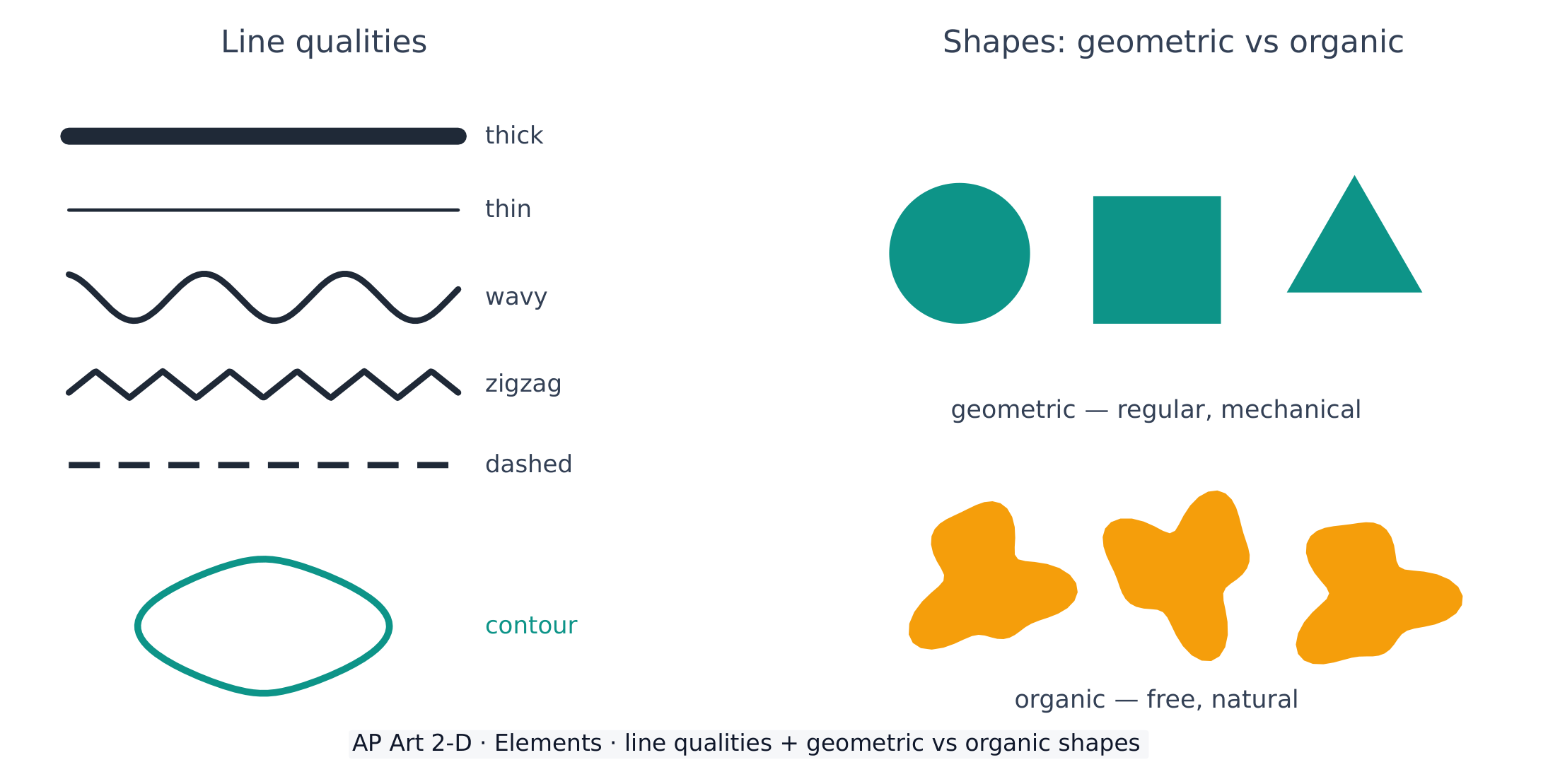
คุณภาพของเส้นและความแตกต่างระหว่างรูปร่างเรขาคณิตกับออร์แกนิก
เส้นมีความหนักและลักษณะต่างกัน; รูปร่างจะเป็นเรขาคณิต (สม่ำเสมอ) หรือออร์แกนิก (ธรรมชาติ)

ทิศทางส่งความรู้สึก: เส้นแนวนอนให้ความรู้สึกสงบ, เส้นแนวตั้ง感觉很แข็งแรง, และเส้นทแยงมุม感觉很 active. ศิลปินใช้เส้นในการสร้างรูปร่าง, ทำshade value (hatching), สื่อtexture, และนำสายตาผู้ชม

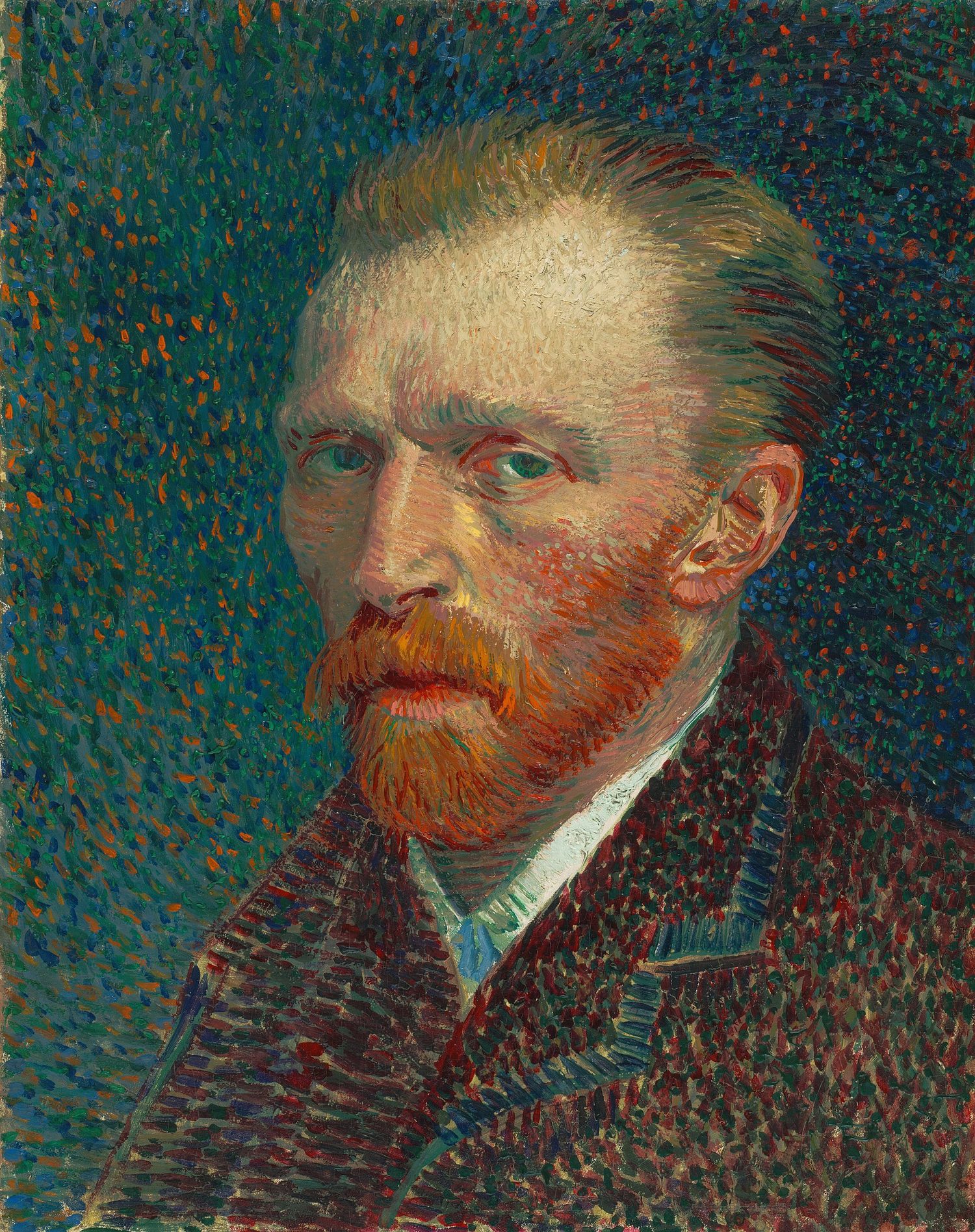
ภาพ/self-portrait ของ Van Gogh: เปรียบเสมือน short restless diagonal brushstrokes เติมเต็มพื้นหลัง, ในขณะที่ไหล่และปกเสื้อยังคงกว้างและสงบ
ภาพ/self-portrait ของ Van Gogh: เส้นทแยงมุมที่ restlessness อยู่ด้านหลังของไหล่แนวนอนที่ calm — ทิศทางเดียวกันสองอย่างทำงานตรงข้ามกันในภาพเดียว
Vocabulary · ⁨คำศัพท์⁩ Train · ⁨ฝึกฝน⁩
English ไทย
elements of art/ˈelɪmənts ɒv ɑːt/ องค์ประกอบของศิลปะ
line/laɪn/ เส้นตรง
Contour/ˈkɒntʊə/ เส้นขอบ
gesture/ˈdʒestʃə/ ท่าทาง
Implied lines/ɪmˈplaɪd laɪnz/ เส้นที่บ่งบอก
shape/ʃeɪp/ รูปร่าง
Value/ˈvæljuː/ ค่าโทนสี (Value)
Texture/ˈtekstʃə/ พื้นผิว (Texture)
Actual (tactile) texture/ˈæktʃuːəl ˈtekstʃə/ พื้นผิวจริง (สัมผัส)
Implied (visual) texture/ɪmˈplaɪd ˈtekstʃə/ พื้นผิวที่สื่อ (ภาพ)
1.2

Shape and Form · ⁨รูปร่างและรูปทรง⁩

Syllabus · ⁨หลักสูตร⁩
English

Focus: Shape is a flat, enclosed area; form is the illusion of a three-dimensional object on a 2-D surface.

  • A shape is a two-dimensional area with a boundary; form appears three-dimensional (height, width, depth).
  • Geometric shapes (circle, square, triangle) are regular and mechanical; organic shapes are free and natural.
  • Positive shapes are the objects; negative shapes are the empty spaces around and between them.
  • Form is created on a flat surface through value (shading), overlapping, and perspective.
  • Recognising negative space helps an artist see and compose more accurately.
ไทย

จุดเน้น: รูปทรง (Shape) เป็นพื้นที่แบนที่มีขอบเขตปิด; รูปร่าง (Form) คือภาพลวงตาของวัตถุสามมิติบนพื้นผิว 2-D.

  • รูปทรง เป็นพื้นที่สองมิติที่มีขอบเขต; รูปร่าง ดูมีสามมิติ (มีความสูง กว้าง ลึก)
  • รูปร่างเรขาคณิต (Geometric shapes: circle, square, triangle) เป็นสม่ำเสมอและเครื่องจักร; รูปร่างออร์แกนิก เป็นอิสระและเป็นธรรมชาติ
  • รูปทรงบวก คือวัตถุ本身; รูปทรงลบ คือพื้นที่ว่างรอบๆ และระหว่างวัตถุเหล่านั้น
  • รูปร่างถูกสร้างบนพื้นผิวแบนผ่าน ค่าความเข้ม/อ่อน (Value) (การแรเงา), การซ้อนทับ, และ มุมมอง
  • การจดจำพื้นที่ว่างช่วยให้นักวาดภาพมองเห็นและจัดองค์ประกอบได้แม่นยำยิ่งขึ้น

Source: College Board AP Course and Exam Description · ⁨แหล่งที่มา: คำอธิบายหลักสูตรและข้อสอบ College Board AP⁩

English

A shape 形状 is a flat, enclosed area; a form 形体 has the illusion of three dimensions (height, width, and depth).

  • Geometric 几何 shapes (circle, square, triangle) are regular and mechanical; organic 有机 shapes are free and natural.
  • Positive shape 正形 is the object; negative shape 负形 is the empty space around and between objects — learning to see it makes drawing far more accurate.
  • Form is created on a flat surface with value (shading), overlapping, and perspective.
ไทย

รูปร่าง (Shape) คือพื้นที่แบนที่ปิดล้อม; รูปทรง (Form) มี ảo visual ว่าสามมิติ (สูง, กว้าง, ลึก)

  • รูปร่างเรขาคณิต (Geometric shapes: circle, square, triangle) เป็นสม่ำเสมอและเครื่องจักร; รูปร่างออร์แกนิก เป็นอิสระและเป็นธรรมชาติ
  • รูปร่างบวก (Positive shape) คือวัตถุ; รูปร่างลบ (Negative shape) คือพื้นที่ว่างรอบๆ และระหว่างวัตถุ — การเรียนรู้ที่จะมองเห็นมันจะทำให้การวาดแม่นยำมากขึ้น
  • รูปทรงถูกสร้างบนพื้นผิวแบนด้วย value (การ Shade), การซ้อนทับ, และ Perspective
Vocabulary · ⁨คำศัพท์⁩ Train · ⁨ฝึกฝน⁩
English ไทย
form/fɔːm/ รูปทรง
Geometric/ˌdʒiːəʊˈmetrɪk/ เรขาคณิต (Geometric)
organic/ɔːˈɡænɪk/ ออร์แกนิค
Positive shape/ˈpɒzɪtɪv ʃeɪp/ รูปร่างบวก
negative shape/ˈneɡətɪv ʃeɪp/ รูปทรงลบ
1.3

Value

Syllabus · ⁨หลักสูตร⁩
English

Focus: Value is the lightness or darkness of a colour or tone — the key to showing form and depth.

  • Value runs from white through greys to black; a value scale shows the gradual steps.
  • Highlight, midtone, core shadow, reflected light, and cast shadow describe light on a form.
  • Strong value contrast creates drama and a clear focal point; close values feel soft and calm.
  • Chiaroscuro is the bold use of light and dark to model three-dimensional form.
  • Squinting removes colour and helps an artist judge value relationships.
ไทย

จุดเน้น: ค่าความเข้ม/อ่อน คือระดับความสว่างหรือความมืดของสีหรือโทนสี — ซึ่งเป็นกุญแจสำคัญในการแสดงรูปร่างและความลึก

  • ค่าความเข้ม/อ่อน RUNNING จากขาว ผ่านเทาสู่ดำ; สเกลค่าความเข้ม/อ่อน แสดงขั้นตอนการเปลี่ยนแปลงทีละน้อย
  • จุดสว่าง, โทนกลาง, เงาหลัก, แสงสะท้อน, และ เงาตกกระทบ อธิบายแสงบนรูปร่าง
  • ความแตกต่างของ ค่าความเข้ม/อ่อน ที่ชัดเจน สร้างบรรยากาศและจุดเด่นที่ชัดเจน; ค่าที่ใกล้เคียงกันให้ความรู้สึกนุ่มนวลและสงบ
  • ** chiaroscuro** คือการใช้แสงและเงาอย่างเข้มข้นเพื่อสร้างรูปร่างสามมิติ
  • การจ้องตาเบลอช่วยตัดสีออกและช่วยให้ผู้วาดประเมินความสัมพันธ์ของค่าความเข้ม/อ่อนได้ดีขึ้น

Source: College Board AP Course and Exam Description · ⁨แหล่งที่มา: คำอธิบายหลักสูตรและข้อสอบ College Board AP⁩

English
Light logic: how light describes form
The value scale

Value 明度 is the lightness or darkness of a tone — the single most powerful tool for showing three-dimensional form.

  • A value scale 明度阶 runs from white through greys to black.
  • Light on a form has a highlight 高光, midtones 中间调, a core shadow 明暗交界线, reflected light 反光, and a cast shadow 投影.
  • Chiaroscuro 明暗对照法 is the bold use of light and dark to model form. Squinting removes colour and helps you judge value.
ไทย
Light logic: วิธีที่แสงอธิบายรูปทรง
The value scale

Value คือความสว่างหรือความมืดของโทนสี —เครื่องมือที่มีพลังที่สุดสำหรับแสดงรูปทรงสามมิติ

A value scale runs in even steps from white to black
A value scale ขยับเท่าๆ กันจากสีขาวไปสีดำ; ความต่างของ value ที่รุนแรงสร้าง drama และจุดโฟกัส
  • สเกลค่าความเข้ม ครอบคลุมตั้งแต่สีขาว ผ่านสีเทา ไปจนถึงสีดำ
  • แสงบนรูปทรงมี highlight, midtones, core shadow, reflected light, และ cast shadow
  • Chiaroscuro คือการใช้แสงและเงาอย่าง Bold เพื่อสร้างรูปทรง การ squinting ลบสีออกและช่วยให้คุณjudge value ได้
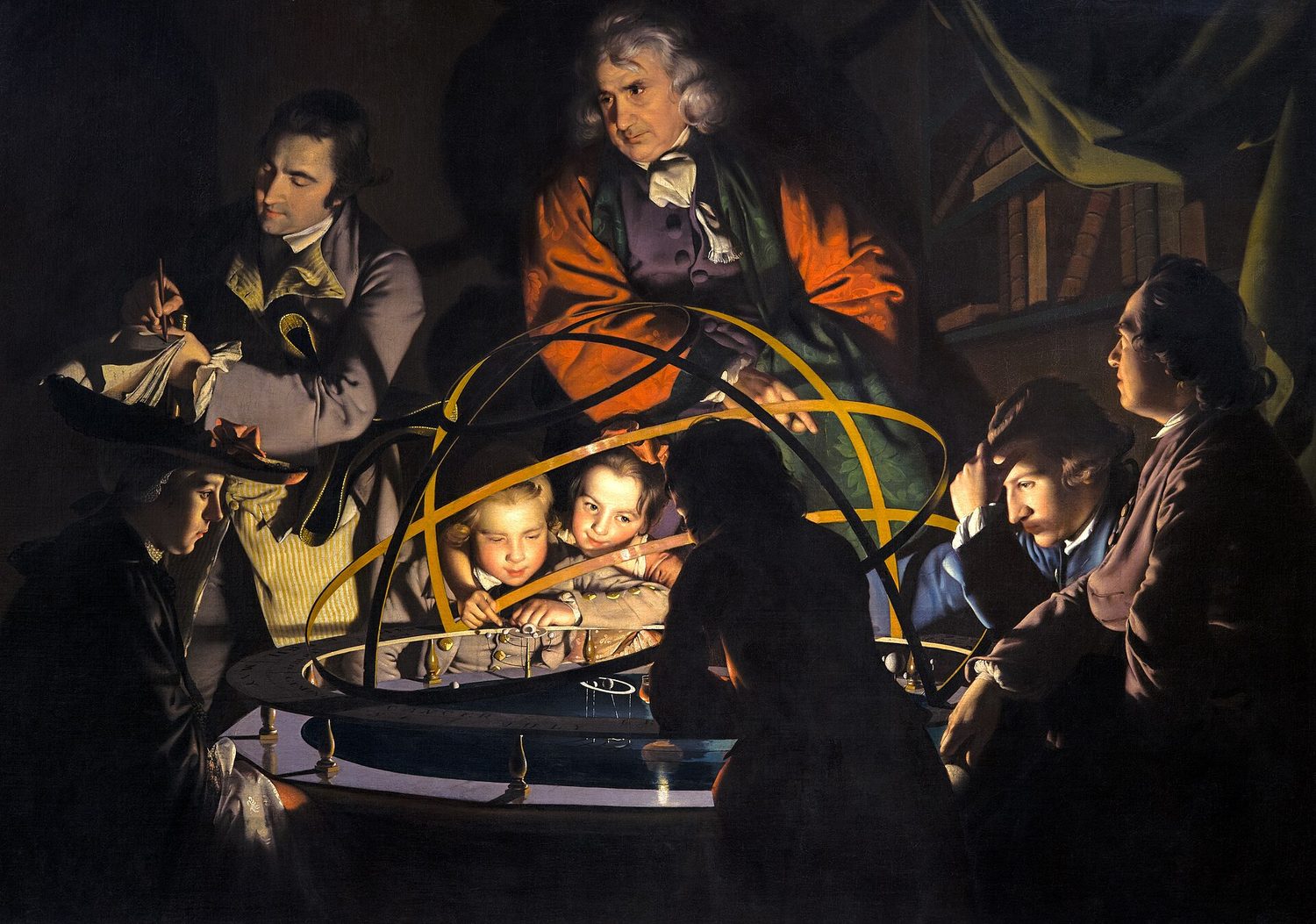
A candle-lit 18th-century painting where people gather around a model of the solar system, their faces glowing against a dark background
A Philosopher Lecturing on the Orrery ของ Joseph Wright: แสงซ่อนหนึ่งจุดตรงกลางสร้าง strong value contrast (chiaroscuro), ยกใบหน้าแต่ละใบออกจากความมืด
Vocabulary · ⁨คำศัพท์⁩ Train · ⁨ฝึกฝน⁩
English ไทย
value scale/ˈvæljuː skeɪl/ มาตราส่วนค่าความเข้มของสี
highlight/ˈhaɪlaɪt/ highlight
midtones/ˈmɪdtəʊnz/ โทนกลาง
core shadow/kɔː ˈʃædəʊ/ core shadow
reflected light/rɪˈflektɪd laɪt/ แสงสะท้อน (Reflected light)
cast shadow/kæst ˈʃædəʊ/ เงาตกกระทบ
Chiaroscuro/ˌtʃaɪərəˈskjʊərəʊ/ การตัดแสงและเงา (Chiaroscuro)
background/ˈbækɡraʊnd/ พื้นหลัง
Linear perspective/ˈlɪnɪə pəˈspektɪv/ มุมมองเชิงเส้น (Linear perspective)
vanishing point/ˈvænɪʃɪŋ pɔɪnt/ จุดหายไป
1.4

Color · ⁨สี⁩

Syllabus · ⁨หลักสูตร⁩
English

Focus: Colour is light reflected from a surface; it has three properties and follows the logic of the colour wheel.

  • Colour has three properties: hue (its name), value (light/dark), and saturation/intensity (dull to vivid).
  • Primary colours (red, yellow, blue) mix to make secondary (orange, green, violet) and tertiary colours.
  • Colour schemes: complementary, analogous, monochromatic, triadic, warm, and cool.
  • Warm colours (red, orange, yellow) advance and energise; cool colours (blue, green, violet) recede and calm.
  • Adding white makes a tint, black makes a shade, grey makes a tone.
  • Complementary colours placed side by side intensify each other; mixed together they dull (neutralise).
ไทย

จุดเน้น: สีคือแสงที่สะท้อนจากพื้นผิว; มีสามคุณสมบัติและสอดคล้องกับตรรกะของวงล้อสี

  • สีมีสามคุณสมบัติ: โทนสี (Hue) (ชื่อเรียก), ค่าความเข้ม/อ่อน (Value) (สว่าง/มืด), และ ความอิ่มตัว/ความเข้ม (Saturation/Intensity) (ทื่อไปจนถึงสดชื่น
  • สีปฐมภูมิ (แดง เหลือง น้ำเงิน) ผสมกันเกิดเป็น สีรอง (ส้ม เขียว ม่วง) และ สี terciario
  • แผนภาพสี: สีสันคู่ตรงข้าม, สีใกล้เคียง, สีเดียว, สามสี, สีอุ่น, และสีเย็น
  • สีอุ่น (แดง ส้ม เหลือง) ดึงดูดสายตาและสร้างความกระตือรือร้น; สีเย็น (น้ำเงิน เขียว ม่วง) ถอยหลังและสร้างความสงบ
  • การเพิ่มสีขาวทำให้เป็น โทนสว่าง (Tint), สีดำทำให้เป็น โทนเข้ม (Shade), เทาทำให้เป็น **โทนกลาง (Tone)
  • สีสันคู่ตรงข้ามวางข้างกันจะเสริมความเข้มให้กันเอง; ผสมกันจะลดความสด (เป็นกลาง)

Source: College Board AP Course and Exam Description · ⁨แหล่งที่มา: คำอธิบายหลักสูตรและข้อสอบ College Board AP⁩

English
The colour wheel and its schemes

Colour 色彩 is light reflected from a surface. It has three properties and follows the logic of the colour wheel 色轮.

  • Colour's three properties: hue 色相 (its name), value (light/dark), and saturation 饱和度 (dull to vivid).
  • Primary 三原色 (red, yellow, blue) mix to make secondary 间色 and tertiary colours.
  • Complementary 互补色 colours sit opposite on the wheel: placed side by side they intensify each other, but mixed together they neutralise 中和 into a dull grey-brown. Analogous 邻近色 colours sit next to each other and harmonise.
  • Warm 暖色 colours (red, orange, yellow) advance; cool 冷色 colours (blue, green, violet) recede. A tint adds white, a shade adds black.
ไทย
The colour wheel and its schemes

สี คือแสงที่สะท้อนออกจากพื้นผิว มีสามคุณสมบัติและเป็นไปตามตรรกะของ วงล้อสี

วงล้อสี: เฉดสีหลัก, เฉดรอง และเฉดที่สาม พร้อมครึ่งสีอุ่นและสีเย็น
สีหลักผสมกันเป็นเฉดรองและเฉดที่สาม; สีตรงข้ามจะอยู่ตรงข้ามกัน
  • สามคุณสมบัติของสี: เฉดสี (ชื่อเรียก), ค่าความสว่าง-มืด (light/dark) และ ความอิ่มตัว (จางจนสดใส)
  • สีหลัก (แดง เหลือง น้ำเงิน) ผสมกันเพื่อสร้าง สีรอง และ สีที่สาม
  • สีตรงข้าม อยู่ตรงข้ามกันในวงล้อ: เมื่อวางคู่กันจะเสริมกันให้สดขึ้น แต่เมื่อ ผสม กันจะเกิด ความเป็นกลาง เป็นสีเทา-น้ำตาลหม่น สีใกล้เคียง จะอยู่ติดกันและเข้ากันได้
  • สีอุ่น (แดง ส้ม เหลือง) ดูเด่นออกมาด้านหน้า; สีเย็น (น้ำเงิน เขียว ม่วง) ดูถอยหลัง โทนสว่าง เติมสีขาว, โทนเข้ม เติมสีดำ

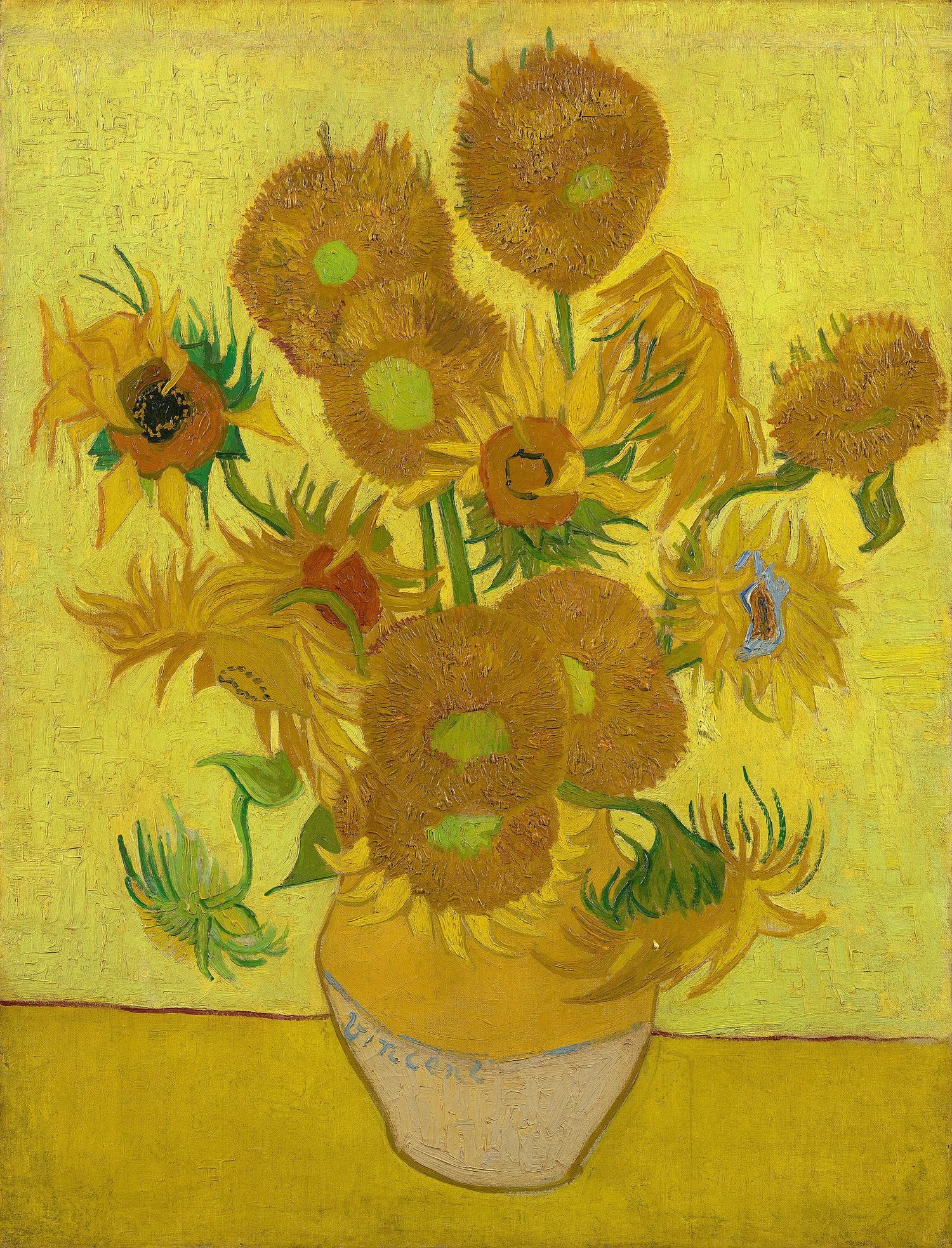
ภาพนิ่งของ Van Gogh ที่วาดแจกันดอกไม้ทานตะวัน 几乎所有的都用เหลืองและทอง shade *Sunflowers ของ Van Gogh สร้างจากโทนสีเหลืองและส้มอุ่นเกือบทั้งหมด ซึ่งเป็นสchemes สีใกล้เคียงที่ให้ความรู้สึกสว่างและเป็นหนึ่งเดียว

Explore · ⁨สำรวจ⁩

Warm or cool colour? · ⁨สีอุ่นหรือสีเย็น?⁩

Warm colours (red, orange, yellow) feel energetic and seem to advance; cool colours (blue, green, violet) feel calm and seem to recede. · ⁨สีอุ่น (แดง ส้ม เหลือง) ดูมีชีวิตชีวาและดู_advance; สีเย็น (น้ำเงิน เขียว ม่วง) ดูสงบและดู_recede⁩

Vocabulary · ⁨คำศัพท์⁩ Train · ⁨ฝึกฝน⁩
English ไทย
Colour/ˈkʌlə/ สี
colour wheel/ˈkʌlə wiːl/ วงล้อสี
hue/hjuː/ เฉดสี (Hue)
saturation/ˌsætʃəˈreɪʃn/ saturation
Primary/ˈpraɪməri/ ขั้นต้น
secondary/ˈsekəndəri/ ทุติยภูมิ
Complementary/ˌkɒmplɪˈmentəri/ สีคู่互补 (Complementary)
neutralise/ˈnjuːtrəlaɪz/ ทำให้เป็นกลาง
Analogous/əˈnæləɡəs/ สีใกล้เคียง (Analogous)
Warm/wɔːm/ อุ่น (Warm)
cool/kuːl/ เย็น (Cool)
1.5

Texture · ⁨เนื้อสัมผัส⁩

Syllabus · ⁨หลักสูตร⁩
English

Focus: Texture is the surface quality of a work — how it feels or how it appears to feel.

  • Actual (tactile) texture can be physically touched (thick paint, collage, rough paper).
  • Implied (visual) texture is the illusion of a surface, created with marks, value, and pattern.
  • Texture is built through mark-making: stippling, hatching, dry-brush, impasto, and frottage (rubbing).
  • Contrasting smooth and rough areas adds interest and can direct attention.
  • In photography and digital work, texture comes from light, focus, and surface detail.
ไทย

จุดเน้น: เนื้อสัมผัสคือคุณภาพของพื้นผิวงานศิลปะ — ทั้งความรู้สึกเมื่อสัมผัสและลักษณะที่ดูเหมือนสัมผัสได้

  • เนื้อสัมผัสจริง (Actual/Tactile) สามารถสัมผัสได้ด้วยกาย (สีหนา คอลลาจ กระดาษหยาบ)
  • เนื้อสัมผัสทางสายตา (Implied/Visual) คือภาพลวงตาของพื้นผิว ซึ่งสร้างขึ้นด้วยเส้นขีดเขียน ค่าความเข้ม/อ่อน และลวดลาย
  • เนื้อสัมผัสสร้างขึ้นจากการขีดเขียน: จุด (Stippling), เส้นขนาน (Hatching), แปรงแห้ง (Dry-brush), สีหนา (Impasto), และการถู (Frottage/Rubbing)
  • การเปรียบเทียบพื้นผิวเรียบและหยาบเพิ่มความน่าสนใจและสามารถนำสายตาไปยังจุดที่ต้องการ
  • ใน摄影และงานดิจิทัล เนื้อสัมผัสมาจากแสง ความชัด และรายละเอียดของพื้นผิว

Source: College Board AP Course and Exam Description · ⁨แหล่งที่มา: คำอธิบายหลักสูตรและข้อสอบ College Board AP⁩

English

Texture 肌理 is the surface quality of a work — how it feels, or how it appears to feel.

  • Actual (tactile) texture 实际肌理 can be physically touched (thick paint, collage, rough paper).
  • Implied (visual) texture 视觉肌理 is the illusion of a surface, made with marks, value, and pattern.
  • Techniques include stippling, hatching, impasto 厚涂 (thick paint), and dry-brush. Contrasting smooth and rough areas adds interest and can direct the eye.
ไทย

เนื้อสัมผัส คือคุณภาพของพื้นผิวงานศิลปะ — ทั้งความรู้สึกจริงหรือการมองเห็นว่าดูรู้สึกอย่างไร

  • เนื้อสัมผัสจริง (สัมผัสได้) สามารถสัมผัสได้ด้วยกาย (สีหนา, คอลลาจ, กระดาษหยาบ)
  • เนื้อสัมผัสทางสายตา (imaginary texture) คือภาพลวงตาของพื้นผิว สร้างขึ้นด้วยรอยขีดเขียน ค่าความสว่าง/มืด และลวดลาย
  • เทคนิครวมถึงจุด (stippling), เส้นขนาน (hatching), impasto (สีหนา) และแปรงแห้ง การตัดกันระหว่างพื้นที่เรียบและหยาบเพิ่ม interest และสามารถนำสายตาได้

ภาพ close-up เดนิมทอ: เนื้อสัมผัสคือคุณภาพพื้นผิวที่คุณเห็นหรือสัมผัสได้ — จริงหรือทางสายตา *ภาพ close-up เดนิมทอ: เนื้อสัมผัสคือคุณภาพพื้นผิวที่คุณเห็นหรือสัมผัสได้ — จริงหรือทางสายตา

Vocabulary · ⁨คำศัพท์⁩ Train · ⁨ฝึกฝน⁩
English ไทย
impasto/ɪmˈpæstəʊ/ อิมพา스토 (Impasto)
Space/speɪs/ พื้นที่ (Space)
overlapping/ˌəʊvəˈlæpɪŋ/ การซ้อนทับ
foreground/ˈfɔːɡraʊnd/ ฉากหน้า
middle ground/ˈmɪdl ɡraʊnd/ พื้นที่กลาง
1.6

Space · ⁨พื้นที่⁩

Syllabus · ⁨หลักสูตร⁩
English

Focus: Space is the area within, around, and between the parts of a work, including the illusion of depth.

  • Positive space is filled by the subject; negative space is the empty area around it.
  • Artists create the illusion of depth with overlapping, size, placement, and detail.
  • Linear perspective uses a horizon line and vanishing point(s) so parallel lines converge.
  • Atmospheric (aerial) perspective makes distant objects paler, bluer, and less detailed.
  • Foreground, middle ground, and background organise a scene from near to far.
  • The format and cropping of the picture plane shape how space is read.
ไทย

จุดเน้น: พื้นที่คือพื้นที่ภายใน รอบๆ และระหว่างส่วนต่างๆ ของงาน รวมถึงภาพลวงตาของความลึก

  • พื้นที่บวก ถูกเติมเต็มโดยวัตถุ; พื้นที่ลบ คือพื้นที่ว่างรอบๆ วัตถุ
  • นักวาดภาพสร้างภาพลวงตาของ ความลึก ผ่านการซ้อนทับ ขนาด ตำแหน่ง และความละเอียด
  • มุมมองเชิงเส้น (Linear Perspective) ใช้เส้นแนวนอนและจุดรวมสายตาเพื่อให้เส้นขนานบรรจบกัน
  • มุมมองทางอากาศ (Atmospheric/Aerial Perspective) ทำให้วัตถุที่อยู่ไกลดูจางลง ฟ้าขึ้น และมีรายละเอียดน้อยลง
  • ฉากหน้า ฉากกลาง และฉากหลัง จัดลำดับฉากจากใกล้ไปไกล
  • กรอบภาพ (Format) และการ ตัดต่อ (Cropping) ของระนาบภาพกำหนดวิธีการอ่านพื้นที่

Source: College Board AP Course and Exam Description · ⁨แหล่งที่มา: คำอธิบายหลักสูตรและข้อสอบ College Board AP⁩

English
Atmospheric perspective
One-point perspective

Space 空间 is the area within, around, and between the parts of a work, including the illusion of depth on a flat surface.

  • Positive space is filled by the subject; negative space is the empty area around it.
  • Depth is created with overlapping 重叠, size, placement, and detail.
  • A scene organises into three depth planes: foreground 前景 (nearest), middle ground 中景, and background 背景 (farthest). The nearest plane usually carries the most detail and contrast, the farthest the least.
  • Linear perspective 线性透视 uses a horizon line and vanishing point 灭点 so parallel lines converge; atmospheric perspective 空气透视 makes distant things paler, bluer, and less detailed.
  • The format and cropping of the picture plane shape how the space is read.

Worked example (applying the concept). Asked to describe how line creates meaning in a portrait, a strong answer names the element, its quality, and its effect: "The artist uses thick, jagged diagonal lines in the background, and their restless, active direction makes the calm horizontal lines of the sitter's shoulders feel even more still." Naming the element and linking it to a feeling is what portfolio written evidence and analysis questions both reward.

ไทย

*มุมมองเชิงบรรยากาศ

*มุมมองเชิงเส้นแบบจุดเดียว

พื้นที่ คือพื้นที่ภายใน รอบๆ และระหว่างส่วนต่างๆ ของงาน รวมถึงภาพลวงตาของความลึกบนพื้นผิวแบน

  • พื้นที่บวก ถูกเติมเต็มโดยวัตถุ; พื้นที่ลบ คือพื้นที่ว่างรอบๆ วัตถุ
  • มิติความลึกสร้างได้จาก การซ้อนทับ, ขนาด, ตำแหน่ง placement, และความละเอียด
  • ฉากถูกจัดเรียงเป็นสามระนาบความลึก: ฉากหน้า (ใกล้ที่สุด), ฉากกลาง, และ ฉากหลัง (ไกลที่สุด) ระนาบที่ใกล้ที่สุดมักมีรายละเอียดและความขัดแย้งมากที่สุด ส่วนไกลที่สุดมีน้อยที่สุด
  • มุมมองเชิงเส้น ใช้เส้นขอบฟ้าและ จุดหายไป เพื่อให้เส้นขนานรวมกัน; มุมมองเชิงบรรยากาศ ทำให้สิ่งของ远处的จางลง azul และไม่มีรายละเอียดเท่าเดิม
  • format และการ ตัดกรอบ ของระนาบภาพกำหนดวิธีการอ่านพื้นที่

ตัวอย่างทำข้อสอบ (การประยุกต์ใช้แนวคิด). เมื่อถูกถามให้บรรยายว่า เส้น สร้างความหมายในภาพบุคคลได้อย่างไร คำตอบที่ดีจะระบุองค์ประกอบ คุณภาพ และผลกระทบ: "ศิลปินใช้เส้นทแยงมุมขรุขระหนาในฉากหลัง และทิศทางที่วุ่นวายกระตือรือร้นทำให้เส้นแนวนอนสงบนิ่งของไหล่ผู้ถูกวาดดูนิ่งสงบยิ่งขึ้น" การระบุองค์ประกอบ และ เชื่อมโยงกับความรู้สึกคือสิ่งที่ใบสมัครและคำถามวิเคราะห์ต้องการ

Vocabulary · ⁨คำศัพท์⁩ Train · ⁨ฝึกฝน⁩
English ไทย
atmospheric perspective/ˌætməsˈferɪk pəˈspektɪv/ atmospheric perspective
1.6

Exam tips · ⁨ข้อแนะนำสำหรับการสอบ⁩

English
  • Name the element precisely — line, shape or form, value, colour, texture, space — in any analysis.
  • Justify how form is modelled with a value scale and a single light source.
  • Read the colour wheel: identify complementary versus analogous schemes and warm or cool temperature.
  • Separate shape (2-D) from form (3-D) and actual from implied texture.
  • Explain depth with overlap, size, linear perspective, and atmospheric perspective.
ไทย
  • ระบุ องค์ประกอบ ให้ชัดเจน — เส้น, รูปทรงหรือรูปร่าง, ค่าความสว่าง-มืด, สี, เนื้อสัมผัส, พื้นที่ — ใน任何การวิเคราะห์
  • อธิบายว่า รูปทรง ถูกสร้างด้วย สเกลค่าความสว่าง-มืด และแหล่งกำเนิดแสงเดียว
  • อ่าน วงล้อสี: ระบุ สีตรงข้าม เทียบกับ สchemes สีใกล้เคียง และความอบอุ่นหรือความเย็นของอุณหภูมิสี
  • แยกแยะ รูปทรง (2-D) ออกจาก รูปทรง (3-D) และ เนื้อสัมผัสจริง ออกจาก เนื้อสัมผัสทางสายตา
  • อธิบายความลึกด้วย การทับซ้อน, ขนาด, มุมมองเชิงเส้น และ มุมมองเชิงบรรยากาศ

Interactive lessons on this topic · ⁨บทเรียนเชิงโต้ตอบสำหรับหัวข้อนี้⁩

Work through it step by step, with instant-check exercises. · ⁨ทำทีละขั้นตอน พร้อมแบบฝึกหัดตรวจสอบผลทันที⁩

More topics in AP 2-D Art and Design · ⁨AP ศิลปะและออกแบบ 2 มิติ⁩ · ⁨หัวข้อเพิ่มเติมใน AP 2-D Art and Design · ⁨AP ศิลปะและออกแบบ 2 มิติ⁩⁩

Log in or create account · ⁨เข้าสู่ระบบหรือสร้างบัญชี⁩

IGCSE, A-Level & AP