Skip to content · ⁨דלג לתוכן⁩

Principles of Design

AP 2-D Art and Design · ⁨AP אמנות ועיצוב 2-D⁩ · Topic 2 · ⁨נושא 2⁩

Video lesson for this topic · ⁨שיעור וידאו לנושא זה⁩ Open the video page · ⁨פתח את עמוד הוידאו⁩
7:20

עקרונות העיצוב

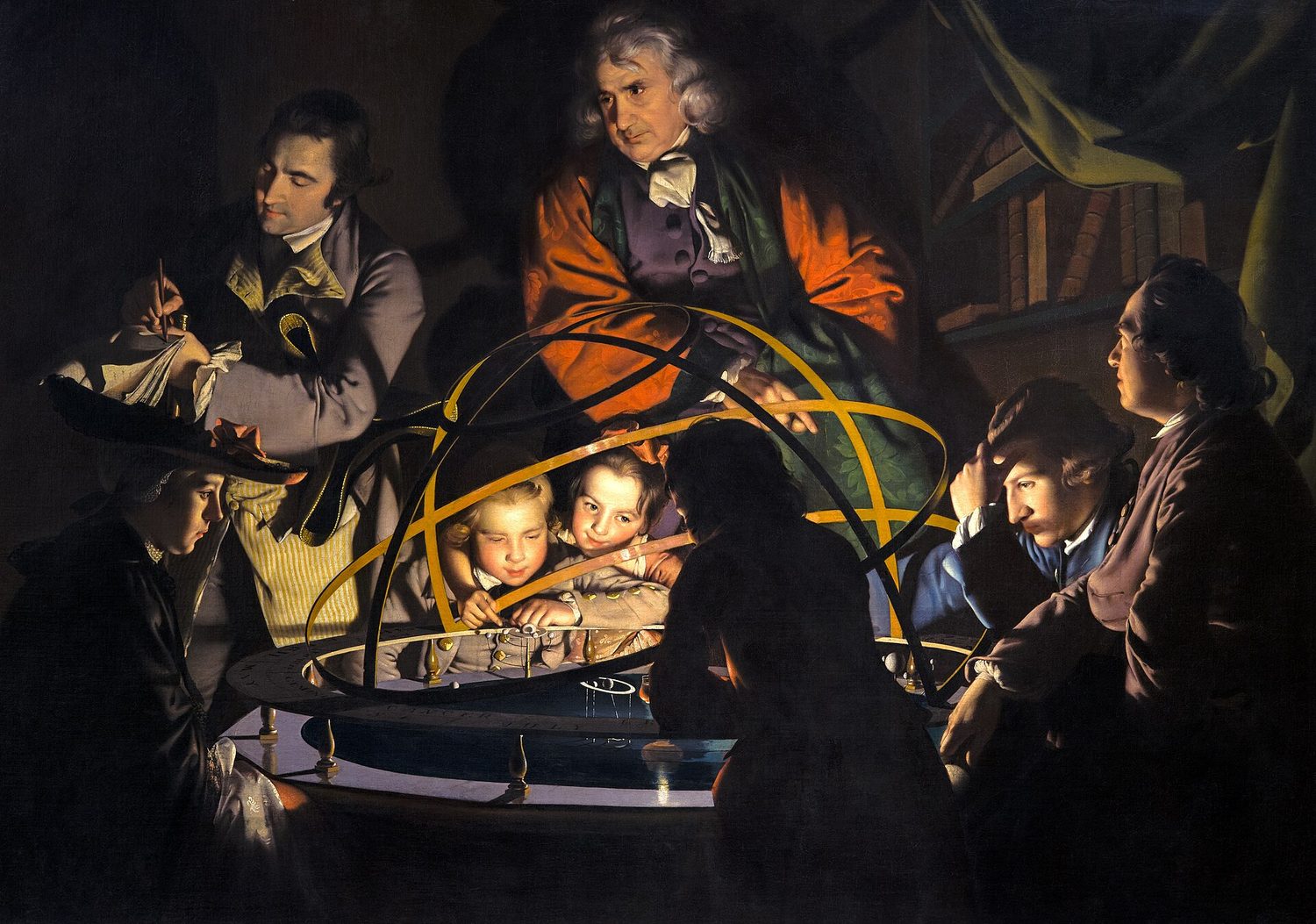
הסתכל על ציור זה למשך שלוש שניות. איפה עיניך נסחרו קודם? כמעט כולם מסתכלים על אותו מקום — שני הפנים בהירות במרכז. זה היה…

English narration · English + 中文 subtitles burned in · ⁨קריאת קול באנגלית · תרגום אנגלי + סינית שרוף בתוך הסרטון⁩

2.1

Balance · ⁨איזון⁩

Syllabus · ⁨סיילבוס⁩
English

Focus: Balance is the visual distribution of weight in a composition so it feels stable.

  • Symmetrical (formal) balance mirrors both sides of a central axis — calm and orderly.
  • Asymmetrical (informal) balance uses different elements of equal visual weight — dynamic and lively.
  • Radial balance arranges elements around a central point.
  • Visual weight is affected by size, colour, value, texture, and position.
  • A large, dull shape can balance a small, bright one on the other side.
עברית

הדגשה: איזון הוא החלוקה הוויזואלית של משקל ברקע הציור כך שזה מרגיע יציב.

  • איזון סימטרי (רשמי) מחקה את שני צדי ציר מרכזי – רגוע ומסודר.
  • איזון לא-סימטרי (בלתי רשמי) משתמש באלמנטים שונים בעל משקל ויזואלי שווה – דינמי וחיוני.
  • איזון רדיאלי סדר אלמנטים סביב נקודה מרכזית.
  • המשקל הוויזואלי מושפע מגודל, צבע, ערך, טקסטורה ומיקום.
  • צורה גדולה וכבדה יכולה לאזן צורה קטנה ובהירה מצדו.
Source: College Board AP Course and Exam Description · ⁨מקור: תיאור הקורס והמבחן של College Board AP⁩

English
Balance: symmetrical, asymmetrical, radial

The principles of design 设计原则 are the "rules" for arranging the elements of art. The first is balance 平衡 — the visual distribution of weight so a work feels stable.

  • Symmetrical (formal) balance 对称平衡 mirrors both sides of a central axis — calm and orderly.
  • Asymmetrical (informal) balance 非对称平衡 uses different elements of equal visual weight 视觉重量 — dynamic and lively.
  • Radial balance 辐射平衡 arranges elements around a central point.

Visual weight is affected by size, colour, value, and position: a small bright shape can balance a large dull one.

עברית
איזון: סימטרי, לא-סימטרי, רדיאלי

עקרונות העיצוב הם ה"חוקים" לסידור אלמנטים של אמנות. הראשון הוא איזון — החלוקה הוויזואלית של משקל כדי שהיצירה תרגיש יציבה.

שלושה סוגי איזון: סימטרי, לא-סימטרי ורדיאלי
איזון סימטרי משקף ציר מרכזי; איזון לא-סימטרי מאזן אלמנטים שונים; איזון רדיאלי קורן ממרכז
  • איזון סימטרי (רשמי) משקף את שני צדיו של ציר מרכזי — שקט ומסודר.
  • איזון לא-סימטרי (לא רשמי) משתמש באלמנטים שונים בעלי משקל ויזואלי שווה — דינמי וחיוני.
  • איזון רדיאלי מסדר אלמנטים סביב נקודה מרכזית.

משקל ויזואלי מושפע מגודל, צבע, ערך והיקום: צורה קטנה בהירה יכולה לאזן צורה גדולה כהה.

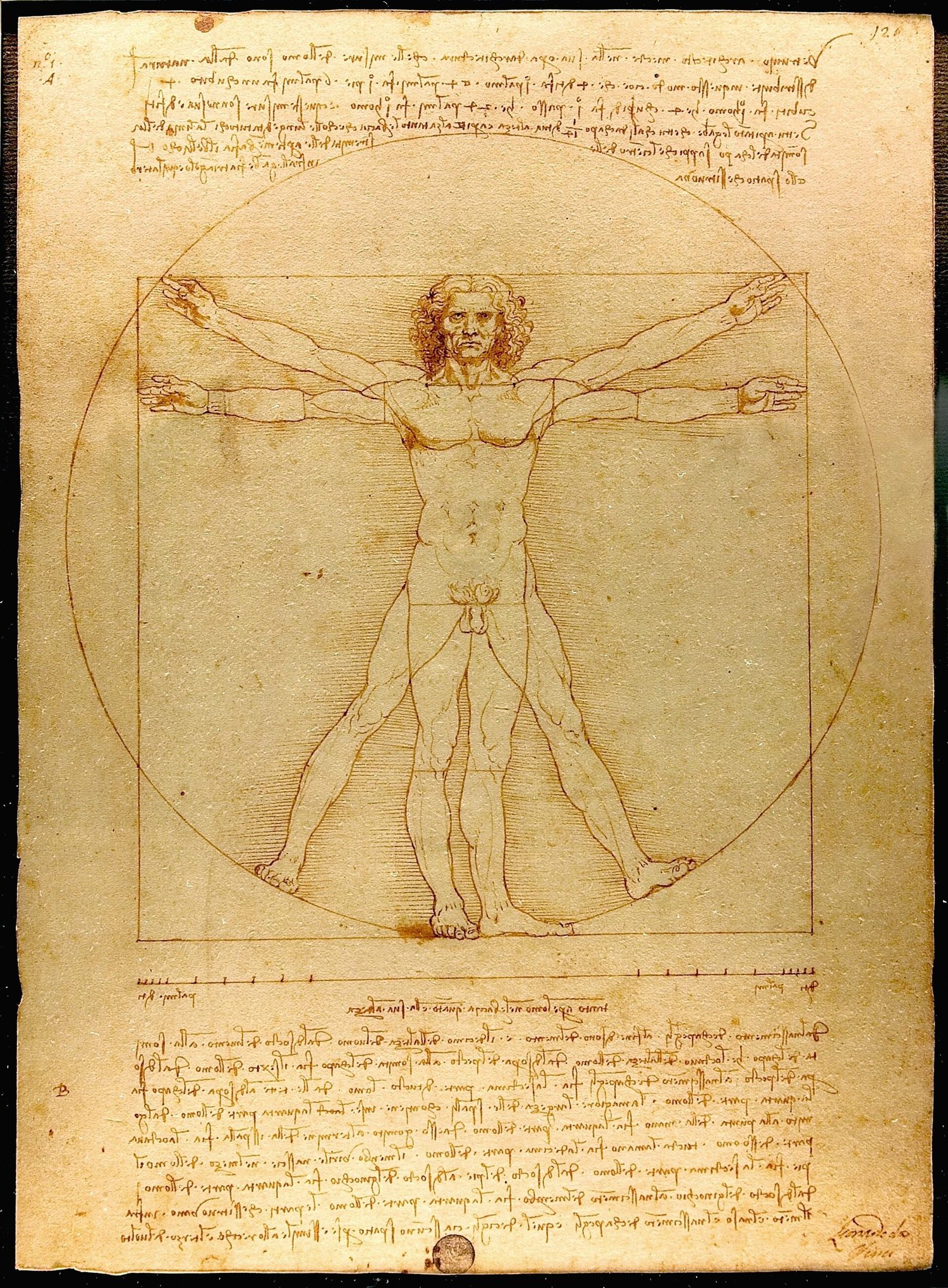
ציור דיו של להונרדו די וינקו של אדם עם זרועות ורגליים פרושות, מותאם גם לעיגול וגם לריבוע
האדם הוויטרובי של לאוורדו: הדמות מצוירת עם סימטרי כמעט מושלם סביב ציר אנכי מרכזי, והמעגל המקיף מעניק לה גם איזון רדיאלי

ההרכב מאזן בין אור, מסה ועניין בכל רחבי משטח התמונה *ההרכב מאזן אור, מסה ועניין על פני המישור התמונה

Explore · ⁨חקור⁩

Which kind of balance? · ⁨איזה סוג של איזון?⁩

Symmetrical balance mirrors a central axis; asymmetrical balance weighs different elements of equal visual weight; radial balance radiates from a centre. · ⁨איזון סימטרי משקף ציר מרכזי; איזון א-סימטרי מאזן אלמנטים שונים בעלי משקל ויזואלי שווה; איזון רדיאלי נפץ ממרכז.⁩

Vocabulary · ⁨מילון מונחים⁩ Train · ⁨אימון⁩
English עברית
principles of design/ˈprɪnsɪplz ɒv dɪˈzaɪn/ עקרונות עיצוב
balance/ˈbæləns/ יתרה
Symmetrical (formal) balance/sɪˈmetrɪkl ˈbæləns/ איזון סימטרי (פורמלי)
Asymmetrical (informal) balance/ˌeɪsɪˈmetrɪkl ˈbæləns/ איזון לא-סימטרי (לא פורמלי)
visual weight/ˈvɪʒuːəl weɪt/ משקל ויזואלי
Radial balance/ˈreɪdɪəl ˈbæləns/ איזון רדיאלי
Emphasis/ˈemfəsɪs/ הדגשה
focal point/ˈfəʊkl pɔɪnt/ נקודת מיקוד
Subordination/ˌsʌbɔːdɪˈneɪʃn/ היפוקלזה
Contrast/ˈkɒntræst/ ניגוד
visual hierarchy/ˈvɪʒuːəl ˈhaɪərɑːki/ היררכיה ויזואלית
2.2

Emphasis and Focal Point · ⁨דגש ונקודת מוקד⁩

Syllabus · ⁨סיילבוס⁩
English

Focus: Emphasis makes one part of a work stand out as the centre of interest (the focal point).

  • A focal point is where the eye is drawn first; emphasis creates it.
  • Emphasis is built through contrast — of size, colour, value, isolation, or placement.
  • Convergence (lines that point) and the rule of thirds help locate a strong focal point.
  • Subordination keeps other areas quieter so the focal point leads.
  • A work may have one dominant focal point and smaller secondary accents.
עברית

הדגשה: הדגשה גורמת לחלק אחד מהיצירה לבלוט כמרכז העניין (נקודת המיקוד).

  • נקודת מיקוד היא המקום שאליו העין נמשכת תחילה; הדגשה יוצרת אותה.
  • הדגשה נבנית דרך ניגוד — של גודל, צבע, ערך, בידוד או מיקום.
  • התכנסות (קווים המצביעים) ו-חוק השלישיות עוזרים למקם נקודת מיקוד חזקה.
  • התיכפות שומרת שאר האזורים שקטים כדי שהנקודה המרכזית תוביל.
  • יצירה עשויה להיות בעלת נקודת מיקוד דומיננטית אחת ותוספות משניות קטנות יותר.

Source: College Board AP Course and Exam Description · ⁨מקור: תיאור הקורס והמבחן של College Board AP⁩

English

Emphasis 强调 makes one part of a work stand out as the centre of interest — the focal point 视觉焦点, where the eye is drawn first.

  • Emphasis is created through contrast — of size, colour, value, isolation, or placement.
  • Leading lines and the rule of thirds help place a strong focal point.
  • Subordination 从属 keeps other areas quieter so the focal point leads.
עברית

דגש גורם לחלק אחד מהיצירה הבולט כמרכז העניין — נקודת המוקד, שם העין נמשכת תחילה.

  • דגש נוצר באמצעות ניגוד — בגודל, צבע, ערך, בידוד או מיקום.
  • קווים מנחים וכלל השלישיות עוזרים למקם נקודת מוקד חזקה.
  • התיכפות שומרת שאר האזורים שקטים כדי שהנקודה המרכזית תוביל.
2.3

Contrast · ⁨ניגוד⁩

Syllabus · ⁨סיילבוס⁩
English

Focus: Contrast is the difference between elements — it creates energy, variety, and readability.

  • Contrast can be of value (light/dark), colour (complementary), shape, texture, or size.
  • Strong contrast attracts attention and defines a focal point.
  • Low contrast unifies a work and can feel calm, subtle, or moody.
  • Contrast in direction (horizontal vs diagonal) adds movement.
  • In graphic design, value and size contrast create clear visual hierarchy.
עברית

מיקוד: ניגוד הוא ההבדל בין אלמנטים — הוא יוצר אנרגיה, מגוון וקריאות.

  • ניגוד יכול להיות של ערך (בהיר/כהה), צבע (משלים), צורה, מרקם או גודל.
  • ניגוד חזק מושך תשומת לב ומגדיר נקודת מוקד.
  • ניגוד נמוך מאחד את היצירה ועלול להירגע רגוע, עדין או ססגוני.
  • ניגוד ב-כיוון (אופקי מול אלכסוני) מוסיף תנועה.
  • בעיצוב גרפי, ניגוד ערך וגודל יוצרים היררכיה ויזואלית ברורה.

Source: College Board AP Course and Exam Description · ⁨מקור: תיאור הקורס והמבחן של College Board AP⁩

English

Contrast 对比 is the difference between elements — it creates energy, variety, and readability.

  • Contrast can be of value (light/dark), colour (complementary), shape, texture, or size.
  • Strong contrast attracts attention and defines a focal point; low contrast unifies and calms.
  • In design, value and size contrast create clear visual hierarchy 视觉层次.
עברית

ניגוד הוא ההבדל בין אלמנטים — הוא יוצר אנרגיה, מגוון וקריאות.

  • ניגוד יכול להיות בעל ערך (בהיר/כהה), צבעוני (משלים), צורה, מרקם או גודל.
  • ניגוד חזק מושך תשומת לב ומגדיר נקודת מיקוד; ניגוד נמוך מאחד ורגוע.
  • בעיצוב, ניגוד ערך וגודל יוצרים היררכיה ויזואלית ברורה.
2.4

Movement and Rhythm · ⁨תנועה וקצב⁩

Syllabus · ⁨סיילבוס⁩
English

Focus: Movement leads the viewer's eye through a work; rhythm is the repetition that creates a visual beat.

  • Movement is the path the eye takes, guided by line, edges, colour, and placement.
  • Rhythm is created by repeating elements with regular or varied spacing.
  • Types of rhythm: regular (even), flowing (curving), progressive (gradual change), and random.
  • Directional forces (leading lines, gazes, gestures) create implied motion.
  • Repetition with variation keeps rhythm interesting rather than monotonous.
עברית

מיקוד: תנועה מובילה את עיני הצופה דרך היצירה; קצב הוא החזרה היוצרת פעימה ויזואלית.

  • תנועה היא הדרך שהעין עוברת, המונחת על ידי קו, קצוות, צבע ומיקום.
  • קצב נוצר על ידי חזרת אלמנטים עם מרווחים קבועים או משתנים.
  • סוגי קצב: קבוע (שווה), זורם (מעוגל), הדרגתי (שינוי מדורג) ואקראי.
  • כוחות כיווניים (קווים מנחים, מבטים, מחוות) יוצרים תנועה משוער.
  • חזרה עם משנה תוכן שומרת על הקצב מעניין ולא מכמם.

Source: College Board AP Course and Exam Description · ⁨מקור: תיאור הקורס והמבחן של College Board AP⁩

English

Movement 动感 leads the viewer's eye through a work; rhythm 节奏 is the repetition that creates a visual "beat".

  • Movement is the path the eye takes, guided by line, edges, colour, and placement.
  • Rhythm types: regular (even), flowing (curving), progressive 渐进 (gradual change), and random.
  • Repetition with variation keeps rhythm interesting rather than monotonous.
עברית

תנועה מנחה את עיניו של הצופה דרך היצירה; קצב הוא החזרה היוצרת "טאקט" ויזואלי.

  • תנועה היא הדרך שהעין עוברת, המונחית על ידי קו, קצוות, צבע ומיקום.
  • סוגי קצב: סדיר (שווה), זורם (מתעקם), הדרגתי (שינוי הדרגתי) ואקראי.
  • חזרה עם משנה תוכן שומרת על הקצב מעניין ולא מכמם.
ציור של ואן גוג' של שמי לילה מלאים בספירלות אור גדולות ומסתובבות מעל כפר שקט
"הלילה הכוכבי" של ואן גוג': מחוטים מסתובבים מנחים את העין בשמי הלילה (תנועה), והתלתולים החוזרים מעניקים לה קצב גלי
Vocabulary · ⁨מילון מונחים⁩ Train · ⁨אימון⁩
English עברית
Movement/ˈmuːvmənt/ תנועה
rhythm/ˈrɪðəm/ קצב
progressive/prəˈɡresɪv/ הדרגתי
2.5

Pattern and Repetition · ⁨תבנית וחזרה⁩

Syllabus · ⁨סיילבוס⁩
English

Focus: Repetition reuses an element; pattern is the repeated element arranged in a predictable way.

  • Repetition of shape, colour, or line builds unity and rhythm.
  • A pattern is a repeated motif — regular (grid, tessellation) or irregular.
  • Patterns can fill a shape, define a texture, or become the subject itself.
  • Motif is the single unit that repeats; changing scale or colour varies the pattern.
  • Too much repetition can feel monotonous; variation keeps it engaging.
עברית

מיקוד: חזרה משתמשת שוב באלמנט; תבנית היא האלמנט החוזר המסודר בצורה נגישה.

  • חזרה של צורה, צבע או קו בונה איחוד וקצב.
  • תבנית היא מוטיב חוזר — קבוע (רשת, טסלהציה) או לא קבוע.
  • דפוסים יכולים למלא צורה, להגדיר מרקם או להיות הנושא עצמו.
  • מוטיב הוא היחידה הבודדת החוזרת; שינוי בקנה מידה או בצבע משנה את הדפוס.
  • חזרה יתר עשויה לגרום לשיעמום; השוואות שומרות על העניין.

Source: College Board AP Course and Exam Description · ⁨מקור: תיאור הקורס והמבחן של College Board AP⁩

English

Repetition 重复 reuses an element; a pattern 图案 is the repeated element arranged in a predictable way.

  • Repetition of shape, colour, or line builds unity and rhythm.
  • A pattern is a repeated motif 母题 — regular (a grid or tessellation) or irregular.
  • Too much repetition feels monotonous; changing scale or colour adds variety.
עברית

חזרה משתמשת שוב באלמנט; תבנית היא האלמנט החוזר המסודר בצורה מתוחזקת.

  • חזרה של צורה, צבע או קו בונה אחידות וקצב.
  • תבנית היא מוטיב חוזר — סדיר (רשת או טסלציה) או לא סדיר.
  • חזרה מוגזמת מרגישה מכממת; שינוי בקנה מידה או צבע מוסיף מגוון.
בד בעל דפוס של ציפורים כחולות בתוך תותים אדומים ועלים ירוקים, אותו מוטיב חוזר על עצמו לאורכו
"הדיילן על התותים" של ויליאם מוריς: מוטיב אחד של ציפורים בתוך תותים חוזר בתבנית סדירה לאורך כל הבד
Vocabulary · ⁨מילון מונחים⁩ Train · ⁨אימון⁩
English עברית
Repetition/ˌrepəˈtɪʃn/ חזרה
pattern/ˈpætn/ תבנית
motif/məʊˈtiːf/ מוטיב
Proportion/prəˈpɔːʃn/ יחס
scale/skeɪl/ קנה מידה
Hierarchical scale/haɪəˈrɑːkɪkl skeɪl/ סולם היררכי
golden ratio/ˈɡəʊldn ˈreɪʃɪəʊ/ יחס הזהב
Unity/ˈjuːnɪti/ איחוד
variety/vəˈraɪəti/ מגוון
proximity/prɒkˈsɪmɪti/ קרבה / קרובות
continuity/kɒntɪˈnjuːɪti/ רצף
Harmony/ˈhɑːməni/ הarmony
2.6

Proportion and Scale · ⁨פרופורציה וקנה מידה⁩

Syllabus · ⁨סיילבוס⁩
English

Focus: Proportion is the size relationship between parts; scale is the size of the work or an element relative to something else.

  • Proportion compares the sizes of parts within a work (e.g. head to body).
  • Scale compares an element to the whole, to the human body, or to the real world.
  • Hierarchical scale makes the most important element largest.
  • Exaggerated or distorted proportion can express emotion or draw attention.
  • The golden ratio and canon of proportions are historic guides to pleasing relationships.
עברית

מיקוד: פרופורציה היא הקשר הגודל בין חלקים; קנה מידה הוא גודלו של העבודה או של אלמנט ביחס לדבר אחר.

  • פרופורציה משווה גדלים של חלקים בתוך יצירה (למשל, ראש לעולם).
  • קנה מידה משווה אלמנט לכלל, לעולם האנושי או לעולם האמיתי.
  • קנה מידה היררכי הופך את האלמנט החשוב ביותר לגדול ביותר.
  • פרופורציה מצויה או מעוותת יכולה לבטא רגש או למשוך תשומת לב.
  • היחס הזהב והקאנון של הפרופורציות הם מדריכים היסטוריים ליצירת קשרים נעימים.

Source: College Board AP Course and Exam Description · ⁨מקור: תיאור הקורס והמבחן של College Board AP⁩

English

Proportion 比例 is the size relationship between parts; scale 尺度 is the size of an element relative to something else.

  • Proportion compares the sizes of parts within a work (head to body).
  • Hierarchical scale 等级比例 makes the most important element the largest.
  • Exaggerated or distorted proportion can express emotion or draw attention. The golden ratio 黄金比例 is a historic guide to pleasing proportions.
עברית

פרופורציה היא יחס הגודל בין חלקים; קנה מידה הוא גודלו של אלמנט ביחס למשהו אחר.

כלי עיצוב: חוק השלישיות ומדד היררכי
חוק השלישיות ממוקם אלמנטים מרכזיים על קווי השלישית; סולם היררכי הופך את האלמנט החשוב לגדול ביותר
  • פרופורציה משווה בין גדלים של חלקים בתוך יצירה (ראש לגוף).
  • קנה מידה היררכי הופך את האלמנט החשוב ביותר לגדול ביותר.
  • פרופורציה מוגזמת או מעוותת יכולה לבטא רגש או למשוך תשומת לב. היחס הזהב הוא מדריך היסטורי לפרופורציות נעימות.
Vocabulary · ⁨מילון מונחים⁩ Train · ⁨אימון⁩
English עברית
Composition/ˌkɒmpəˈzɪʃn/ הרכבה
picture plane/ˈpɪktʃə pleɪn/ מישור התמונה
format/ˈfɔːmæt/ פורמט
rule of thirds/ruːl ɒv θɜːdz/ חוק השלישים
Cropping/ˈkrɒpɪŋ/ גזירה
2.7

Unity and Variety · ⁨אחידות ומגוון⁩

Syllabus · ⁨סיילבוס⁩
English

Focus: Unity holds a work together as a whole; variety adds interest so it is not dull. Good design balances the two.

  • Unity is a sense that all parts belong together (through repetition, proximity, and a limited palette).
  • Variety is difference that adds interest and prevents monotony.
  • Harmony comes from elements that are similar; tension from those that differ.
  • Proximity (grouping) and continuity (alignment) strengthen unity.
  • The best works achieve unity with variety — order that still surprises.
עברית

מיקוד: איחוד מחזיק את היצירה ככלל מאוחד; מגוון מוסיף עניין כדי שהיצירה לא תהיה משעממת. עיצוב טוב מאזן בין שניהם.

  • איחוד הוא תחושה שכל החלקים שייכים יחד (באמצעות חזרה, קרבה ופלטת צבעים מוגבלת).
  • מגוון הוא הבדל המוסיף עניין ומונע שעמום.
  • הרמוניה נובעת מאלמנטים דומים; מתח נובע מאלמנטים הנבדלים זה מזה.
  • קרבה (קבוצתית) ורציפות (יישור) מחזקים את האיחוד.
  • היצירות הטובות ביותר מגיעות לאחידות עם מגוון — סדר שמפתיע.

Source: College Board AP Course and Exam Description · ⁨מקור: תיאור הקורס והמבחן של College Board AP⁩

English

Unity 统一 holds a work together as a whole; variety 变化 adds interest so it is not dull. Good design balances the two.

  • Unity comes from repetition, proximity 邻近 (grouping), continuity 连续性 (aligning elements along a line or edge so they read as one group), and a limited palette.
  • Variety is difference that prevents monotony. Harmony 和谐 comes from similar elements.
  • The best works achieve unity with variety — order that still surprises.
עברית

אחידות מחברת יצירה ככלל; מגוון מוסיף עניין כדי שלא תהיה שעמומה. עיצוב טוב מאזן בין שניהם.

  • אחידות נובעת מהכפלה, קרבה (קבוצות), רציפות (יישור אלמנטים לאורך קו או קצה כך שייוקרו כקבוצה אחת), ופלטת צבעים מוגבלת.
  • מגוון הוא הבדל המונע שעמום. הרמוניה נובעת מאלמנטים דומים.
  • היצירות הטובות ביותר מגיעות לאחידות עם מגוון — סדר שמפתיע.
2.8

Composition · ⁨הרכבה⁩

Syllabus · ⁨סיילבוס⁩
English

Focus: Composition is how all the elements and principles are arranged within the picture plane.

  • The picture plane is the flat surface; its format (portrait, landscape, square) shapes the design.
  • The rule of thirds places key elements along thirds lines and their intersections.
  • Cropping decides what is included and what is cut, changing emphasis and tension.
  • Leading lines, framing, and balance guide the eye and hold the composition together.
  • A strong composition unifies the elements while creating a clear focal point.
עברית

מיקוד: הרכבה היא האופן שבו כל האלמנטים והעקרונות מסודרים בתוך משטח התמונה.

  • משטח התמונה הוא המשטח השטוח; הפורמט שלו (אנכי, אופקי, ריבועי) מעצב את העיצוב.
  • חוק השלישים ממוקם אלמנטים מפתחים לאורך קווי השלישים ובנקודות החיתוך שלהם.
  • גזירה קובעת מה נכלל ומה נחתך, ומשנה את הדגש והמתח.
  • קווים מנחים, פריימינג ואיזון מכוונים את העין ומחזיקים את ההרכבה יחד.
  • הרכבה חזקה מאחדת את האלמנטים תוך יצירת נקודת מיקוד ברורה.

Source: College Board AP Course and Exam Description · ⁨מקור: תיאור הקורס והמבחן של College Board AP⁩

English

Composition 构图 is how all the elements and principles are arranged within the picture plane 画面.

  • The format 画幅 (portrait, landscape, square) shapes the design.
  • The rule of thirds 三分法 places key elements along third-lines and their intersections.
  • Cropping 裁剪 decides what is included and what is cut, changing emphasis and tension.
  • A strong composition unifies the elements while creating a clear focal point — this is what the AP portfolio's 2-D skills are judged on.

Worked example (applying the concept). To explain balance in a composition: "The large dark shape on the left is balanced by three small bright shapes on the right — this is asymmetrical balance, which gives the piece visual weight on both sides while keeping it dynamic rather than static." A full answer names the principle, points to specific evidence in the work, and states the effect on the viewer.

עברית

הרכבה היא אופן סידור כל האלמנטים והעקרונות בתוך משטח התמונה.

  • הפורמט (תמונה אנכית, אופקית, מרובע) מעצב את העיצוב.
  • חוק השלישיות ממוקם אלמנטים מרכזיים לאורך קווי השלישית וחיתוכיהם.
  • גזירה קובעת מה נכלל ומה נחתך, ומשנה את הדגש והמתח.
  • הרכבה חזקה מאחדת אלמנטים תוך יצירת נקודת מיקוד ברורה — זהו הקריטריון שבו מוערכות מיומנויות 2-D בתיק הפורטפוליו AP.

דוגמה פתורה (החלת הקונספט). להסבר איזון בהרכבה: "הצורה הכהה הגדולה בצד שמאל מאוזנת על ידי שלושה צורות קטנות בהירות בצד ימין — זהו איזון א-סימטרי, שמעניק ליצירה משקל ויזואלי בשני הצדדים תוך שמירה על דינמיות ולא על סטטיות." תשובה מלאה מפרטת את העקרון, מצביעה על עדות ספציפית ביצירה, וגם מפרשת את ההשפעה על הצופה.

2.8

Exam tips · ⁨טיפים לבחינות⁩

English
  • For every work, state which principle organises it — balance, emphasis, contrast, movement, or unity.
  • Justify balance through visual weight, not just symmetry.
  • Ensure one clear focal point, and name the emphasis technique that creates it.
  • Aim for unity with variety — name the unifying device and the source of interest.
  • Plan composition with the rule of thirds and thumbnails before committing.
עברית
  • לכל יצירה, ציין איזה עקרון מארגן אותה — איזון, דגש, ניגוד, תנועה או אחידות.
  • הנמד איזון באמצעות משקל ויזואלי, לא רק סימטריה.
  • ודא נקודת מיקוד אחת ברורה, וציין את טכניקת הדגש היוצרת אותה.
  • שאוף לאחידות עם מגוון — ציין את מכשיר האיחוד ואת מקור העניין.
  • תכנן הרכבה עם חוק השלישיות ותמונות מיניאטוריות לפני הביצוע.

Interactive lessons on this topic · ⁨שיעורים אינטראקטיביים בנושא זה⁩

Work through it step by step, with instant-check exercises. · ⁨לעבור על הדברים צעד אחר צעד, עם תרגילים לבדיקה מיידית.⁩

More topics in AP 2-D Art and Design · ⁨AP אמנות ועיצוב 2-D⁩ · ⁨נושאים נוספים בAP 2-D Art and Design · ⁨AP אמנות ועיצוב 2-D⁩⁩

Log in or create account · ⁨היכנס או צור חשבון⁩

IGCSE, A-Level & AP