Relationship between countries
Introduit| English | Sens |
|---|---|
| aid/eɪd/ | aide |
| debt/det/ | dette |
| dependence/dɪˈpendəns/ | dépendance |
| foreign direct investment/ˈfɒrən daɪˈrekt ɪnˈvestmənt/ | investissement étranger direct |
| multinationals/ˌmʌltɪˈnæʃənlz/ | multinationales |
| tied aid/taɪd eɪd/ | aide liée |
Copper, loans and a default
- Zambia earns most of its export income from copper. When copper prices were high in the 2000s and 2010s, it borrowed heavily to build roads and power stations. When prices and the currency fell, repayments became impossible, and in 2020 Zambia became the first African country to default on its debts during the COVID-19 pandemic.
- Developing countries are linked to richer ones through trade, foreign direct investment, aid 援助 and debt 债务. Each link can speed development or deepen dependence 依赖; the terms decide which.
Labo d'études de cas en économie
Classify real examples by the economic idea they show.
Which link turned dangerous for Zambia after copper prices fell?
Difficulté 2/5 · 140 pièces + un petit bonus lors de la première réussite aujourd'hui
Debt, commodity dependence and the currency fall combined; aid was not the cause.
Trade and foreign direct investment
- Trade lets a country specialise and earn the foreign currency it needs for imports of machinery and fuel. But relying on a few primary products (copper, cocoa, coffee) exposes it to price swings and long-run falls in the terms of trade.
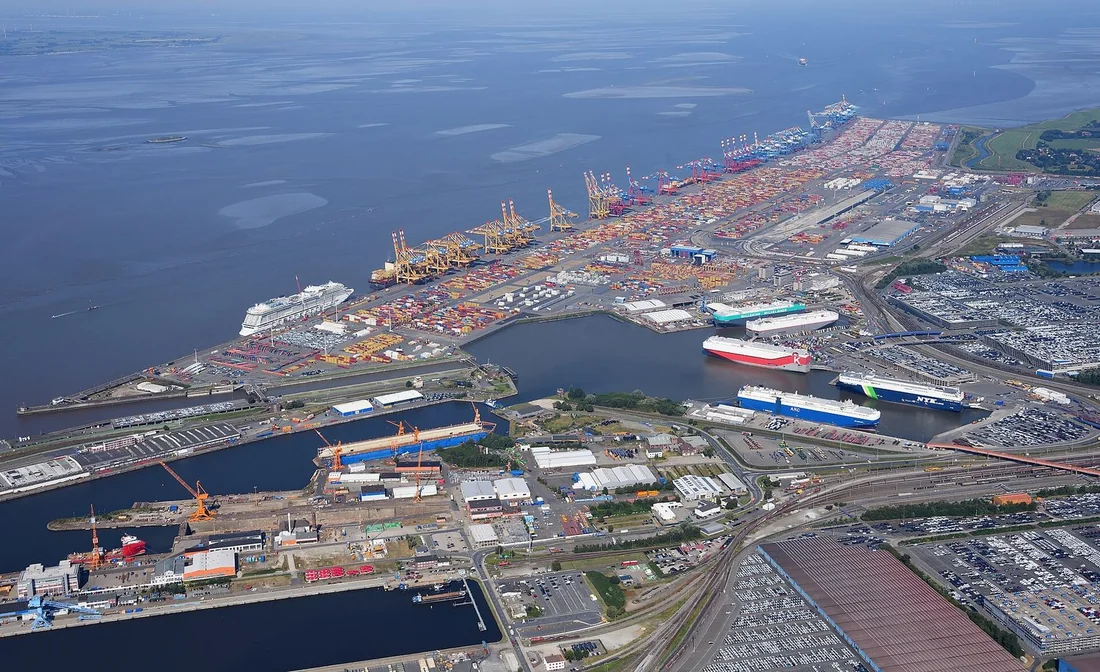
- Foreign direct investment 外国直接投资 (FDI) by multinationals 跨国公司 brings capital, jobs, technology and skills. Samsung's phone factories made it Vietnam's largest exporter, around a fifth of the country's exports in the late 2010s. The risks: profits sent home, low-skill jobs only, tax avoidance and firms that leave when costs rise.
Match each effect of FDI to whether it is a benefit or a risk for the host country.
Difficulté 2/5 · 140 pièces + un petit bonus lors de la première réussite aujourd'hui
The terms decide how much of FDI's value stays in the country.
Aid
| Type | What it is | Strength | Weakness |
|---|---|---|---|
| Humanitarian aid | emergency food, shelter, medicine | saves lives quickly | does not build long-run capacity |
| Development aid | grants for schools, health, infrastructure | raises human and physical capital | may be poorly targeted or lost to corruption |
| Tied aid 附带条件援助 | must be spent on the donor's goods | helps the donor's firms | less value; limits the recipient's choice |
| Loans (soft or market) | must be repaid, with interest | larger sums | adds to debt |
Why is tied aid often worth less to the recipient than untied aid of the same value?
Difficulté 1/5 · 100 pièces + un petit bonus lors de la première réussite aujourd'hui
The recipient cannot shop around for the best value.
Debt: when does borrowing become a trap?
- Borrowing to build a port that raises exports can pay for itself. Borrowing for consumption, or at high interest in foreign currency, can trap a country: if the currency falls, repayments in dollars cost more local money.
- Two warning ratios: debt ÷ annual exports and the debt service ratio (repayments ÷ export earnings). Worked example: external debt 80bn and exports 20bn give a debt-to-exports ratio of 4: four years of all export earnings. Repayments of 5bn a year take 25% of export income, money not spent on schools or hospitals.
External debt is 60bn and annual export earnings are 15bn. What is the debt-to-exports ratio?
Difficulté 2/5 · 140 pièces + un petit bonus lors de la première réussite aujourd'hui
60 ÷ 15 = 4, four years of all export earnings.
Annual debt repayments are 3bn and export earnings are 15bn. What is the debt service ratio (percent)?
Difficulté 2/5 · 140 pièces + un petit bonus lors de la première réussite aujourd'hui
3 ÷ 15 × 100 = 20% of export earnings go on repayments.
The IMF and the World Bank
- The IMF lends to countries in balance-of-payments crises, usually with conditions such as cutting budget deficits; critics say these conditions can deepen recessions. The World Bank lends and gives grants for long-term development projects.
- Both ran debt relief for the poorest countries: under the HIPC (Heavily Indebted Poor Countries) initiative, Zambia received large debt cancellation in 2005, before borrowing again.
Which statement about the IMF is correct?
Difficulté 1/5 · 100 pièces + un petit bonus lors de la première réussite aujourd'hui
IMF loans usually come with conditions such as cutting budget deficits.
Worked evaluation paragraph
Question: Evaluate whether foreign direct investment is the best way for a low-income country to develop.
Analysis: FDI brings capital the country cannot raise from its own low savings, creates jobs and can transfer technology and management skills, raising productivity and export earnings, as Samsung's factories did in Vietnam.
Evaluation: Its benefits depend on the terms. If multinationals send most profits home, pay little tax and employ only low-skill assembly workers, little stays in the country. FDI works best when the government invests in education so that local workers and suppliers can take on more skilled work, and when it is combined with trade access and well-targeted aid rather than relied on alone.
- Why it scores: a clear chain of benefits with an example, then a judgement that depends on conditions (profits, tax, skills, policy) instead of "it has advantages and disadvantages".
Do not treat aid, trade, FDI or debt as simply good or bad. Every one can help or harm; the exam rewards explaining what conditions decide which.
Trade earns foreign exchange but primary-product dependence is risky. FDI brings capital, jobs and technology, but profits may leave. Aid can be humanitarian, developmental or tied. Debt finances investment but can trap a country: watch debt-to-exports and the debt service ratio. The IMF and World Bank lend and give relief (HIPC). The terms decide whether each link helps or harms.
Evaluate whether development aid or trade is more effective in helping a low-income country develop. Write one paragraph of analysis and one of evaluation.
Judge with conditions, not a list.