Tax, unemployment and PESTLE
Introduit| English | Sens |
|---|---|
| adapt/əˈdæpt/ | adapter |
| taxation/tækˈseɪʃn/ | fiscalité |
| anticipate/ænˈtɪsɪpeɪt/ | prévoir |
| opportunities/ɒpəˈtjuːnɪtiz/ | opportunités |
| threats/θrets/ | menaces |
| VAT/ˌviː eɪ ˈtiː/ | TVA |
| unemployment/ʌnemˈplɔɪmənt/ | chômage |
| globalisation/ˌɡləʊbəlaɪˈzeɪʃn/ | mondialisation |
| emissions/ɪˈmɪʃnz/ | émissions |
A tax that changed the recipe, 2016–2018
- In March 2016 the UK government announced the Soft Drinks Industry Levy, a tax on drinks with more than 5 g of sugar per 100 ml, to start in April 2018. Before it began, many companies changed their recipes: Lucozade, Fanta and Ribena cut their sugar so they would pay less or nothing. The tax raised less money than forecast — because firms adapted.
- Taxation 税收 is one of many external forces that businesses cannot control but must anticipate 预见 and adapt 调整 to.
External influences lab
Classify outside changes by the channel that hits the business.
Why did the UK sugar levy raise less money than forecast?
Difficulté 1/5 · 100 pièces + un petit bonus lors de la première réussite aujourd'hui
Firms adapted.
PESTLE
- Political, Economic, Social, Technological, Legal and Environmental factors.
- Each can create opportunities 机会 (a new market) or threats 威胁 (higher costs, falling demand).
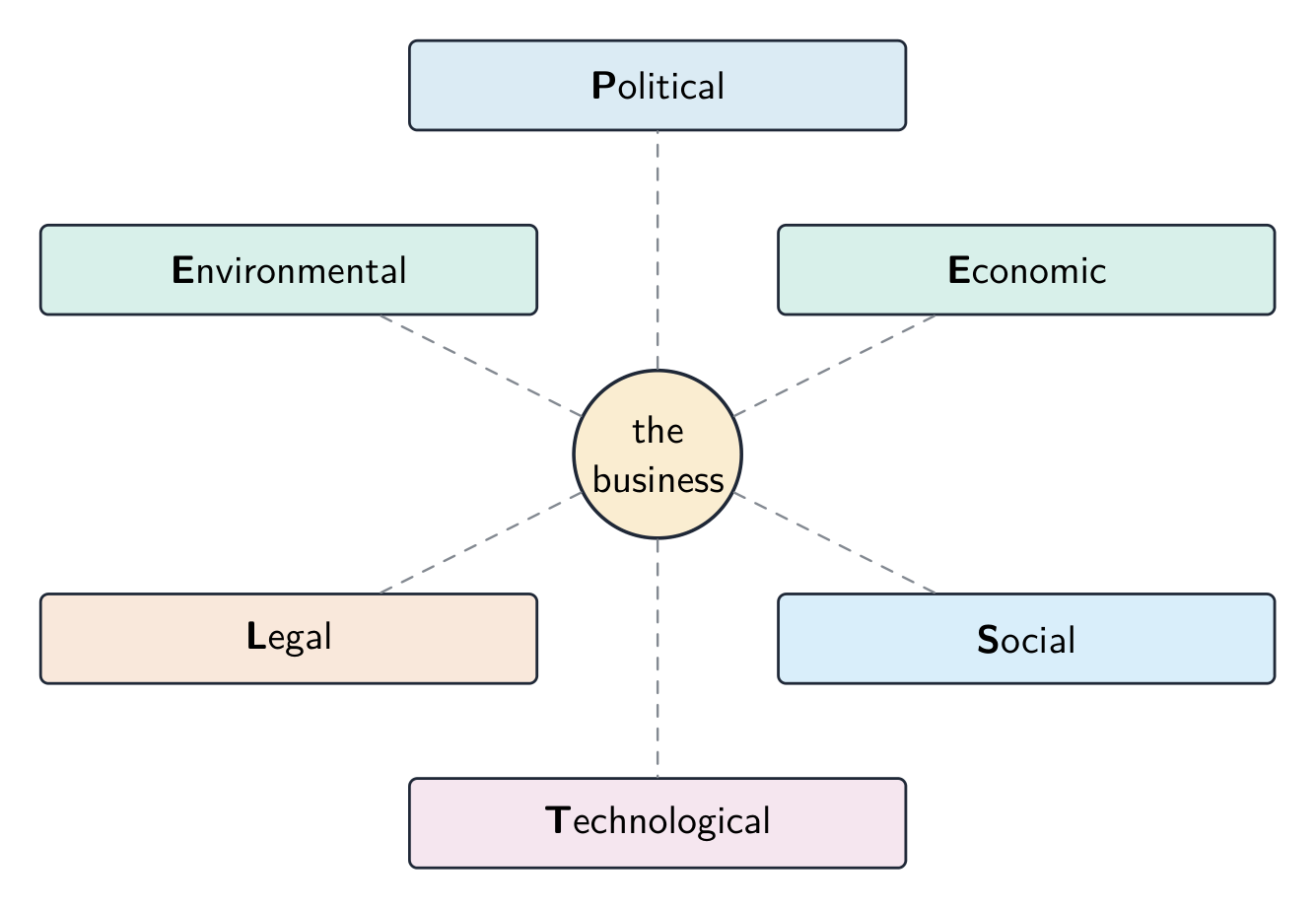
Match each example to its PESTLE factor.
Difficulté 2/5 · 140 pièces + un petit bonus lors de la première réussite aujourd'hui
Six categories.
Taxes
- Direct taxes are on income and profit (income tax, corporation tax). Indirect taxes are on spending, such as VAT 增值税 (value added tax), which raises prices for customers.
- A higher corporation tax reduces profit after tax available for reinvestment or dividends.
VAT is an example of…
Difficulté 1/5 · 100 pièces + un petit bonus lors de la première réussite aujourd'hui
It is added to prices.
Unemployment
- Unemployment 失业 means people who want work cannot find it. High unemployment lowers incomes and spending, so demand for luxury goods falls, though firms find it easier to recruit.
- Discount retailers may gain; car dealers and restaurants may lose.
Which business is most likely to gain when unemployment rises?
Difficulté 1/5 · 100 pièces + un petit bonus lors de la première réussite aujourd'hui
Customers trade down.
Worked example: VAT on a price
A shop sells a jacket for $100 before VAT. VAT rises from 15% to 20%.
- Before: $100 \times 1.15 = \$115$. After: $100 \times 1.20 = \$120$.
- Effect: the customer price rises by $5, about 4.3%; sales of non-essential goods may fall.
- Response: the shop could absorb part of the rise (lower margin) or keep the price at $115 by cutting its own pre-tax price to$95.83.
A phone costs $400 before VAT. With VAT at 20%, what is the customer price in dollars?
Difficulté 2/5 · 140 pièces + un petit bonus lors de la première réussite aujourd'hui
400 × 1.2.
Environmental pressure and globalisation
- Limits on emissions 排放 and customer concern push firms to cut pollution and waste; this costs money but can win customers.
- Globalisation 全球化 — the growing links between economies through trade and investment — brings wider markets and cheaper supplies, but also foreign competitors.
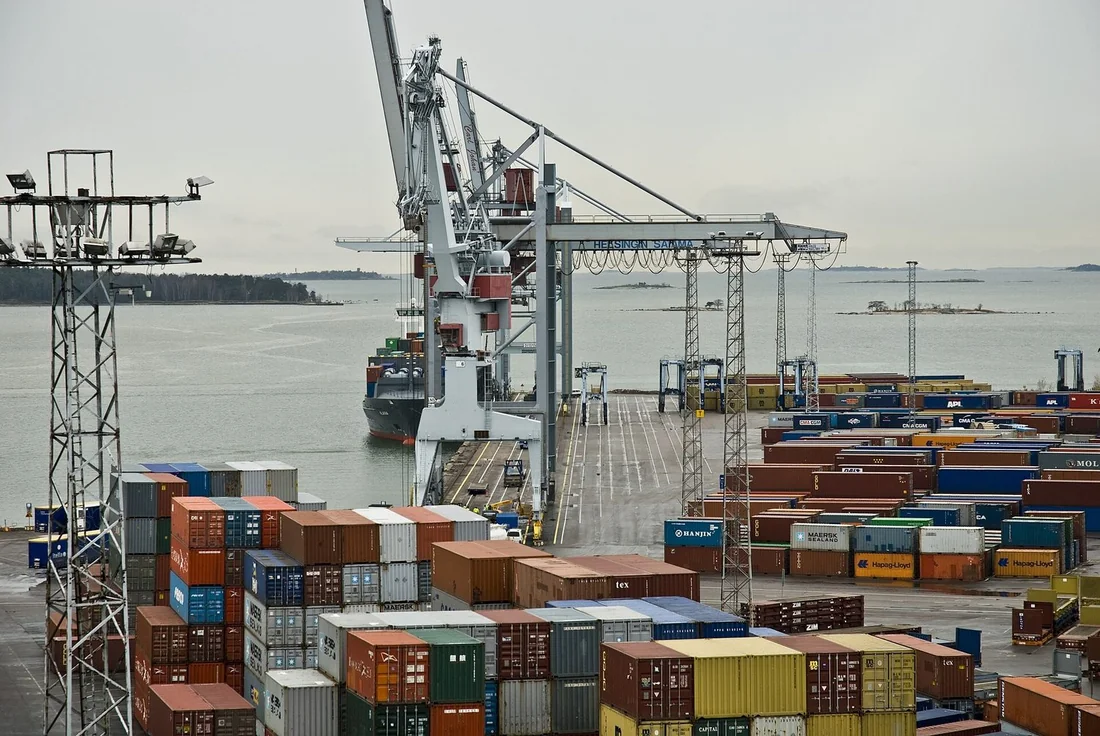
Globalisation can bring both wider markets and more foreign competition.
Difficulté 1/5 · 100 pièces + un petit bonus lors de la première réussite aujourd'hui
Opportunity and threat.
The same factor can be a threat to one business and an opportunity to another. The sugar levy was a threat to sugary-drink makers and an opportunity for makers of sweeteners and water.
An external factor is always a threat to every business.
Difficulté 1/5 · 100 pièces + un petit bonus lors de la première réussite aujourd'hui
It can be an opportunity for some.
PESTLE analyses external forces. Taxes (direct and indirect, such as VAT), unemployment, environmental rules and globalisation create threats and opportunities; successful firms anticipate and adapt, as drink makers did before the sugar levy.
A government introduces a tax on plastic packaging. Analyse one threat and one opportunity for a food manufacturer, and how it could adapt.
Applying PESTLE.