Business finance
Introducido| English | Significado |
|---|---|
| finance/ˈfaɪnæns/ | Money available or obtained to fund a business's activities and investment. |
| start-up capital/stɑːt ʌp ˈkæpɪtl/ | Capital inicial |
| working capital/ˈwɜːkɪŋ ˈkæpɪtl/ | Current assets minus current liabilities: the money available to run the business day to day. |
| capital expenditure/ˈkæpɪtl ekˈspendɪtʃə/ | Spending on non-current assets, such as machinery, that are used for years. |
| long-term assets/lɒŋ tɜːm ˈæsets/ | Activos a largo plazo |
| revenue expenditure/ˈrevənjuː ekˈspendɪtʃə/ | Spending on day-to-day running costs, such as wages and stock. |
| current assets/ˈkʌrənt ˈæsets/ | Activos corrientes |
| current liabilities/ˈkʌrənt ˌlaɪəˈbɪlɪtiz/ | Pasivos corrientes |
The first shares, Amsterdam 1602
- In 1602 the Dutch East India Company (VOC) needed huge sums to send fleets to Asia. It sold shares to the public: anyone could buy part of the company and share in its profits. People soon traded those shares in Amsterdam, in what became the world's first stock exchange.
- Every business needs finance 资金: money to start, to run and to grow.
Laboratorio de fuentes de financiación
Choose the best type of finance by time, risk and ownership.
How did the VOC raise money in 1602?
Dificultad 1/5 · 100 monedas + un pequeño bono en el primer intento de hoy
The first public shares.
Why businesses need finance
- Start-up capital 启动资金 pays for what a new business needs before it earns anything: equipment, premises, first stock.
- Working capital 营运资金 pays day-to-day costs — wages, stock, bills — while waiting for customers to pay.
Match each need to its type of finance.
Dificultad 2/5 · 140 monedas + un pequeño bono en el primer intento de hoy
Start versus run.
Two kinds of spending
- Capital expenditure 资本支出 buys long-term assets 长期资产 used for more than a year: machinery, vehicles, buildings.
- Revenue expenditure 收益支出 pays for items used up within the year: wages, rent, raw materials, electricity.
Classify each item.
Dificultad 2/5 · 140 monedas + un pequeño bono en el primer intento de hoy
Long-term asset or used up this year.
Working capital in the accounts
- Current assets 流动资产 (inventory, receivables, cash) will turn into cash within a year. Current liabilities 流动负债 (payables, overdrafts) must be paid within a year.
- Working capital = current assets − current liabilities.
Which are current assets?
Dificultad 2/5 · 140 monedas + un pequeño bono en el primer intento de hoy
A building is a long-term asset.
Worked example: enough to pay the bills?
A café has inventory $4,000, receivables$1,000 and cash $2,500. It owes suppliers$3,500 and has an overdraft of $1,500.
- Current assets: $4{,}000 + 1{,}000 + 2{,}500 = 7{,}500$.
- Current liabilities: $3{,}500 + 1{,}500 = 5{,}000$.
- Working capital: $7{,}500 - 5{,}000 = \$2{,}500$ — positive, but most is in inventory, so the café should check it can turn stock into cash quickly.
Current assets $12,000 and current liabilities$9,500. What is working capital in dollars?
Dificultad 2/5 · 140 monedas + un pequeño bono en el primer intento de hoy
12,000 − 9,500.
Sources of finance
- Internal: retained profit, selling assets. External: bank loans, overdrafts, share capital, venture capital, crowdfunding.
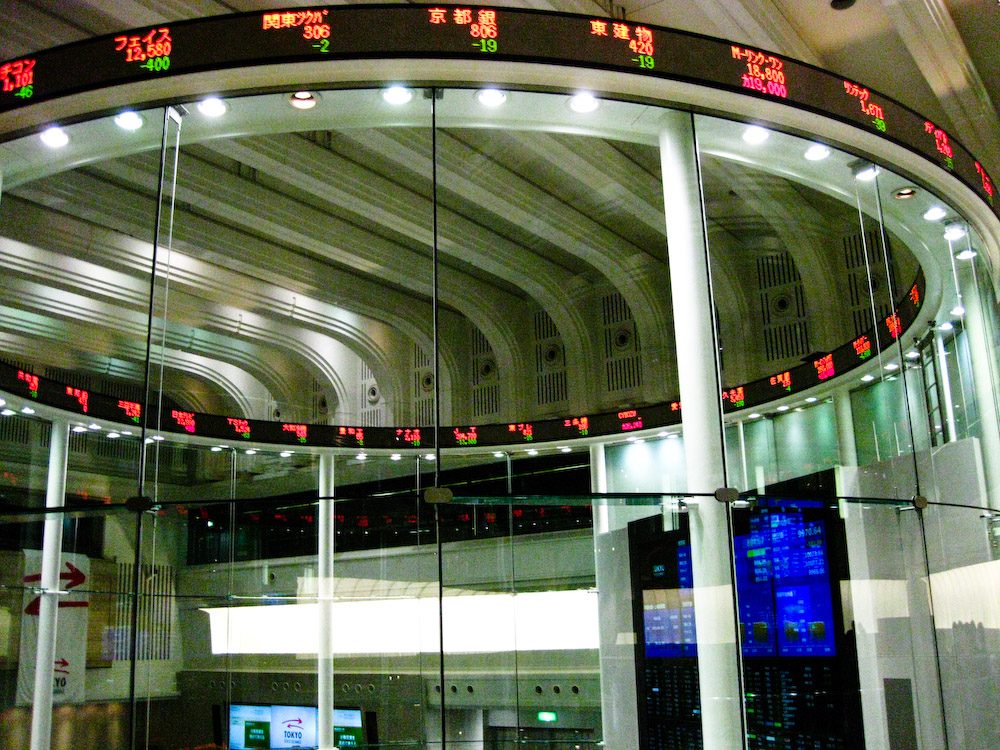
- Public limited companies can sell shares on a stock exchange — as the VOC first did.
Which is an internal source of finance?
Dificultad 1/5 · 100 monedas + un pequeño bono en el primer intento de hoy
From inside the business.
Profit is not cash. A profitable firm can still fail if customers pay late and it cannot pay its own bills — a working capital problem.
A profitable business cannot run out of cash.
Dificultad 1/5 · 100 monedas + un pequeño bono en el primer intento de hoy
Late payments can cause a cash shortage.
Businesses need start-up capital, working capital, and finance for capital expenditure on long-term assets and revenue expenditure on running costs. Working capital = current assets − current liabilities; profit does not guarantee cash.
Explain why a growing online shop might have negative working capital, and suggest one solution.
Applying working capital.