| English | 释义 | 拼音 |
|---|---|---|
| Harlem Renaissance/ˈhɑːləm rɪˈneɪsəns/ | 哈莱姆文艺复兴 | hā lái mǔ wén yì fù xīng |
| Prohibition/prəhɪˈbɪʃn/ | 禁酒令 | jìn jiǔ lìng |
| quota/ˈkwəʊtə/ | 配额 | pèi é |
The 1920 census
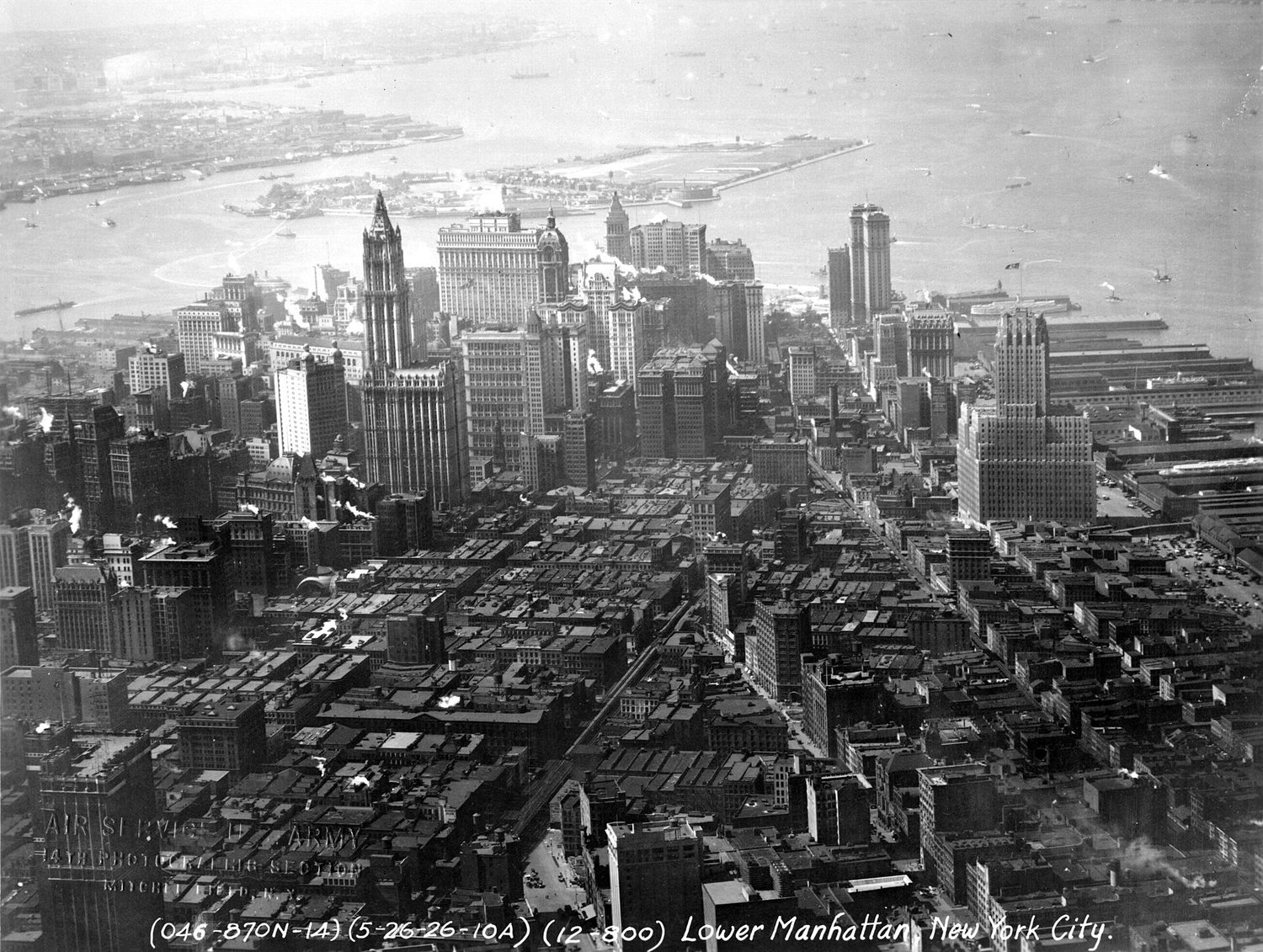
- The census of 1920 found, for the first time, that more Americans lived in towns and cities than in the countryside: about 51%. New York, Chicago and Detroit were growing fast, filled with factory workers, office clerks, migrants and immigrants.
- The 1920s became a decade of clashes between new urban culture and older rural values.
The 1920 census was the first to count more Americans in urban areas than rural areas.
难度 1/5 · 今日首次完成可获 100 金币及少量额外奖励
About 51%.
New city lives
- Women gained the vote with the Nineteenth Amendment (1920); many worked in offices and shops, and "flappers" challenged older rules on dress and behaviour.
- Between 1916 and 1930, about 1.5 million Black Southerners moved north in the Great Migration, seeking jobs and escape from Jim Crow.
What was the Great Migration?
难度 1/5 · 今日首次完成可获 100 金币及少量额外奖励
About 1.5 million by 1930.
The Harlem Renaissance
- In Harlem, New York, Black writers, artists and musicians created the Harlem Renaissance 哈莱姆文艺复兴: poets such as Langston Hughes, the writer Zora Neale Hurston, and jazz from Louis Armstrong and Duke Ellington.
- It expressed pride in Black identity and reached white audiences through radio and records.
Who were figures of the Harlem Renaissance?
难度 2/5 · 今日首次完成可获 140 金币及少量额外奖励
Ford was an industrialist.
Worked example: the culture war of the 1920s
- Religion: in the 1925 Scopes Trial, a Tennessee teacher was convicted for teaching evolution — a clash between modern science and fundamentalist Christianity.
- Alcohol: Prohibition 禁酒令 (from 1920) banned alcohol; cities defied it with illegal bars, and gangsters such as Al Capone grew rich.
- Identity: the revived Ku Klux Klan, with millions of members by the mid-1920s, attacked Black Americans, Catholics, Jews and immigrants. Each clash set urban, modern America against rural, traditional America.
An urban fact, a policy, or a cultural development?
Sort each element of the 1920s.
Match each event to the clash it shows.
难度 2/5 · 今日首次完成可获 140 金币及少量额外奖励
Urban versus rural America.
Closing the door
- After the Red Scare of 1919–20, fear of radical immigrants grew. The Immigration Act of 1924 set quotas 配额 at 2% of each nationality living in the US in 1890, cutting southern and eastern Europeans sharply.
- It barred almost all immigration from Asia.
Which groups did the Immigration Act of 1924 restrict most?
难度 1/5 · 今日首次完成可获 100 金币及少量额外奖励
Quotas based on 1890.
A consumer economy
- Cars, radios, refrigerators and buying on credit spread. By 1929 there were about 23 million cars on American roads.
- Advertising and films spread a shared national culture.
The 1920s were not only the "Roaring Twenties". Jazz, flappers and prosperity sat beside the Klan, immigration quotas, Prohibition and struggling farmers. Show both sides of the decade.
All Americans shared in the prosperity and new culture of the 1920s.
难度 1/5 · 今日首次完成可获 100 金币及少量额外奖励
Farmers, Black Americans and immigrants faced hardship and backlash.
By 1920 most Americans lived in cities. Women's suffrage, the Great Migration and the Harlem Renaissance reshaped culture, while the Scopes Trial, Prohibition, the Klan and the 1924 quotas showed a backlash from traditional America.
Explain why the 1920s saw conflict between urban and rural Americans.
Causation.