The labour market · 劳动市场
| English | 中文 | Pinyin · 拼音 |
|---|---|---|
| labour market/ˈleɪbə ˈmɑːkɪt/ | 劳动力市场 | láo dòng lì shì chǎng |
| derived demand/dɪˈraɪvd dɪˈmænd/ | 派生需求 | pài shēng xū qiú |
| productivity/ˌprɒdəkˈtɪvɪti/ | 生产率 | shēng chǎn lǜ |
| labour supply/ˈleɪbə səˈplaɪ/ | 劳动供给 | láo dòng gōng jǐ |
| wage differentials/weɪdʒ ˌdɪfəˈrenʃlz/ | 工资差异 | gōng zī chā yì |
What sets your wage
- Why does a surgeon earn more than a cleaner? The labour market 劳动力市场 answers with the same tool as any market — demand and supply, applied to workers.
- Wages are a price, set where the demand for and supply of labour meet.
什么决定你的工资
- 为什么一个外科医生比一个清洁工赚得多?劳动市场用与任何市场相同的工具回答——需求和供给,应用于工人。
- 工资是一个价格,在对劳动的需求和供给相遇之处决定。
The demand for labour is described as "derived demand" because it depends on: · 对劳动的需求被描述为"派生需求",因为它取决于:
Firms hire workers to make goods that are themselves demanded — hence derived. · 企业雇用工人来制造那些本身被需求的商品——因此是派生的。
More productive workers tend to command higher wages. · 更有生产率的工人倾向于要求更高的工资。
Higher productivity raises the value of a worker to the firm, increasing labour demand. · 更高的生产率提高一个工人对企业的价值,增加劳动需求。
The demand for labour
- Labour demand is derived demand 派生需求: firms hire workers to produce goods that are themselves demanded.
- It depends on workers' productivity 生产率 and the price of the output — more productive or valuable work commands higher pay.
A garment factory: in a labour market, firms demand workers and the wage is the price of labour
对劳动的需求
- 劳动需求是派生需求(derived demand):企业雇用工人以生产那些本身被需求的商品。
- 它取决于工人的生产率和产出的价格——更有生产率或更有价值的工作要求更高的报酬。

一个服装厂:在一个劳动市场中,企业需求工人而工资是劳动的价格
The labour market · 劳动市场
Wages are a price. The demand for labour (from firms) and the supply of labour (from workers) set the equilibrium wage. · 工资是一个价格。对劳动的需求(来自企业)和劳动的供给(来自工人)决定均衡工资。
A higher wage generally ______ the quantity of labour supplied. · 一个更高的工资通常______供给的劳动数量。
The labour supply curve slopes upward: higher wages attract more workers. · 劳动供给曲线向上倾斜:更高的工资吸引更多工人。
The supply of labour
- Labour supply 劳动供给 rises with the wage (a higher wage attracts more workers).
- It also depends on the size of the workforce, skills/qualifications, and the appeal of the job.
Wage and employment are set where labour demand meets labour supply — like any market.
劳动的供给
- 劳动供给随工资上升(一个更高的工资吸引更多工人)。
- 它也取决于劳动力的规模、技能/资格,以及工作的吸引力。
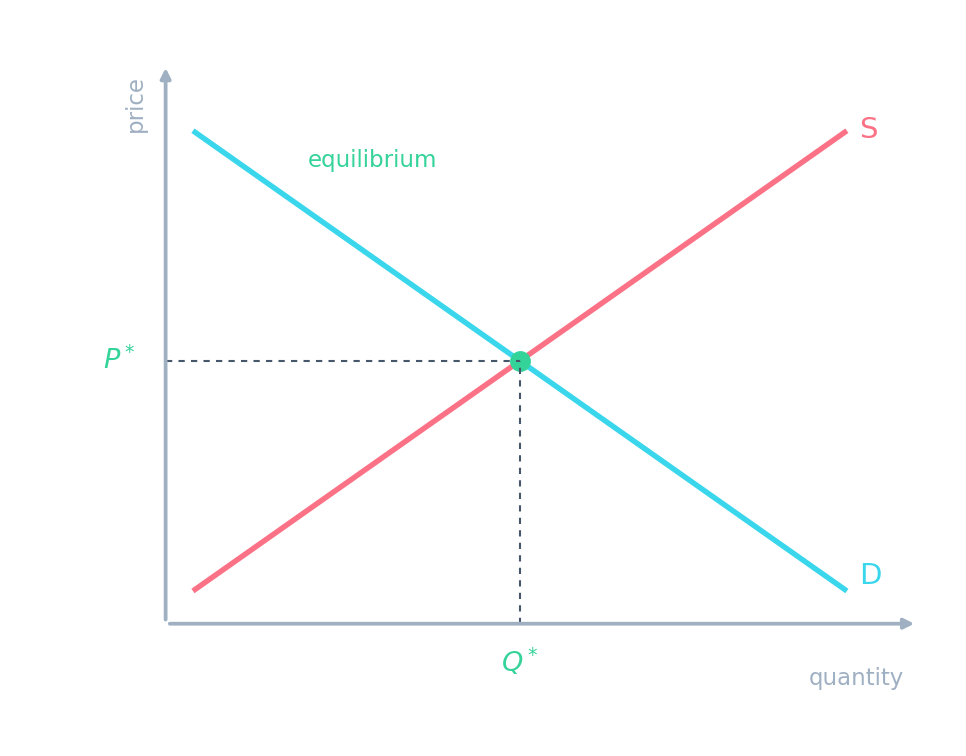
工资和就业在劳动需求与劳动供给相遇之处决定——像任何市场。
The equilibrium wage is set where: · 均衡工资在以下之处决定:
Like any market, equilibrium is where demand meets supply — here, for labour. · 像任何市场,均衡在需求与供给相遇之处——这里是对劳动。
Wage differentials 工资差异
- Wages differ because of skills/qualifications, danger or unpleasantness (compensating differentials), barriers to entry (training, licences), and bargaining power.
工资差异
- 工资不同因为技能/资格、危险或不愉快(补偿性差异)、进入壁垒(培训、执照)和议价能力。
Match each factor to why it raises a wage. · 把每个因素与它为什么提高工资配对。
Scarcity, compensating differentials and bargaining power all lift wages. · 稀缺、补偿性差异和议价能力都提升工资。
You've got it
- the wage is set where labour demand meets labour supply
- labour demand is derived (from output demand) and depends on productivity
- wage differentials reflect skills, conditions, entry barriers and bargaining power
你掌握了
- 工资在劳动需求与劳动供给相遇之处决定
- 劳动需求是派生的(来自产出需求)且取决于生产率
- 工资差异反映技能、条件、进入壁垒和议价能力