Enduring Understanding (CSN-1): Computer systems and networks facilitate the transfer of data.
Learning Objective CSN-1.A: Explain how computing devices work together in a network. [Skill 5.A]
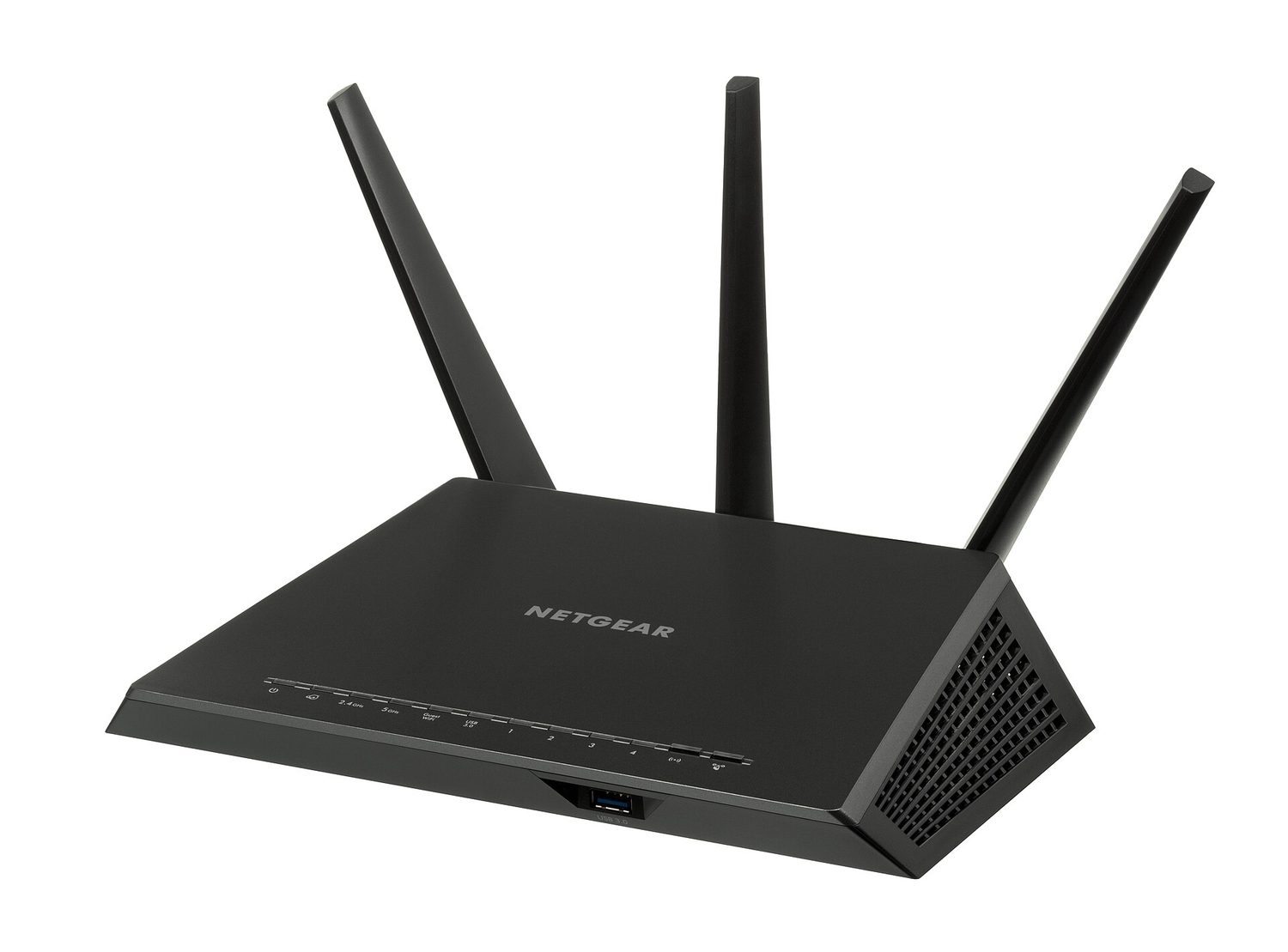
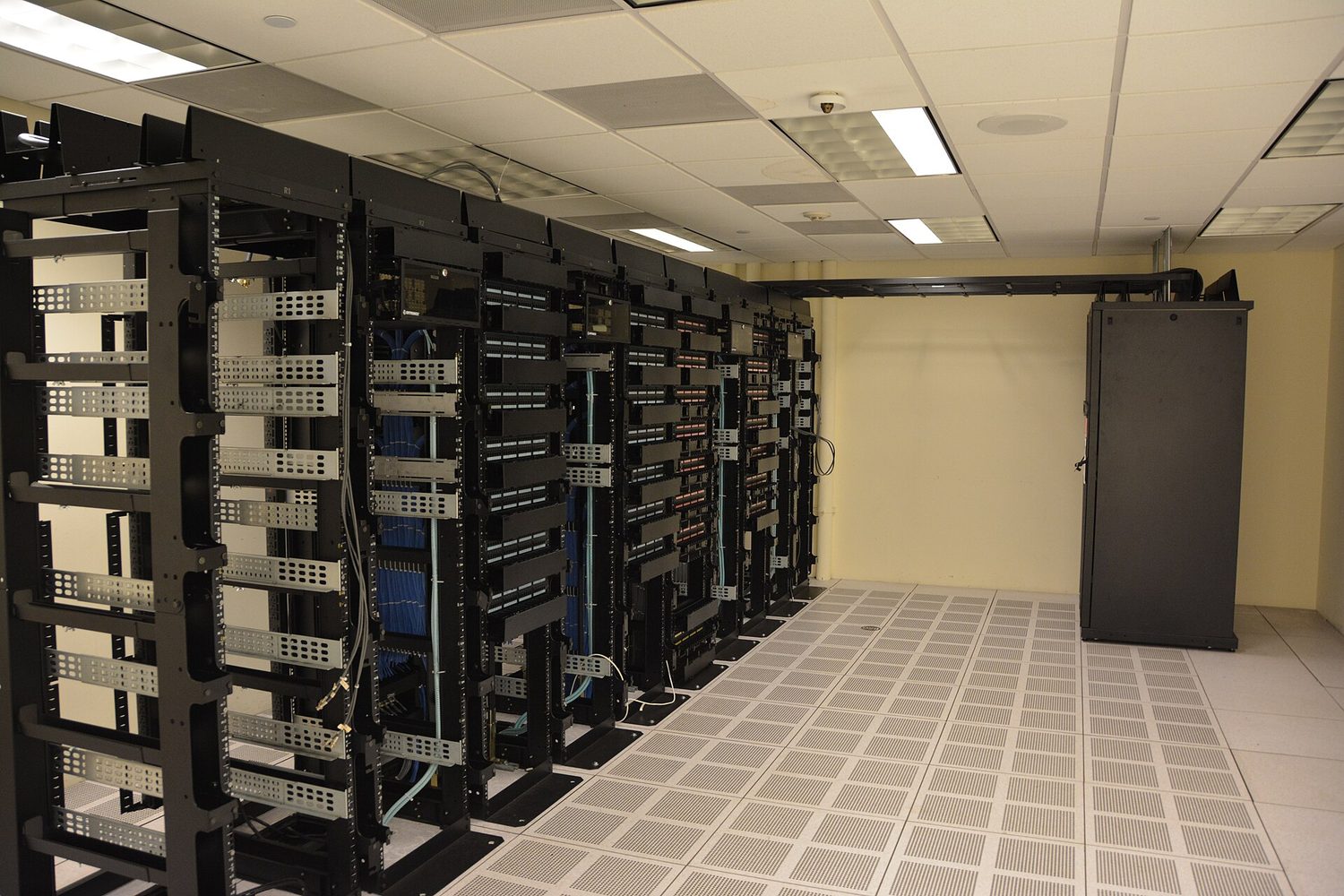
- CSN-1.A.1 A computing device is a physical artifact that can run a program. Some examples include computers, tablets, servers, routers, and smart sensors.
- CSN-1.A.2 A computing system is a group of computing devices and programs working together for a common purpose.
- CSN-1.A.3 A computer network is a group of interconnected computing devices capable of sending or receiving data.
- CSN-1.A.4 A computer network is a type of computing system.
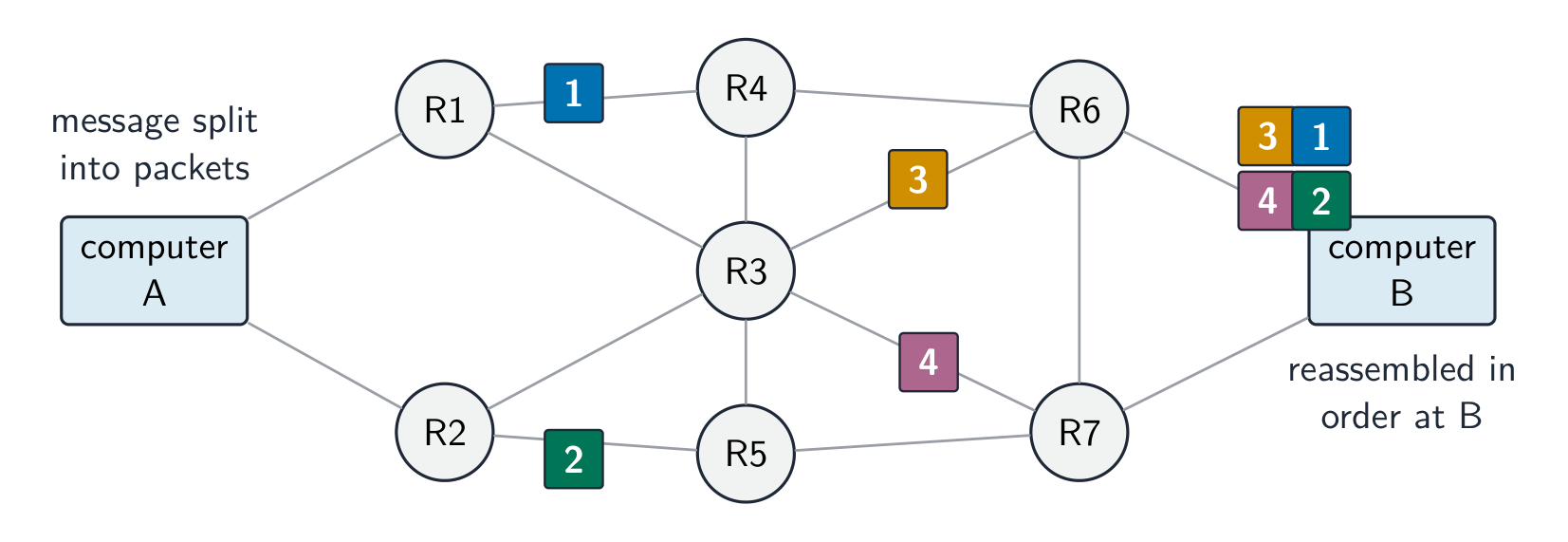
- CSN-1.A.5 A path between two computing devices on a computer network (a sender and a receiver) is a sequence of directly connected computing devices that begins at the sender and ends at the receiver.
- CSN-1.A.6 Routing is the process of finding a path from sender to receiver.
- CSN-1.A.7 The bandwidth of a computer network is the maximum amount of data that can be sent in a fixed amount of time.
- CSN-1.A.8 Bandwidth is usually measured in bits per second.
Learning Objective CSN-1.B: Explain how the Internet works. [Skill 5.A]
- CSN-1.B.1 The Internet is a computer network consisting of interconnected networks that use standardized, open (nonproprietary) communication protocols.
- CSN-1.B.2 Access to the Internet depends on the ability to connect a computing device to an Internet-connected device.
- CSN-1.B.3 A protocol is an agreed-upon set of rules that specify the behavior of a system.
- CSN-1.B.4 The protocols used in the Internet are open, which allows users to easily connect additional computing devices to the Internet.
- CSN-1.B.5 Routing on the Internet is usually dynamic; it is not specified in advance.
- CSN-1.B.6 The scalability of a system is the capacity for the system to change in size and scale to meet new demands.
- CSN-1.B.7 The Internet was designed to be scalable.
Learning Objective CSN-1.C: Explain how data are sent through the Internet via packets. [Skill 5.A]
- CSN-1.C.1 Information is passed through the Internet as a data stream. Data streams contain chunks of data, which are encapsulated in packets.
- CSN-1.C.2 Packets contain a chunk of data and metadata used for routing the packet between the origin and the destination on the Internet, as well as for data reassembly.
- CSN-1.C.3 Packets may arrive at the destination in order, out of order, or not at all.
- CSN-1.C.4 IP, TCP, and UDP are common protocols used on the Internet.
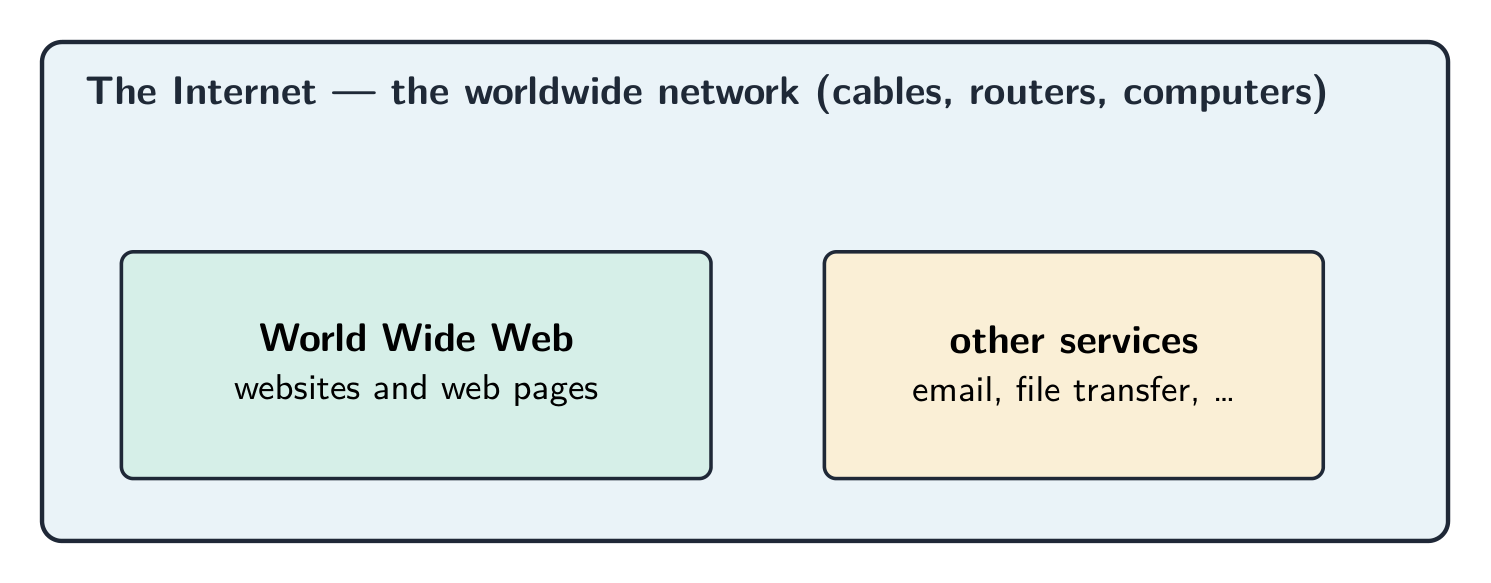
Learning Objective CSN-1.D: Describe the differences between the Internet and the World Wide Web. [Skill 5.A]
- CSN-1.D.1 The World Wide Web is a system of linked pages, programs, and files.
- CSN-1.D.2 HTTP is a protocol used by the World Wide Web.
- CSN-1.D.3 The World Wide Web uses the Internet.
Hiểu biết bền vững (CSN-1): Hệ thống máy tính và mạng hỗ trợ việc truyền dữ liệu.
Mục tiêu học tập CSN-1.A: Giải thích cách các thiết bị máy tính hoạt động cùng nhau trong một mạng. [Kỹ năng 5.A]
- CSN-1.A.1 Một thiết bị máy tính là một vật lý có thể chạy một chương trình. Một số ví dụ bao gồm máy tính, máy tính bảng, máy chủ, bộ định tuyến và cảm biến thông minh.
- CSN-1.A.2 Một hệ thống máy tính là một nhóm các thiết bị máy tính và chương trình hoạt động cùng nhau vì một mục đích chung.
- CSN-1.A.3 Một mạng máy tính là một nhóm các thiết bị máy tính liên kết với nhau có khả năng gửi hoặc nhận dữ liệu.
- CSN-1.A.4 Một mạng máy tính là một loại hệ thống máy tính.
- CSN-1.A.5 Một đường dẫn giữa hai thiết bị máy tính trên một mạng máy tính (người gửi và người nhận) là một chuỗi các thiết bị máy tính được kết nối trực tiếp bắt đầu từ người gửi và kết thúc ở người nhận.
- CSN-1.A.6 Định tuyến là quá trình tìm đường dẫn từ người gửi đến người nhận.
- CSN-1.A.7 Băng thông của một mạng máy tính là lượng dữ liệu tối đa có thể được gửi trong một khoảng thời gian cố định.
- CSN-1.A.8 Băng thông thường được đo bằng bit trên giây.
Mục tiêu học tập CSN-1.B: Giải thích cách Internet hoạt động. [Kỹ năng 5.A]
- CSN-1.B.1 Internet là một mạng máy tính bao gồm các mạng liên kết với nhau sử dụng các giao thức truyền thông chuẩn hóa, mở (không độc quyền).
- CSN-1.B.2 Truy cập Internet phụ thuộc vào khả năng kết nối thiết bị tính toán với một thiết bị đã kết nối Internet.
- CSN-1.B.3 Một giao thức là một bộ quy tắc đã thống nhất quy định hành vi của một hệ thống.
- CSN-1.B.4 Các giao thức được sử dụng trong Internet là mở, cho phép người dùng dễ dàng kết nối thêm các thiết bị tính toán vào Internet.
- CSN-1.B.5 Định tuyến trên Internet thường mang tính động; nó không được xác định trước.
- CSN-1.B.6 Khả năng mở rộng của một hệ thống là dung lượng để hệ thống thay đổi kích thước và quy mô nhằm đáp ứng các nhu cầu mới.
- CSN-1.B.7 Internet được thiết kế để có khả năng mở rộng.
Mục tiêu học tập CSN-1.C: Giải thích cách dữ liệu được gửi qua Internet thông qua các gói tin. [Kỹ năng 5.A]
- CSN-1.C.1 Thông tin được truyền qua Internet dưới dạng luồng dữ liệu. Các luồng dữ liệu chứa các khối dữ liệu, được đóng gói thành các gói tin.
- CSN-1.C.2 Các gói tin chứa một khối dữ liệu và metadata được sử dụng để định tuyến gói tin giữa nguồn và đích trên Internet, cũng như để tái cấu trúc dữ liệu.
- CSN-1.C.3 Các gói tin có thể đến đích theo thứ tự, không theo thứ tự, hoặc thậm chí không đến.
- CSN-1.C.4 IP, TCP và UDP là các giao thức phổ biến được sử dụng trên Internet.
Mục tiêu học tập CSN-1.D: Mô tả sự khác biệt giữa Internet và World Wide Web. [Kỹ năng 5.A]
- CSN-1.D.1 World Wide Web là một hệ thống các trang web, chương trình và tệp tin liên kết với nhau.
- CSN-1.D.2 HTTP là một giao thức được sử dụng bởi World Wide Web.
- CSN-1.D.3 World Wide Web sử dụng Internet.