| Enduring Understanding | Learning Objective | Essential Knowledge |
|---|---|---|
IOC-1 | IOC-1.A |
|
IOC-1.B |
|
Impact of Computing
AP Computer Science Principles · Topic 5
 8:12
8:12
Impact of Computing
In nineteen eighty-nine, one scientist built a small tool so physicists could swap papers faster. He was not planning any of this. A car that drives itself. A…
English narration · English + 中文 subtitles burned in
5.1
Beneficial and Harmful Effects

Syllabus
Source: College Board AP Course and Exam Description
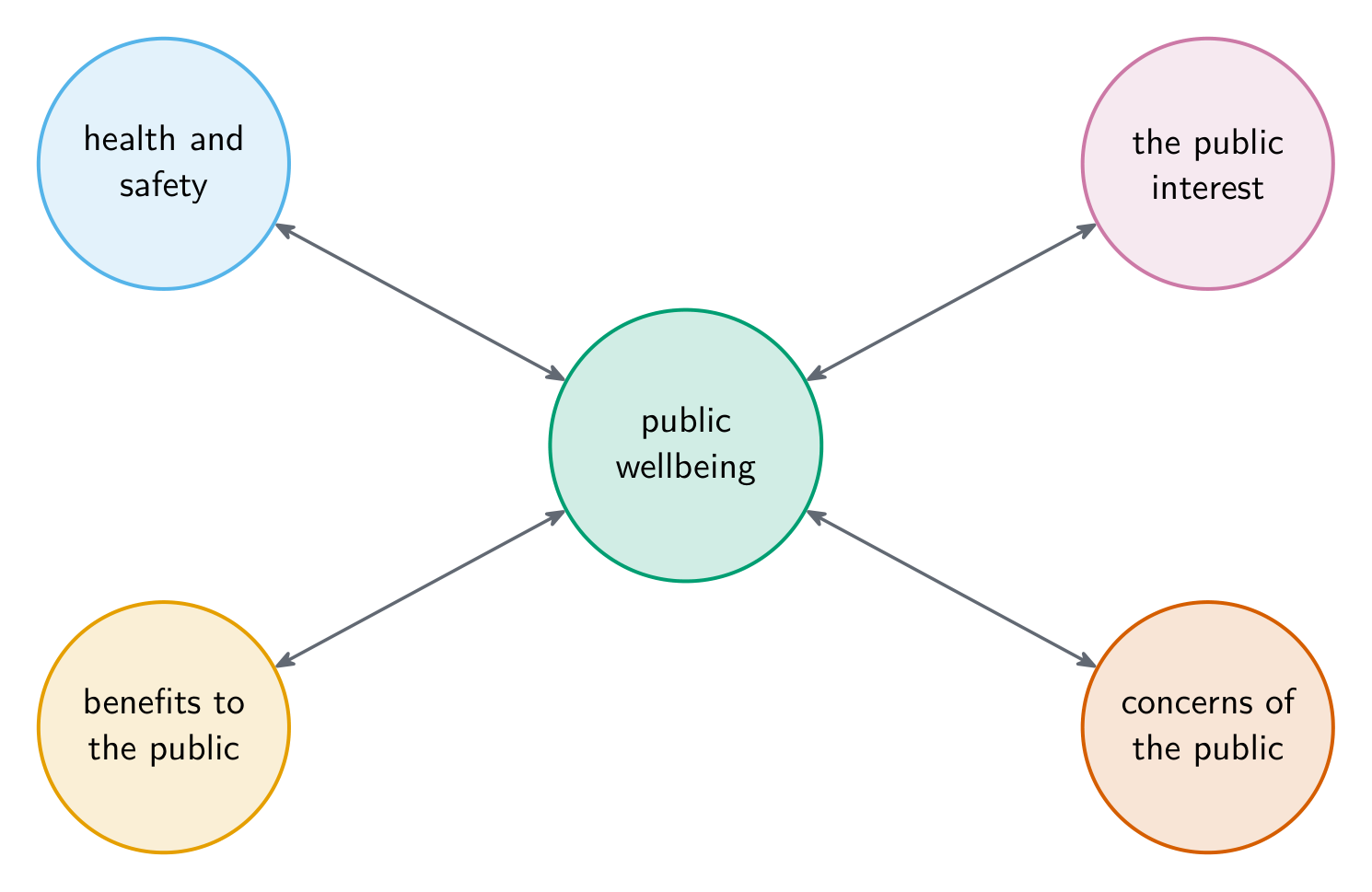
Every computing innovation can be used in ways that help and ways that harm – often the same technology does both. A social network connects people and can spread misinformation; automation raises productivity and can remove jobs. Effects are frequently unintended: creators cannot foresee every use. When you evaluate a computing innovation, weigh its benefits and harms on people and society, and remember that harms are not always deliberate.
Computing also generates creativity in other fields, which the CED asks for as a benefit in its own right, not merely as convenience: modelling and imaging in medicine, simulation in engineering, new forms in the arts and music, and new kinds of communication entirely. An innovation's beneficial effects are often in a field far from computing.
5.2
The Digital Divide

Syllabus
| Enduring Understanding | Learning Objective | Essential Knowledge |
|---|---|---|
IOC-1 | IOC-1.C |
|
Source: College Board AP Course and Exam Description
The digital divide 数字鸿沟 is the unequal access to computing and the Internet across groups – by income, geography, age, or country. Those with access gain education, jobs, and services; those without fall further behind. The divide is shaped by economic, social, and geographic factors, and efforts to close it (affordable devices, public access, infrastructure) aim to make computing's benefits fairer.

Vocabulary
Train
| English |
|---|
| digital divide/ˈdɪdʒɪtl dɪˈvaɪd/ |
5.3
Computing Bias

Syllabus
| Enduring Understanding | Learning Objective | Essential Knowledge |
|---|---|---|
IOC-1 | IOC-1.D |
|
Source: College Board AP Course and Exam Description
Bias 偏见 can be built into computing systems – often unintentionally. If the data used to build a system reflects existing prejudice, or if the designers' assumptions are one-sided, the system can produce unfair results (for example, a hiring tool that favors one group). Bias can enter at every stage – data collection, design, and use – so systems should be tested for fairness across different groups. Recognizing that "the computer said so" is not the same as "fair" is an important habit.
Vocabulary
Train
| English |
|---|
| Bias/ˈbaɪəs/ |
5.4
Crowdsourcing

Syllabus
| Enduring Understanding | Learning Objective | Essential Knowledge |
|---|---|---|
IOC-1 | IOC-1.E |
|
Source: College Board AP Course and Exam Description
Crowdsourcing 众包 obtains input, ideas, or funding from a large group of people, usually online. It harnesses the knowledge and effort of many – mapping projects, product reviews, citizen science, and crowdfunding all rely on it. The Internet makes crowdsourcing possible at a scale and speed never before achievable, letting a project draw on contributors worldwide.
Vocabulary
Train
| English |
|---|
| Crowdsourcing/ˈkraʊdsɔːsɪŋ/ |
5.5
Legal and Ethical Concerns
Syllabus
| Enduring Understanding | Learning Objective | Essential Knowledge |
|---|---|---|
IOC-1 | IOC-1.F |
|
Source: College Board AP Course and Exam Description
Computing raises questions of law and ethics:
- Intellectual property 知识产权 and copyright 版权 protect creators' work; using it may require permission or a license. Open-source 开源 and Creative Commons licenses let creators share work under stated terms.
- Plagiarism 抄袭 – using others' work as your own – is unethical and often illegal.
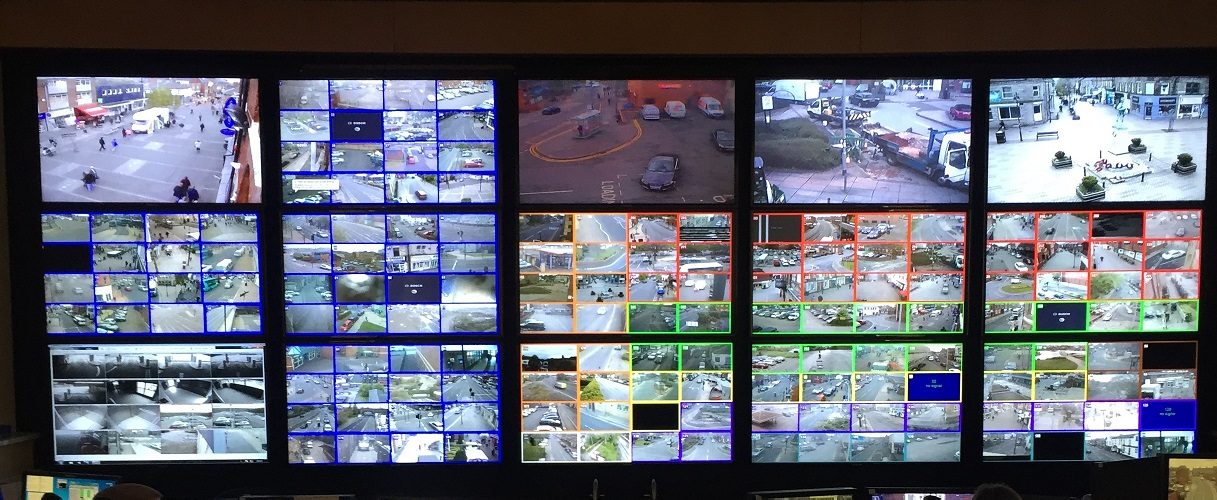
- Collecting and using personal data raises privacy questions about consent and misuse.
The three "open" terms, which are not the same thing
| Term | What it means |
|---|---|
| open source | programs that are made freely available and may be redistributed and modified by anyone. The licence grants those rights explicitly — free of charge is not the same as open source, and a free program you may not modify is not open source. |
| open access 开放获取 | research and other content made available online without charge, so a reader does not need a subscription. It says nothing about the right to modify. |
| Creative Commons 知识共享 | a family of licences a creator applies to their own work to grant specific permissions in advance — for example "you may reuse this if you credit me" or "you may reuse this but not commercially". |
All three are ways of granting rights the creator holds by default under copyright. That is why they matter for the exam: copyright is automatic, so anything not explicitly licensed is restricted, and using it needs permission.
Just because something is technically possible does not make it legal or ethical.
What is recorded while you browse
Two collection routes the CED names, and neither needs you to type anything:
- Websites can record and maintain a history of the individuals who have viewed their pages — which pages, when, how long, and from which device.
- Search engines can use your search history to suggest websites, and to sell targeted marketing: the advertisement follows the search, which is why a product looked up once then appears for weeks.
Neither is inherently malicious, and both are the mechanism behind services people find useful. The point the exam wants is that data collected for one purpose can be combined and used for another, often without the person realising they agreed to it.
Vocabulary
Train
| English |
|---|
| Intellectual property/ˌɪntəˈlektʃuːəl ˈprɒpəti/ |
| copyright/ˈkɒpɪraɪt/ |
| Open-source/ˈəʊpən sɔːs/ |
| Plagiarism/ˈpleɪdʒərɪzəm/ |
| open access/ˈəʊpən ˈækses/ |
| Creative Commons/kriːˈeɪtɪv ˈkɒmənz/ |
| open source/ˈəʊpən sɔːs/ |
5.6
Safe Computing

Syllabus
| Enduring Understanding | Learning Objective | Essential Knowledge |
|---|---|---|
IOC-2 | IOC-2.A |
|
IOC-2.B |
| |
IOC-2.C |
|
Source: College Board AP Course and Exam Description
Protecting personal data is a shared responsibility. Key ideas:
- Personally identifiable information (PII) 个人身份信息 (name, address, ID numbers) should be shared carefully, because it can be misused for identity theft 身份盗窃.
- Threats include phishing 网络钓鱼 (tricking you into revealing information), malware 恶意软件, and weak passwords.
- A malicious link can be disguised on a web page or in an email message: the text you see and the address it actually goes to are separate, so a link reading
www.yourbank.comcan point anywhere. Hover to see the real destination before clicking, and be most suspicious of a link that arrives unexpectedly and creates urgency. - Defenses include strong, unique passwords, multi-factor authentication 多因素认证, encryption 加密 (scrambling data so only authorized people can read it), and keeping software updated.
Encryption is the central tool for keeping data private in transit and storage. Being a responsible computer user means protecting your own and others' information.
Exam skill: be able to identify the beneficial and harmful effects of a given innovation, explain a privacy or security risk, and name a safe-computing practice that addresses it.
Worked example. A hiring algorithm is trained on a company's past hires, who were mostly one group, and it then rejects qualified applicants from other groups. Name the problem and its cause: this is computing bias, caused by biased training data — the model learned the historical pattern instead of a fair rule. A full-mark exam answer states the harm (qualified people are unfairly rejected) and its cause (the bias came from the data, not the code).
Explore
Scramble a message with encryption
Encryption protects data by scrambling it with a key; only someone with the key can read it back. This simple Caesar cipher shifts each letter — real encryption uses the same idea with far stronger keys to keep passwords and messages safe.
Vocabulary
Train
| English |
|---|
| Personally identifiable information (PII)/ˈpɜːsənəli aɪˈdentɪfaɪəbl ˌɪnfəˈmeɪʃn/ |
| identity theft/aɪˈdentɪti θeft/ |
| phishing/ˈfɪʃɪŋ/ |
| malware/ˈmælweə/ |
| multi-factor authentication/ˈmʌlti ˈfæktə ɔːˌθentɪˈkeɪʃn/ |
| encryption/enˈkrɪpʃn/ |
5.6
Exam tips
- Argue both the beneficial and harmful effects of a computing innovation — a balanced answer scores best.
- Use correct terms for data concerns: PII, privacy, security, and algorithmic bias.
- Explain how crowdsourcing and large data sets create value and raise new risks.
- Distinguish the digital divide (access) from bias (fairness) and give a concrete example of each.
- Tie every claim to a specific innovation and effect, as the written response demands.
Interactive lessons on this topic
Work through it step by step, with instant-check exercises.