Esters (A2)
แนะนำใหม่| English | ความหมาย |
|---|---|
| ester/ˈestə/ | เอสเตอร์ |
| acyl chloride/əˈkɪl ˈklɔːraɪd/ | อะไซลคลอไรด์ |
| addition–elimination/əˈdɪʃn ɪˌlɪmɪˈneɪʃn/ | การเพิ่มเข้า-กำจัดออก |
| saponification/ˌsæpəˌnɪfɪˈkeɪʃn/ | การเกิดสบู่ |
| biodiesel/ˌbaɪəʊˈdiːzl/ | biodiesel |
Esters 酯, revisited
- The smell of a pear, the tang of aspirin, the fat in your food — all are esters.
- An ester forms from an alcohol (or a phenol) joined to an acid group.
- The fast, reliable way to make one is with an acyl chloride 酰氯, at room temperature.
Ester A2 reaction map
Compare ester formation, hydrolysis and transesterification routes.
An ester can be made at room temperature by reacting an acyl chloride with:
ความยาก 1/5 · 100 เหรียญ + บอนัสน้อยๆ เมื่อทำสำเร็จครั้งแรกในวันนี้
Both alcohols and phenols react with acyl chlorides to give esters (+ HCl).
Making an ester from an acyl chloride happens at room temperature.
ความยาก 1/5 · 100 เหรียญ + บอนัสน้อยๆ เมื่อทำสำเร็จครั้งแรกในวันนี้
Acyl chlorides are very reactive, so the reaction proceeds quickly at room temperature.
An ester is hydrolysed by hot aqueous alkali in a reaction called ______.
ความยาก 1/5 · 100 เหรียญ + บอนัสน้อยๆ เมื่อทำสำเร็จครั้งแรกในวันนี้
It gives a carboxylate salt and an alcohol.
Esters often have sweet, fruity smells.
ความยาก 1/5 · 100 เหรียญ + บอนัสน้อยๆ เมื่อทำสำเร็จครั้งแรกในวันนี้
They are used as flavourings and perfumes.
Making esters
- alcohol/phenol + acyl chloride → ester + HCl — quick, and not reversible.
- The acyl chloride is so reactive it needs no catalyst and no heat.
- It works where a carboxylic acid is too slow — for example, esterifying an unreactive phenol.
Make ethyl ethanoate. Ethanol + ethanoyl chloride:
CH₃COCl + C₂H₅OH → CH₃COOC₂H₅ + HCl
The –OH of the alcohol attacks the C=O carbon; the chlorine leaves as HCl (an addition–elimination 加成消去). Name it from the alcohol part first (ethyl), then the acid part (ethanoate).
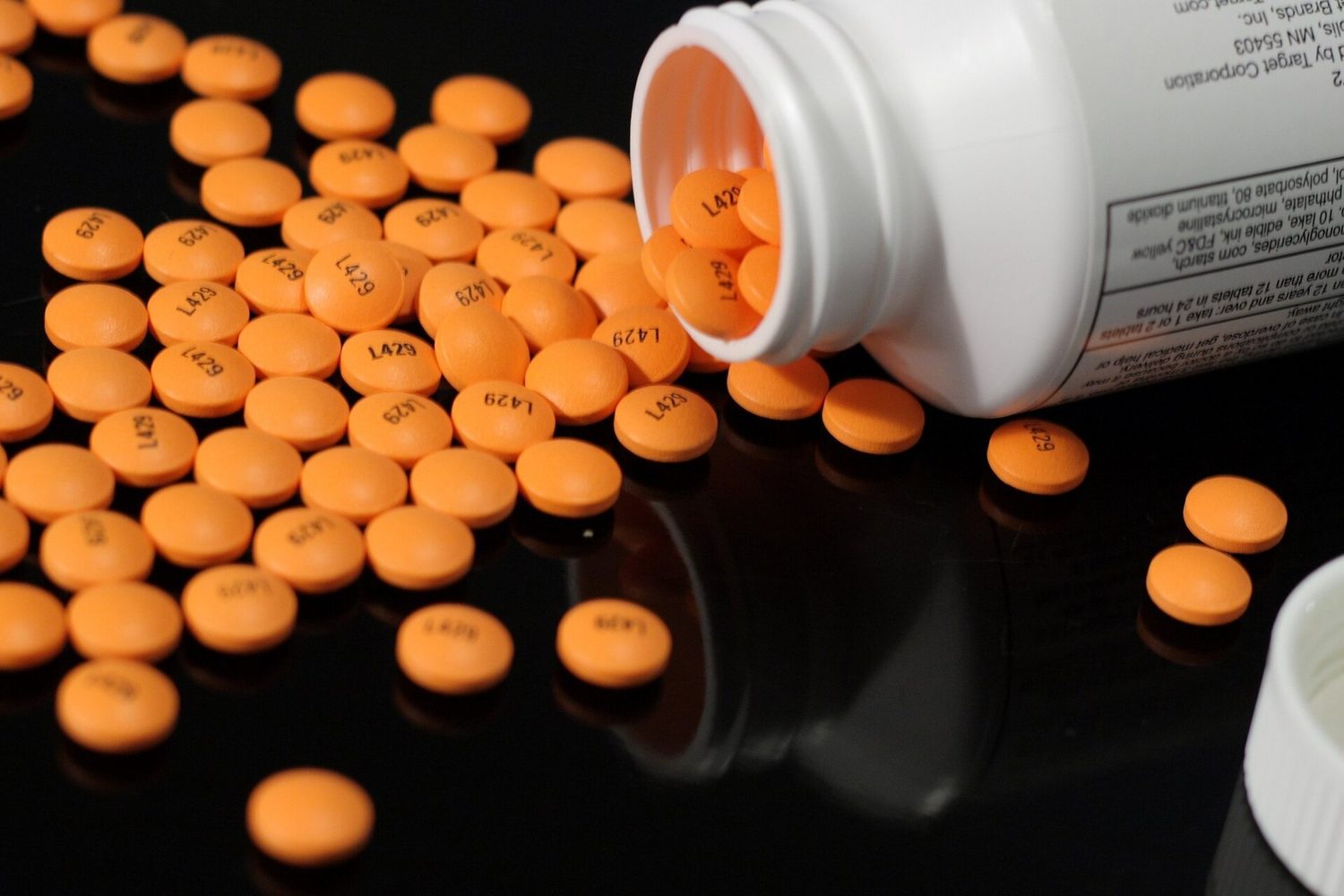
Aspirin is an ester of salicylic acid.
Reacting phenol with benzoyl chloride gives:
ความยาก 1/5 · 100 เหรียญ + บอนัสน้อยๆ เมื่อทำสำเร็จครั้งแรกในวันนี้
A phenol + an acyl (benzoyl) chloride forms the ester phenyl benzoate.
Hydrolysing an ester
- Hydrolysis is the reverse — water (or OH⁻) splits the ester back apart.
- Acid hydrolysis is reversible: you get the carboxylic acid + the alcohol back.
- Base hydrolysis (saponification 皂化) is one-way: you get a carboxylate salt + the alcohol.
Acid and base hydrolysis give different products. Acid → the carboxylic acid; base → the carboxylate salt (e.g. sodium ethanoate, not ethanoic acid). Base hydrolysis goes to completion because the salt cannot react back.
Esters all around us
- Small esters are volatile and sweet-smelling — used as flavourings, perfumes and solvents.
- Large esters make up fats and oils (esters of glycerol) and biodiesel 生物柴油.
- Saponification of a fat with NaOH is literally how soap is made.
A fat is boiled with NaOH(aq). What are the products?
ความยาก 1/5 · 100 เหรียญ + บอนัสน้อยๆ เมื่อทำสำเร็จครั้งแรกในวันนี้
Base hydrolysis (saponification) of a fat gives propane-1,2,3-triol (glycerol) and carboxylate salts, which are soap.
Working back from a name
- Split the name: the first word is the alcohol part, the second is the acid part.
- So propyl ethanoate comes from propan-1-ol and ethanoyl chloride (or ethanoic acid).
- Hydrolysis splits it at the same C–O bond, giving those two parts back.
Methyl benzoate, C₆H₅COOCH₃, is boiled with NaOH(aq).
- Alcohol part: methyl → methanol, CH₃OH.
- Acid part: benzoate → with NaOH, the salt sodium benzoate, C₆H₅COONa.
- Adding dilute HCl afterwards turns the salt into benzoic acid, which precipitates.
Which pair reacts at room temperature to make propyl ethanoate?
ความยาก 1/5 · 100 เหรียญ + บอนัสน้อยๆ เมื่อทำสำเร็จครั้งแรกในวันนี้
The first word (propyl) is the alcohol part and the second (ethanoate) the acid part, so propan-1-ol + ethanoyl chloride.
Ethyl ethanoate is boiled with NaOH(aq). What are the organic products?
ความยาก 1/5 · 100 เหรียญ + บอนัสน้อยๆ เมื่อทำสำเร็จครั้งแรกในวันนี้
Base hydrolysis gives the carboxylate salt (sodium ethanoate) and the alcohol (ethanol); it goes to completion.
What is the structural formula of methyl propanoate?
ความยาก 1/5 · 100 เหรียญ + บอนัสน้อยๆ เมื่อทำสำเร็จครั้งแรกในวันนี้
Propanoate is the three-carbon acid part (CH₃CH₂COO–); methyl is the alcohol part (–CH₃).
- When you work back from a name, the -yl word is the alcohol and the -oate word is the acid: methyl propanoate is CH₃CH₂COOCH₃, not CH₃COOCH₂CH₃.
- Phenyl esters are made with an acyl chloride, never by heating phenol with a carboxylic acid.
- After base hydrolysis, add acid if you need the free carboxylic acid.
You've got it
- an ester forms from an alcohol or phenol + an acyl chloride (+ HCl), at room temperature
- name it alcohol-part + acid-part: ethanol + ethanoyl chloride → ethyl ethanoate
- acid hydrolysis (reversible) → acid + alcohol; base hydrolysis (one-way) → salt + alcohol
- esters are everywhere: fruit smells, aspirin, fats/oils, biodiesel, soap