Exothermic and endothermic reactions
Введено| English | Значение |
|---|---|
| exothermic/eɡzəˈðɜːmɪk/ | экзотермическая реакция |
| endothermic/ˌendəʊˈθɜːmɪk/ | эндотермическая реакция |
| combustion/kəmˈbʌstʃn/ | горение |
| neutralisation/ˌnjuːtrəlaɪˈzeɪʃn/ | нейтрализация |
| thermal decomposition/ˈθɜːml ˌdiːkɒmpəˈzɪʃn/ | термическое разложение |
Reactions that heat or cool
- Strike a match and it gives out heat; dissolve some salts and the beaker turns cold.
- Reactions either release or absorb energy. These are exothermic 放热反应 and endothermic 吸热反应.
An exothermic reaction:
Сложность 1/5 · 100 монет + небольшой бонус за первое завершение сегодня
Exothermic reactions release energy.
Burning (combustion) is an example of a(n):
Сложность 1/5 · 100 монет + небольшой бонус за первое завершение сегодня
Combustion releases heat — exothermic.
In an exothermic reaction, the products are at a higher energy than the reactants.
Сложность 1/5 · 100 монет + небольшой бонус за первое завершение сегодня
False. In an exothermic reaction the products are at lower energy; the difference is released to the surroundings as heat.
Exothermic reactions
- An exothermic reaction releases energy to the surroundings (they get hotter).
- Examples: combustion 燃烧 (burning), neutralisation 中和, most everyday reactions.
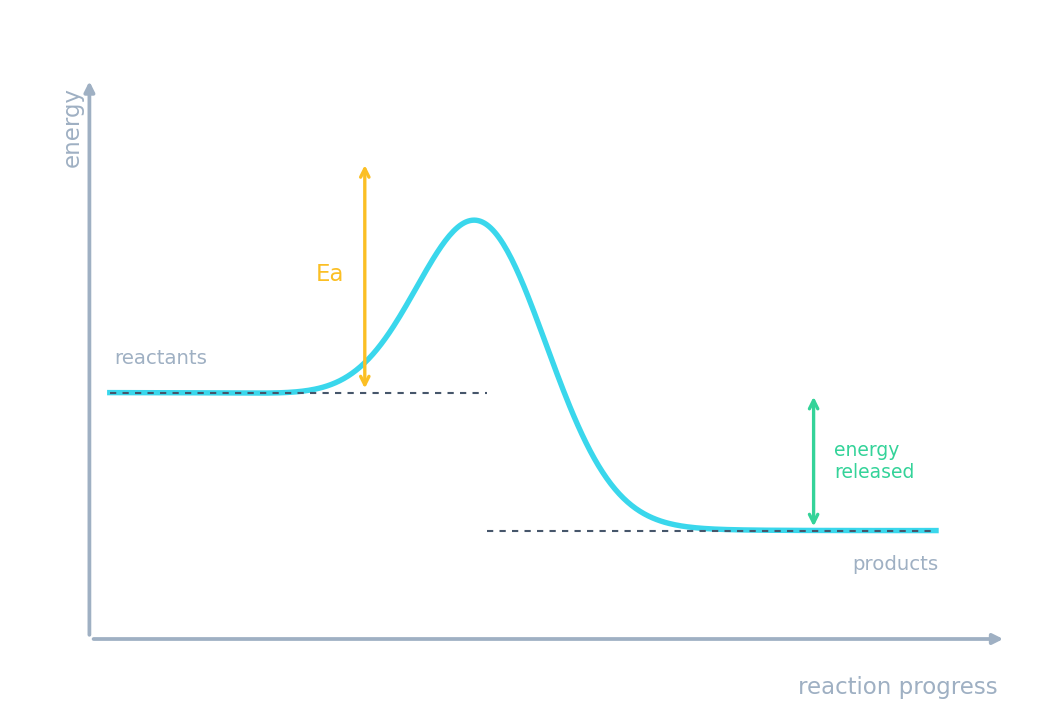
In an exothermic reaction, the products are at lower energy than the reactants — energy is released.
Exothermic & endothermic
ΔH = products − reactants
Экзотермическая drops to lower-energy products (releases heat); эндотермическая climbs to higher.
An endothermic reaction makes the surroundings:
Сложность 1/5 · 100 монет + небольшой бонус за первое завершение сегодня
It absorbs energy, cooling the surroundings.
A reaction that absorbs energy and cools its surroundings is ______.
Сложность 1/5 · 100 монет + небольшой бонус за первое завершение сегодня
Endothermic reactions take in energy.
Endothermic reactions
- An endothermic reaction absorbs energy from the surroundings (they get colder).
- Examples: thermal decomposition 热分解, photosynthesis, some dissolving.
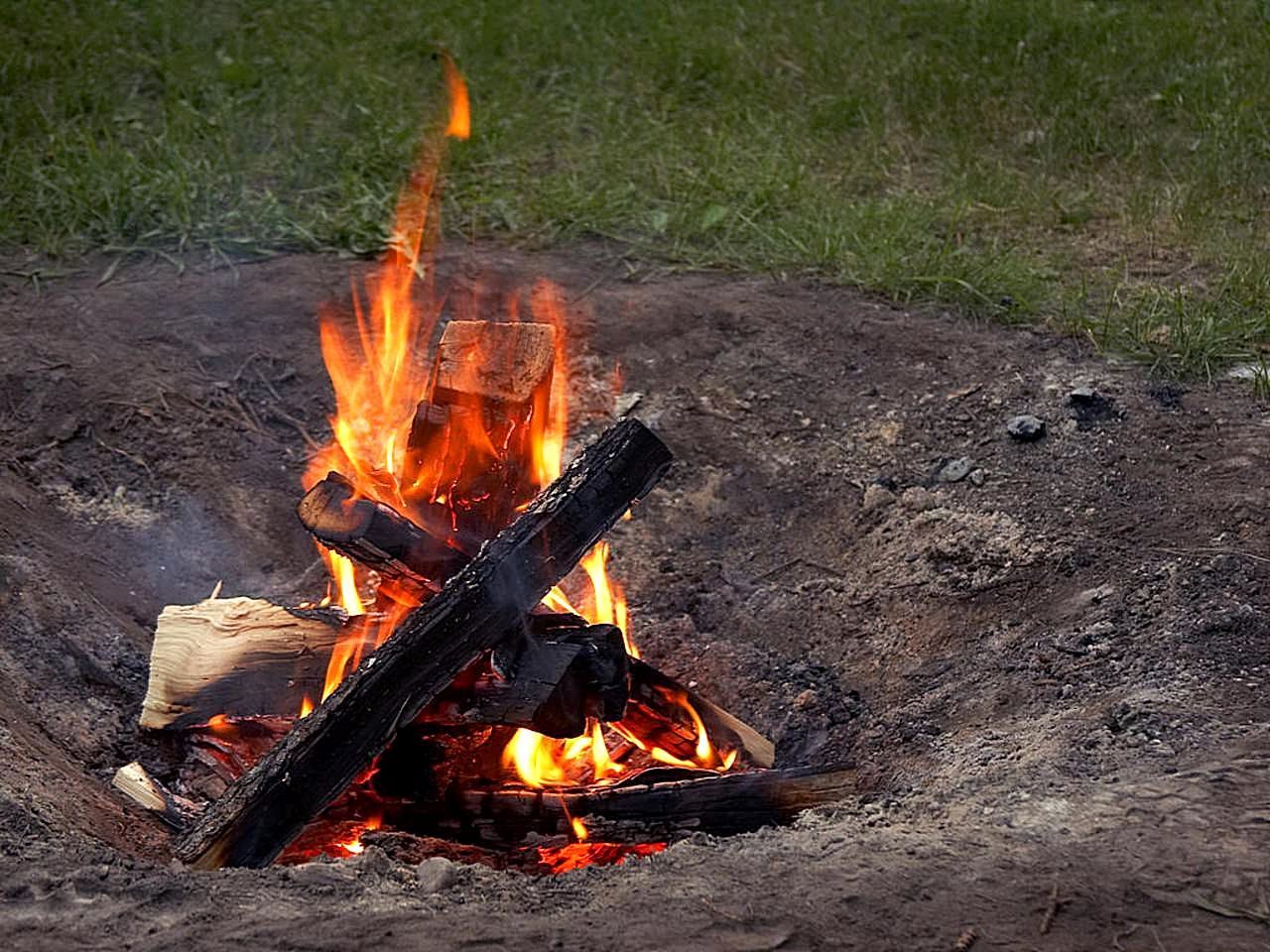
Burning wood is exothermic, releasing heat to the surroundings
Telling them apart
- Exothermic: surroundings warm up; products at lower energy than reactants.
- Endothermic: surroundings cool down; products at higher energy than reactants.
Exothermic = exits (releases) energy; endothermic = enters (absorbs). A quick check: if the beaker gets hot, energy is leaving the reaction (exothermic); if it gets cold, energy is being taken in (endothermic).
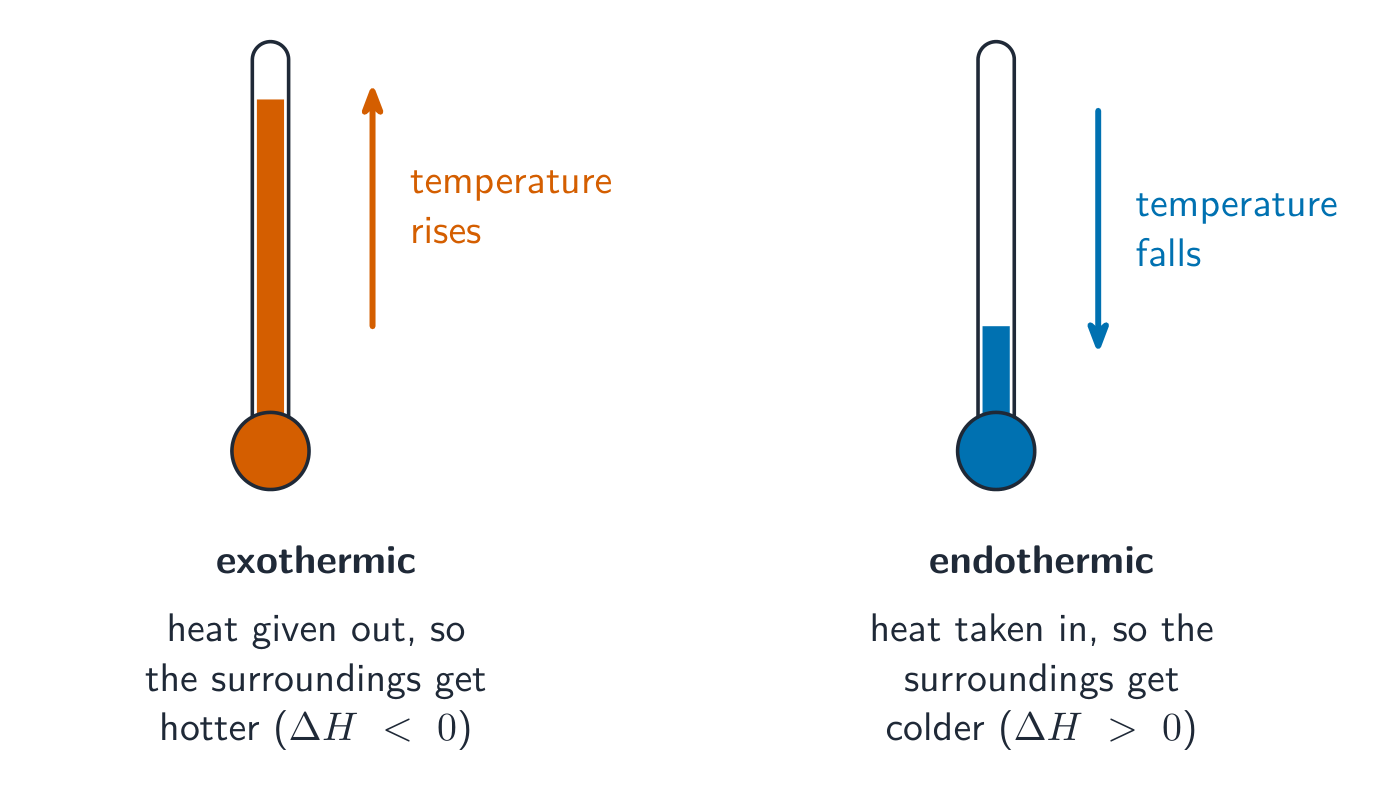
An exothermic reaction warms the surroundings; an endothermic reaction cools them
Worked example: read the thermometer
25 cm³ of hydrochloric acid at 21 °C is mixed with 25 cm³ of sodium hydroxide at 21 °C. The temperature rises to 34 °C. Then solid ammonium nitrate is dissolved in water at 21 °C, and the temperature falls to 14 °C.
- Neutralisation: the change is $34 - 21 = +13$ °C. The mixture got hotter, so energy was released: exothermic.
- Dissolving ammonium nitrate: the change is $14 - 21 = -7$ °C. The water got colder, so energy was taken in: endothermic. This is how instant cold packs work.
Magnesium is added to acid at 19 °C and the temperature rises to 47 °C. What is the temperature rise, in °C?
Сложность 2/5 · 140 монет + небольшой бонус за первое завершение сегодня
$47 - 19 = 28$ °C; the reaction is exothermic.
Citric acid and sodium hydrogencarbonate react and the temperature falls from 20 °C to 15 °C. Which statement is correct?
Сложность 1/5 · 100 монет + небольшой бонус за первое завершение сегодня
The surroundings cooled, so the reaction took in energy and the products sit higher on the energy profile.
You've got it
- exothermic reactions release energy (surroundings get hotter; products lower energy)
- endothermic reactions absorb energy (surroundings get colder; products higher energy)
- combustion is exothermic; thermal decomposition is endothermic
Write from an endothermic decomposition
- Calcium carbonate is heated and breaks down into calcium oxide and carbon dioxide.
- The surroundings cool if the heat is not replaced. Burning methane heats the surroundings.
Is the decomposition exothermic or endothermic?
Thermal decomposition absorbs energy.
What kind of energy change is this decomposition?
Сложность 1/5 · 100 монет + небольшой бонус за первое завершение сегодня
Heat is absorbed from the surroundings.