Physical and chemical changes
Introduced| English | Meaning |
|---|---|
| physical change/ˈfɪzɪkl tʃeɪndʒ/ | A change in form or physical state that does not change a substance's chemical identity. |
| chemical change/ˈkemɪkl tʃeɪndʒ/ | A change in which atoms are rearranged to form substances with different chemical identities. |
| precipitate/prɪˈsɪpɪteɪt/ | An insoluble solid formed when substances in solution react. |
Two kinds of change
- Melting ice and burning paper are both "changes" — but only one makes a new substance.
- Chemists distinguish physical changes 物理变化 from chemical changes 化学变化.
A physical change:
Difficulty 1/5 · 100 coins + a small bonus on first completion today
Physical changes keep the same substance.
Melting is a physical change because the substance stays the same.
Difficulty 1/5 · 100 coins + a small bonus on first completion today
Melted ice is still water — reversible.
Physical changes
- A physical change does not make a new substance, and is usually reversible.
- Changes of state (melting, boiling) and dissolving are physical changes.

Iron rusting is a chemical change, forming a new substance
Physical change vs chemical change
Step through the difference. A physical change makes no new substance and is usually easy to reverse; a chemical change makes a new substance and is hard to undo.
Which is a chemical change?
Difficulty 1/5 · 100 coins + a small bonus on first completion today
Burning makes new substances — chemical.
Which can be signs of a chemical change? (Select all that apply.)
Difficulty 2/5 · 140 coins + a small bonus on first completion today
A shape change alone is physical.
A chemical change always produces at least one ______ substance.
Difficulty 1/5 · 100 coins + a small bonus on first completion today
New substances mark a chemical change.
Chemical changes
- A chemical change makes one or more new substances, and is usually hard to reverse.
- Signs include a colour change, a gas, a precipitate 沉淀, or a temperature change.
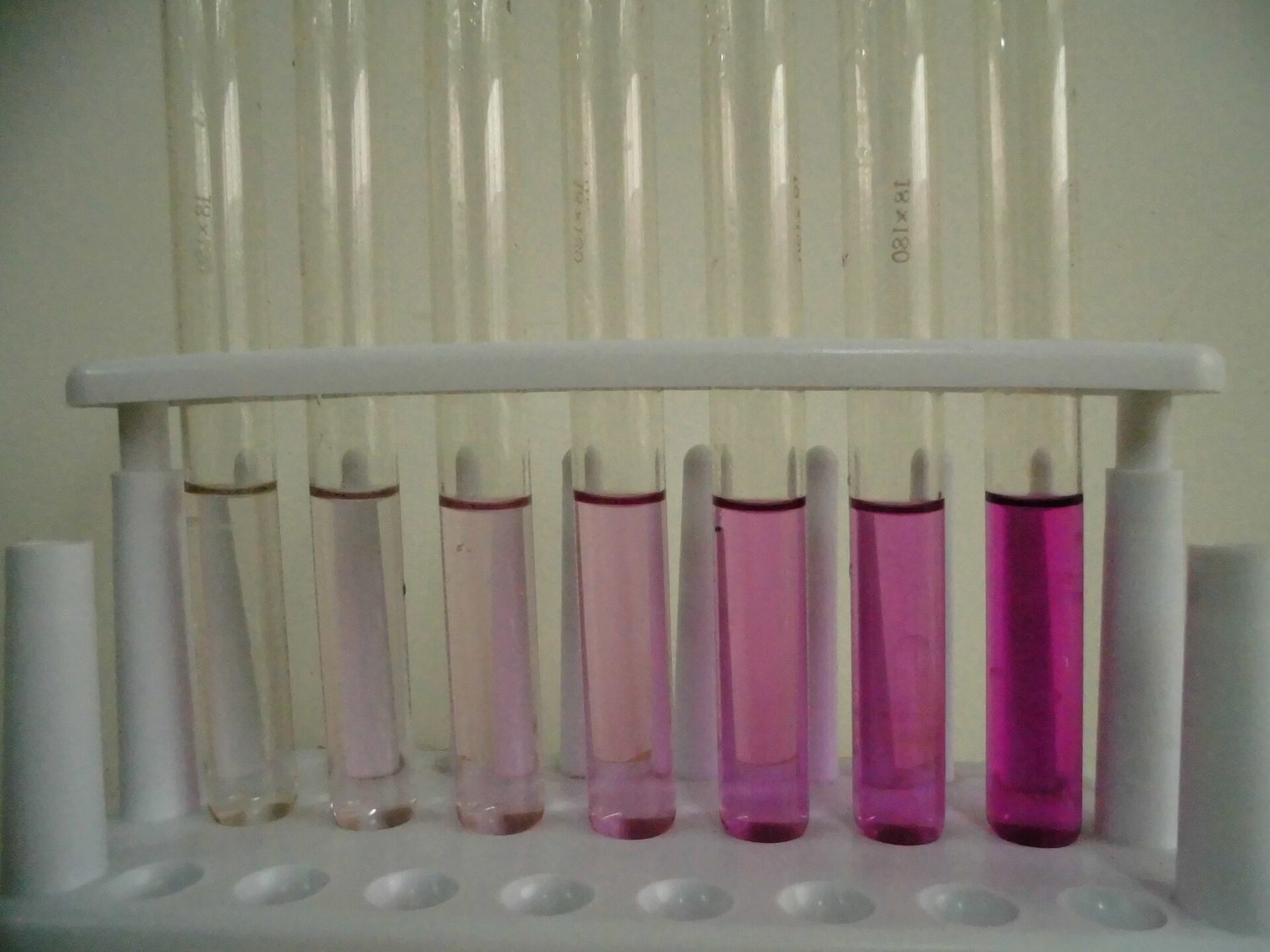
Potassium manganate(VII) makes a deep purple solution
Telling them apart
- Physical: same substance, reversible (frozen water melts back to water).
- Chemical: new substance formed, often not reversible (burnt wood can't un-burn).
Worked example. Melting candle wax is physical — it's still wax and re-solidifies. Burning the wick is chemical — new gases form and you can't get the wax back.
You've got it
- a physical change makes no new substance and is usually reversible (melting, dissolving)
- a chemical change makes a new substance and is usually hard to reverse (burning)
- signs of chemical change: new colour, gas, precipitate or temperature change