| 受験者は以下的能力を備えているべきである: | メモおよびガイドライン |
|---|---|
| 1 センサー、マイクロプロセッサ、およびアクチュエータが連携して自動化システムを作成するためにどのように使用されるかを説明する | |
| 2 特定のシナリオに用いられる自動化システムの利点と欠点を説明する | • 以下からのシナリオを含む: 産業、輸送、農業、気象、ゲーム、照明、科学 |
自動化された技術と新技術
 10:21
自動制御システム
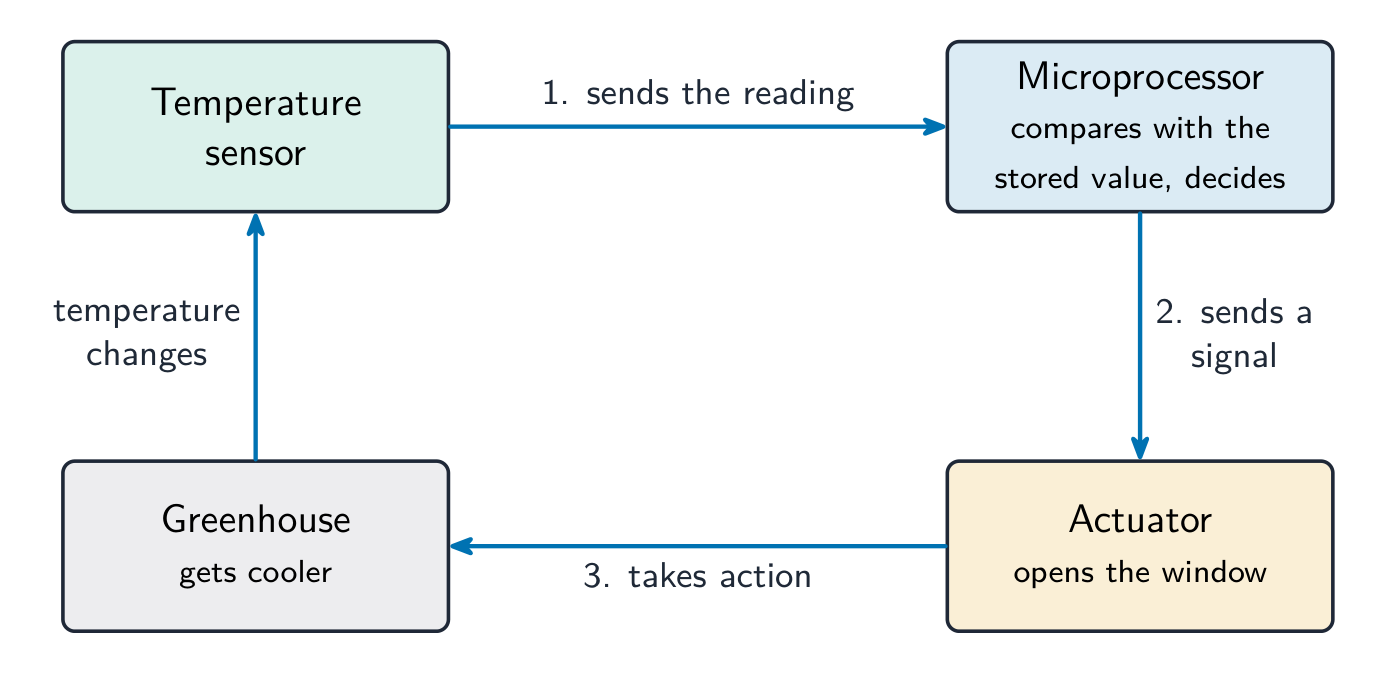
夜明け前の午前三時の温室を想像してください。そこには誰もいません。空気は少し暖まり、窓が勝手にスライドして開きます。一時間後には閉まります…
英語のナレーション・英語と中国語の字幕を切り替え可能
6.1
自動化システム
シラバス
出典: Cambridge International シラバス
English
An automated system 自动化系统 combines software and hardware to sense and respond to data in its environment 环境, with little or no direct human intervention 人工干预 during normal operation. People may still need to set it up, supervise it or handle faults.
Examples of automated systems:
- a central heating 中央供暖 system;
- a chemical process 化学过程 in a factory;
- a greenhouse 温室 (for growing plants);
- a car park barrier 停车场道闸.
Sensors, microprocessors and actuators
Three parts work together in an automated system.
| Part | Job |
|---|---|
| sensor 传感器 | measures a physical quantity (such as temperature or light) and sends the data |
| microprocessor 微处理器 | compares the data with stored values and makes decisions |
| actuator 执行器 | receives a signal and causes movement or action (such as opening a valve) |
The cycle works like this:
- The sensor sends data to the microprocessor.
- The microprocessor compares this data with stored values 存储值 and makes a decision.
- The microprocessor sends signals to the actuators to take action.
For example, in a greenhouse: a temperature sensor reads the heat; the microprocessor compares it with the wanted value; if it is too hot, the microprocessor signals an actuator to open a window.
The syllabus names many sensor types 传感器类型, each reading one physical quantity – for example an accelerometer 加速度计 (movement or tilt), a humidity 湿度 sensor (water in the air), and a proximity 接近 sensor (a nearby object):
| Sensor | Measures | Typical use |
|---|---|---|
| temperature | temperature | ovens, greenhouses, heating |
| light | brightness | automatic lights, cameras |
| pressure | force per unit area | alarm floor mats, touchscreens |
| infra-red / proximity | a nearby object | automatic doors, parking sensors |
| acoustic (sound) | sound level | noise monitors |
| humidity / moisture | water in air or soil | greenhouses, irrigation |
| gas | a gas being present | smoke and CO alarms |
| pH | acidity | pools, fish tanks |
| accelerometer | movement or tilt | phones, airbag triggers |
| magnetic field | magnetism | door contacts, compasses |
| flow / level | fluid flow or depth | pipes, tanks |
To pick a sensor for a scenario, choose the one that reads the right physical quantity: a fish tank needs pH and temperature sensors; an automatic door needs an infra-red / proximity sensor.
Advantages and disadvantages
Automated systems are used in many situations, such as industry, transport, agriculture 农业 (farming), weather (gathering data), gaming and lighting.
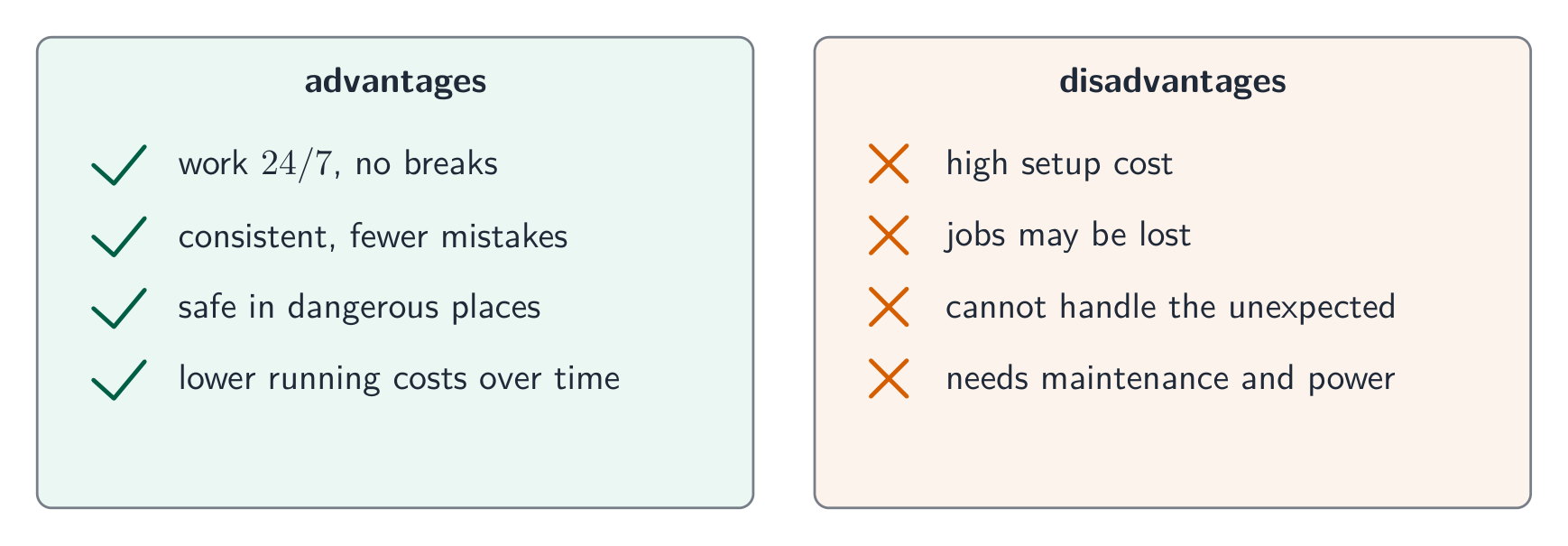
| Advantages | Disadvantages |
|---|---|
| work all day and night, without rest | cost a lot to buy and set up |
| faster and more consistent 一致的 than people | can break down and need expert repair |
| can work in places unsafe for people | may replace people's jobs |
| fewer human mistakes | cannot easily react to a situation they were not built for |
Worked example. Describe how an automatic greenhouse holds the temperature at 25 °C. A temperature sensor continuously measures the temperature and sends its reading, converted to digital by an ADC, to the microprocessor. The microprocessor compares the reading with the stored value of 25 °C. If the temperature is above it, the microprocessor signals an actuator to open a window or switch on a fan; if it is below, it switches on a heater. The whole loop then repeats continuously. Two marks nearly always sit on the words “compares with a stored (pre-set) value” and “the process repeats” - a description that stops at “the sensor tells the computer” leaves them behind.
Applying it to a scenario
An exam question names one scenario, and the marks go to advantages and disadvantages that fit that scenario, not a general list.
| Scenario | How it works | Advantage | Disadvantage |
|---|---|---|---|
| Lighting: street lights | a light sensor reads the light level; below the stored value, the microprocessor switches the lights on | lights are on only when needed, so less energy is wasted | a faulty or dirty sensor can leave a street dark |
| Transport: driverless train | sensors read speed and position; the microprocessor controls the motors and brakes | trains run closer together and on time; no driver error | very expensive to build, and passengers may not trust it |
| Weather: automatic weather station | temperature, humidity, pressure and wind sensors take readings at set times and send them to a computer | collects data day and night in remote places | equipment in remote places is hard to reach and repair |
| Agriculture: irrigation | a soil-moisture sensor reads the soil; if it is too dry, an actuator opens a water valve | water is used only when the soil needs it | high cost to set up for a small farm |
| Industry: a chemical plant | sensors measure temperature and pressure; actuators open valves to keep them safe | reacts faster than a person to a dangerous change | a software fault could cause an accident if nobody is watching |
Worked example. A city installs automatic street lights. Give one advantage and one disadvantage. Advantage: the lights switch on only when the light sensor shows it is dark, so the city saves electricity and money. Disadvantage: if the sensor fails, the lights may stay off at night, which is unsafe for drivers and walkers. Each answer names something about street lights; “it is expensive” or “it saves time” with no link to the scenario usually earns no mark.
探索
自動制御ループ
ループをタップします。自動システムは、環境を検知し、目標値と比較して動作します。この動作が検知内容を変化させるため、システムは人間の介入なしに自らを修正し続けます。
語彙
練習する
| English | 日本語 |
|---|---|
| automated system/ˈɔːtəmeɪtɪd ˈsɪstəm/ | 自動化システム |
| environment/enˈvaɪrənmənt/ | 開発環境 |
| human intervention/ˈhjuːmən ˌɪntəˈvenʃn/ | 人的介入 |
| greenhouse/ˈɡriːnhaʊs/ | 温室 |
| car park barrier/kɑː pɑːk ˈbærɪə/ | 駐車場ゲート |
| sensor/ˈsensə/ | センサー |
| microprocessor/ˌmaɪkrəʊˈprəʊsesə/ | マイクロプロセッサー |
| actuator/ˈæktʃuːeɪtə/ | アクチュエータ |
| stored values/stɔːd ˈvæljuːz/ | 格納値 |
| sensor types/ˈsensə taɪps/ | センサーの種別 |
| accelerometer/əkˌseləˈrɒmɪtə/ | 加速度計 |
| humidity/hjuːˈmɪdɪti/ | 湿度 |
| proximity/prɒkˈsɪmɪti/ | 近接 |
| consistent/kənˈsɪstənt/ | 一貫性のある |
| central heating/ˈsentrəl ˈhiːtɪŋ/ | 集中暖房 |
| chemical process/ˈkemɪkl ˈprəʊses/ | 化学プロセス |
| agriculture/ˈæɡrɪkʌltʃə/ | 農業 |
6.2
ロボット工学
シラバス
| 受験者は以下的能力を備えているべきである: | メモおよびガイドライン |
|---|---|
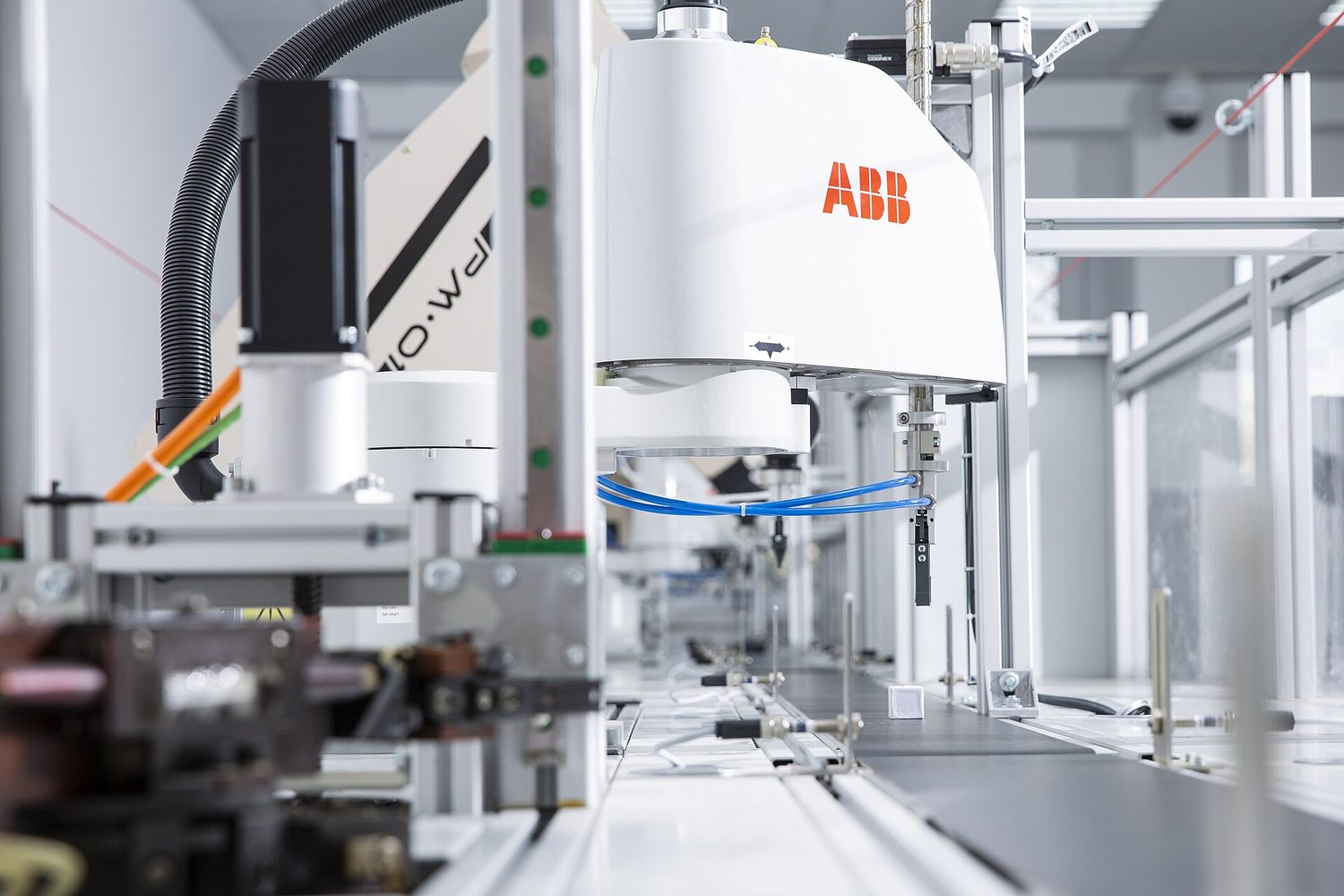
| 1 ロボティクスの意味を理解する | • ロボティクスは、ロボットの設計、構築、運用を統合するコンピュータ科学の分野である • 例として、工場設備、家庭用ロボット、ドローンがある |
| 2 ロボットの特徴を説明する | • 以下を含む: – 機械的構造またはフレームワーク – センサー、マイクロプロセッサ、アクチュエータなどの電気部品 – プログラマブル性 |
| 3 ロボットが果たす役割を理解し、その使用における利点と欠点を説明する | • ロボットは以下の分野で使用される: – 産業 – 輸送 – 農業 – 医療 – 家庭環境 – エンターテインメント |
出典: Cambridge International シラバス
English
Robotics 机器人技术 is the branch of technology that deals with the design, building and operation of robots 机器人.
A robot has these characteristics:
- a physical structure 物理结构 (a mechanical 机械的 body, such as arms);
- electrical components 电子元件 (motors, sensors and wiring);
- programmable instructions 可编程指令 — it follows a program that can be changed.
What robots do
Robots can perform many roles, for example:
- factory equipment 工厂设备 — building cars, welding, moving heavy parts;
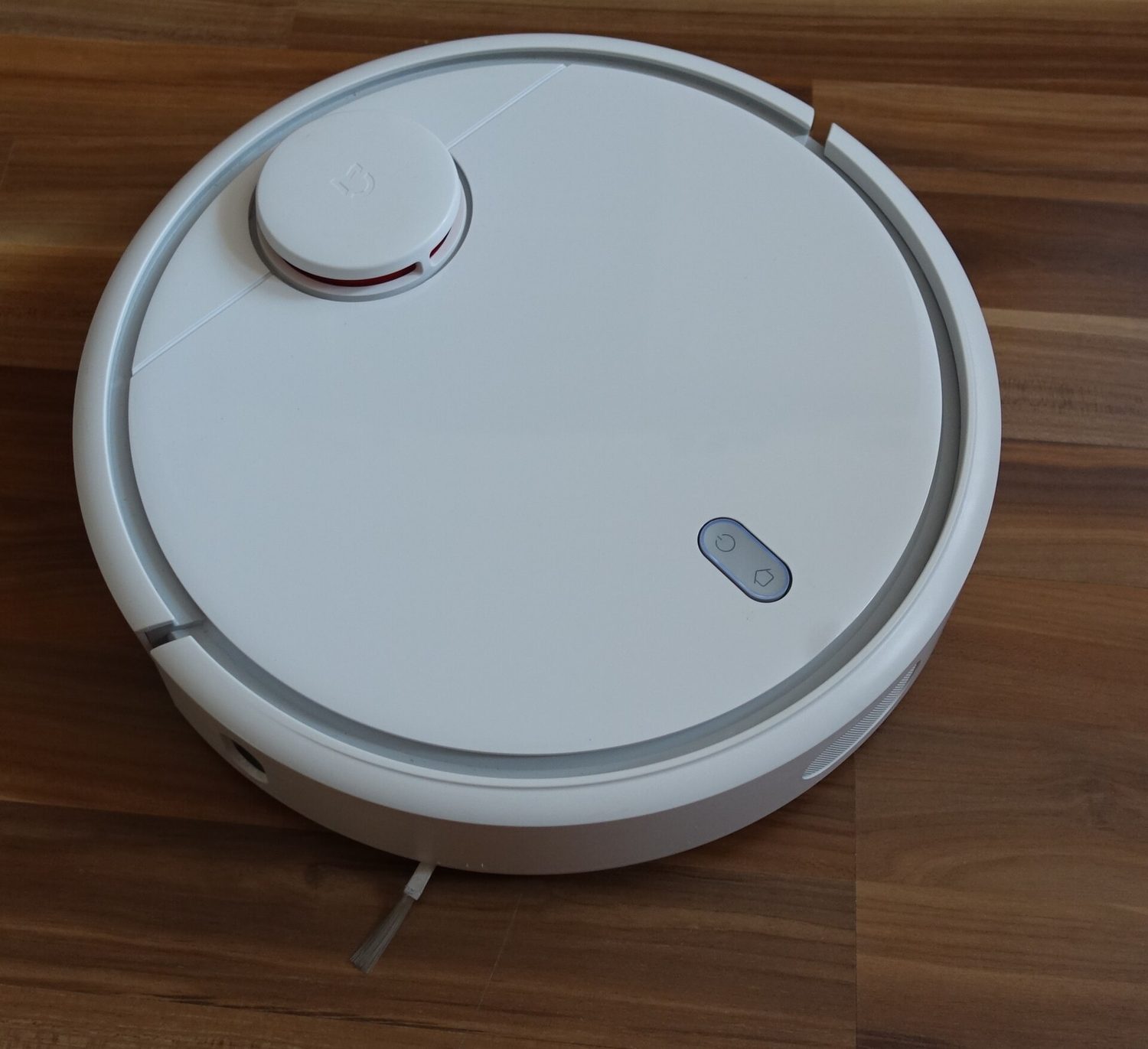
- domestic appliances 家用电器 — such as a robotic vacuum cleaner 吸尘器;
- transport — self-driving cars, driverless trains, and robots that move goods in warehouses;
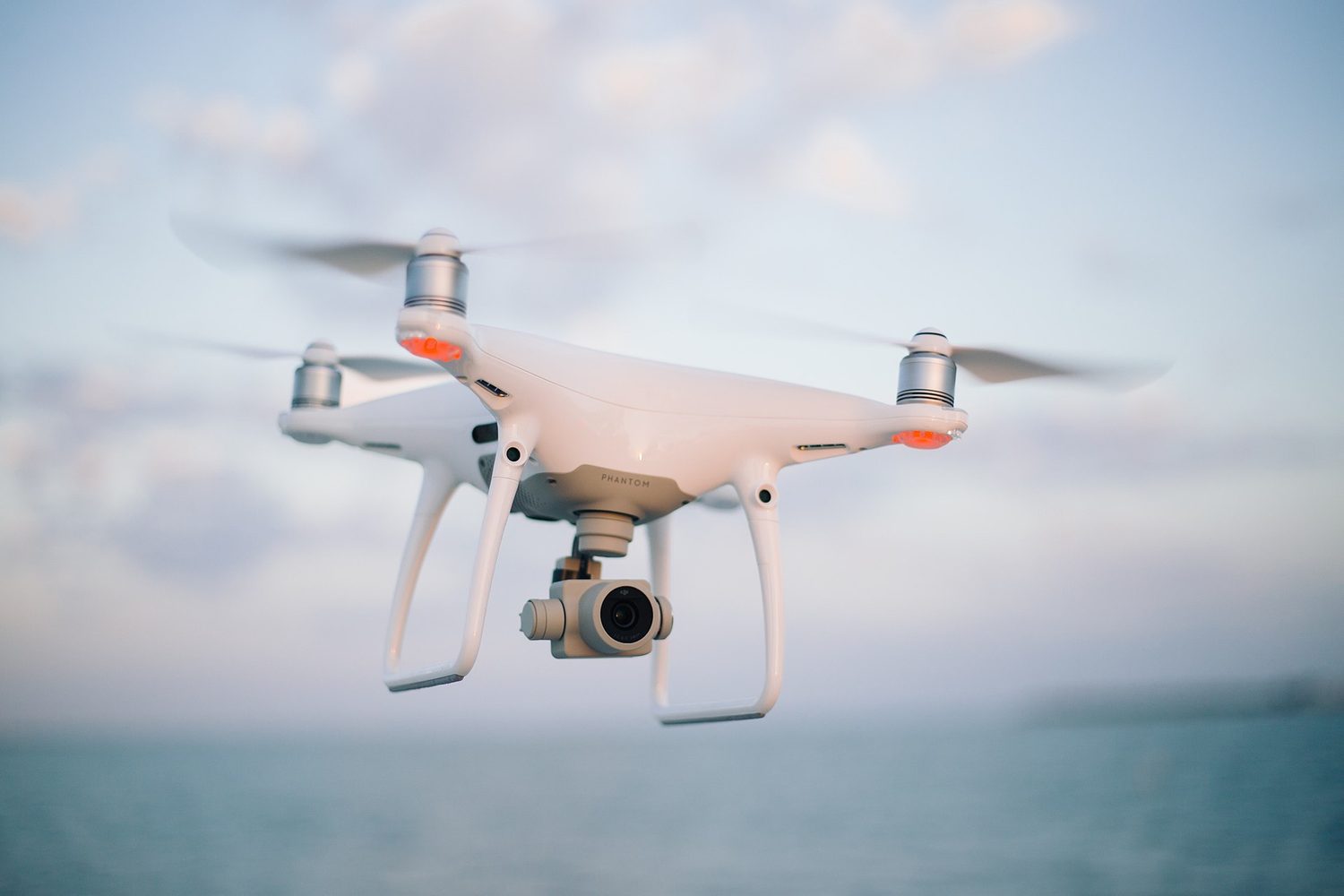
- agriculture — robots that pick fruit, weed crops or milk cows, and drones that spray crops;
- medicine — robot arms that help surgeons make very small, steady cuts;
- entertainment — moving robots in theme-park rides and films, and camera drones.
| Advantages | Disadvantages |
|---|---|
| do dull or dangerous jobs | expensive to buy and maintain |
| work quickly and accurately | can replace human workers |
| do not get tired or bored | a fixed-program robot has a lack of independent decision-making 缺乏独立决策 — its responses are limited by its program |
A fixed-program robot is limited by the instructions and responses built into its control system. Robots using AI may adapt within their design, but unexpected situations can still require human help.
Worked example. A hospital uses a robot to assist in surgery. Give one advantage and one disadvantage. Advantage: the robot arm does not shake or get tired, so it can make very precise, small cuts, and patients may recover faster. Disadvantage: the robot is very expensive to buy and maintain, and surgeons must be trained to use it.
探索
コンピューティング概念ラボ
具体的な例を、それが示すコンピューティングのアイデアに基づいて分類せよ。
語彙
練習する
| English | 日本語 |
|---|---|
| Robotics/rəʊˈbɒtɪks/ | ロボティクス |
| robots/ˈrəʊbɒts/ | ロボット |
| physical structure/ˈfɪzɪkl ˈstrʌktʃə/ | 物理構造 |
| electrical components/ɪˈlektrɪkl kəmˈpəʊnənts/ | 電子部品 |
| programmable instructions/ˈprəʊɡrəməbl ɪnˈstrʌkʃnz/ | プログラム可能な指令 |
| factory equipment/ˈfæktəri ɪˈkwɪpmənt/ | 工場設備 |
| domestic appliances/dəˈmestɪk əˈplaɪənsɪz/ | 家庭用家電 |
| vacuum cleaner/ˈvækjuːm ˈkliːnə/ | 掃除機 |
| lack of independent decision-making/læk ɒv ˌɪndɪˈpendənt dɪˈsɪʒn ˈmeɪkɪŋ/ | 自律的な意思決定の欠如 |
| mechanical/mɪˈkænɪkl/ | 機械的な |
6.3
人工知能

シラバス
| 受験者は以下的能力を備えているべきである: | メモおよびガイドライン |
|---|---|
| 1 **人工知能(AI)**の意味を理解する | • AIは、コンピュータによる知的行動のシミュレーションを取り扱うコンピュータ科学の分野である |
| 2 AIの主な特徴を説明する。データとその使用方法のルール、推論能力の集まりであり、学習や適応能力を含むことがある | |
| 3 知的行動をシミュレートするためのAIシステムの基本的な動作および構成要素を説明する | • 以下に限定: – エキスパートシステム – マシンラーニング • エキスパートシステムには、知識ベース、ルールベース、推論エンジン、インターフェースがある • マシンラーニングとは、プログラムが自身のプロセスや/またはデータを自動的に適応できる能力を持つことである |
出典: Cambridge International シラバス
English
Artificial intelligence 人工智能 (AI) is the simulation 模拟 of human intelligence by computer systems. This means a computer doing tasks that normally need human thinking.
Characteristics of AI
AI systems may use the following features. A particular system need not learn or adapt: for example, an expert system can apply a fixed set of rules.
- they collect data and the rules 规则 for using that data;
- they have the ability to reason 推理 (work things out using the rules);
- they have the ability to draw conclusions 得出结论, which may be approximate 近似的 (a best guess) or definite 确定的 (certain);
- they have the ability to learn 学习 from data;
- they have the ability to adapt 适应 — to change their behaviour as they get new data.
Examples of AI
- expert systems 专家系统 — software that gives advice like a human expert (for example, helping a doctor with a diagnosis);
- natural language processing 自然语言处理 — understanding human speech or text;
- self-driving cars 自动驾驶汽车.

Inside an expert system
An expert system stores human expertise and reasons from it. It has four parts:
- a knowledge base 知识库 – the stored facts about the subject;
- a rule base 规则库 – the “if… then…” rules a human expert would apply;
- an inference engine 推理引擎 – applies the rules to the facts to reach a conclusion;
- a user interface 用户界面 – asks the user questions and shows the result.
The interface collects facts from the user; the inference engine runs the rule base against the knowledge base; and the system outputs a diagnosis or a probability – as used to help a doctor diagnose an illness or to find a car fault.

Machine learning
Machine learning 机器学习 is a program that improves its own performance from experience, without being explicitly reprogrammed. It finds patterns in data and adapts: a search engine gets better at ranking results, a voice assistant recognises spoken commands more accurately, and a robot vacuum gradually learns the layout of a room.
Narrow, general and strong AI
| Type | What it means |
|---|---|
| narrow AI 弱人工智能 | designed for a particular task or limited domain (for example, a chess program) |
| general AI 通用人工智能 | a proposed system with broad capability across many intellectual tasks |
| strong AI 强人工智能 | in this course’s terminology, a proposed system with human-like understanding and awareness |

探索
コンピューティング概念ラボ
具体的な例を、それが示すコンピューティングのアイデアに基づいて分類せよ。
語彙
練習する
| English | 日本語 |
|---|---|
| Artificial intelligence/ˌɑːtɪˈfɪʃl ɪnˈtelɪdʒəns/ | 人工知能 |
| simulation/ˌsɪmjʊˈleɪʃn/ | シミュレーション |
| rules/ruːlz/ | ルール |
| reason/ˈriːzn/ | 推論 |
| draw conclusions/drɔː kənˈkluːʒnz/ | 結論を導く |
| approximate/əˈprɒksɪmət/ | おおよその |
| definite/ˈdefɪnət/ | 明確な |
| learn/lɜːn/ | 学習する |
| adapt/əˈdæpt/ | 適応する |
| expert systems/ˈekspɜːt ˈsɪstəmz/ | エキスパートシステム |
| natural language processing/ˈnætʃərəl ˈlæŋɡwɪdʒ ˈprəʊsesɪŋ/ | 自然言語処理 |
| self-driving cars/self ˈdraɪvɪŋ kɑːz/ | 自動運転車 |
| knowledge base/ˈnɒlɪdʒ beɪs/ | 知識ベース |
| rule base/ruːl beɪs/ | ルールベース |
| inference engine/ˈɪnfərəns ˈendʒɪn/ | 推論エンジン |
| user interface/ˈjuːzə ˈɪntəfeɪs/ | ユーザーインターフェース |
| Machine learning/məˈʃiːn ˈlɜːnɪŋ/ | 機械学習 |
| narrow AI/ˈnærəʊ ˌeɪ ˈaɪ/ | 狭義人工知能 |
| general AI/ˈdʒenərəl ˌeɪ ˈaɪ/ | 汎用人工知能 |
| strong AI/strɒŋ ˌeɪ ˈaɪ/ | 強人工知能 |
6.3
試験対策ポイント
English
- Learn the control loop: a sensor measures a quantity → the microprocessor compares it with a stored value → an actuator takes action; then the loop repeats.
- Do not confuse the parts: a sensor sends data in; an actuator causes movement out.
- A robot follows programmable instructions; a fixed-program robot cannot decide for itself when something unexpected happens.
- For an advantage or disadvantage, name the scenario in your answer: say what it means for that factory, farm, street or hospital.
- AI simulates human thinking: it collects data and rules, reasons, draws conclusions, and can learn and adapt.
- Know the AI levels: narrow (one task or a limited area), general (a proposed system that can handle a broad range of tasks), strong (a proposed system with human-like understanding and awareness).
役に立ちましたか?
何が問題でしたか?この内容はサイトの運営チームだけが確認します。
このトピックのインタラクティブ授業
一歩ずつ進め、即時チェック付きの問題で学習します。