תסתכלו על כל רחוב מסחר. חנות אחרי חנות, כולן מוכרות משהו, כולן רודפות אחר אותם לקוחות. כל אחת מהן היא עסק. אבל מהו עסק באמת…
English narration · English + 中文 subtitles burned in · קריאת קול באנגלית · תרגום אנגלי + סינית שרוף בתוך הסרטון
1.1
What business activity is for · מהי פעילות העסקית מיועדת
Syllabus · סיילבוס
English
understand the purpose of business activity: combining factors of production (land, labour, capital, enterprise) to make goods and services that satisfy people's needs and wants
understand the economic problem: needs and wants are unlimited but resources are scarce, so choices must be made
understand opportunity cost: the next best alternative given up when a choice is made
explain the concept of added value (selling price minus cost of bought-in materials) and how a business can increase added value
הבנת מטרת הפעילות העסקית: שילוב גורמי הייצור (אדמה, עבודה, הון, עסקאות) ליצירת מוצרים ושירותים המשרתים צרכים ורצונות אנשים
הבנת הבעיה הכלכלית: צרכים ורצונות הם אינסופיים אך המשאבים מוגבלים, ולכן יש לבצע בחירות
הבנת עלות הזדמנות: האלטרנטיבה הטובה ביותר שנותרה מאחור כאשר נעשית בחירה
הסבר מושג הערך המוסף (מחיר מכירה פחות עלות חומרי רכישה) וכיצד עסק יכול להגדיל את הערך המוסף
הבנת סיבות להצלחה או לכשלון של עסקים (למשל: מיומנויות ניהול, מימון, תחרות)
Source: Cambridge International syllabus · מקור: הסיילבוס הבינלאומי של קמבריד'ג'
English
A business 企业 is an organisation that makes goods 商品 or provides services 服务 for customers 顾客.
Goods are physical things you can touch — bread, phones, cars.
Services are useful actions done for you — a haircut, a bus ride, a doctor's visit.
The purpose of business activity is to use resources 资源 to make goods and services, so that people's needs 需要 and wants 欲望 are met.
Needs are things you must have to live: food, water, shelter, clothes.
Wants are things you would like but can live without: a holiday, a games console.
Factors of production
To produce anything, a business brings together four factors of production 生产要素 — the resources needed to make goods and services.
Factor
What it means
Example
land 土地
natural resources
farmland, water, oil, minerals
labour 劳动力
the work of people
workers, managers
capital 资本
money and the man-made tools bought with it
machines, factories, vehicles
enterprise 企业家才能
the skill to bring the other three together and take risks
the owner's idea and effort
The economic problem
People's needs and wants are unlimited. But resources are scarce 稀缺 — there are not enough of them for everything. This is the economic problem 经济问题.
Because resources are scarce, you must always choose. You cannot have everything.
Opportunity cost
When you choose one thing, you give up the next best thing. The opportunity cost 机会成本 is the next best choice you give up.
Example: a business has some money and spends it on a new machine. Now it cannot also spend that money on a bigger shop. The bigger shop is the opportunity cost.
Added value
Added value 增值 is the difference between the price a business sells a product for and the cost of the raw materials 原材料 bought in to make it.
$$\text{added value} = \text{selling price} - \text{cost of bought-in materials}$$
A business can increase added value by:
raising the price, often through a strong brand 品牌 or better design,
lowering the cost of materials, for example by finding cheaper suppliers,
improving the product so customers will pay more.
Worked example. A furniture maker buys the wood and fabric for a chair for £40 and sells the chair for £110. The factory rent is £6,000 a month. Find the added value per chair.
The rent is a deliberate distractor. Added value counts only the cost of the bought-in materials, so rent, wages and other running costs stay out of it - they matter for profit, not for added value. Subtract only what was bought in to make the product, and never treat added value as if it were profit.
Why businesses succeed or fail
A business is more likely to succeed when it has:
good management 管理 — skilled leaders who plan well,
enough finance 资金 — money to pay bills while it grows,
a product customers want, and an edge over the competition 竞争 (the other businesses selling similar things).
A business may fail and close down when it runs out of cash, manages money badly, or cannot compete. Weak management and poor cash control are the most common causes.
עברית
חנויות המתחרות ברחוב הראשי: עסקים יוצרים מוצרים ושירותים כדי לענות על הצרכים של האנשים.חברות מייצרות סחורות ושירותים כדי לספק את הצרכים והרצונות של אנשים
עסק הוא ארגון שמייצר מוצרים פיזיים או מספק שירותים ללקוחות.
מוצרים הם דברים פיזיים שניתן למשוך אותם — לחם, טלפונים, מכוניות.
שירותים הם פעולות שימושיות הנעשות עבורכם — תסרוקת, נסיעה באוטובוס, ביקור אצל רופא.
המטרה של פעילות עסקית היא להשתמש במשאבים כדי ליצור מוצרים ושירותים, כך שהצרכים ורצונות של האנשים יסופקו.
צרכים הם דברים שאתם חייבים כדי להתקיים: מזון, מים, מקלט, בגדים.
רצונות הם דברים שאתם מעדיפים אך יכולים להסתדר בלעדם: חופשה, קונסולת משחקים.
גורמי ייצור
כדי לייצר כל דבר, עסק מאחד ארבעה גורמי ייצור — המשאבים הנדרשים ליצירת מוצרים ושירותים.
גורם
משמעות
דוגמה
קרקע
משאבים טבעיים
אדמות חקלאיות, מים, נפט, מינרלים
עבודה
העבודה של אנשים
עובדים, מנהלים
הון
כסף וכלי עשוי ידי אדם שנרכשו עמו
מכונות, מפעלים, רכבים
יזמות
המיומנות לאחד את השלושה גורמים האחרים ולקחת סיכונים
הרעיון והמאמץ של בעל העסק
ארבעת גורמי הייצור מאוחדים כדי לייצר מוצרים ושירותים
הבעיה הכלכלית
הצרכים והרצונות של אנשים אינם מוגבלים. אך המשאבים נדירים — אין מספיק מהם לכל צורך. זוהי ה-בעיה הכלכלית.
מכיוון שמשאבים נדירים, עליך תמיד לבחור. לא ניתן לקבל את הכל.
עלות הזדמנות
כשאתה בוחר במועדף אחד, אתה ויתרת על האפשרות הטובה ביותר הבאה. עלות ההזדמנות היא המועדף הטוב ביותר שוותרת עליו.
למשל: לחברה יש כסף והיא משקיעה אותו במכונה חדשה. כעת היא לא יכולה גם לשקוע את הכסף בחנות גדולה יותר. החנות הגדולה יותר היא עלות ההזדמנות.
עלות ההזדמנות היא המועדף הטוב ביותר שוותרת עליו
ערך מוסף
ערך מוסף הוא ההפרש בין המחיר שבו חברה מוכרת מוצר לבין עלות ה-חומרי גלם שנרכשו ליצירתו.
$$\text{added value} = \text{selling price} - \text{cost of bought-in materials}$$
ערך מוסף הוא מחיר המכירה פחות עלות החומרים הנרכשים
חברה יכולה להגדיל את הערך המוסף על ידי:
הרמת המחיר, לעיתים קרובות באמצעות מותג חזק או עיצוב טוב יותר,
הורדת עלות החומרים, לדוגמה על ידי מציאת ספקים זולים יותר,
שיפור המוצר כדי שהלקוחות ישלמו יותר.
דוגמה מפורטת. יצרן רהיטים קנה עץ ובד לכיסא בתשלום של £40 ומכר את הכיסא בתשלום של £110. השכירות למפעל היא £6,000 לחודש. מצאו את הערך המוסף לכל כיסא.
השכירות היא מפנה מתכוונן. ערך מוסף מחושב רק לפי עלות החומרים הנרכשים, ולכן שכירות, משכורות ועלויות הפעלה אחרות אינן נכללות בהן — הן רלוונטיות ל-רווח, ולא לערך מוסף. חסרו רק את מה שנרכש ליצירת המוצר, ואין לטפל בערך מוסף כאילו היה רווח.
מדוע עסקים מצליחים או נכשלים
עסק סביר יותר להצליח כאשר יש לו:
ניהול טוב — מנהיגים מיומנים המתכננים היטב,
הון מספיק — כסף לכסות חשבונות בעת הגדילה,
מוצר שלקוחות רוצים, ויתרון על פני התחרות (העסקים האחרים המוכרים מוצרים דומים).
עסק עשוי להיכשל ולסגור כאשר נגמר לו מזומן, ניהל את הכסף בצורה לא טובה, או אינו יכול להתחרות. ניהול חלש ושליטה גרועה במזומנים הם הסיבות הנפוצות ביותר.
Explore · חקור
Value added lab · מעבדת הוספת ערך
Change the bought-in cost, the selling price and other costs to see how business activity creates value added. · שנה את עלות הרכישות, מחיר המכירה ועלויות אחרות כדי לראות כיצד פעילות עסקית יוצרת תוספת ערך.
ההבדלה בין הסקטור הפרטי לבין הסקטור הציבורי והצגת מאפייני כל אחד מהם
Source: Cambridge International syllabus · מקור: הסיילבוס הבינלאומי של קמבריד'ג'
English
The three sectors
We sort all business activity into three groups, by how far the work is from the final customer.
Sector
What it does
Examples
primary sector 第一产业
takes natural resources from the earth
farming, fishing, mining, oil drilling
secondary sector 第二产业
makes goods from raw materials
building, manufacturing 制造业, food processing
tertiary sector 第三产业
provides services
shops, banks, transport, tourism
How the sectors change
The importance of each sector changes as a country grows richer.
In a developing economy 发展中经济体 (a poorer country building up its industry), the primary sector is often large — many people farm.
As the country grows, the secondary sector grows too.
In a developed economy 发达经济体 (a rich, industrialised country), most people work in the tertiary sector.
De-industrialisation 去工业化 is when the secondary sector shrinks and the tertiary sector grows. This has happened in many developed economies as factories move abroad.
Private sector and public sector
The private sector 私营部门 is made up of businesses owned by private people and groups. Most aim to make a profit 利润. The public sector 公共部门 is made up of organisations owned by the government, which aim to provide a service to the public.
Private sector
Public sector
Owner
private people and companies
the government
Main aim
usually profit
provide services to everyone
Examples
shops, factories, private firms
state schools, public hospitals, the army
עברית
שלושת התחומים
אנו ממיינים כל פעילות עסקית לשלושה קבוצות, לפי הקרבה של העבודה ללקוח הסופי.
תחום
מה שהוא עושה
דוגמאות
תחום ראשוני
לוקח משאבים טבעיים מהקרקע
חקלאות, דיג, מכרות, קידוח נפט
תחום משני
מייצר סחורות מחומרי גלם
בנייה, ייצור, עיבוד מזון
תחום תרטיאי
מספק שירותים
חנויות, בנקים, תחבורה, תיירות
הפעילות העסקית זורמת מתחום ראשוני דרך תחום משני עד לתחום תרטיאי
כיצד התחומים משתנים
החשיבות של כל תחום משתנה ככל שהמדינה עשירה יותר.
בכלכלה פותחת (מדינה ענייה הבונה את תעשייתה), התחום הראשוני הוא לעיתים גדול — אנשים רבים עוסקים בחקלאות.
ככל שהמדינה צומחת, גם התחום השניי צומח.
בכלכלה מפותחת (מדינה עשירה ותעשייתית), רוב האנשים עובדים בתחום התרטיאי.
התעשייה היא תהליך שבו התחום השני (התעשייתי) צמצם את פעילותו והתחום השלישי (שירותי) גדל. תהליך זה התרחש בכלכלות מפותחות רבות כאשר מפעלים עברו לחו"ל.
התחום הפרטי והתחום הציבורי
התחום הפרטי מורכב ממגזרים המנוהלים על ידי פרטים וקבוצות פרטיות. רובם שואפים להשיג רווח. התחום הציבורי מורכב מארגונים המנוהלים על ידי הממשלה, אשר מטרתם היא לספק שירותים לציבור.
תחום פרטי
תחום ציבורי
בעלים
אנשים וחברות פרטיות
הממשלה
מטרה ראשונית
בדרך כלל רווח
ספק שירותים לכל אדם
דוגמאות
חנויות, מפעלים, חברות פרטיות
בתי ספר מדינתיים, בתי חולים ציבוריים, הצבא
Explore · חקור
Classify business activity · מיון פעילות עסקית
Sort real firms by the sector they mainly belong to. · סדרו חברות אמיתיות לפי המגזר שבו הן משתייכות בעיקר.
1.3
Enterprise, business growth and size · יזמות, גידול ועסקים וגודלם
Syllabus · סיילבוס
English
describe the characteristics of a successful entrepreneur (risk-taker, hard-working, innovative, confident, organised)
explain the contents and purpose of a business plan and how it helps a business raise finance
explain why and how governments support business start-ups (grants, loans, training, advice)
measure the size of a business (number of employees, revenue/sales, capital employed) and the limitations of each measure
explain why some businesses remain small and why/how businesses grow (internal/organic growth and external growth: mergers and takeovers, horizontal, vertical and conglomerate integration)
explain economies and diseconomies of scale (purchasing, financial, managerial, technical, marketing)
עברית
תיאור המאפיינים של יזם מצליח (נושא סיכונים, עובד קשה, חדשני, סומך על עצמו, מאורגן)
הסבר על התוכן והמטרה של תוכנית עסקית וכיצ היא עוזרת לעסק לגייס מימון
הסבר מדוע וכיצ הממשלות תומכות בהקמת עסקים חדשים (מענקים, הלוואות, הכשרה, ייעוץ)
מדידת גודל עסק (מספר עובדים, הכנסות/מכירות, הון מושקע) וביצוע הגבלות של כל מדידה
הסבר מדוע חלק מעסקים נשארים קטנים ומדוע/כיצ עסקים צומחים (צמיחה פנימית/אורגנית וצמיחה חיצונית: מיזוגים ורכישות, אינטגרציה אופקית, אנכית וקונגלומרטית)
הסבר על תמורות עסקיות ואי-תמורות עסקיות (קניות, פיננסיות, מנהליות, טכניות, שיווק)
Source: Cambridge International syllabus · מקור: הסיילבוס הבינלאומי של קמבריד'ג'
English
The entrepreneur
An entrepreneur 企业家 is a person who sets up a business and takes the risk of running it. Successful entrepreneurs usually:
are willing to take risk 风险 — to risk their own money on a new idea,
work hard and do not give up,
are innovative 创新 — full of new ideas,
are confident and good at making decisions,
are well organised, able to manage time, money and people.
The business plan
A business plan 商业计划书 is a document that describes the business and its future. It usually contains the business idea and objectives, the product, the market 市场 it will sell to, who will run it, and a plan for the money.
A business plan has two main uses:
it makes the owner think carefully and plan ahead,
it helps the business raise finance 筹集资金 — banks and investors want to see a plan before they lend or invest.
Government support for start-ups
A start-up 初创企业 is a brand-new business. New businesses create jobs and help the economy grow, so governments often support them with:
grants 补助金 — money given that does not have to be paid back,
low-interest loans 贷款 — money lent on easy terms,
training and advice for new owners,
lower taxes in the first years.
Measuring the size of a business
You can measure how big a business is in several ways. Each one has a weakness.
Measure
How it works
Limitation
number of employees 员工
count the staff
a high-tech firm can have few staff but large output 产量
revenue 收入 (sales)
the value of everything sold
a firm selling cheap goods may sell a lot yet be small
capital employed 所用资本
the total money invested in the business
hard to compare between different industries
Staying small or growing
Some businesses stay small on purpose: the owner wants to keep control, the market is small, or the product is specialised.
Businesses that want to grow bigger — to achieve growth 增长 — can do it in two ways.
Internal growth 内部增长 (also called organic growth): the business grows by itself, by selling more, opening new branches, or adding new products. It is slower but lower-risk.
External growth 外部增长: the business joins with another business. This is faster. It happens through a merger 合并 (two businesses agree to join into one) or a takeover 收购 (one business buys control of another).
External growth is classified by the kind of business that is joined.
Type
What joins
Example
horizontal integration 横向一体化
two firms at the same stage of the same business
two car makers join
vertical integration 纵向一体化
two firms at different stages of the same business
a car maker buys a tyre maker
conglomerate integration 混合一体化
two firms in completely different businesses
a car maker buys a food company
Economies and diseconomies of scale
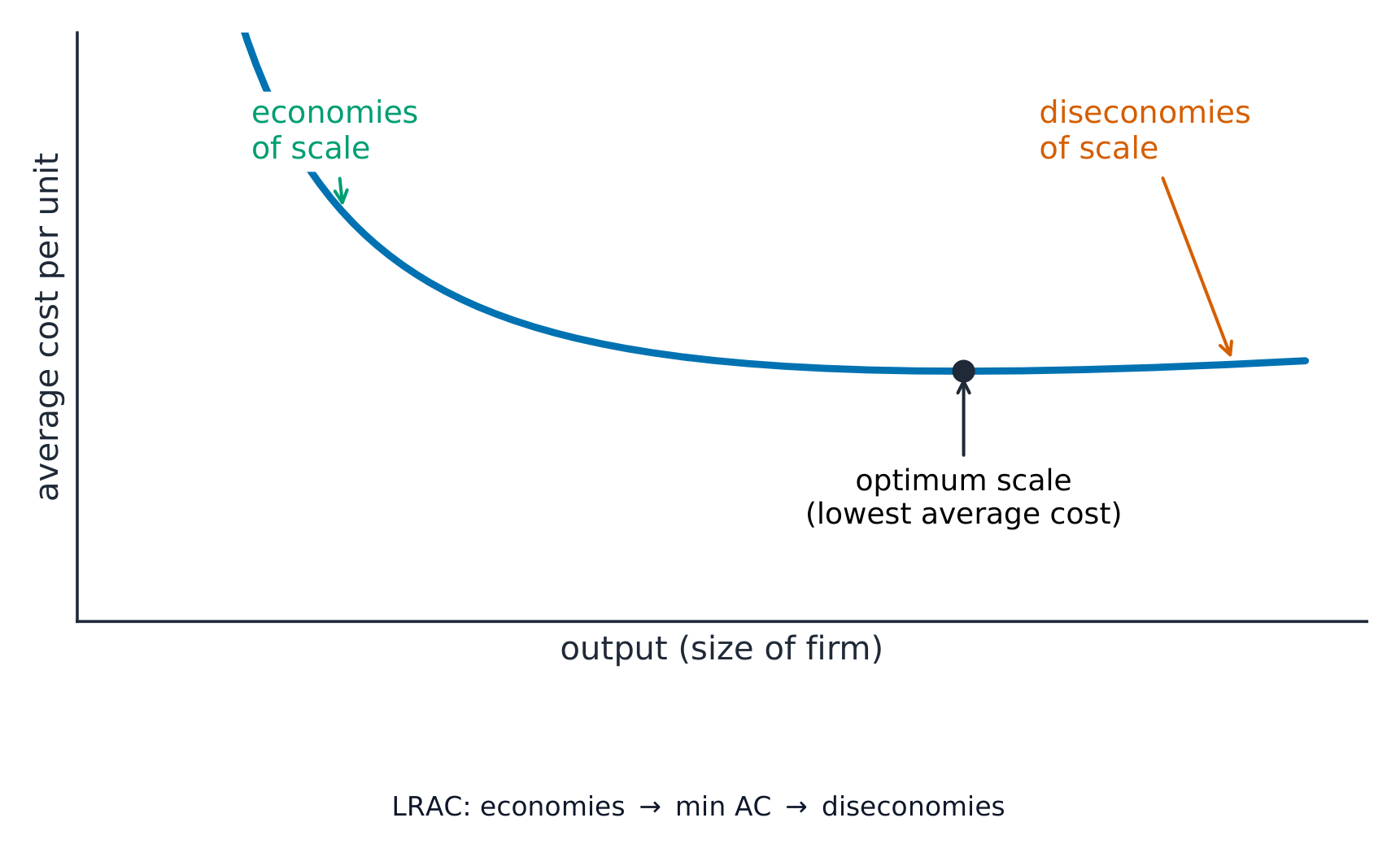
As a business grows, its cost per unit can fall. These savings are called economies of scale 规模经济.
Type
How the cost per unit falls
purchasing
buying large amounts of materials brings a lower price
financial
large firms can borrow money more cheaply
managerial
the firm can afford expert managers
technical
the firm can use large, efficient machines
marketing 营销
the cost of advertising 广告 is spread over more goods
If a business grows too big, the cost per unit can start to rise again. These are diseconomies of scale 规模不经济. They happen because communication 沟通 in a huge firm gets worse, workers feel less important and work less hard, and managers find the firm hard to control.
עברית
היזם
יזם הוא אדם שמייסד עסק ונושא בסיכון ניהולו. יזמים מצליחים בדרך כלל:
מוכנים לקחת סיכון – למסור כסף אישי על רעיון חדש,
עובדים קשה ואינם נופלים
הם חדשניים – מלאים ברעיונות חדשים,
הם בטוחים בעצמם ומצטיינים בקבלת החלטות,
הם מאורגנים היטב, מסוגלים לנהל זמן, כסף ואנשים.
מה יזמים מצליחים בדרך כלל כמו
תוכנית העסק
תוכנית עסק היא מסמך המתאר את העסק ואת עתידו. היא מכילה בדרך כלל את הרעיון העסקי והמטרות, את המוצר, את השוק אליו הוא ימכר, מי יהיה אחראי על ההפעלה, ותוכנית לכספים.
לתוכנית עסק יש שני שימושים עיקריים:
זה גורם לבעלים לחשוב בקפידה ולתכנן מראש,
זה עוזר לעסק להשיג מימון — בנקים ומשקיעים רוצים לראות תוכנית לפני שהם ילוו או ישקיעו.
תמיכת הממשלה בתחילתי עסקים
חברת תחילה היא עסק חדש לגמרי. חברות חדשות יוצרות מקומות עבודה ועוזרות לכלכלה לצמוח, לכן הממשלות לעיתים תדירות תומכות בהן באמצעות:
מענקים — כסף שניתן ואינו דורש החזרה,
הלוואות בעלות ריבית נמוכה — כסף שמלווה בתנאים קלים,
הכשרה וייעוץ לבעלים חדשים,
מס נמוך יותר בשנים הראשונות.
מדידת גודל העסק
ניתן למדוד את גודל העסק בדרכים שונות. לכל אחת מהן יש חולשה.
מדידה
כיצד זה עובד
מגבלה
מספר עובדים
ספירת הצוות
חברה הייטקית עשויה להיות עם מעט צוות אך תפוקה גדולה
הכנסות (מכירות)
הערך של כל הנמכר
חברה המוכרת מוצרים זולים עשויה למכור הרבה אך להישאר קטנה
הון מושקע
הסכום הכולל שהושקע בעסק
קשה להשוות בין תעשיות שונות
השארה קטנה או צמיחה
חלק מעסקים נשארים קטנים במתכוון: הבעย์ רוצה לשמור על שליטה, השוק קטן או המוצר הוא ספציפי.
עסקים הרצוניים לצמוח יותר — כדי להשיג צמיחה — יכולים לעשות זאת בשתי דרכים.
צמיחה פנימית (הנקראת גם צמיחה אורגנית): העסק צומח מעצמו, על ידי מכירה יותר, פתיחת סניפים חדשים או הוספת מוצרים חדשים. זוהי איטית יותר אך עם סיכון נמוך יותר.
צמיחה חיצונית: העסק מצטרף לעסק אחר. זהו תהליך מהיר יותר. זה מתרחש דרך מיזוג (שתי חברות מסכימות להתחדד לאחת) או קנייה (חברה אחת קונה שליטה בחברה אחרת).
צמיחה חיצונית מסווגת לפי סוג העסק שהוא מצטרף.
סוג
מה מחבר
דוגמה
אינטגרציה אופקית
שתי חברות באותה רמת פעילות עסקית
שתי יצרניות מכוניות מתמזגות
אינטגרציה אנכית
שתי חברות ברמות שונות של אותה פעילות עסקית
יצרנית מכוניות קונה יצרנית צמיגים
אינטגרציה קונגלומרטיבית
שתי חברות בתחומי עסקים שונים לחלוטין
יצרנית מכוניות קונה חברה מזון
תמורות ומתמורות גודל
ככל שהעסק גדל, העלות ליחידה יכולה לרדת. חיסכון זה נקרא תמורת גודל.
סוג
כיצד העלות ליחידה יורדת
רכישה
רכישת כמויות גדולות של חומרים מביאה למחיר נמוך יותר
פיננסית
חברות גדולות יכולות לקבל הלוואות במחיר זול יותר
מנהלית
החברה יכולה להרשות לעצמה מנהלים מומחים
טכנית
החברה יכולה להשתמש במכונות גדולות ויעילות
שיווק
עלות הפרסום מתפוצעת על מספר גדול יותר של מוצרים
אם עסק גדל מדי, העלות ליחידה עשויה להתחיל לעלות שוב. אלו הן מתמורות גודל. הן נובעות מכך שהתקשורת בחברה ענקית הופכת לגרועה, העובדים מרגישים פחות חשובים ועובדים פחות בעצימות, והמנהלים מתקשים לשלוט בחברה.
העלות הממוצעת ליחיד יורדת (מנועי סקאלה) ואז עולה (דיס-סקאלה) כשהחברה גדלה
Explore · חקור
Business case lab · מעבדת מקרה עסקי
Classify real decisions so the main business concept becomes concrete. · מיינו החלטות אמיתיות כדי שהמושג המרכזי בעסק יהפוך למلمשי.
Types of business organisation · סוגי ארגון עסקי
Syllabus · סיילבוס
English
describe the features, advantages and disadvantages of sole traders, partnerships, private limited companies and public limited companies
explain the difference between unlimited and limited liability and between incorporated and unincorporated businesses
describe franchises, joint ventures and social enterprises and their advantages and disadvantages
explain the features of public sector business organisations (public corporations)
עברית
תיאור המאפיינים, היתרונות והחסרונות של בעלי עסקים בנפרד, שותפויות, חברות פרטיות מוגבלות וחברות ציבוריות מוגבלות
הסבר על ההבדל בין אחריות בלתי מוגבלת לאחריות מוגבלת, ובין עסקים רשומים לבעלי עסקים שאינם רשומים
תיאור פריינצ'יזות, מיזמים משותפים ועסקים חברתיים ואתר יתרונותיהם וחסרונותיהם
הסבר על מאפייני ארגוני עסקים בתחום הציבור (חברות ציבוריות)
Source: Cambridge International syllabus · מקור: הסיילבוס הבינלאומי של קמבריד'ג'
English
Liability
Liability 责任 means who must pay the debts 债务 if a business cannot pay them itself.
With unlimited liability 无限责任, the owner is personally responsible for all the debts. If the business fails, the owner may lose personal things, like a house or car, to pay them.
With limited liability 有限责任, the owner can only lose the money they put into the business. Their personal things are safe.
Incorporated and unincorporated
An incorporated 法人 business has a separate legal identity from its owners. The business itself can own things and be taken to court. Its owners get limited liability. Companies are incorporated.
An unincorporated 非法人 business is not separate from its owner in law. Sole traders and partnerships are unincorporated.
The four main types
A sole trader 独资企业 is a business owned by one person.
Advantages
Disadvantages
easy and cheap to set up
unlimited liability
the owner keeps all the profit
hard to raise finance
the owner makes all decisions
long hours, no one to share the work
private (accounts stay secret)
the business ends if the owner stops
A partnership 合伙企业 is owned by two or more people who share the work, the decisions and the profit. They usually sign a written agreement.
Advantages
Disadvantages
more owners bring more capital
unlimited liability (in most cases)
work and ideas are shared
the profit is shared
easy to set up
partners can disagree
one partner's mistake affects everyone
A private limited company 私人有限公司 (often "Ltd") is owned by shareholders 股东, but its shares cannot be sold to the public. The owners are often family and friends.
Advantages
Disadvantages
limited liability
more legal rules and paperwork
easier to raise capital than a sole trader
shares cannot be sold to the public
control stays in a small group
accounts must be shared with the government
A public limited company 公众有限公司 (often "plc") is a large company whose shares 股份 can be bought by the public on the stock exchange 证券交易所.
Advantages
Disadvantages
can raise very large amounts of capital
expensive and complex to set up
limited liability
accounts are fully public
well known, so easy to borrow
anyone can buy shares, so there is a risk of takeover
the original owners may lose control
Shareholders may receive a share of the profit, called a dividend 股息.
Other forms of organisation
Franchise 特许经营: a person (the franchisee 加盟商) pays to use the name, products and methods of an existing successful business (the franchisor 授权商). The franchisee gets a known brand, training and lower risk, but must pay fees and a share of the profit and has less freedom. Many fast-food chains work this way.
Joint venture 合资企业: two businesses agree to share the cost, risk and profit of one project, while staying separate companies.
Social enterprise 社会企业: a business that trades to help society or the environment, not only to make profit. Most of its profit is put back into its social aims.
Public sector organisation
A public corporation 国有企业 is a business owned and run by the government, such as a national rail or postal service. Its aims include giving an important service to everyone, not only making a profit.
עברית
מטה חברת: העסקים נעים מעצמאים ועד לחברות ציבוריות ענקיות.
אחריות
אחריות מציינת מי חייב לשלם את החובות אם העסק אינו יכול לשלם אותם בעצמו.
עם אחריות בלתי מוגבלת, לבעל יש אחריות אישית על כל החובות. אם העסק נכשל, הבעל עלול לאבד רכוש אישי כמו בית או רכב כדי לשלם אותם.
עם אחריות מוגבלת, לבעל ניתן לאבד רק את הכסף שהשקיע בעסק. הרכוש האישי שלו בטוח.
חברה משולבת ולא משולבת
חברה משולבת היא לחברה זהות משפטית נפרדת מבעליה. החברה עצמה יכולה לרכוש רכוש ולהישפט. לבעליה יש אחריות מוגבלת. חברות הן משולבות.
חברה שאינה משולבת אינה נפרדת מבעליה במשפט. בעלי עסקים בודדים ושיתופי פעולה הם שאינם משולבים.
ארבעת הסוגים הראשיים
בעל עסק בודד הוא עסק בבעלות אדם אחד.
יתרונות
חסרונות
קל וזול להקמה
אחריות אינסופית
המנהל שומר על כל הרווח
קשה לגייס מימון
המנהל מקבל את כל ההחלטות
שעות עבודה ארוכות, אין מי לחלק את העבודה
פרטי (החשבונות נשארים סודיים)
העסק נפסק אם המנהל מפסיק
שותפות מנוהלת על ידי שני אנשים או יותר, המשתתפים בעבודה, בקבלת ההחלטות ובחלוקת הרווח. בדרך כלל הם חותמים על הסכם כתוב.
יתרונות
חסרונות
ריבוי בעלים מביא ע capital יותר
אחריות אינסופית (ברוב המקרים)
העבודה והרעיונות משותפים
הרווח מחולק
קל להקמה
השותפים עשויים להתמכח
טעות של שותף אחת פוגעת בכל האנשים
חברה מוגבלת פרטית (לרוב "Ltd") מנוהלת על ידי אקדמאים, אך המניות שלה לא נמכרות לציבור. הבעלים הם לעיתים קרובות משפחה וחברים.
יתרונות
חסרונות
אחריות מוגבלת
יותר תקנות משפטיות ומסמכים
קל יותר לגייס ע capital מאשר יחיד-פעיל
מניות לא נמכרות לציבור
השליטה נשארת בקבוצה קטנה
החשבונות חייבים להיות זמינים לממשלה
חברה מוגבלת ציבורית (לרוב "plc") היא חברה גדולה שהמניות שלה ניתנות לקנייה על ידי הציבור בבורסה לניירות ערך.
יתרונות
חסרונות
ניתן לגייס סכומי ע capital גדולים מאוד
הקמה יקרה ומורכבת
אחריות מוגבלת
החשבונות מפורסמים לחלוטין
ידוע היטב, ולכן קל להשקיע בו
כל אחד יכול לקנות מניות, ולכן קיים סיכון של התחלפה בבעלות
בעלי המניות המקוריים עשויים לאבד את השליטה
עלולים לקבל בעלי המניות חלק מהרווח, הנקרא דיבידנד.
סוגי עסקים לפי אחריות: ללא אינטגרציה משפטית (אחריות אינסופית) ואינטגרציה משפטית (אחריות מוגבלת)
צורות ארגון נוספות
פרנ차يز: אדם (הפרנचाיזי) משלם כדי להשתמש בשם, במוצרים ובשיטות של עסק קיים והצלחתי (הפרנצ'ייזר). הפרנचाיזי מקבל מותג מוכר, הכשרה וסיכון נמוך יותר, אך חייב לשלם עמלות וחלק מהרווח ויש לו פחות חופש פעולה. סדרת מסעדות מהירות רבות פועלת על פי שיטה זו.
מיזם משותף: שני עסקים מסכימים לחלוק במחיר, בסיכון וברווח של פרויקט אחד, תוך שמירה על כך שהם נותרו חברות נפרדות.
ארגון חברתי: עסק העוסק במסחר כדי לתרום לקהילה או לסביבה, ולא רק כדי להרוויח רווח. רוב הרווח שלו מושקע חזרה למטרות החברתיות שלו.
ארגונים בתחום הציבורי
חברה ציבורית היא עסק בבעלות ומנהל על ידי הממשלה, כמו שרת רכבות לאומית או שרות דואר. מטרתה כוללת מתן שירות חשוב לכל האוכלוסייה, ולא רק הרשאת רווח.
Explore · חקור
Choose the ownership form · בחרו את צורת הבעלות
Compare ownership, control and liability in real business types. · השוו בין בעלות, שליטה ואחריות במיזמים עסקיים אמיתיים.
Added value = selling price − cost of bought-in materials. A business raises it with a strong brand, better design, or cheaper materials.
Know the three sectors: primary (extracts raw materials), secondary (makes goods), tertiary (services). As a country develops, employment shifts from primary towards tertiary.
Unlimited liability (sole traders, partnerships) puts the owner's personal things at risk; limited liability (Ltd, plc) limits any loss to the money invested.
A stakeholder is anyone affected by the business, and their objectives often conflict — owners want profit, workers want higher pay, the community wants less pollution.
Economies of scale cut the cost per unit as a firm grows; growing too big brings diseconomies of scale (cost per unit rises).
עברית
ערך נוסף = מחיר מכירה − עלות חומרי גלם שנרכשו. עסק מגדיל אותו באמצעות מותג חזק, עיצוב טוב יותר או חומרים זולים יותר.
הכירו את שלושת התחומים: תחום ראשוני (חולש חומרי גלם), תחום שניוני (מייצר סחורות), תחום תרציוני (שירותים). ככל שהמדינה מתפתחת, ההעסקה משתנה מהתחום הראשוני לעבר התחום התרציוני.
אחריות בלתי מוגבלת (בעלי עסק יחיד, שיתופי פעולה) חושפת את הנכסים האישיים של הבעלים לסכנה; אחריות מוגבלת (Ltd, plc) מגבילה את כל הפסד אפשרי לכסף שהושקע.
מעורב הוא כל אדם שנפגע מעסק, והמטרות שלהם לעיתים קרובות נמצאות בסתירה – בעלי העסק רוצים רווח, העובדים רוצים שכר גבוה יותר, והקהילה רוצה פחות זיהום.
חסכי גודל מפחית את העלות ליחידה כשהחברה גדלה; גדילה גדולה מדי מביאה לחוסר-חסכי גודל (העלות ליחידה עולה).
Interactive lessons on this topic · שיעורים אינטראקטיביים בנושא זה
Work through it step by step, with instant-check exercises. · לעבור על הדברים צעד אחר צעד, עם תרגילים לבדיקה מיידית.
Pick one and the site follows you — notes, papers, videos and practice all open on it. · בחרו נושא אחד והאתר יעקוב אחריו — הערות, מסמכים, וידאו ותרגולים פתוחים בו.
Type to search notes, lessons, code, vocabulary and past-paper questions across every subject. · הקלד כדי לחפש הערות, שיעורים, קוד, אוצר מילים ושאלות מבחנים בכל הנושאים.