Skip to content · ⁨דלג לתוכן⁩

Computer Systems and Networks · ⁨מערכות מחשב ורשתות⁩

AP Computer Science Principles · ⁨עקרונות מדעי המחשב - AP⁩ · Topic 4 · ⁨נושא 4⁩

Video lesson for this topic · ⁨שיעור וידאו לנושא זה⁩ Open the video page · ⁨פתח את עמוד הוידאו⁩
7:47

מערכות מחשב ורשתות

אנשים קוראים לכך הענן. זה לא ענן. תיבה זו ניצבת בביתו של מישהו: נתב, לקוח נתונים מהטלפון שלך ומעביר אותם. תקע זה הוא הצד השני…

English narration · English + 中文 subtitles burned in · ⁨קריאת קול באנגלית · תרגום אנגלי + סינית שרוף בתוך הסרטון⁩

4.1

The Internet · ⁨האינטרנט⁩

Syllabus · ⁨סיילבוס⁩
English

Enduring Understanding (CSN-1): Computer systems and networks facilitate the transfer of data.

Learning Objective CSN-1.A: Explain how computing devices work together in a network. [Skill 5.A]

  • CSN-1.A.1 A computing device is a physical artifact that can run a program. Some examples include computers, tablets, servers, routers, and smart sensors.
  • CSN-1.A.2 A computing system is a group of computing devices and programs working together for a common purpose.
  • CSN-1.A.3 A computer network is a group of interconnected computing devices capable of sending or receiving data.
  • CSN-1.A.4 A computer network is a type of computing system.
  • CSN-1.A.5 A path between two computing devices on a computer network (a sender and a receiver) is a sequence of directly connected computing devices that begins at the sender and ends at the receiver.
  • CSN-1.A.6 Routing is the process of finding a path from sender to receiver.
  • CSN-1.A.7 The bandwidth of a computer network is the maximum amount of data that can be sent in a fixed amount of time.
  • CSN-1.A.8 Bandwidth is usually measured in bits per second.

Learning Objective CSN-1.B: Explain how the Internet works. [Skill 5.A]

  • CSN-1.B.1 The Internet is a computer network consisting of interconnected networks that use standardized, open (nonproprietary) communication protocols.
  • CSN-1.B.2 Access to the Internet depends on the ability to connect a computing device to an Internet-connected device.
  • CSN-1.B.3 A protocol is an agreed-upon set of rules that specify the behavior of a system.
  • CSN-1.B.4 The protocols used in the Internet are open, which allows users to easily connect additional computing devices to the Internet.
  • CSN-1.B.5 Routing on the Internet is usually dynamic; it is not specified in advance.
  • CSN-1.B.6 The scalability of a system is the capacity for the system to change in size and scale to meet new demands.
  • CSN-1.B.7 The Internet was designed to be scalable.

Learning Objective CSN-1.C: Explain how data are sent through the Internet via packets. [Skill 5.A]

  • CSN-1.C.1 Information is passed through the Internet as a data stream. Data streams contain chunks of data, which are encapsulated in packets.
  • CSN-1.C.2 Packets contain a chunk of data and metadata used for routing the packet between the origin and the destination on the Internet, as well as for data reassembly.
  • CSN-1.C.3 Packets may arrive at the destination in order, out of order, or not at all.
  • CSN-1.C.4 IP, TCP, and UDP are common protocols used on the Internet.

Learning Objective CSN-1.D: Describe the differences between the Internet and the World Wide Web. [Skill 5.A]

  • CSN-1.D.1 The World Wide Web is a system of linked pages, programs, and files.
  • CSN-1.D.2 HTTP is a protocol used by the World Wide Web.
  • CSN-1.D.3 The World Wide Web uses the Internet.
עברית

הבנה מתמשכת (CSN-1): מערכות מחשב ורשתות מקלות על העברת נתונים.

מטרת לימוד CSN-1.A: הסבר כיצד מכשירי מחשב פועלים יחד ברשת. [מיומנות 5.A]

  • CSN-1.A.1 מכשיר מחשב הוא אובייקט פיזי שיכול להפעיל תוכנית. דוגמאות לכך הן מחשבים, טאבלטים, שרתים, נתבים וחיישנים חכמים.
  • CSN-1.A.2 מערכת מחשב היא קבוצה של מכשירי מחשב ותוכניות הפועלים יחד למטרות משותפות.
  • CSN-1.A.3 רשת מחשב היא קבוצה של מכשירי מחשב מקושרים היכולים לשלוח או לקבל נתונים.
  • CSN-1.A.4 רשת מחשב היא סוג של מערכת מחשב.
  • CSN-1.A.5 מסלול בין שני התקבי מחשב ברשת מחשבים (משדר ומקבל) הוא רצף של התקבי מחשב המחוברים ישירות זה לזה, המתחיל במשדר ומסתיים במקבל.
  • CSN-1.A.6 ניתוב היא תהליך מציאת מסלול מהמשדר למקבל.
  • CSN-1.A.7 רוחב הפס של רשת מחשבים הוא כמות הנתונים המקסימלית שיכולה לשדר בזמן קבוע.
  • CSN-1.A.8 רוחב הפס נמדד בדרך כלל בבית לשנייה.

מטרת הלמידה CSN-1.B: הסבר כיצד האינטרנט פועל. [מיומנות 5.A]

  • CSN-1.B.1 האינטרנט הוא רשת מחשבים המורכבת ממערכות רשת מקושרות המשתמשות בפרוטוקולי תקשורת סטנדרטיים, פתוחים (לא פריטריאריים).
  • CSN-1.B.2 גישה לאינטרנט תלויה ביכולת לחבר התקב מחשב להתקב מחשב המחובר לאינטרנט.
  • CSN-1.B.3 פרוטוקול הוא סדרת כללים הסכמית המגדירה את התנהגותו של מערכת.
  • CSN-1.B.4 הפרוטוקולים המשמשים באינטרנט הם פתוחים, מה שמאפשר למשתמשים לחבר בקלות התקבי מחשב נוספים לאינטרנט.
  • CSN-1.B.5 ניתוב באינטרנט הוא לרוב דינמי; הוא אינו נקבע מראש.
  • CSN-1.B.6 התרחבות של מערכת היא היכולת שלה להשתנות בגודלה ובסקאלה כדי לענות על דרישות חדשות.
  • CSN-1.B.7 האינטרנט עוצב להיות מתרחב.

מטרת הלמידה CSN-1.C: הסבר כיצד נתונים נשלחים דרך האינטרנט באמצעות חבילות. [מיומנות 5.A]

  • CSN-1.C.1 מידע עובר דרך האינטרנט כזרם נתונים. זרמי נתונים מכילים חלקי נתונים, המעטפים בחבילות פאקטים.
  • CSN-1.C.2 חבילות מכילות חלק נתונים ומטא-דאטה המשמשים לניתוב החבילה בין המקור ליעד באינטרנט, כמו גם להרכבה מחדש של נתונים.
  • CSN-1.C.3 חבילות עשויות להגיע ליעד בסדר, מחוץ לסדר, או אף לא להגיע בכלל.
  • CSN-1.C.4 IP, TCP ו-UDP הם פרוטוקולים נפוצים המשמשים באינטרנט.

מטרת הלמידה CSN-1.D: תיאור ההבדלים בין האינטרנט לבין World Wide Web. [מיומנות 5.A]

  • CSN-1.D.1 World Wide Web הוא מערכת של דפים מקושרים, תוכניות וקבצים.
  • CSN-1.D.2 HTTP הוא פרוטוקול המשמש את World Wide Web.
  • CSN-1.D.3 הרשת העולמית (World Wide Web) משתמשת ברשת האינטרנט.
Source: College Board AP Course and Exam Description · ⁨מקור: תיאור הקורס והמבחן של College Board AP⁩

English

The Internet 互联网 is a global network of networks. Data travels as packets 数据包 – small chunks that are sent separately and reassembled at the destination. Two ideas make it work at scale:

  • Protocols 协议 are agreed rules for communication. IP (Internet Protocol) addresses and routes packets; TCP reassembles them in order and re-requests lost ones; HTTP carries web pages; DNS translates a name like example.com into an IP address.
  • Redundancy 冗余 and routing: there are many possible paths between two points, so if one path fails, packets take another. This makes the Internet fault-tolerant 容错.

The Internet is designed to be open and scalable – built on standards anyone can use, so it keeps working as billions of devices join. Bandwidth 带宽 is the amount of data a connection can carry per second.

עברית
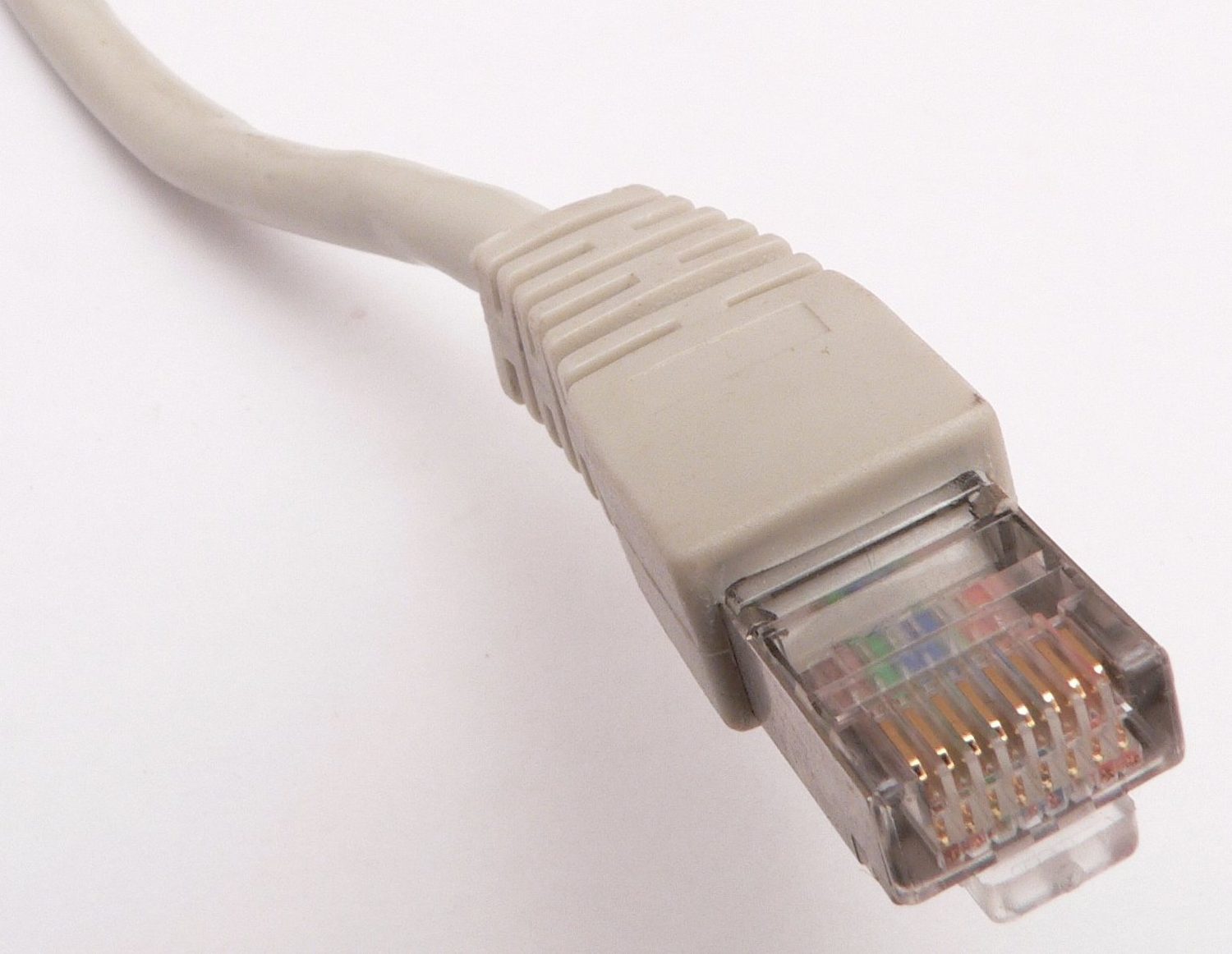
מחבר Ethernet RJ45 — קשרים פיזיים ממסרים חביות דרך האינטרנט

ה-אינטרנט הוא רשת גלובלית של רשתות. נתונים עוברים כ-חביות – חלקים קטנים שנשלחים בנפרד ומורכבים מחדש ביעד. שתי רעיונות מאפשרים את פעילותו בקנה מידה:

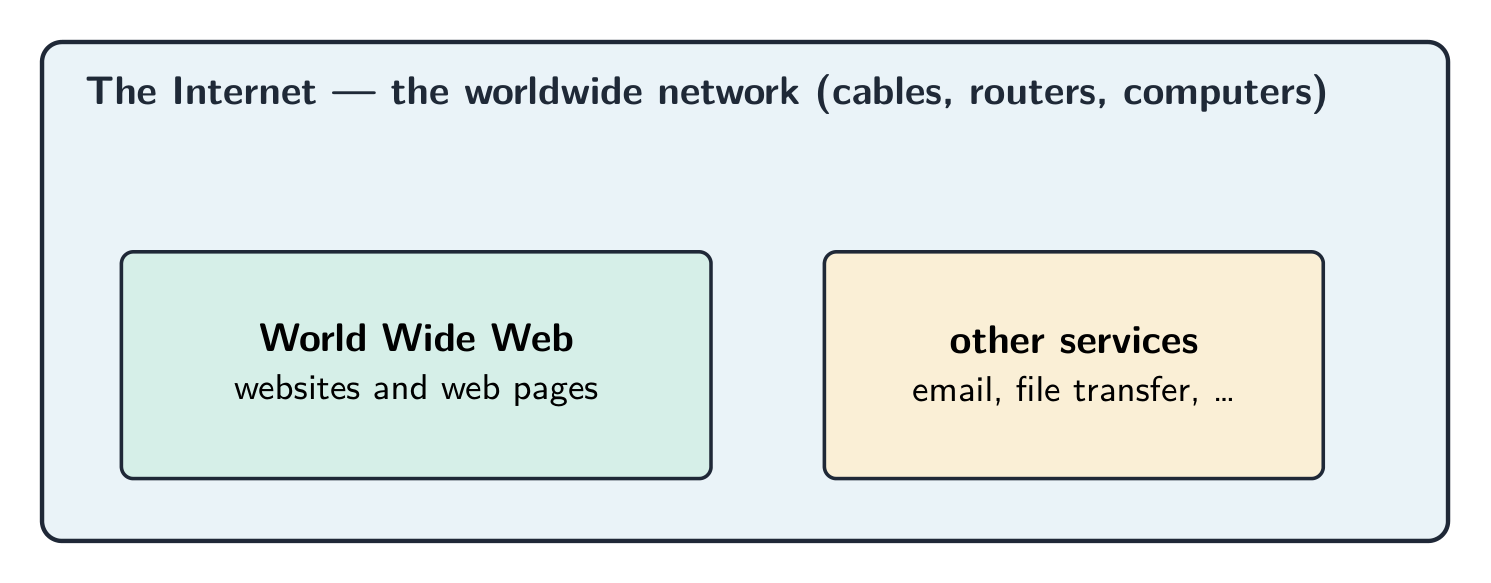
האינטרנט היא הרשת העולמית; האינטרנט הוא שירות אחד הפועל עליה
  • פרוטוקולים הם כללי הסכמה לתקשורת. כתובות IP (פרוטוקול האינטרנט) וחבילות מסדרות; TCP מרכיב אותן בסדר ובקשן מחודש אלו שאבדו; HTTP נושא דפי אתר; DNS תרגום שם כמו example.com לכתובת IP.
  • חוזרות וניווט: קיימות מספר מסלולים אפשריים בין שני נקודות, כך אם מסלול אחד נכשל, חביות ייקחו אחר. זה הופך את האינטרנט ל-עמיד לקלקולים.

האינטרנט עוצב להיות פתוח ומתרחב – בנוי על סטנדרטים שאף אחד יכול להשתמש בהם, כך שהוא ממשיך לפעול כאשר מיליארדים מכשירים מצטרפים. רוחב פס הוא כמות הנתונים שהחיבור יכול לשאת בשנייה.

Explore · ⁨חקור⁩

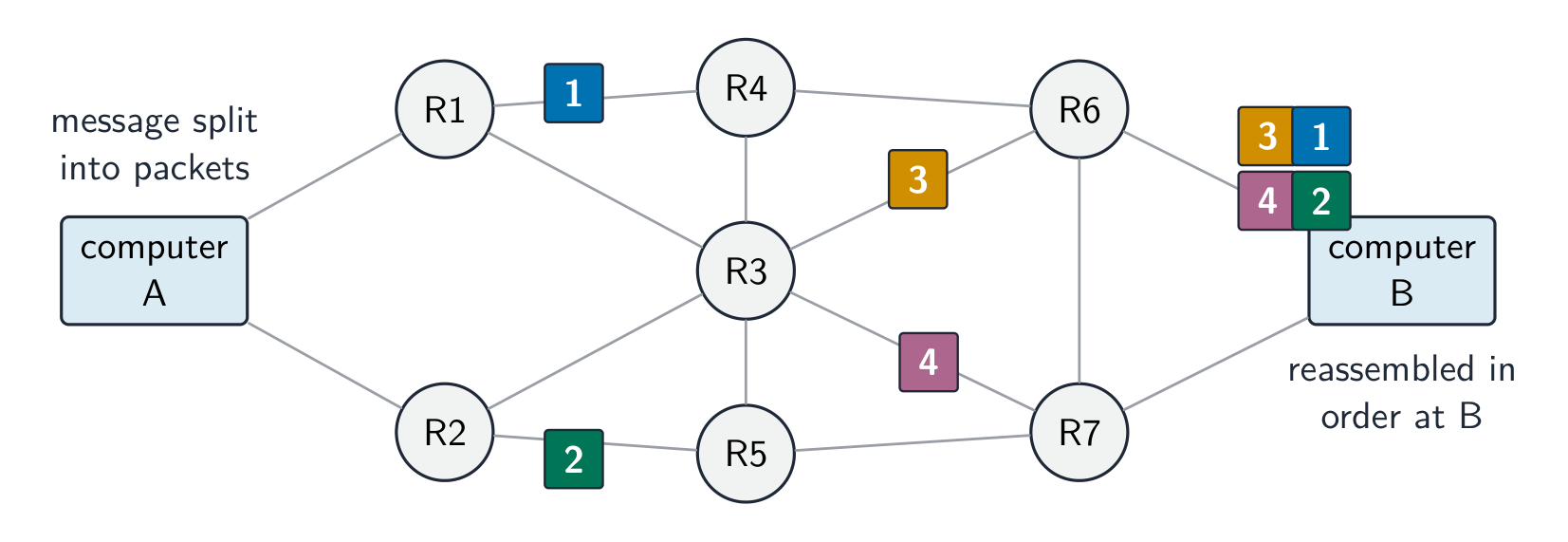
How data crosses the Internet in packets · ⁨כיצד נתונים עוברים ברשת האינטרנט בחבילות⁩

The Internet breaks a message into numbered packets, each addressed and routed independently (often by different paths), then reassembled at the destination. That design makes it fault-tolerant — if one route fails, packets take another. · ⁨האינטרנט מפצל הודעה לחבילות מסומנות, כל אחת מופנית ומונחה באופן עצמאי (לרוב בדרכים שונות), ואז מורכבת מחדש ביעד. עיצוב זה הופך אותו לעמיד לקלקולים — אם דרך אחת נכשלת, חבילות לוקחות אחרת.⁩

Vocabulary · ⁨מילון מונחים⁩ Train · ⁨אימון⁩
English עברית
Internet/ˈɪntənet/ אינטרנט
packets/ˈpækɪts/ חבילות נתונים
Protocols/ˈprəʊtəkɒlz/ פרוטוקולים
Redundancy/rɪˈdʌndənsi/ חזרה על עצמה
fault-tolerant/fɒlt ˈtɒlərənt/ עמיד בפני תקלות
Bandwidth/ˈbændwɪdθ/ רוחב פס
reliability/rɪˌlaɪəˈbɪlɪti/ אמינות
Sequential computing/siːˈkwenʃl kəmˈpjuːtɪŋ/ חישוב רציף
Parallel computing/ˈpærəlel kəmˈpjuːtɪŋ/ חישוב מקביל
Distributed computing/ˈdɪstrɪbjuːtɪd kəmˈpjuːtɪŋ/ חישוב מפוזר
speedup/ˈspiːdʌp/ הקצאה מהירות
Watch lesson · ⁨צפה בשיעור⁩
4.2

Fault Tolerance · ⁨עמידות לקלקולים⁩

Syllabus · ⁨סיילבוס⁩
English

Enduring Understanding (CSN-1): Computer systems and networks facilitate the transfer of data.

Learning Objective CSN-1.E: For fault-tolerant systems, like the Internet: a. Describe the benefits of fault tolerance. [Skill 1.D] b. Explain how a given system is fault-tolerant. [Skill 5.A] c. Identify vulnerabilities to failure in a system. [Skill 1.D]

  • CSN-1.E.1 The Internet has been engineered to be fault-tolerant, with abstractions for routing and transmitting data.
  • CSN-1.E.2 Redundancy is the inclusion of extra components that can be used to mitigate failure of a system if other components fail.
  • CSN-1.E.3 One way to accomplish network redundancy is by having more than one path between any two connected devices.
  • CSN-1.E.4 If a particular device or connection on the Internet fails, subsequent data will be sent via a different route, if possible.
  • CSN-1.E.5 When a system can support failures and still continue to function, it is called fault-tolerant. This is important because elements of complex systems fail at unexpected times, often in groups, and fault tolerance allows users to continue to use the network.
  • CSN-1.E.6 Redundancy within a system often requires additional resources but can provide the benefit of fault tolerance.
  • CSN-1.E.7 The redundancy of routing options between two points increases the reliability of the Internet and helps it scale to more devices and more people.
עברית

הבנה מתמשכת (CSN-1): מערכות מחשב ורשתות מקלות על העברת נתונים.

מטרות למידה CSN-1.E: עבור מערכות עמידות לטעויות, כמו רשת האינטרנט: א. תאר את היתרונות של עמידות לטעויות. [כישור 1.D] ב. הסבר כיצד מערכת נתונה היא עמידה לטעויות. [כישור 5.A] ג. זיהוי נקודות חלשות להפרעה במערכת. [כישור 1.D]

  • CSN-1.E.1 רשת האינטרנט עוצבה להיות עמידה לטעויות, עם השערות (abstractions) לניווט ולשליחת נתונים.
  • CSN-1.E.2 ריבוי (Redundancy) הוא כללת רכיבים נוספים שיכולים לשמש להפחתת הנזק בהפרעת מערכת אם רכיבים אחרים ייכשלו.
  • CSN-1.E.3 דרך אחת לבצע ריבוי ברשת היא על ידי קיום יותר מנתיב אחד בין כל שני מכשירים מחוברים.
  • CSN-1.E.4 אם מכשיר או חיבור מסוים ברשת האינטרנט נכשל, נתונים הבאים ישלחו בנתיב אחר, אם אפשר.
  • CSN-1.E.5 כאשר מערכת יכולה לתמוך בהפרעות ועדיין ממשיכה לפעול, היא נקראת עמידה לטעויות. הדבר חשוב כי אלמנטים במערכות מורכבות נכשלים בזמנים לא צפויים, לעיתים קרובות בקבוצות, ועמידות לטעויות מאפשרת למשתמשים להמשיך להשתמש ברשת.
  • CSN-1.E.6 ריבוי בתוך מערכת דורש לעיתים משאבים נוספים אך יכול לספק את היתרון של עמידות לטעויות.
  • CSN-1.E.7 הריבוי באפשרויות ניווט בין שני נקודות מגביר את האמינות של האינטרנט ועוזר לו לגדול ולהתפשט למכשירים ומשתמשים נוספים.

Source: College Board AP Course and Exam Description · ⁨מקור: תיאור הקורס והמבחן של College Board AP⁩

English

A system is fault-tolerant if it keeps working even when part of it fails. The Internet achieves this through redundant connections: because packets can be routed along multiple paths, the failure of one router or cable does not stop communication – traffic simply reroutes. Fault tolerance costs extra resources (the redundant paths) but greatly improves reliability 可靠性. A single path with no backup is not fault-tolerant.

עברית
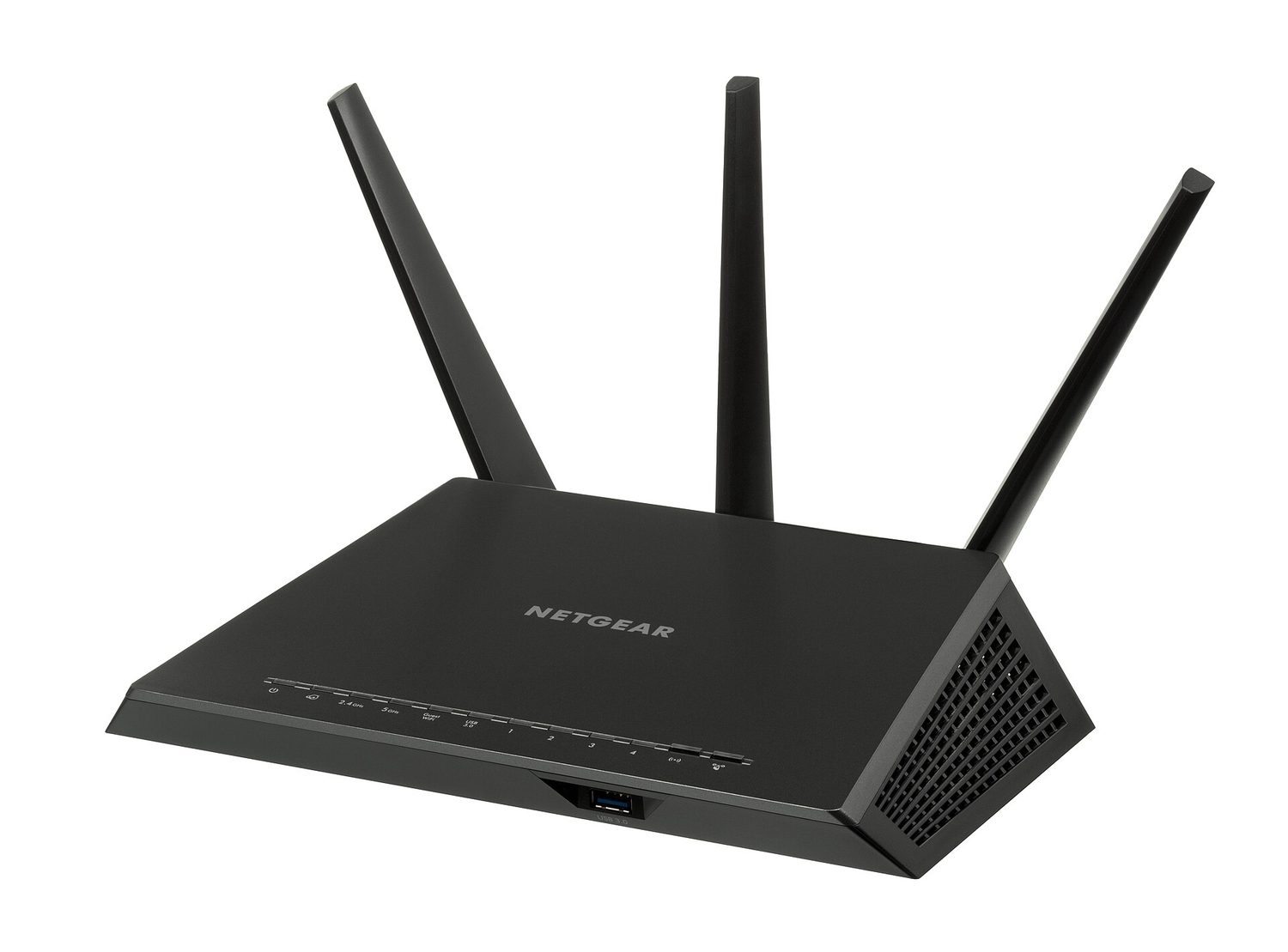
נתב Wi-Fi: השער המקומי שמפנה חביות לעבר האינטרנט הרחב

מערכת היא עמידה לקלקולים אם היא ממשיכה לפעול גם כאשר חלק ממנה נכשל. האינטרנט מגיע לכך באמצעות חיבורים חוזרים: מכיוון שחביות יכולות להיות מסודרות לאורך מסלולים מרובים, כשל של נתב או כבל אחד אינו עצור תקשורת – התנועה פשוט מוסדרת מחדש. עמידות לקלקולים דורשת משאבים נוספים (המסלולים החוזרים) אך משפרת מאוד את האמינות. מסלול יחיד ללא גיבוי אינו עמיד לקלקולים.

החלפת חבילות שולחת חבילות דרך מסלולים עצמאיים, כך שהרשת עמידה בפני קישור תקול
החלפת חביות שולחת חביות במסלולים עצמאיים, כך הרשת עמידה לקישור כושל
4.3

Parallel and Distributed Computing · ⁨מחשוב מקביל ומפורץ⁩

Syllabus · ⁨סיילבוס⁩
English

Enduring Understanding (CSN-2): Parallel and distributed computing leverage multiple computers to more quickly solve complex problems or process large data sets.

Learning Objective CSN-2.A: For sequential, parallel, and distributed computing: a. Compare problem solutions. [Skill 1.D] b. Determine the efficiency of solutions. [Skill 1.D]

  • CSN-2.A.1 Sequential computing is a computational model in which operations are performed in order one at a time.
  • CSN-2.A.2 Parallel computing is a computational model where the program is broken into multiple smaller sequential computing operations, some of which are performed simultaneously.
  • CSN-2.A.3 Distributed computing is a computational model in which multiple devices are used to run a program.
  • CSN-2.A.4 Comparing efficiency of solutions can be done by comparing the time it takes them to perform the same task.
  • CSN-2.A.5 A sequential solution takes as long as the sum of all of its steps.
  • CSN-2.A.6 A parallel computing solution takes as long as its sequential tasks plus the longest of its parallel tasks.
  • CSN-2.A.7 The "speedup" of a parallel solution is measured in the time it took to complete the task sequentially divided by the time it took to complete the task when done in parallel.

Learning Objective CSN-2.B: Describe benefits and challenges of parallel and distributed computing. [Skill 1.D]

  • CSN-2.B.1 Parallel computing consists of a parallel portion and a sequential portion.
  • CSN-2.B.2 Solutions that use parallel computing can scale more effectively than solutions that use sequential computing.
  • CSN-2.B.3 Distributed computing allows problems to be solved that could not be solved on a single computer because of either the processing time or storage needs involved.
  • CSN-2.B.4 Distributed computing allows much larger problems to be solved quicker than they could be solved using a single computer.
  • CSN-2.B.5 When increasing the use of parallel computing in a solution, the efficiency of the solution is still limited by the sequential portion. This means that at some point, adding parallel portions will no longer meaningfully increase efficiency.
עברית

הבנה מתמשכת (CSN-2): מחשוב מקביל ומפוזר מנצל מספר מחשבים כדי לפתור בעיות מורכבות או לעבד סטות נתונים גדולות מהר יותר.

מטרות למידה CSN-2.A: עבור מחשוב סדרתי, מקביל ומפוזר: א. השווה פתרונות לבעיות. [כישור 1.D] ב. קבע את היעילות של הפתרונות. [כישור 1.D]

  • CSN-2.A.1 מחשוב סדרתי הוא מודל חישובי שבו פעולות מבוצעות בסדר, אחת לאחר השנייה.
  • CSN-2.A.2 מחשוב מקביל הוא מודל חישובי שבו התוכנית מפוצלת לפעולות מחשוב סדרתי קטנות יותר, חלקן מהן מבוצעות בו-זמנית.
  • CSN-2.A.3 חישוב מבוזר הוא דגם חישובי שבו משתמשים במספר התקנים כדי להריץ תוכנית.
  • CSN-2.A.4 השוואת יעילות של פתרונות יכולה להתבצע על ידי השוואת הזמן הנדרש מהם לבצע את אותה משימה.
  • CSN-2.A.5 פתרון סידורי לוקח בדיוק זמן כפי ששווה לסכום כל השלבים שלו.
  • CSN-2.A.6 פתרון לחישוב מקביל לוקח זמן כפי ששווה למשימות הסידוריות שלו בתוספת הזמן הארוך ביותר של המשימות המקבילות שלו.
  • CSN-2.A.7 ה"היערות" (speedup) של פתרון מקביל נמדדת בזמן שהמשימה לקחה להיגמר בסידור, חלקי בזמן שהיא לקחה להיגמר כאשר בוצעה במקביל.

מטרת לימוד CSN-2.B: לתאר את היתרונות והאתגרים של חישוב מקביל ומבוזר. [מיומנות 1.D]

  • CSN-2.B.1 חישוב מקביל מורכב מחלקה מקבילה וחלקה סידורית.
  • CSN-2.B.2 פתרונות המשתמשים בחישוב מקביל יכולים לצמוח בצורה יעילה יותר מאשר פתרונות המשתמשים בחישוב סידורי.
  • CSN-2.B.3 חישוב מבוזר מאפשר לפתור בעיות שלא היו ניתנות לפתרון במחשב יחיד בשל זמן העיבוד או הצרכים באחסון הנתונים הקשורים לכך.
  • CSN-2.B.4 חישוב מבוזר מאפשר לפתור בעיות גדולות הרבה יותר ובמהירות רבה יותר מאשר ניתן היה לפתורן באמצעות מחשב יחיד.
  • CSN-2.B.5 כאשר מגדילים את השימוש בחישוב מקביל בתוך פתרון, היעילות של הפתון עדיין מוגבלת על ידי החלק הסידורי שלו. המשמעות היא שכאמור, הוספת חלקים מקבילים לא תגדיל עוד משמעותית את היעילות.

Source: College Board AP Course and Exam Description · ⁨מקור: תיאור הקורס והמבחן של College Board AP⁩

English
  • Sequential computing 顺序计算 runs one operation at a time.
  • Parallel computing 并行计算 splits a task into parts that run at the same time on multiple processors, finishing faster.
  • Distributed computing 分布式计算 uses many computers connected by a network to work on one problem – essential for problems too big for a single machine.

A parallel solution's speedup 加速比 is the sequential time divided by the parallel time. Speedup is limited: parts that must run in sequence cannot be sped up by adding processors, so doubling the processors rarely doubles the speed.

Worked example. A task has a part that must run sequentially, taking $40$ seconds, plus a parallelizable part that takes $60$ seconds on one processor – so on a single processor the whole task takes $40+60=100$ seconds. Spread the parallel part across $3$ processors and it takes $\tfrac{60}{3}=20$ seconds, so the total parallel time is $40+20=60$ seconds and the speedup is $\tfrac{100}{60}\approx1.67$. The $40$-second sequential part is a floor: even with infinitely many processors the task can never finish in under $40$ seconds.

Exam skill: given the times for the sequential and parallel portions of a task, be able to calculate the total parallel time and the speedup.

עברית
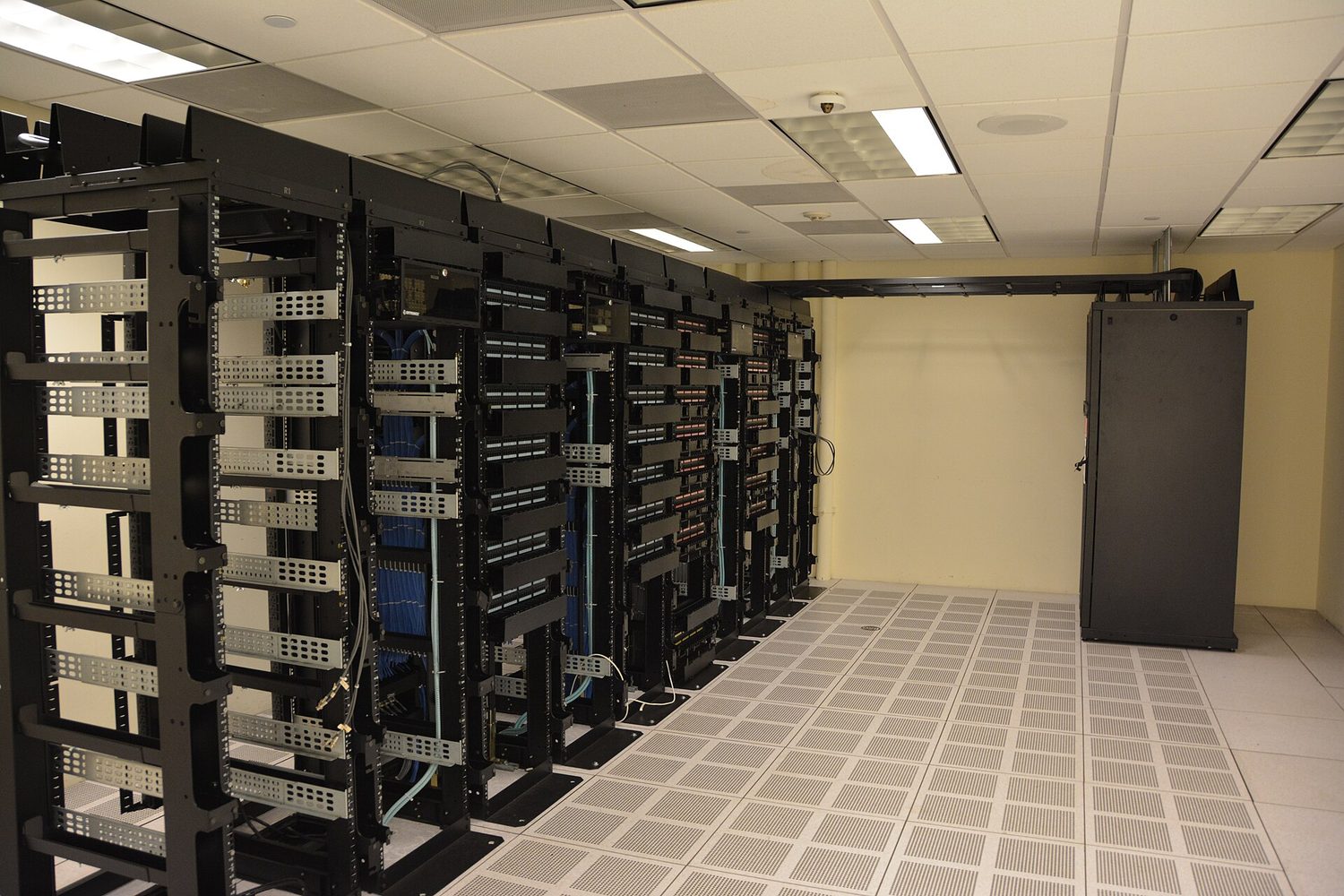
מארזי שרתים במרכז נתונים: מחשוב מפורץ מפזר עבודה על מכונות רבות
מארזי שרתים במרכזי נתונים: מחשוב מבוזר מפצל עבודה על פני מכונות רבות
  • מחשוב סדרתי מבצע פעולה אחת בכל פעם.
  • מחשוב מקביל מחלק משימה לחלקים העובדים באותו זמן על מעבדים מרובים, ומסתיים מהר יותר.
  • מחשוב מבוזר משתמש במחשבים רבים המחוברים ברשת כדי לפתור בעיה אחת – קריטי לבעיות גדולות מדי למכונה אחת.
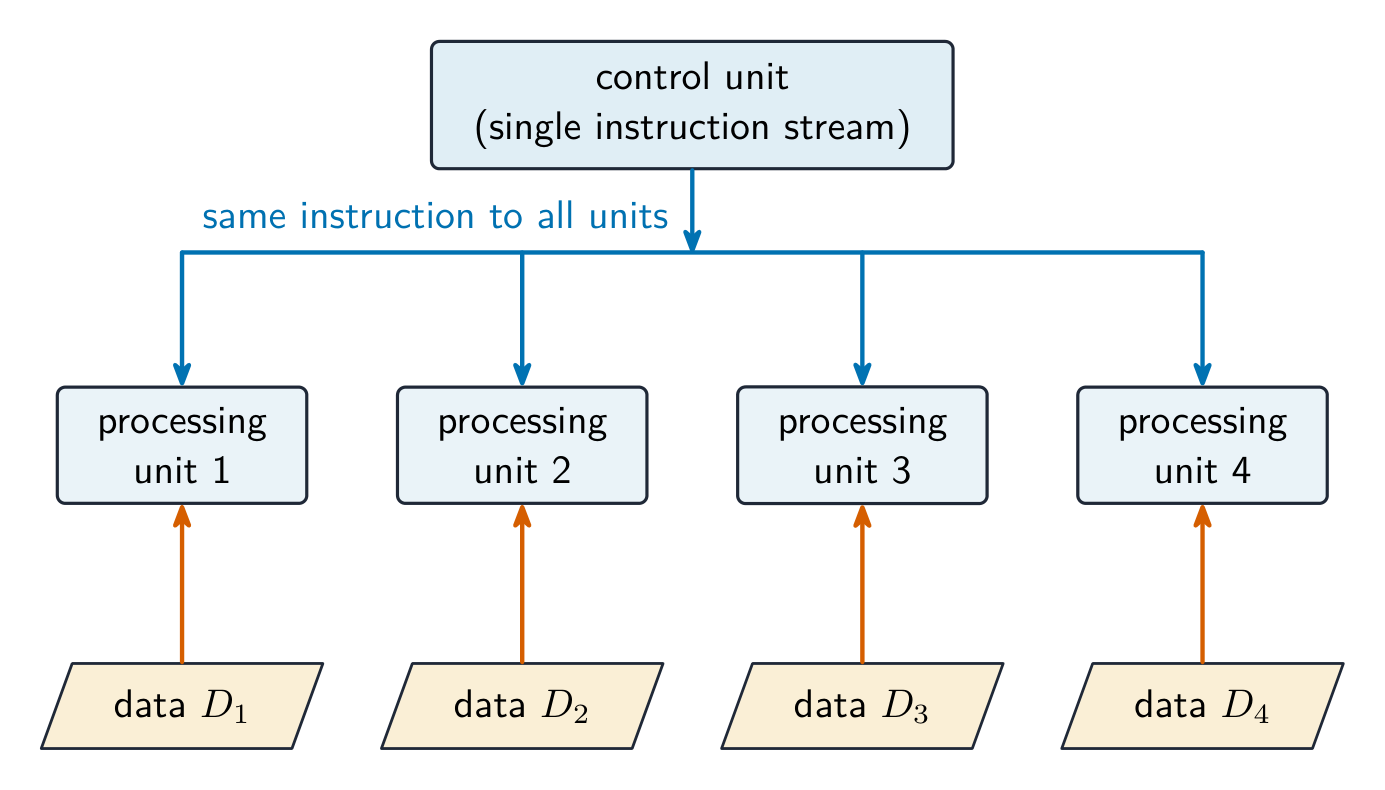
מחשוב מקביל: מעבדים רבים עובדים באותו זמן

האצה של פתרון מקביל היא החלוקה של הזמן הסדרתי בזמן המקביל. ההאצה מוגבלת: חלקים שחייבים לבצע בסדר לא יכולים להיות מואצים על ידי הוספת מעבדים, ולכן הכפלת מספר המעבדים נדיר להכפיל את המהירות.

דוגמה פותרת. למשימה יש חלק שחייב לבצע בסדר וקוח $40$ שניות, וחלק הניתן לביצוע מקביל הקורה $60$ שניות במעבד אחד – כך שמעבד אחד יוצר כולו את המשימה תוך $40+60=100$ שניות. אם מפצלים את החלק המקביל על פני $3$ מעבדים, הוא ייקח $\tfrac{60}{3}=20$ שניות, ולכן הזמן המקביל הכולל הוא $40+20=60$ שניות וההאצה היא $\tfrac{100}{60}\approx1.67$. החלק הסדרתי של $40$ שניות הוא גבול תחתון: גם עם אינסוף מעבדים, המשימה לעולם לא תסתיים בתוך פחות מ$40$ שניות.

מיומנות לבחינה: בהינתן הזמנים לחלקים הסדרתי והמקביל של משימה, יכול לחשב את הזמן המקביל הכולל וההאצה.

4.3

Exam tips · ⁨טיפים לבחינות⁩

English
  • Describe how data travels in packets over a redundant, fault-tolerant network of independent routers.
  • Know that protocols (IP, TCP, HTTP) are agreed rules, and that open standards let different systems interoperate.
  • Explain scalability and how the Internet grows without central control.
  • Contrast bandwidth (rate) with latency (delay), and describe the DNS name-to-address lookup.
  • Discuss the digital divide and security basics (encryption, authentication) in plain terms.
עברית
  • לתאר כיצד נתונים עוברים בחבילות דרך רשת אמינה ועמידה לטעויות של נתבים עצמאיים.
  • לדעת שפרוטוקולים (IP, TCP, HTTP) הם כללי הסכם, ושסטנדרטים פתוחים מאפשרים אינטראופרטיביליות בין מערכות שונות.
  • להסביר תכנון-קנה ולהראות כיצד האינטרנט צומח ללא בקרה מרכזית.
  • להשוות בין רוחב פס (קצב) לבין השהייה (延迟), ולתאר את חיפוש השם-כתובת ב-DNS.
  • לדון בפערים דיגיטליים ובבסיסי אבטחה (הצפנה, אימות) בשפה פשוטה.

Interactive lessons on this topic · ⁨שיעורים אינטראקטיביים בנושא זה⁩

Work through it step by step, with instant-check exercises. · ⁨לעבור על הדברים צעד אחר צעד, עם תרגילים לבדיקה מיידית.⁩

Past Papers · ⁨מבחני עבר⁩

More topics in AP Computer Science Principles · ⁨עקרונות מדעי המחשב - AP⁩ · ⁨נושאים נוספים בAP Computer Science Principles · ⁨עקרונות מדעי המחשב - AP⁩⁩

Log in or create account · ⁨היכנס או צור חשבון⁩

IGCSE, A-Level & AP