Migration forcée et volontaire
Introduit| English | Sens |
|---|---|
| voluntary migration/ˈvɒləntəri maɪˈɡreɪʃn/ | migration volontaire |
| forced migration/fɔːst maɪˈɡreɪʃn/ | migration forcée |
| refugee/ˈrefjuːdʒiː/ | réfugié |
| internally displaced person/ɪnˈtɜːnəli dɪˈspleɪst ˈpɜːsn/ | personne déplacée interne |
| transnational migration/trænˈsnæʃənl maɪˈɡreɪʃn/ | migration transnationale |
Two kinds of move
- Migration divides into voluntary and forced.
- Voluntary migration 自愿迁移 is by choice, usually for economic reasons.
- Forced migration 强迫迁移 is against a person's will.
La migration volontaire est généralement motivée par des raisons économiques.
Difficulté 1/5 · 100 pièces + un petit bonus lors de la première réussite aujourd'hui
La plupart des migrants volontaires déménagent pour un emploi et un meilleur niveau de vie.
Refugees and the displaced
- A refugee 难民 flees across a border to escape danger.
- An internally displaced person 境内流离失所者 (IDP) flees but stays inside their own country.
- War, persecution, and disaster are the main causes of forced migration.
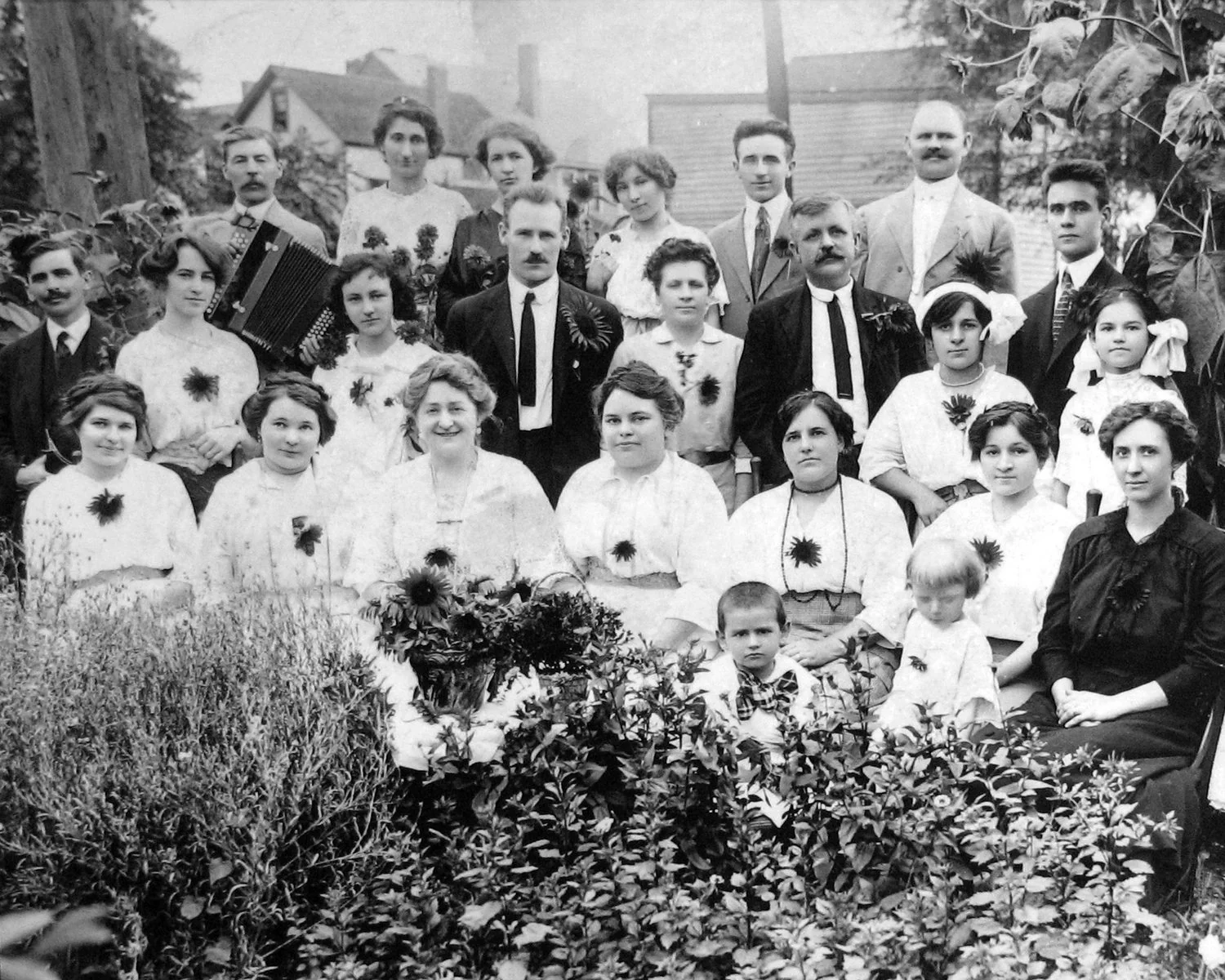
Source title: Hungarian Immigrants Cleveland. Motives and legal status are not established by the photograph
Volontaire ou forcée ?
Classez chaque déplacement comme migration volontaire ou forcée.
Un réfugié est une personne qui...
Difficulté 1/5 · 100 pièces + un petit bonus lors de la première réussite aujourd'hui
Un réfugié traverse une frontière pour échapper au danger ; un IDP reste à l'intérieur de son pays.
Quelqu'un qui est forcé de fuir mais qui reste dans son propre pays est une personne ____ déplacée internement.
Difficulté 1/5 · 100 pièces + un petit bonus lors de la première réussite aujourd'hui
Une personne déplacée internement (PDI) n'a pas franchi de frontière.
Sélectionnez toutes les causes de migration forcée.
Difficulté 2/5 · 140 pièces + un petit bonus lors de la première réussite aujourd'hui
La guerre, la persécution et les catastrophes obligent les gens à bouger ; un meilleur salaire est un facteur d'attraction volontaire.
Types of movement
- International migration crosses a national border; internal migration stays within a country.
- Transnational migration 跨国迁移 keeps strong ties to both the origin and destination.
- Much internal migration is rural-to-urban — the move to cities.
Reliez chaque terme à sa signification.
Difficulté 2/5 · 140 pièces + un petit bonus lors de la première réussite aujourd'hui
Réfugié = a franchi une frontière ; PDI = non ; volontaire = un choix libre.
A refugee has crossed an international border; an IDP has not. This distinction matters legally — refugees have protections under international law that IDPs, still inside their own country, often do not.
A family that leaves the countryside for the city to find factory work is a voluntary, internal, rural-to-urban migration. A family that flees across a border to escape a war is forced migration — they become refugees.
Voluntary migration is by choice (usually economic); forced migration is against one's will. A refugee crosses a border to escape danger; an IDP stays inside their country. Movement may be international or internal (often rural-to-urban).
Write from this case
- A flood destroys a village and people leave because they cannot stay.
- A student later chooses a university abroad.
Quel mouvement constitue une migration forcée ?
La migration forcée survient lorsque rester n'est pas une option réelle.
Quel coup est forcé ?
Difficulté 1/5 · 100 pièces + un petit bonus lors de la première réussite aujourd'hui
La crue a éliminé le choix de rester.