The CPU and the fetch-execute cycle · La CPU y el ciclo de búsqueda-ejecución
| English | Español |
|---|---|
| CPU/ˌsiː piː ˈjuː/ | CPU |
| instructions/ɪnˈstrʌkʃnz/ | instrucciones |
| ALU/ˌeɪ el ˈjuː/ | ALU |
| control unit/kənˈtrəʊl ˈjuːnɪt/ | unidad de control |
| registers/ˈredʒɪstəz/ | registros |
| buses/ˈbʌsɪz/ | buses |
| cache/kæʃ/ | cache |
| embedded system/emˈbedɪd ˈsɪstəm/ | sistema embebido |
| clock speed/klɒk spiːd/ | velocidad del reloj |
The central processing unit
- The CPU 中央处理器 processes data and carries out instructions 指令, repeating a cycle millions of times a second.
- Inside are the ALU 算术逻辑单元, control unit 控制单元 and registers 寄存器, linked by buses 总线.
- It runs every program through the fetch–execute cycle.
La unidad central de procesamiento
- La UCP (Unidad Central de Procesamiento) procesa datos y ejecuta instrucciones, repitiendo un ciclo millones de veces por segundo.
- En su interior se encuentran la ALU (Unidad Aritmética Lógica), la unidad de control y los registros, conectados mediante buses.
- Ejecuta cada programa a través del ciclo de búsqueda–ejecución.
Parts of the CPU
- ALU — does calculations and logical comparisons.
- Control unit (CU) — sends control signals to manage all the parts.
- Registers — tiny, very fast stores holding one value each.
- Three buses link them to memory: address (one way), data (both ways), control.
A modern CPU is a single chip holding the control unit, ALU and registers
Partes de la UCP
- ALU — realiza cálculos y comparaciones lógicas.
- Unidad de control (CU) — envía señales de control para gestionar todas las partes.
- Registros — pequeñas y muy rápidas memorias que almacenan un valor cada una.
- Tres buses los conectan con la memoria: dirección (un solo sentido), datos (bidireccional) y control.

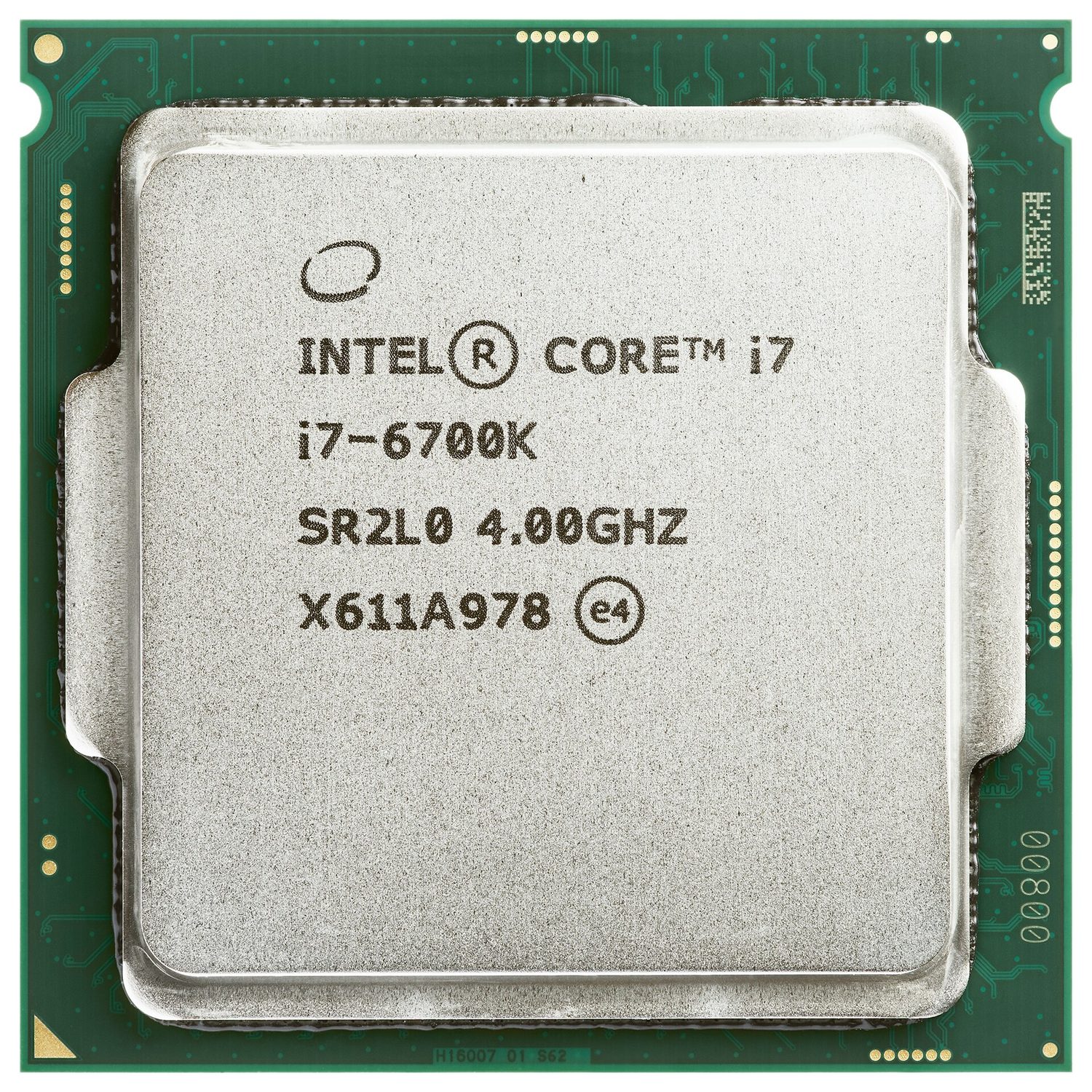
Una UCP moderna es un único chip que contiene la unidad de control, la ALU y los registros
The ALU in a CPU: · La ALU en una CPU:
The arithmetic logic unit does the maths and logic; the control unit manages the parts. · La unidad aritmético-lógica hace las matemáticas y la lógica; la unidad de control gestiona las partes.
Registers and the fetch–execute cycle
- Special registers: PC (address of the next instruction), MAR (address to access), MDR (data/instruction fetched), CIR (instruction being run), ACC (the ALU's result).
- The cycle repeats three stages: Fetch (copy the instruction into the CPU, then PC + 1) → Decode (the CU works out what it means) → Execute (carry it out).
The fetch–decode–execute cycle that the CPU repeats for every instruction
Registros y el ciclo de búsqueda–ejecución
- Registros especiales: PC (dirección de la siguiente instrucción), MAR (dirección para acceder), MDR (dato/instrucción obtenida), CIR (instrucción en ejecución), ACC (resultado de la ALU).
- El ciclo se repite en tres etapas: Búsqueda (copiar la instrucción a la UCP, luego PC + 1) → Decodificación (la CU determina su significado) → Ejecución (llevarla a cabo).

El ciclo de búsqueda–decodificación–ejecución que la UCP repite para cada instrucción
The fetch-execute cycle · El ciclo de búsqueda-ejecución
Tap round the loop the CPU repeats billions of times a second — fetch the instruction, decode what it means, execute it, then do it all again. · Toca alrededor del bucle que la CPU repite miles de millones de veces por segundo: busca la instrucción, decodifica su significado, la ejecuta y luego vuelve a hacerlo todo.
Match each CPU part to what it does. · Empareja cada parte de la CPU con lo que hace.
The ALU computes, the control unit directs, the PC tracks the next instruction, and cache keeps hot data close. · La ALU calcula, la unidad de control dirige, el PC rastrea la siguiente instrucción, y la cache mantiene los datos calientes cerca.
Put the stages of the cycle in order. · Coloca las etapas del ciclo en orden.
Fetch the instruction, decode what it means, then execute it — repeated continuously. · Busca la instrucción, decodifica su significado y luego ejecútala; esto se repite continuamente.
Cache 高速缓存, performance, embedded systems 嵌入式系统
- Cache is a small amount of very fast memory near the CPU, holding often-used data — so the CPU waits less.
- Performance depends on the number of cores, the cache size, and the clock speed 时钟速度 (cycles per second).
- An embedded system is a small computer built into a device for one fixed job (washing machine, microwave).
Cache and main memory (RAM) sit close to the CPU to feed it data quickly
Caché, rendimiento, sistemas embebidos
- La caché es una pequeña cantidad de memoria muy rápida cercana a la UCP, que almacena datos de uso frecuente para que la UCP espere menos.
- El rendimiento depende del número de núcleos, el tamaño de la caché y la velocidad de reloj (ciclos por segundo).
- Un sistema embebido es una computadora pequeña integrada en un dispositivo para una tarea fija específica (lavadora, microondas).
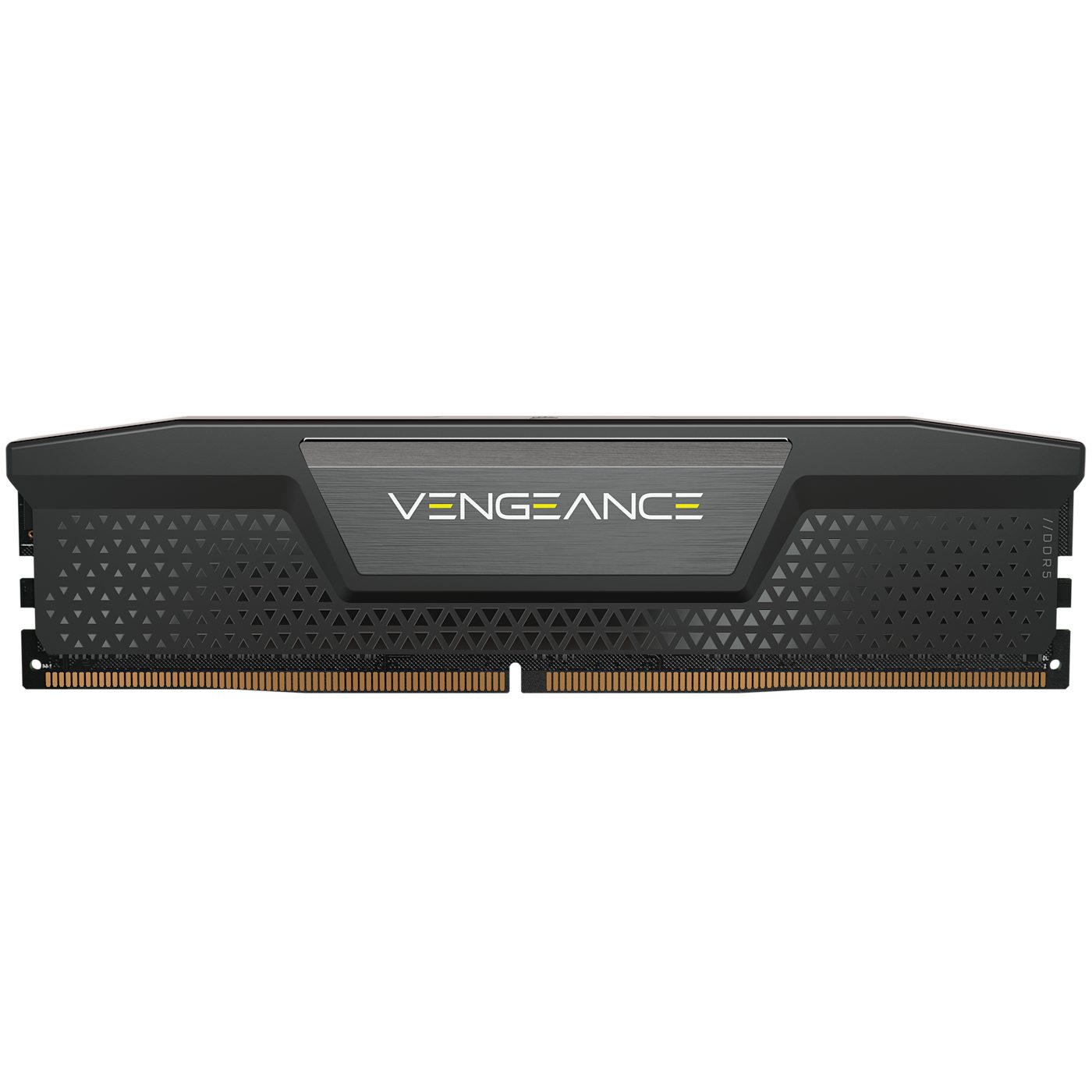
Caché y memoria principal (RAM) están situadas cerca de la UCP para alimentarla de datos rápidamente
Which change would improve CPU performance? · ¿Qué cambio mejoraría el rendimiento de la CPU?
More cores, a larger cache and a higher clock speed all improve performance. · Más núcleos, una caché más grande y una mayor velocidad de reloj mejoran todos el rendimiento.
Cache is small, very fast memory near the CPU that holds often-used data, so the CPU waits less than it would reading from main memory. · La caché es una memoria pequeña y muy rápida cerca de la CPU que almacena datos frecuentemente usados, por lo que la CPU espera menos de lo que haría leyendo desde la memoria principal.
A bigger cache, more cores and a higher clock speed all raise performance — cache helps by cutting the wait for data. · Una caché más grande, más núcleos y una mayor velocidad de reloj aumentan el rendimiento; la caché ayuda reduciendo el tiempo de espera por los datos.
You've got it
- CPU = ALU (maths/logic) + CU (control signals) + registers, linked by address/data/control buses
- key registers: PC (next instruction), MAR/MDR (memory), CIR (current), ACC (result)
- the cycle: fetch → decode → execute
- performance: cores, cache size, clock speed; cache = fast memory near the CPU
Lo has entendido
- UCP = ALU (matemáticas/lógica) + CU (señales de control) + registros, conectados por buses de dirección/datos/control
- Registros clave: PC (siguiente instrucción), MAR/MDR (memoria), CIR (actual), ACC (resultado)
- El ciclo: búsqueda → decodificación → ejecución
- Rendimiento: núcleos, tamaño de la caché, velocidad de reloj; caché = memoria rápida cerca de la UCP