Conservation
Introducido| English | Significado |
|---|---|
| conservation/ˌkɒnsəˈveɪʃn/ | conservación |
| captive breeding/ˈkæptɪv ˈbriːdɪŋ/ | reproducción en cautiverio |
| seed banks/siːd bæŋks/ | bancos de semillas |
| sustainable/səˈsteɪnəbl/ | Able to continue over time without exhausting the resources or undermining the conditions on which it depends. |
| quotas/ˈkwəʊtəz/ | cuotas |
The last 27 condors, 1987
- By 1987 only 27 California condors were left in the world. On 19 April that year the last wild bird was captured, and all 27 were bred in zoos in Los Angeles and San Diego. From 1992 young birds were released into the wild. There are now more than 500, over half of them flying free.
- This was conservation 保护: protecting species and habitats so they survive. Captive breeding 圈养繁殖 was one tool.
Conservation action lab
Follow how conservation protects a threatened population.
The condor population grew from 27 to about 540. By what factor is that?
Dificultad 2/5 · 140 monedas + un pequeño bono en el primer intento de hoy
540 ÷ 27 = 20.
Why species are endangered
- Habitat loss (farming, building, deforestation), hunting and overharvesting, pollution, introduced species, and climate change.
- The condors were poisoned by lead from bullets in the carcasses they ate.
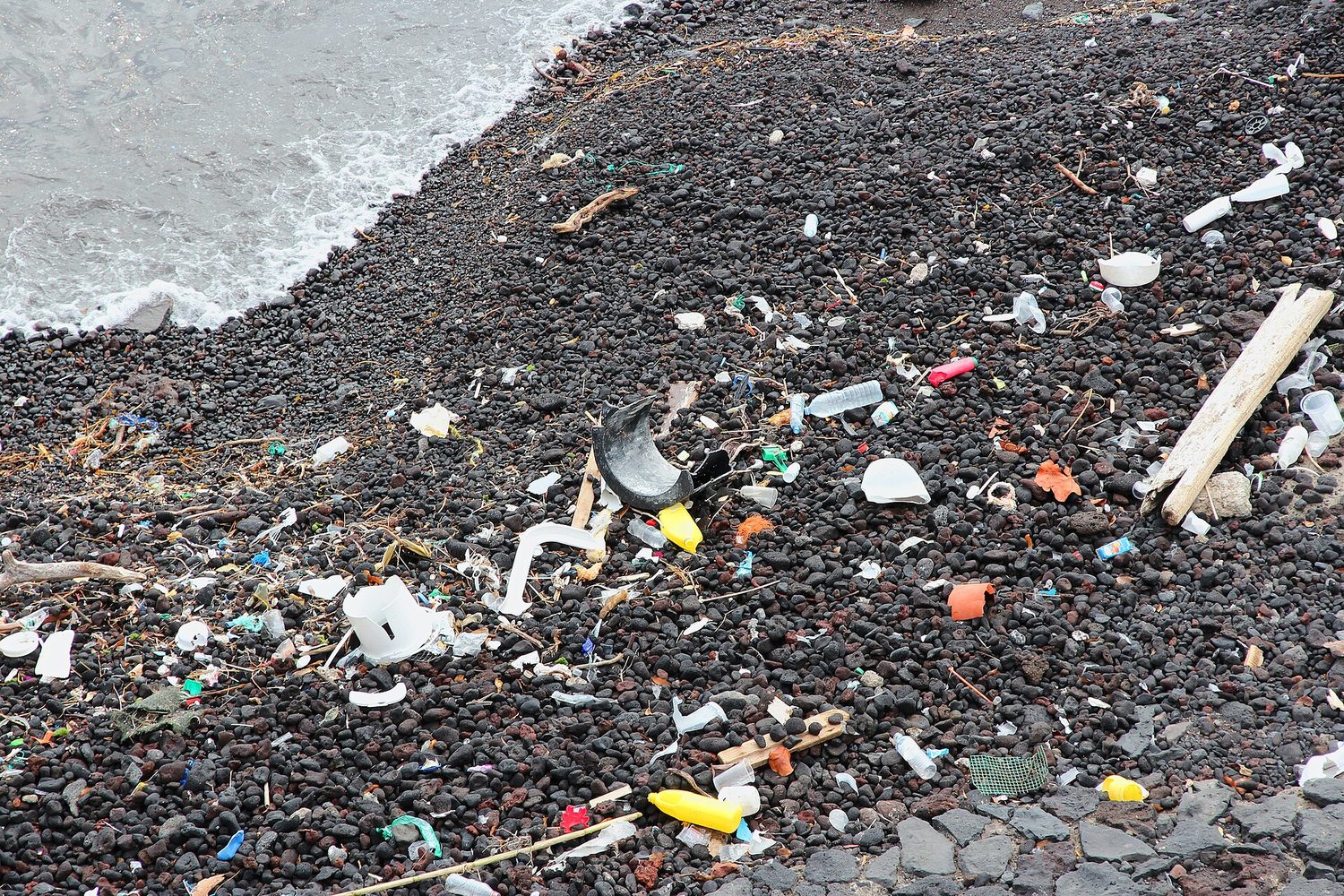
Which threaten species?
Dificultad 2/5 · 140 monedas + un pequeño bono en el primer intento de hoy
Seed banks protect species.
Conserving species
- Protect and restore habitats; ban or limit hunting; educate people; breed endangered animals in captivity and release them.
- Seed banks 种子库 store seeds of many plant species, dried and frozen. The Svalbard Global Seed Vault in Norway opened in 2008.
What does a seed bank do?
Dificultad 1/5 · 100 monedas + un pequeño bono en el primer intento de hoy
A store for the future.
Sustainable resources
- A sustainable 可持续的 resource is used at a rate that it can be replaced, so it does not run out.
- Fish stocks are kept sustainable by quotas 配额 (limits on the catch), larger mesh sizes so young fish escape, closed seasons and protected areas.
A sustainable resource is used no faster than it is replaced.
Dificultad 1/5 · 100 monedas + un pequeño bono en el primer intento de hoy
So it does not run out.
Match each method to how it protects fish stocks.
Dificultad 2/5 · 140 monedas + un pequeño bono en el primer intento de hoy
Keeping catches below replacement.
Worked example: why a fishery collapsed
Cod off Newfoundland, Canada, had been fished for centuries. Modern trawlers caught more and more until, in 1992, so few were left that the government banned cod fishing.
- Cause: the catch was larger than the number of new fish added by breeding each year.
- Effect: the population collapsed; about 30,000 people lost their jobs.
- Fix: quotas set below the replacement rate, larger mesh and protected breeding grounds. Recovery has been very slow.
Why did the Newfoundland cod population collapse?
Dificultad 1/5 · 100 monedas + un pequeño bono en el primer intento de hoy
Overfishing.
Sustainable forests
- Replant trees as they are cut, use selective felling instead of clear-cutting, and certify timber from managed forests.
- Forests also protect soil, store carbon and provide habitats.
Captive breeding alone does not save a species. Without a safe habitat to return to — for the condors, a fix for lead poisoning — released animals die.
Captive breeding is enough on its own to save a species.
Dificultad 1/5 · 100 monedas + un pequeño bono en el primer intento de hoy
A safe habitat is also needed.
Species are endangered by habitat loss, hunting, pollution, introduced species and climate change. Conservation uses protected habitats, captive breeding, seed banks and education. Resources stay sustainable when use does not exceed replacement, using quotas and managed replanting.
Suggest three ways to conserve a rare frog species whose wetland is being drained, and explain each.
Conservation planning.