Capital, Migration, Reform
Introducido| English | Significado |
|---|---|
| industrial capitalism | An economic system in which private companies own large factories and businesses and use wage workers to produce goods for profit. |
| Gospel of Wealth/ˈɡɒspl ɒv welθ/ | The argument that the rich should use their fortunes for the public good. |
A golden spike in Utah, May 1869
- On 10 May 1869, railroad leaders drove a golden spike at Promontory Summit, Utah, joining the Union Pacific line from the east and the Central Pacific from the west. A telegraph sent the news to the whole country at once. The trip from New York to San Francisco fell from about six months by wagon to about a week. Thousands of Chinese and Irish workers had built the line; many died.
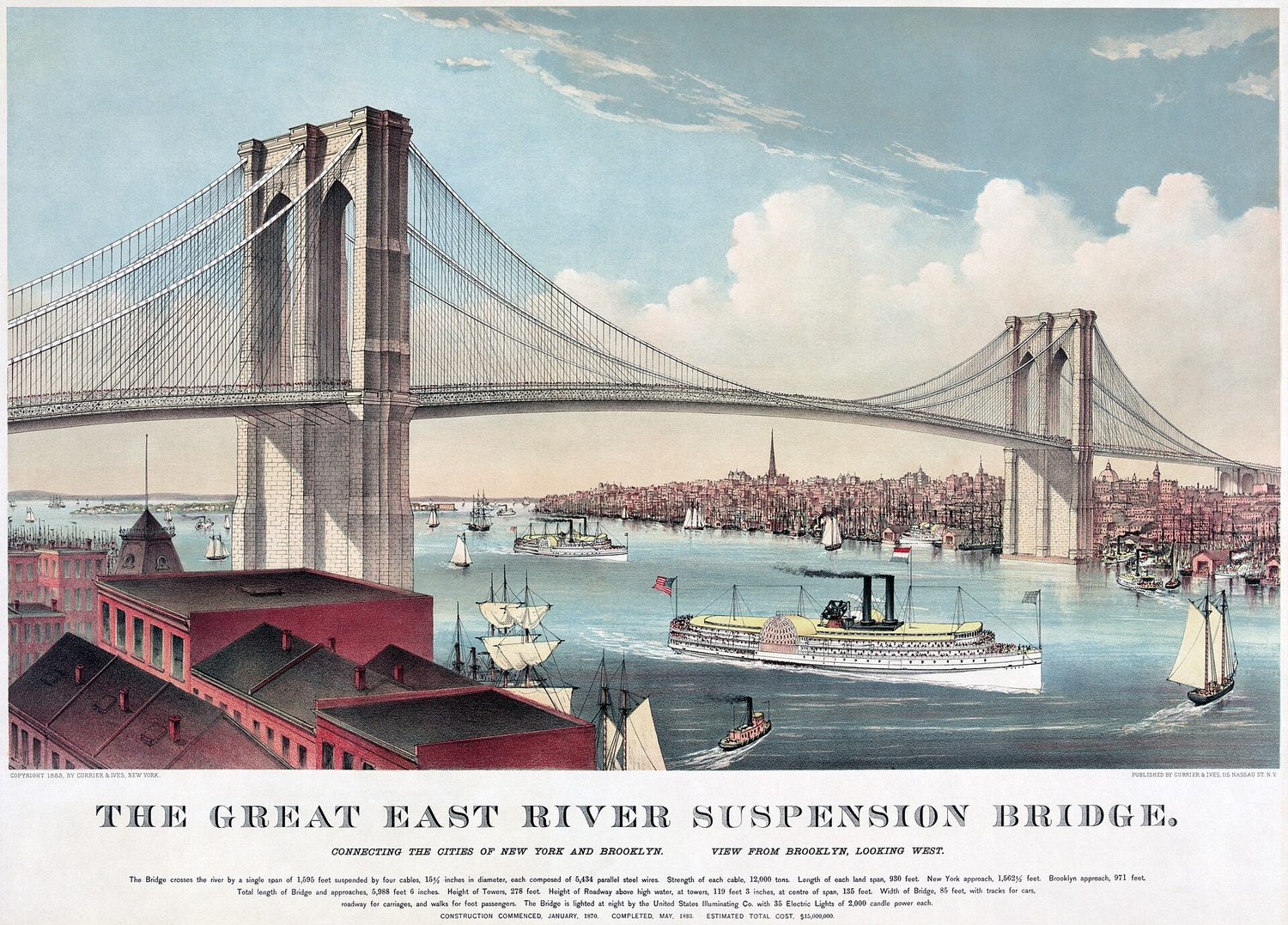
- From 1865 to 1898, the Gilded Age, industry grew, people moved, and Americans argued about what to do.
What did the golden spike of 1869 mark?
Dificultad 1/5 · 100 monedas + un pequeño bono en el primer intento de hoy
Promontory Summit, Utah.
Three claims for the Gilded Age
- Industrial capitalism 工业资本主义: large-scale production and big business, linked by railroads to national markets.
- Migration: millions moved to cities from farms and from abroad; responses: reformers, unions and farmers' movements challenged the new order.
Match each example to its thread.
Dificultad 2/5 · 140 monedas + un pequeño bono en el primer intento de hoy
Three claims.
Causes of growth
- New technology (steel, electricity, the telephone), large supplies of coal and iron, and investment capital from Europe.
- Government helped with land grants for railroads and high tariffs that protected American industry.
Which of unit 6's threads?
Sort each statement into its thread.
How did government help industry grow?
Dificultad 2/5 · 140 monedas + un pequeño bono en el primer intento de hoy
Not pure free markets.
Worked example: one railroad, three threads
- Capitalism: the transcontinental railroad opened national markets for factories and farms.
- Migration: it carried settlers west and was built by Chinese and Irish migrants.
- Response: farmers angry at high rates formed the Grange, and Congress created the Interstate Commerce Commission in 1887.
Congress created the Interstate Commerce Commission in 1887.
Dificultad 1/5 · 100 monedas + un pequeño bono en el primer intento de hoy
A response to railroad rates.
Migration in city and country
- Between 1870 and 1900, about 12 million immigrants arrived; cities such as Chicago grew from about 300 000 people (1870) to about 1.7 million (1900).
- In the West, railroads and mining remade rural areas and pushed Native nations off their land.
Chicago grew from about 0.3 million (1870) to about 1.7 million (1900). By how many million?
Dificultad 2/5 · 140 monedas + un pequeño bono en el primer intento de hoy
1.7 − 0.3.
The responses
- New ideas such as the Gospel of Wealth 财富福音 defended the rich; critics such as Henry George called for reform.
- Political debates about tariffs, money and monopolies grew, leading to the Populists in the 1890s.
The Gilded Age was not a time of pure free markets. Government gave railroads land, set high tariffs and used troops against strikes.
The Gilded Age was a time of pure free markets without government help.
Dificultad 1/5 · 100 monedas + un pequeño bono en el primer intento de hoy
Land grants, tariffs and troops.
From 1865 to 1898, railroads like the 1869 transcontinental line linked national markets, industry grew with new technology and government help, millions moved to cities and the West, and reformers, unions and farmers responded to the new order.
Explain how the transcontinental railroad connects the three threads of the Gilded Age.
Context.