الأكاسيد
مُقدَّم| English | المعنى |
|---|---|
| oxide/ˈɒksaɪd/ | أكسيد |
| metal oxides/ˈmetl ˈɒksaɪdz/ | أكاسيد الفلزات |
| basic oxide/ˈbeɪsɪk ˈɒksaɪd/ | أكسيد قاعدي |
| acidic oxide/əˈsɪdɪk ˈɒksaɪd/ | أكسيد حمضي |
| amphoteric/ˌæmfəʊˈterɪk/ | Able to react as both an acid and a base, as aluminium hydroxide does. |
The London smog, December 1952
- For five days in December 1952 a cold, still fog trapped smoke from coal fires over London. Sulfur dioxide from the coal formed acid droplets in the air; about 4,000 people died in the first days, and later estimates are much higher. The Clean Air Act followed in 1956.
- Sulfur dioxide is an oxide 氧化物 — a compound of oxygen with another element. Oxides are classified by how they react with acids and bases.
Oxide type lab
Classify oxides by how they behave with acids and bases.
Which oxide from burning coal made the 1952 London smog acidic?
الصعوبة 1/5 · 100 عملة + مكافأة صغيرة عند الإنجاز الأول اليوم
It formed acid droplets.
Metal oxides are basic
- Most metal oxides 金属氧化物 are basic. A basic oxide 碱性氧化物 reacts with an acid to form a salt and water: CuO + H₂SO₄ → CuSO₄ + H₂O.
- Soluble ones, such as sodium oxide, dissolve to form alkaline solutions (pH above 7).
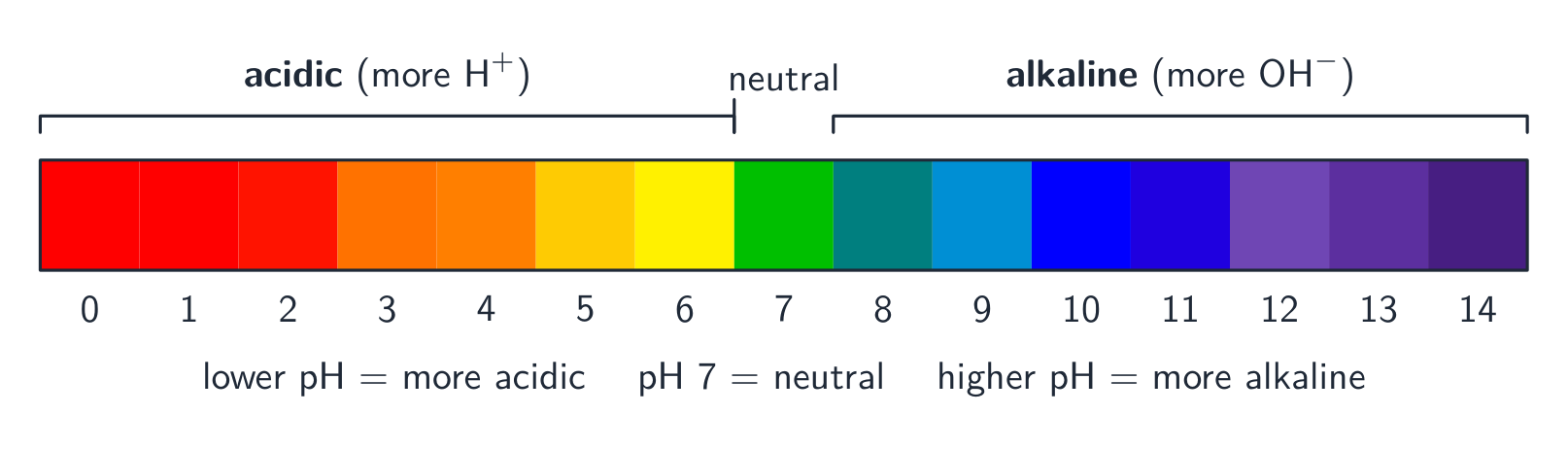
What forms when a basic oxide reacts with an acid?
الصعوبة 1/5 · 100 عملة + مكافأة صغيرة عند الإنجاز الأول اليوم
For example CuO + H₂SO₄ → CuSO₄ + H₂O.
Non-metal oxides are acidic
- An acidic oxide 酸性氧化物 reacts with a base to form a salt and water: CO₂ + 2NaOH → Na₂CO₃ + H₂O.
- Many dissolve in water to form acids: SO₂ and NO₂ cause acid rain.
Match each oxide to its type.
الصعوبة 2/5 · 140 عملة + مكافأة صغيرة عند الإنجاز الأول اليوم
Metal, non-metal, in between, neither.
Sulfur dioxide and nitrogen dioxide cause acid rain.
الصعوبة 1/5 · 100 عملة + مكافأة صغيرة عند الإنجاز الأول اليوم
They form acids in water.
Amphoteric and neutral oxides
- An amphoteric 两性的 oxide reacts with both acids and bases: aluminium oxide (Al₂O₃) and zinc oxide (ZnO).
- Some oxides, such as carbon monoxide (CO) and nitrogen monoxide (NO), are neutral: they react with neither.
Aluminium oxide reacts with both acids and bases.
الصعوبة 1/5 · 100 عملة + مكافأة صغيرة عند الإنجاز الأول اليوم
It is amphoteric.
Worked example: classify an unknown oxide
An oxide X does not dissolve in water. It reacts with dilute hydrochloric acid and also with warm sodium hydroxide solution.
- Test 1: reacts with an acid → it can behave as a base.
- Test 2: reacts with an alkali → it can behave as an acid.
- Conclusion: X is amphoteric — for example zinc oxide.
An oxide reacts with sodium hydroxide but not with hydrochloric acid. What type is it?
الصعوبة 1/5 · 100 عملة + مكافأة صغيرة عند الإنجاز الأول اليوم
It reacts only with a base.
The pattern in the Periodic Table
- Left side (metals): basic oxides. Right side (non-metals): acidic oxides. In between, some amphoteric oxides (Al, Zn).
- This is why lime (CaO) is spread on fields to neutralise acidic soil.
Why do farmers spread calcium oxide on fields?
الصعوبة 1/5 · 100 عملة + مكافأة صغيرة عند الإنجاز الأول اليوم
It is a basic oxide.
Not every oxide is acidic or basic. Test with both an acid and an alkali before deciding — amphoteric oxides react with both, and neutral ones with neither.
Metal oxides are basic; non-metal oxides are acidic; Al₂O₃ and ZnO are amphoteric; CO and NO are neutral. Classify an oxide by testing it with both an acid and an alkali.
Describe how you would show that a white oxide powder is amphoteric. Give the reagents and the results you expect.
Two tests.