English
Sensation 感觉 is detecting information from the environment and transducing 转导 it into neural signals the brain can use. Detection needs a certain absolute threshold 绝对阈限.
- The just-noticeable difference 最小可觉差 is the smallest change a person can detect.
- Sensory adaptation 感觉适应 is reduced sensitivity to an unchanging stimulus - you stop noticing a smell.
- Sensory interaction 感觉相互作用 means the senses work together. Synesthesia 联觉 is when one sense triggers another.
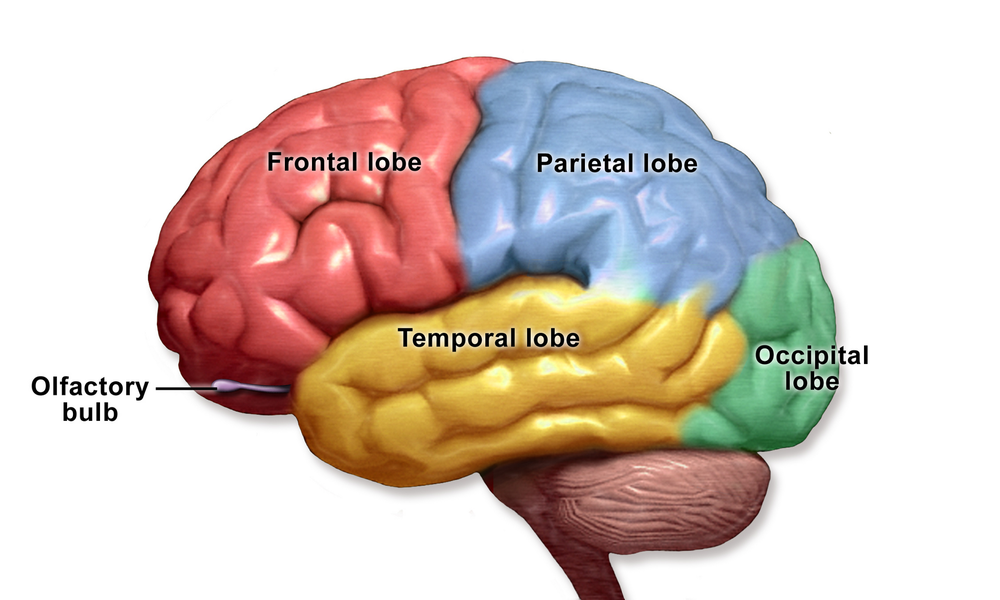
Vision. Light is focused onto the retina 视网膜 by the lens 晶状体 changing shape, a process called visual accommodation 视觉调节; when this fails the result is nearsightedness 近视 or farsightedness 远视. Rods 视杆细胞 lie in the periphery and detect shape and movement in low light. Cones 视锥细胞 sit in the fovea 中央凹 and detect colour and detail. Colour vision needs two theories: trichromatic theory 三色理论 (blue, green and red cones) and opponent-process theory 对立过程理论, which explains afterimages 后像. Damage to the occipital lobes can cause prosopagnosia 面孔失认症, or face blindness.
Hearing. Sound is air movement; wavelength gives pitch 音高 and amplitude gives loudness 响度. Pitch perception is explained by place theory 位置理论, volley theory 齐射理论, and frequency theory 频率理论. Sound localization 声源定位 tells us where a sound comes from. Hearing loss may be conduction deafness 传导性耳聋 or sensorineural deafness 感音神经性耳聋.
The chemical senses. Olfaction 嗅觉 is the only sense not relayed first through the thalamus. Gustation 味觉 covers sweet, sour, salty, bitter, umami 鲜味, and oleogustus 脂味. The two interact: without smell, taste is muted.
Touch, pain, and body position. Skin receptors transduce touch; "hot" comes from warm and cold receptors firing together. Pain is processed in body and brain, and gate control theory 闸门控制理论 explains why attention changes how much it hurts; phantom limb 幻肢 sensations show the brain's role. The vestibular sense 前庭觉 controls balance through the semicircular canals 半规管, and kinesthesis 动觉 is the sense of body movement.
Worked example (a real AP exam question). The 2025 Article Analysis Question asked students to "Identify the research method used in the study" and then to "Explain the extent to which the research findings may or may not be generalizable using specific and relevant evidence from the study." A full-mark answer to the second part names the limitation and ties it to evidence: "The findings may not generalize widely because participants were undergraduate students at one university, so the sample was not representative of the general population." Notice the shape: Explain needs a claim plus the evidence behind it. Naming the method alone answers part A, not part E.
العربية
الإحساس هو اكتشاف معلومات من البيئة وتحويلها (transducing) إلى إشارات عصبية يستطيع الدماغ استخدامها. يتطلب الاكتشاف وجود عتبة مطلقة معينة.
- الفرق الأدنى الملاحظ (just-noticeable difference) هو أصغر تغيير يمكن للشخص اكتشافه.
- التكيف الحسي هو انخفاض الحساسية تجاه محفز ثابت - تتوقف عن ملاحظة رائحة ما.
- التفاعل الحسي يعني عمل الحواس معاً. الترافذ (Synesthesia) يحدث عندما يحفز حس واحد حساً آخر.
البصر. يتم تركيز الضوء على الشبكية بواسطة العدسة التي تتغير شكلها، وهي عملية تسمى التكيف البصري (visual accommodation)؛ عند فشل هذه العملية تكون النتيجة قصر النظر أو طول النظر. تقع العصي (Rods) في المحيط وتكتشف الشكل والحركة في الإضاءة المنخفضة. توجد الأconi (Cones) في البقعة الصفراء (fovea) وتكتشف اللون والتفاصيل. يتطلب البصر اللوني نظريتين: النظرية ثلاثية الألوان (أconi زرقاء وخضراء وحمراء) ونظرية المعالجة المتعارضة (opponent-process theory)، التي تفسر الصور المتبقية (afterimages). قد يؤدي تلف الفصوص القذالية إلى عمى الوجوه (prosopagnosia).
السمع. الصوت هو حركة الهواء؛ يعطي الطول الموجي التردد (pitch) والسعة الضجيج (loudness). يُفسر إدراك التردد عبر نظرية المكان (place theory)، ونظرية الرزم (volley theory)، ونظرية التردد (frequency theory). تحديد مصدر الصوت (Sound localization) يخبرنا بمكان صدور الصوت. قد يكون فقدان السمع صمم نقل (conduction deafness) أو صمم عصبي حسي (sensorineural deafness).
الحواس الكيميائية. الشم (Olfaction) هو الحس الوحيد الذي لا يُرسل أولاً عبر النخاع المستطيل. التذوق (Gustation) يشمل الحلو والمالح والمُر واللاذع والأومامي (umami) والدهني (oleogustus). يتفاعل هذان الحسان: بدون الشم، يكون التذوق مكتوماً.
اللمس والألم وموضع الجسم. تقوم مستقبلات الجلد بتحويل اللمس؛ يأتي شعور "الحر" من اشتعال المستقبلات الدافئة والباردة معاً. يُعالج الألم في الجسم والدماغ، وتفسر نظرية بوابة التحكم (gate control theory) لماذا يغير الانتباه مقدار الألم؛ وتُظهر إحساسات الطرف الوهمي (phantom limb) دور الدماغ. يتحكم الحس الدهليزي (vestibular sense) في التوازن عبر القنوات شبه الدائرية، والإحساس الحركي (kinesthesis) هو حرك جسم الحركة.
مثال محلول (سؤال حقيقي من امتحان AP). سأل سؤال تحليل المقال لعام 2025 الطلاب "تحديد طريقة البحث المستخدمة في الدراسة" ثم "شرح مدى قابلية نتائج البحث للتعميم أو عدم قابليتها باستخدام أدلة محددة ذات صلة من الدراسة.". الإجابة الكاملة الدرجة للجزء الثاني تذكر القيود وترابطها بالأدلة: "قد لا تتعمم النتائج على نطاق واسع لأن المشاركين كانوا طلاب جامعيين في جامعة واحدة، لذا لم يكن العينة ممثلة للسكان العامين." لاحظ البنية: شرح (Explain) يتطلب ادعاءً بالإضافة إلى الأدلة التي تدعمه. ذكر الطريقة فقط يجيب عن الجزء A، وليس الجزء E.