Policies to correct disequilibrium · 纠正失衡的政策
| English | 中文 | Pinyin · 拼音 |
|---|---|---|
| internal balance/ɪnˈtɜːnl ˈbæləns/ | 内部平衡 | nèi bù píng héng |
| external balance/ekˈstɜːnl ˈbæləns/ | 外部平衡 | wài bù píng héng |
| balance of payments/ˈbæləns ɒv ˈpeɪmənts/ | 国际收支 | guó jì shōu zhī |
| demand-management/dɪˈmænd ˈmænɪdʒmənt/ | 需求管理 | xū qiú guǎn lǐ |
| expenditure-switching/ekˈspendɪtʃə ˈswɪtʃɪŋ/ | 支出转换 | zhī chū zhuǎn huàn |
| expenditure-reducing/ekˈspendɪtʃə rɪˈdjuːsɪŋ/ | 支出减少 | zhī chū jiǎn shǎo |
Balancing the books, inside and out
- A government wants internal balance 内部平衡 (stable prices, full employment) AND external balance 外部平衡 (a sustainable current account). Often a policy that fixes one upsets the other.
- Correcting a disequilibrium means choosing a policy mix that addresses the right imbalance.
平衡账目,内部和外部
- 一个政府想要内部平衡(稳定的价格、充分就业)和****外部平衡(一个可持续的经常账户)。常常一个修复一个的政策扰乱另一个。
- 纠正一个失衡意味着选择一个应对正确不平衡的政策组合。
Economics case lab · 经济学案例实验室
Classify real examples by the economic idea they show. · 根据所展示的经济学概念对真实案例进行分类。
Internal balance refers to: · 内部平衡指的是:
Internal balance = stable prices and full employment; external balance = a sustainable BoP. · 内部平衡 = 物价稳定与充分就业;外部平衡 = 可持续的国际收支。
External balance means a sustainable balance of ______. · 外部平衡意味着______的可持续平衡。
No huge persistent current-account deficit. · 不存在巨大的持续性经常账户赤字。
Internal vs external balance
- Internal balance: low inflation and low unemployment at home.
- External balance: a sustainable balance of payments 国际收支 (no huge, persistent deficit).
- A demand boost can cut unemployment (internal) but worsen the trade deficit (external).
AD-AS sets internal balance (output and prices); demand changes here also spill over to the external balance via imports.
内部平衡对外部平衡
- 内部平衡(internal balance):国内的低通货膨胀和低失业。
- 外部平衡(external balance):一个可持续的国际收支(没有巨大、持续的赤字)。
- 一个需求提振能削减失业(内部)但恶化贸易赤字(外部)。
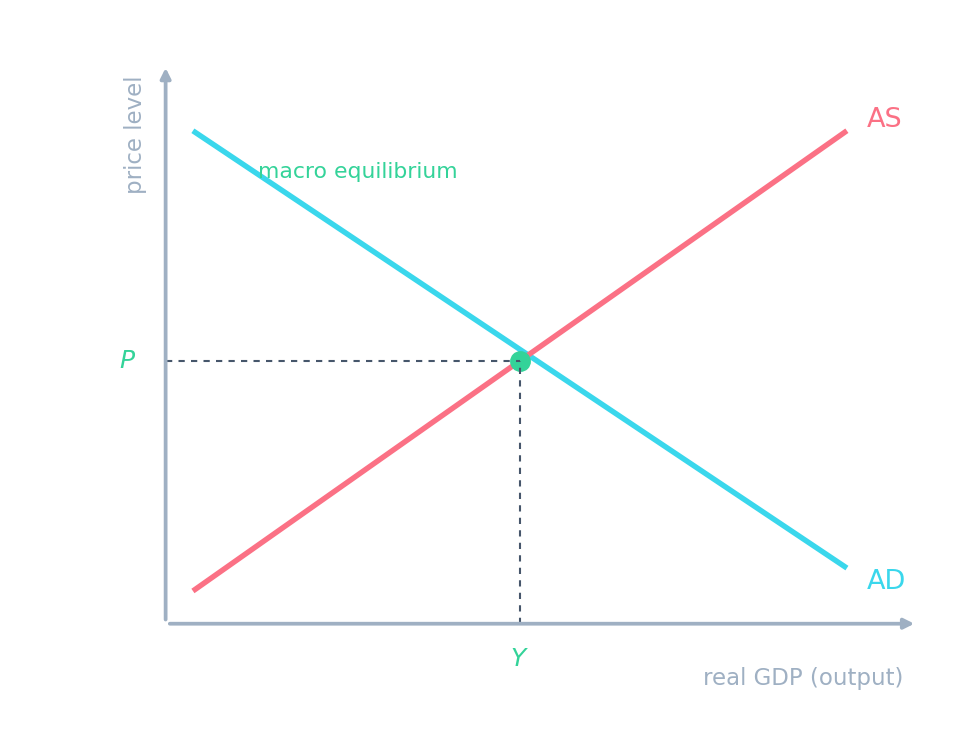
AD-AS 决定内部平衡(产出和价格);这里的需求变化也通过进口溢出到外部平衡。
A demand boost can improve internal balance (jobs) but worsen external balance (the trade deficit). · 需求扩张可以改善内部平衡(就业),但可能恶化外部平衡(贸易逆差)。
Higher demand raises imports, widening the current-account deficit. · 需求增加会提高进口,从而扩大经常账户赤字。
Policy responses
- Demand-management 需求管理 (fiscal/monetary) for cyclical internal problems.
- Expenditure-switching 支出转换 (depreciation, tariffs) and expenditure-reducing 支出减少 (tighter fiscal/monetary) for external deficits.
- Supply-side policy improves competitiveness — helping both balances at once in the long run.
Internal and external goals can clash. Stimulating demand to cut unemployment can widen the current-account deficit; tightening to fix the deficit can raise unemployment. Mind the trade-off.
政策回应
- 需求管理(财政/货币)用于周期性内部问题。
- 支出转换(贬值、关税)和支出减少(更紧的财政/货币)用于外部赤字。
- 供给侧政策改善竞争力——在长期同时帮助两个平衡。
内部和外部目标能冲突。 刺激需求以削减失业能扩大经常账户赤字;收紧以修复赤字能提高失业。留意权衡。
Which is an expenditure-switching policy for a trade deficit? · 哪种是用于贸易赤字的支出转移政策?
Depreciation switches demand to home goods; the others reduce total expenditure. · 贬值将需求转向本国商品;其他选项则是减少总支出。
Which policy can help both internal and external balance in the long run? · 哪项政策有助于长期实现内部和外部双重平衡?
Improving productivity/competitiveness supports growth, jobs and exports together. · 提高生产力/竞争力可支持增长、就业和出口同步发展。
The internal-external conflict
- A policy aimed at one balance often disturbs the other: boosting demand cuts unemployment (internal) but widens the deficit (external).
- The skill is choosing a mix that addresses the priority imbalance with the least damage to the other.
内部-外部冲突
- 一项针对一个平衡的政策常常扰乱另一个:提振需求削减失业(内部)但扩大赤字(外部)。
- 技巧是选择一个组合,以对另一个最小的损害应对优先的不平衡。
You've got it
- internal balance = stable prices + full employment; external balance = sustainable BoP
- they can conflict (demand boost cuts unemployment but widens the deficit)
- mix demand-management, expenditure-switching/reducing, and supply-side policy
你掌握了
- 内部平衡 = 稳定的价格 + 充分就业;外部平衡 = 可持续的国际收支
- 它们能冲突(需求提振削减失业但扩大赤字)
- 混合需求管理、支出转换/减少和供给侧政策