Employment and unemployment · 就业与失业
| English | 中文 | Pinyin · 拼音 |
|---|---|---|
| unemployment rate/ʌnemˈplɔɪmənt reɪt/ | 失业率 | shī yè lǜ |
| claimant count/ˈkleɪmənt kaʊnt/ | 申领救济人数 | shēn lǐng jiù jì rén shù |
| frictional/ˈfrɪkʃənl/ | 摩擦性 | mó cā xìng |
| structural/ˈstrʌktʃərəl/ | 结构性 | jié gòu xìng |
| cyclical/ˈsaɪklɪkl/ | 周期性 | zhōu qī xìng |
| seasonal/ˈsiːzənl/ | 季节性 | jì jié xìng |
Counting the jobless
- Unemployment isn't just a statistic — it's lost output, lost income, and social harm. Governments watch it closely.
- Its level, types and causes all feed into the AD-AS picture you've built.
数失业者
- 失业不只是一个统计数字——它是失去的产出、失去的收入和社会伤害。政府密切关注它。
- 它的水平、类型和原因都汇入你已经建立的 AD-AS 图景。
Development chain lab · 发展链条实验室
Follow how policy and resources can change living standards. · 了解政策和资源如何改变生活水平。
There are 3 million unemployed in a labour force of 40 million. What is the unemployment rate (%)? · 在劳动力中,有 3 百万失业者,劳动力总数为 40 百万。失业率(%)是多少?
(3 / 40) × 100 = 7.5%.
The unemployment rate divides the number unemployed by the labour . · 失业率等于失业人数除以劳动。
Rate = unemployed / labour force × 100. · 比率 = 失业人数 / 劳动力总数 × 100。
Measuring unemployment
- The unemployment rate 失业率 = unemployed ÷ labour force × 100.
- Measures: the claimant count 申领救济人数 (those on benefits) and the wider ILO/Labour Force Survey.
Worked example. 3 million unemployed in a labour force of 40 million. Rate = (3 ÷ 40) × 100 = 7.5%.
The short-run and long-run Phillips curves
测量失业
- 失业率 = 失业者 ÷ 劳动力 × 100。
- 测量:申领人数(claimant count,领取补助的人)和更广泛的 ILO/劳动力调查。
例题。 在 4000 万的劳动力中有 300 万失业。失业率 =(3 ÷ 40)× 100 = 7.5%。
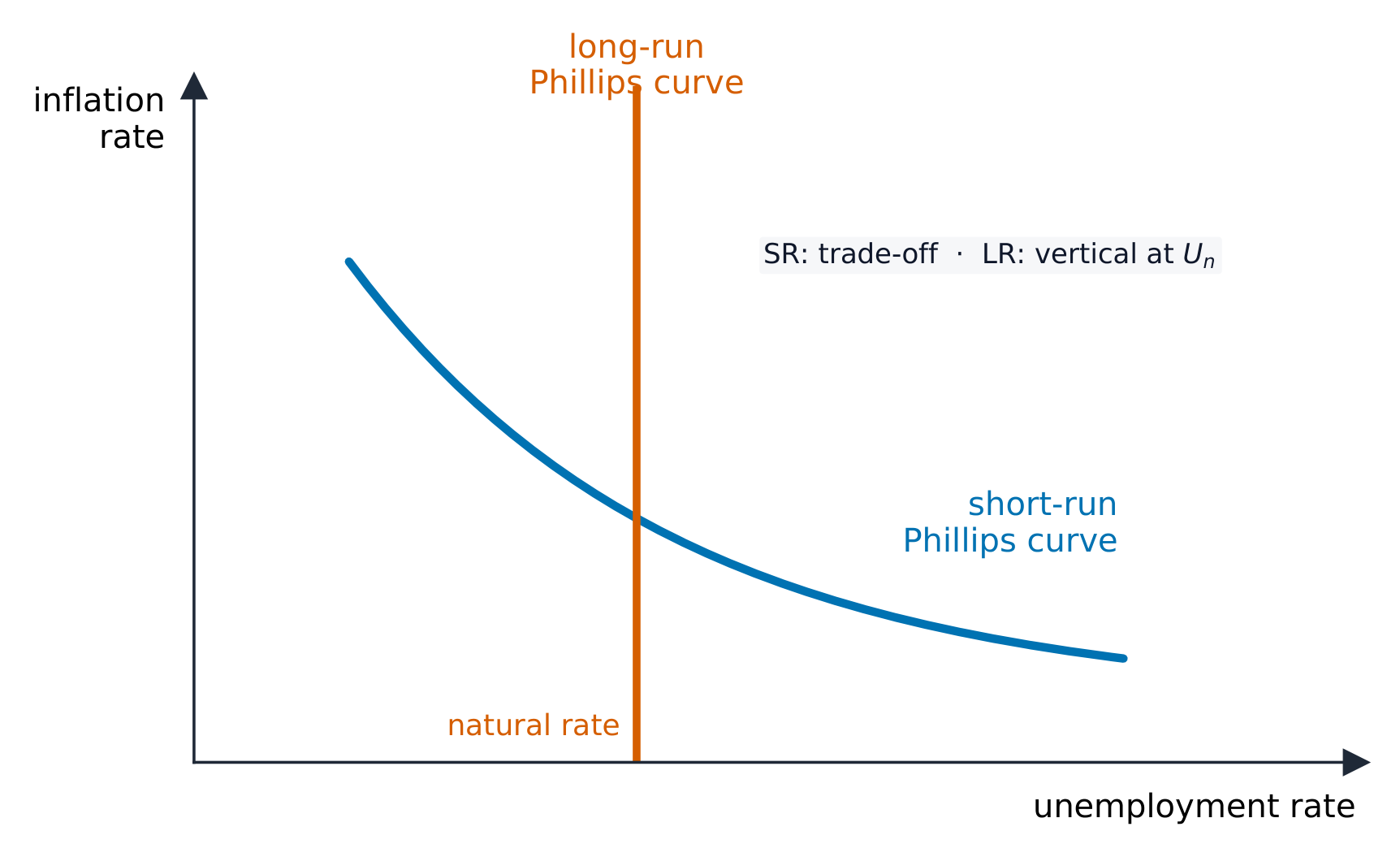
短期和长期菲利普斯曲线
Unemployment caused by a mismatch between workers' skills and available jobs is: · 由工人技能与可用职位不匹配引起的失业是:
Structural unemployment comes from industry/skill mismatch (e.g. declining industries). · 结构性失业源于产业/技能不匹配(如衰退行业)。
Cyclical unemployment rises when aggregate demand falls in a recession. · 当总需求在经济衰退中下降时,周期性失业会上升。
Demand-deficient (cyclical) unemployment moves with the economic cycle. · 需求不足型(周期性)失业随经济周期波动。
Match each type of unemployment to its cause. · 将每种类型的失业与其原因匹配。
Each type has a distinct cause. · 每种类型都有其独特的成因。
Types of unemployment
- Frictional 摩擦性 (between jobs), structural 结构性 (skills/industry mismatch), cyclical 周期性 (demand-deficient, in recessions), and seasonal 季节性.
A fall in AD reduces output, so firms need fewer workers — cyclical (demand-deficient) unemployment.
失业的类型
- 摩擦性(在工作之间)、结构性(技能/产业不匹配)、周期性(需求不足,在衰退中)和季节性。
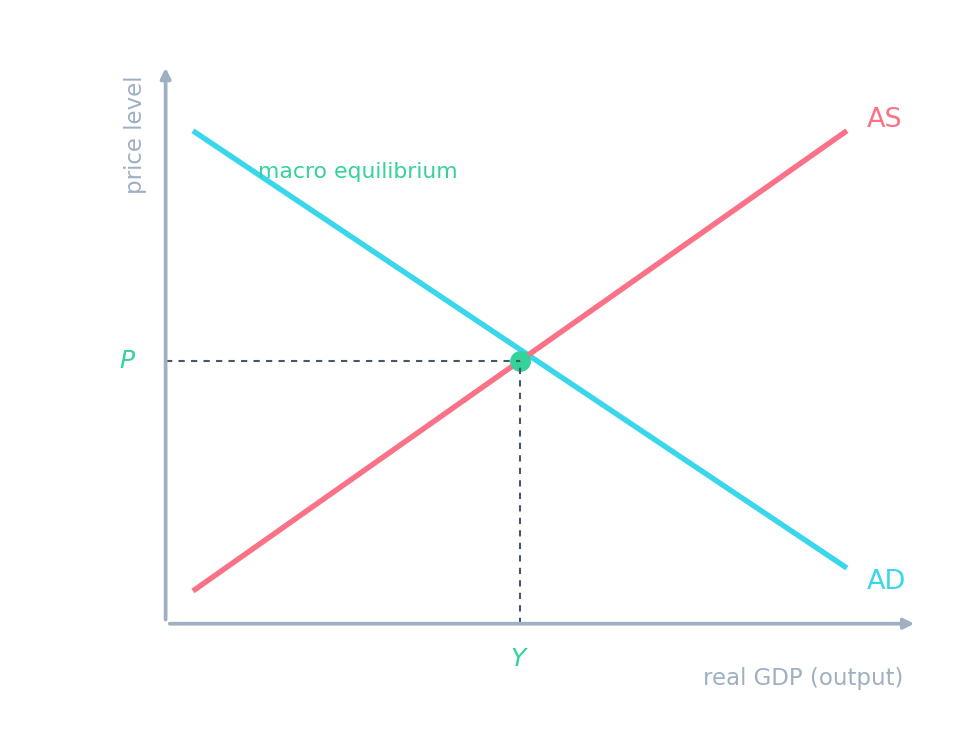
AD 的下降减少产出,所以企业需要更少的工人——周期性(需求不足)失业。
Costs of unemployment
- To the individual (lost income, skills, wellbeing), to firms (lower demand), and to the government (more benefits, less tax) — plus lost national output.
Four types of unemployment: frictional, structural, cyclical and seasonal
失业的成本
- 对个人(失去的收入、技能、福祉)、对企业(更低的需求)和对政府(更多补助、更少税收)——加上失去的国民产出。
You've got it
- unemployment rate = unemployed ÷ labour force × 100
- types: frictional, structural, cyclical, seasonal; cyclical rises when AD falls
- costs fall on individuals, firms, the government and national output
你掌握了
- 失业率 = 失业者 ÷ 劳动力 × 100
- 类型:摩擦性、结构性、周期性、季节性;周期性在 AD 下降时上升
- 成本落在个人、企业、政府和国民产出身上