Đa số Đô thị
Đã giới thiệuA threshold crossed by 1920
- By 1920, a majority of the U.S. population lived in urban centres, which offered new economic opportunities for women, international migrants, and internal migrants.
- A dated threshold, and the CED names three groups the cities offered opportunity to.
- Women first in that list, which matches 6.10's clerical workforce and 7.12's wartime openings.
Chọn cả ba nhóm mà CED nói thành phố mang lại cơ hội cho.
Độ khó 2/5 · 140 xu + một phần thưởng nhỏ cho lần hoàn thành đầu tiên trong ngày
Phụ nữ đầu tiên trong danh sách của CED.
Quotas continued after the war
- After World War I, nativist campaigns against some ethnic groups led to the passage of quotas that restricted immigration, particularly from southern and eastern Europe, and increased barriers to Asian immigration.
- The CED repeats 7.6's sentence with after instead of during, which shows the policy outlived the emergency.
- So restriction was not a wartime measure that lapsed; it became the standing arrangement.
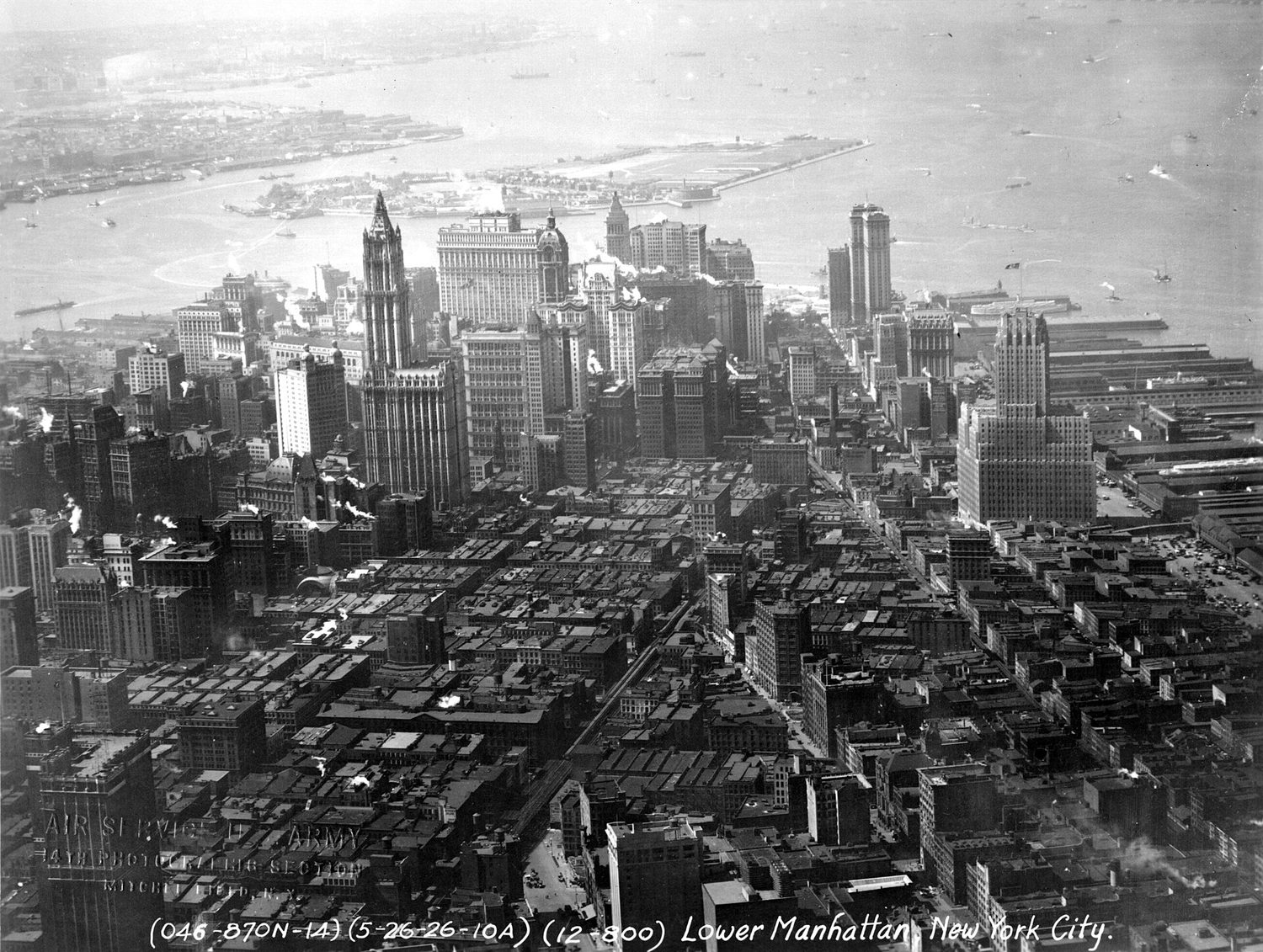
New York in the 1920s: the census of 1920 first counted more Americans in cities than on farms
CED lặp lại câu khung hạn với 'sau' thay vì 'trong' để chỉ ra...
Độ khó 1/5 · 100 xu + một phần thưởng nhỏ cho lần hoàn thành đầu tiên trong ngày
Hạn chế trở thành arrangement thường trực.
Migration produced art
- Migration gave rise to new forms of art and literature that expressed ethnic and regional identities, such as the Harlem Renaissance movement.
- Gave rise to makes migration the cause of a cultural achievement, not merely its setting.
- And ethnic and regional identities connects directly to 7.7's mass media raising awareness of regional cultures.
Một thực tế đô thị, một chính sách, hay một phát triển văn hóa?
Sắp xếp mỗi yếu tố của thập niên 1920.
Chọn cả các chủ đề gây tranh cãi của thập niên 1920 mà CED nêu tên.
Độ khó 2/5 · 140 xu + một phần thưởng nhỏ cho lần hoàn thành đầu tiên trong ngày
Không phải một cuộc chiến văn hóa duy nhất — nhiều lập luận khác nhau.
"Gave rise to" makes migration the cause of a cultural achievement. The CED says migration gave rise to new forms of art and literature that expressed ethnic and regional identities, such as the Harlem Renaissance movement — not that such art merely happened to appear where migrants lived.
Trào lưu mà CED đặt tên để biểu thị bản sắc dân tộc và khu vực là Renaissance ____.
Độ khó 1/5 · 100 xu + một phần thưởng nhỏ cho lần hoàn thành đầu tiên trong ngày
Sự di cư đã sinh ra nó.
Five controversies of the 1920s
- In the 1920s, cultural and political controversies emerged as Americans debated gender roles, modernism, science, religion, and issues related to race and immigration.
- Five subjects, and they are not a single culture war — science and religion is a different argument from race and immigration.
- The decade is defined by argument rather than consensus, which is the accurate way to describe it.
CED liên kết hai mục tiêu của 7.8 bằng cách nói văn hóa là...
Độ khó 1/5 · 100 xu + một phần thưởng nhỏ cho lần hoàn thành đầu tiên trong ngày
'Gave rise to' là cụm từ nguyên nhân.
Two objectives, one decade
- 7.8 carries migration patterns and developments in popular culture, and the CED links them itself.
- The link is that migration gave rise to new art expressing identity, so culture is downstream of movement.
- State that link once, then give one migration fact and one cultural development as its evidence.
Put a hundred thousand people from one region into a few city blocks and you have not only relocated them; you have created an audience, a market and a set of shared references that did not exist before. Art follows.
By 1920, a majority of the U.S. population lived in urban centres, which offered new economic opportunities for women, international migrants, and internal migrants. After World War I, nativist campaigns... led to the passage of quotas — restriction outlived the emergency. Migration gave rise to new forms of art and literature that expressed ethnic and regional identities, such as the Harlem Renaissance movement, and in the 1920s, cultural and political controversies emerged as Americans debated gender roles, modernism, science, religion, and issues related to race and immigration.