Skip to content · ⁨ข้ามไปยังเนื้อหา⁩

Impact of Computing · ⁨ผลกระทบของการคำนวณ⁩

AP Computer Science Principles · Topic 5 · ⁨หัวข้อ 5⁩

Video lesson for this topic · ⁨บทเรียนวิดีโอสำหรับหัวข้อนี้⁩ Open the video page · ⁨เปิดหน้าวิดีโอ⁩
8:12

ผลกระทบของการคำนวณ

ในปีหนึ่งพันเก้าร้อยแปดสิบเก้า นักวิทยาศาสตร์คนหนึ่งสร้างเครื่องมือขนาดเล็กเพื่อให้นักฟิสิกส์สามารถแลกเปลี่ยนเอกสารได้เร็วขึ้น เขาไม่ได้วางแผนสิ่งเหล่านี้ไว้ล่วงหน้า รถที่ขับเคลื่อนได้ด้วยตนเอง... A…

English narration · English + 中文 subtitles burned in · ⁨การบรรยายภาษาอังกฤษ · คำบรรยายภาษาอังกฤษ + 中文 ลอยตัวบนภาพ⁩

5.1

Beneficial and Harmful Effects · ⁨ผลกระทบที่ดีและอันตราย⁩

Syllabus · ⁨หลักสูตร⁩
English

Enduring Understanding (IOC-1): While computing innovations are typically designed to achieve a specific purpose, they may have unintended consequences.

Learning Objective IOC-1.A: Explain how an effect of a computing innovation can be both beneficial and harmful. [Skill 5.C]

  • IOC-1.A.1 People create computing innovations.
  • IOC-1.A.2 The way people complete tasks often changes to incorporate new computing innovations.
  • IOC-1.A.3 Not every effect of a computing innovation is anticipated in advance.
  • IOC-1.A.4 A single effect can be viewed as both beneficial and harmful by different people, or even by the same person.
  • IOC-1.A.5 Advances in computing have generated and increased creativity in other fields, such as medicine, engineering, communications, and the arts.

Learning Objective IOC-1.B: Explain how a computing innovation can have an impact beyond its intended purpose. [Skill 5.C]

  • IOC-1.B.1 Computing innovations can be used in ways that their creators had not originally intended:
    • The World Wide Web was originally intended only for rapid and easy exchange of information within the scientific community.
    • Targeted advertising is used to help businesses, but it can be misused at both individual and aggregate levels.
    • Machine learning and data mining have enabled innovation in medicine, business, and science, but information discovered in this way has also been used to discriminate against groups of individuals.
  • IOC-1.B.2 Some of the ways computing innovations can be used may have a harmful impact on society, the economy, or culture.
  • IOC-1.B.3 Responsible programmers try to consider the unintended ways their computing innovations can be used and the potential beneficial and harmful effects of these new uses.
  • IOC-1.B.4 It is not possible for a programmer to consider all the ways a computing innovation can be used.
  • IOC-1.B.5 Computing innovations have often had unintended beneficial effects by leading to advances in other fields.
  • IOC-1.B.6 Rapid sharing of a program or running a program with a large number of users can result in significant impacts beyond the intended purpose or control of the programmer.
ไทย

ความเข้าใจที่ยั่งยืน (IOC-1): แม้ว่าการนวัตกรรมทางคอมพิวเตอร์จะออกแบบมาเพื่อวัตถุประสงค์เฉพาะ แต่อาจมีผลข้างเคียงที่ไม่ได้ตั้งใจไว้

จุดประสงค์การเรียนรู้ IOC-1.A: อธิบายว่าผลกระทบจากการนวัตกรรมทางคอมพิวเตอร์สามารถเป็นทั้งประโยชน์และอันตรายได้ [ทักษะ 5.C]

  • IOC-1.A.1 มนุษย์สร้างนวัตกรรมทางคอมพิวเตอร์ขึ้น
  • IOC-1.A.2 วิธีการที่มนุษย์ทำงานมักเปลี่ยนแปลงไปเพื่อรองรับนวัตกรรมทางคอมพิวเตอร์ใหม่ ๆ
  • IOC-1.A.3 ไม่ใช่ว่าผลกระทบทุกประการจากการนวัตกรรมทางคอมพิวเตอร์จะถูกคาดการณ์ล่วงหน้า
  • IOC-1.A.4 ผลกระทบเพียงอย่างเดียวสามารถถูกมองว่าเป็นทั้งประโยชน์และอันตรายได้ โดยขึ้นอยู่กับแต่ละบุคคล หรือแม้กระทั่งขึ้นอยู่กับบุคคลเดียวกัน
  • IOC-1.A.5 ความก้าวหน้าด้านเทคโนโลยีคอมพิวเตอร์ได้ก่อให้เกิดและเสริมสร้างความสร้างสรรค์ในสาขาอื่น ๆ เช่น การแพทย์ วิศวกรรมสื่อสาร และศิลปะ

จุดประสงค์การเรียนรู้ IOC-1.B: อธิบายว่าการนวัตกรรมทางคอมพิวเตอร์สามารถส่งผลกระทบต่อสิ่งที่เกินกว่าวัตถุประสงค์ที่ตั้งไว้ได้อย่างไร [ทักษะ 5.C]

  • IOC-1.B.1 นวัตกรรมทางคอมพิวเตอร์สามารถใช้ในลักษณะที่ผู้สร้างไม่ได้ตั้งใจไว้ตั้งแต่แรก:
    • เวิลด์ไวด์ไวด์เว็บถูกสร้างขึ้นเพื่อแลกเปลี่ยนข้อมูลภายในชุมชนวิทยาศาสตร์อย่างรวดเร็วและง่ายดายเท่านั้น
    • การโฆษณาเป้าหมายถูกใช้เพื่อช่วยธุรกิจ แต่อาจถูกนำไปใช้ในทางที่ผิดในระดับบุคคลหรือระดับรวมได้
    • การเรียนรู้ของเครื่องและการขุดข้อมูลช่วยให้เกิดการนวัตกรรมในการแพทย์ ธุรกิจ และวิทยาศาสตร์ แต่ข้อมูลที่ถูกค้นพบด้วยวิธีนี้ยังถูกนำไปใช้เลือกปฏิบัติต่อกลุ่มคนด้วย
  • IOC-1.B.2 วิธีการบางอย่างที่ใช้นวัตกรรมทางคอมพิวเตอร์อาจส่งผลกระทบต่อสังคม เศรษฐกิจ หรือวัฒนธรรมในทางลบ
  • IOC-1.B.3 นักเขียนโปรแกรมที่มีความรับผิดชอบพยายามพิจารณาถึงความเป็นไปได้ในการใช้งานนวัตกรรมทางคอมพิวเตอร์ในทางที่ไม่ได้ตั้งใจ以及ผลกระทบที่เป็นประโยชน์และอันตรายที่อาจเกิดขึ้นจากการใช้งานรูปแบบใหม่เหล่านี้
  • IOC-1.B.4 เป็นไปไม่ได้ที่นักเขียนโปรแกรมจะพิจารณาถึงทุกวิธีการที่นวัตกรรมทางคอมพิวเตอร์สามารถถูกนำไปใช้ได้
  • IOC-1.B.5 นวัตกรรมทางคอมพิวเตอร์มักจะมีผลกระทบที่เป็นประโยชน์ที่ไม่ได้ตั้งใจไว้通过将leading to advances in other fields.
  • IOC-1.B.6 การแชร์โปรแกรมอย่างรวดเร็วหรือการใช้งานโปรแกรมกับผู้ใช้จำนวนมากอาจส่งผลให้เกิดผลกระทบที่สำคัญเหนือกว่าวัตถุประสงค์ที่ตั้งไว้หรือเหนือกว่าการควบคุมของนักเขียนโปรแกรม
Source: College Board AP Course and Exam Description · ⁨แหล่งที่มา: คำอธิบายหลักสูตรและข้อสอบ College Board AP⁩

English

Every computing innovation can be used in ways that help and ways that harm – often the same technology does both. A social network connects people and can spread misinformation; automation raises productivity and can remove jobs. Effects are frequently unintended: creators cannot foresee every use. When you evaluate a computing innovation, weigh its benefits and harms on people and society, and remember that harms are not always deliberate.

Computing also generates creativity in other fields, which the CED asks for as a benefit in its own right, not merely as convenience: modelling and imaging in medicine, simulation in engineering, new forms in the arts and music, and new kinds of communication entirely. An innovation's beneficial effects are often in a field far from computing.

ไทย
กองขยะอิเล็กทรอนิกส์ — การคำนวณมีทั้งต้นทุนทางสิ่งแวดล้อมและประโยชน์

นวัตกรรมด้านคอมพิวเตอร์ทุกชิ้นสามารถใช้ได้ทั้งในทางที่ ช่วย และทางที่ ทำร้าย – มักจะเป็นเทคโนโลยีเดียวกันที่ทำทั้งสองอย่างเครือข่ายสังคมเชื่อมโยงผู้คน และ สามารถแพร่กระจายข้อมูลเท็จ; การอัตโนมัติเพิ่มประสิทธิภาพ และ อาจทำให้คนตกงาน ผลกระทบมักเป็น ไม่ตั้งใจ: ผู้สร้างไม่สามารถคาดการณ์การใช้งานทุกแบบได้ เมื่อประเมินนวัตกรรมคอมพิวเตอร์ ให้ชั่งน้ำหนักประโยชน์และอันตรายที่มีต่อผู้คนและสังคม และจำไว้ว่าอันตรายไม่ได้เกิดจากความตั้งใจเสมอไป

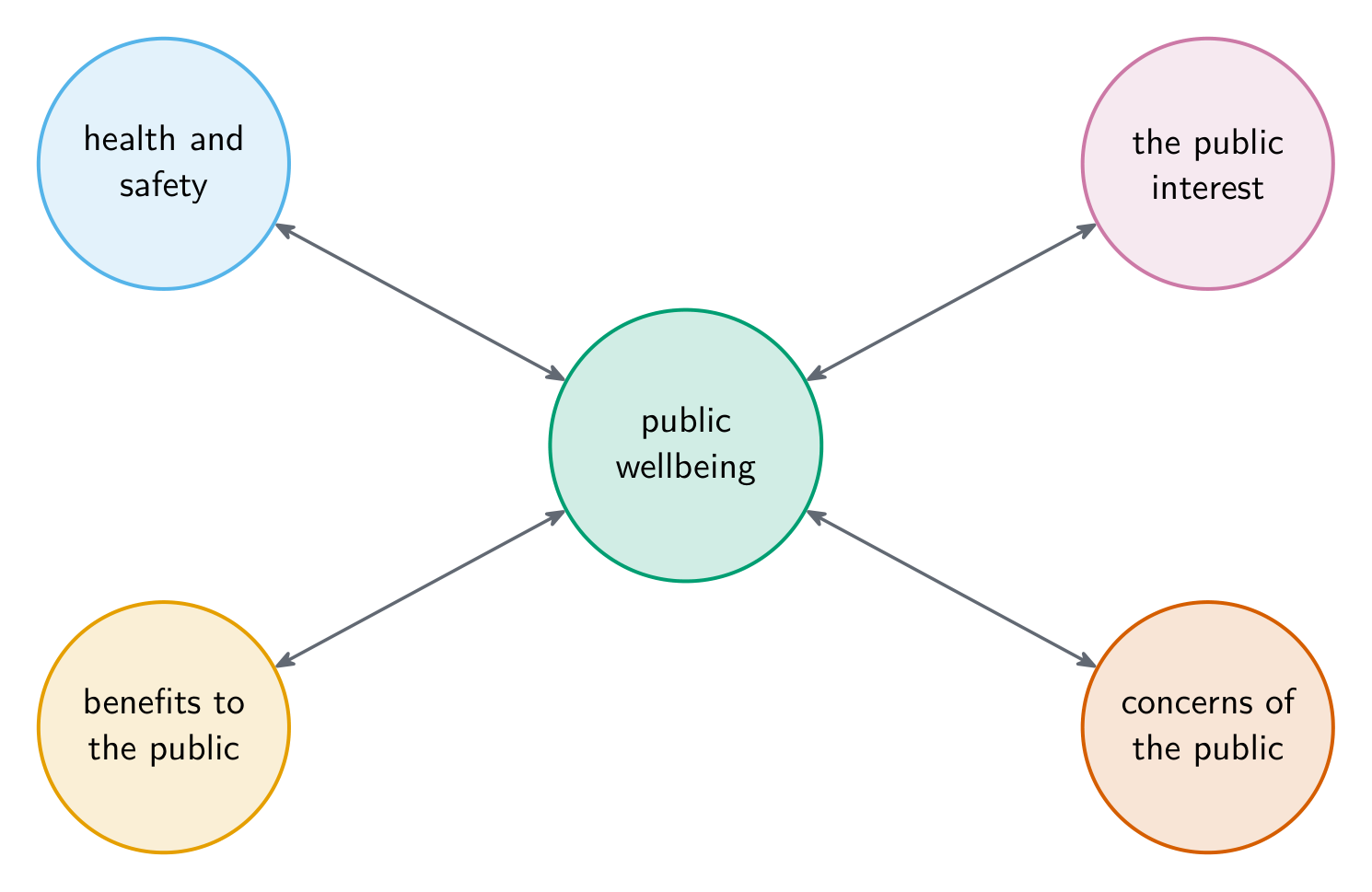
การคำนวณส่งผลกระทบต่อสุขภาวะของประชาชนในหลายรูปแบบ

การ計算ยังกระตุ้นความคิดสร้างสรรค์ในสาขาอื่น ๆ ซึ่ง CED ขอให้เป็นประโยชน์ในตัวเอง ไม่ใช่แค่ความสะดวกสบาย: การจำลองและการสร้างภาพใน เวชศาสตร์, การจำลองใน วิศวกรรมศาสตร์, รูปแบบใหม่ใน ศิลปะ และดนตรี, และรูปแบบการ สื่อสาร แบบใหม่ทั้งหมด ประโยชน์ของนวัตกรรมมักอยู่ในสาขาที่ห่างไกลจากการคำนวณมาก

5.2

The Digital Divide · ⁨ช่องว่างดิจิทัล⁩

Syllabus · ⁨หลักสูตร⁩
English

Enduring Understanding (IOC-1): While computing innovations are typically designed to achieve a specific purpose, they may have unintended consequences.

Learning Objective IOC-1.C: Describe issues that contribute to the digital divide. [Skill 5.C]

  • IOC-1.C.1 Internet access varies between socioeconomic, geographic, and demographic characteristics, as well as between countries.
  • IOC-1.C.2 The "digital divide" refers to differing access to computing devices and the Internet, based on socioeconomic, geographic, or demographic characteristics.
  • IOC-1.C.3 The digital divide can affect both groups and individuals.
  • IOC-1.C.4 The digital divide raises issues of equity, access, and influence, both globally and locally.
  • IOC-1.C.5 The digital divide is affected by the actions of individuals, organizations, and governments.
ไทย

ความเข้าใจที่ยั่งยืน (IOC-1): แม้ว่าการนวัตกรรมทางคอมพิวเตอร์จะออกแบบมาเพื่อวัตถุประสงค์เฉพาะ แต่อาจมีผลข้างเคียงที่ไม่ได้ตั้งใจไว้

จุดประสงค์การเรียนรู้ IOC-1.C: อธิบายประเด็นที่ gópส่วนทำให้เกิดช่องว่างดิจิทัล [ทักษะ 5.C]

  • IOC-1.C.1 การเข้าถึงอินเทอร์เน็ตแตกต่างกันไปตามลักษณะทางสังคมเศรษฐกิจภูมิศาสตร์และประชากร รวมถึงระหว่างประเทศด้วย
  • IOC-1.C.2 "ช่องว่างดิจิทัล" หมายถึงความแตกต่างในการเข้าถึงอุปกรณ์คอมพิวเตอร์และอินเทอร์เน็ต ซึ่งขึ้นอยู่กับลักษณะทางสังคมเศรษฐกิจ ภูมิศาสตร์ หรือประชากร
  • IOC-1.C.3 ช่องว่างดิจิทัลสามารถส่งผลกระทบต่อทั้งกลุ่มและบุคคล
  • IOC-1.C.4 ช่องว่างดิจิทัลยกประเด็นเรื่องความเสมอภาค การเข้าถึง และการมีอิทธิพล ทั้งในระดับโลกและท้องถิ่น
  • IOC-1.C.5 ช่องว่างดิจิทัลได้รับผลกระทบจากการกระทำของบุคคล องค์กร และรัฐบาล

Source: College Board AP Course and Exam Description · ⁨แหล่งที่มา: คำอธิบายหลักสูตรและข้อสอบ College Board AP⁩

English

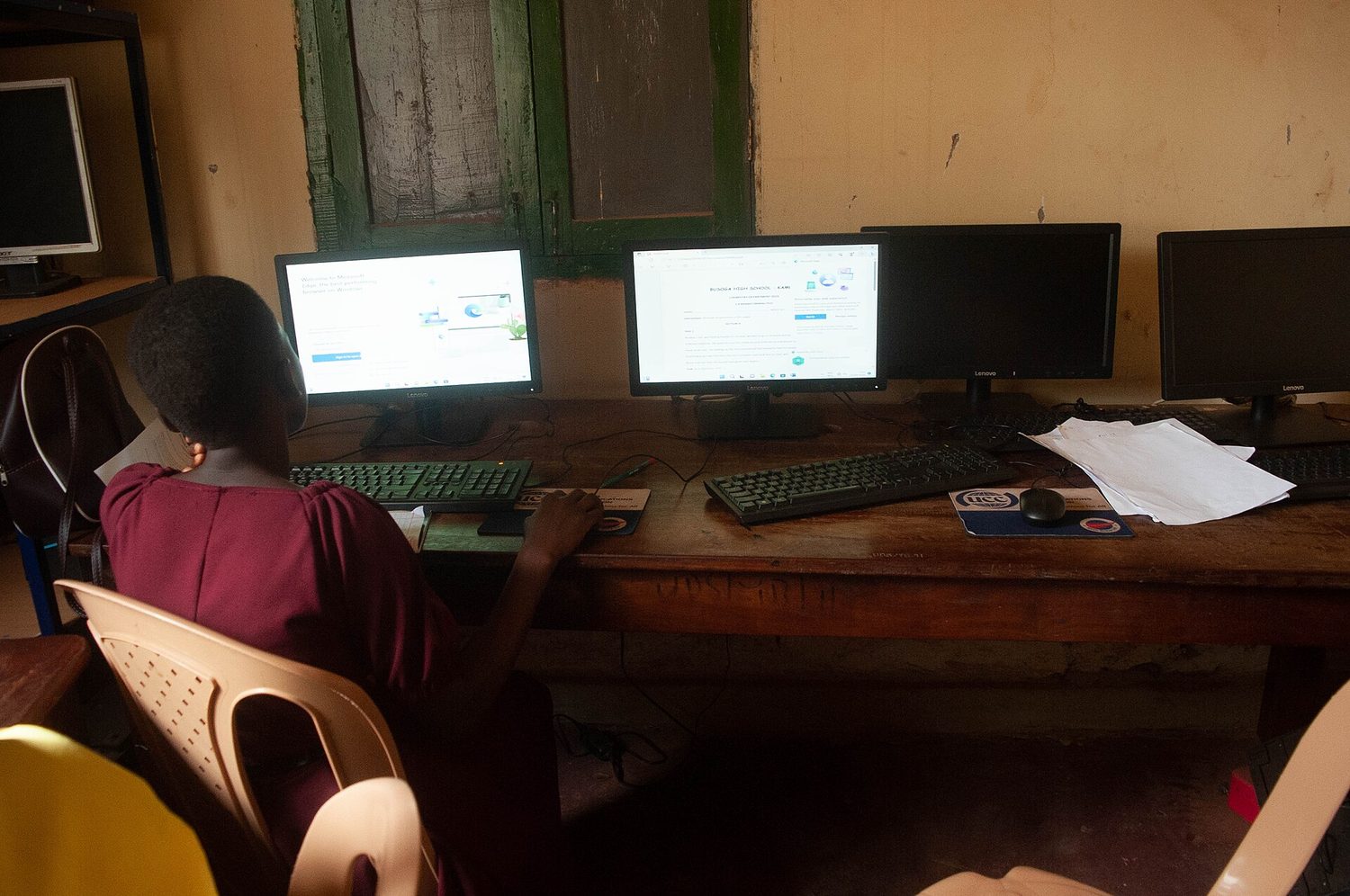
The digital divide 数字鸿沟 is the unequal access to computing and the Internet across groups – by income, geography, age, or country. Those with access gain education, jobs, and services; those without fall further behind. The divide is shaped by economic, social, and geographic factors, and efforts to close it (affordable devices, public access, infrastructure) aim to make computing's benefits fairer.

ไทย

ช่องว่างดิจิทัล คือการเข้าถึงคอมพิวเตอร์และอินเทอร์เน็ตที่ไม่เท่าเทียมกันระหว่างกลุ่ม – ตามรายได้, geografy, อายุ หรือประเทศ คนที่มีเข้าถึงได้รับการศึกษา งาน และบริการ; คนที่ไม่มีตามหลังมากขึ้น ช่องว่างนี้ถูกกำหนดโดยปัจจัยทางเศรษฐกิจ สังคม และภูมิศาสตร์ และความพยายามในการลดช่องว่างนี้ (อุปกรณ์ที่จับต้องได้, การเข้าถึงสาธารณะ, زیرโครงสร้าง) มุ่งหวังให้ประโยชน์ของการคำนวณเป็นธรรมยิ่งขึ้น

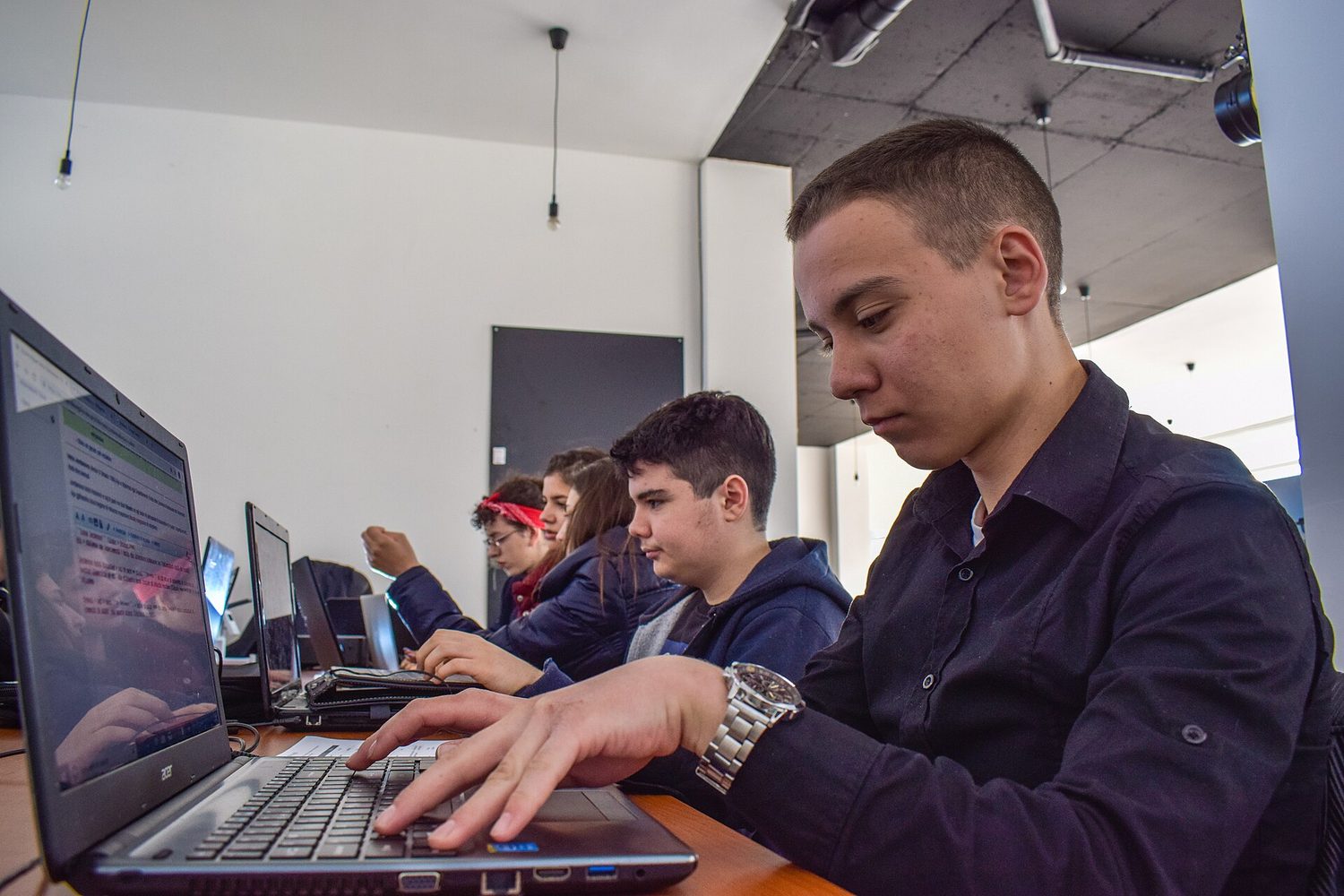
คอมพิวเตอร์ในห้องสมุดสาธารณะ: ช่องว่างดิจิทัลเกี่ยวกับการเข้าถึงอุปกรณ์ การเชื่อมต่อและทักษะที่ไม่เท่าเทียม
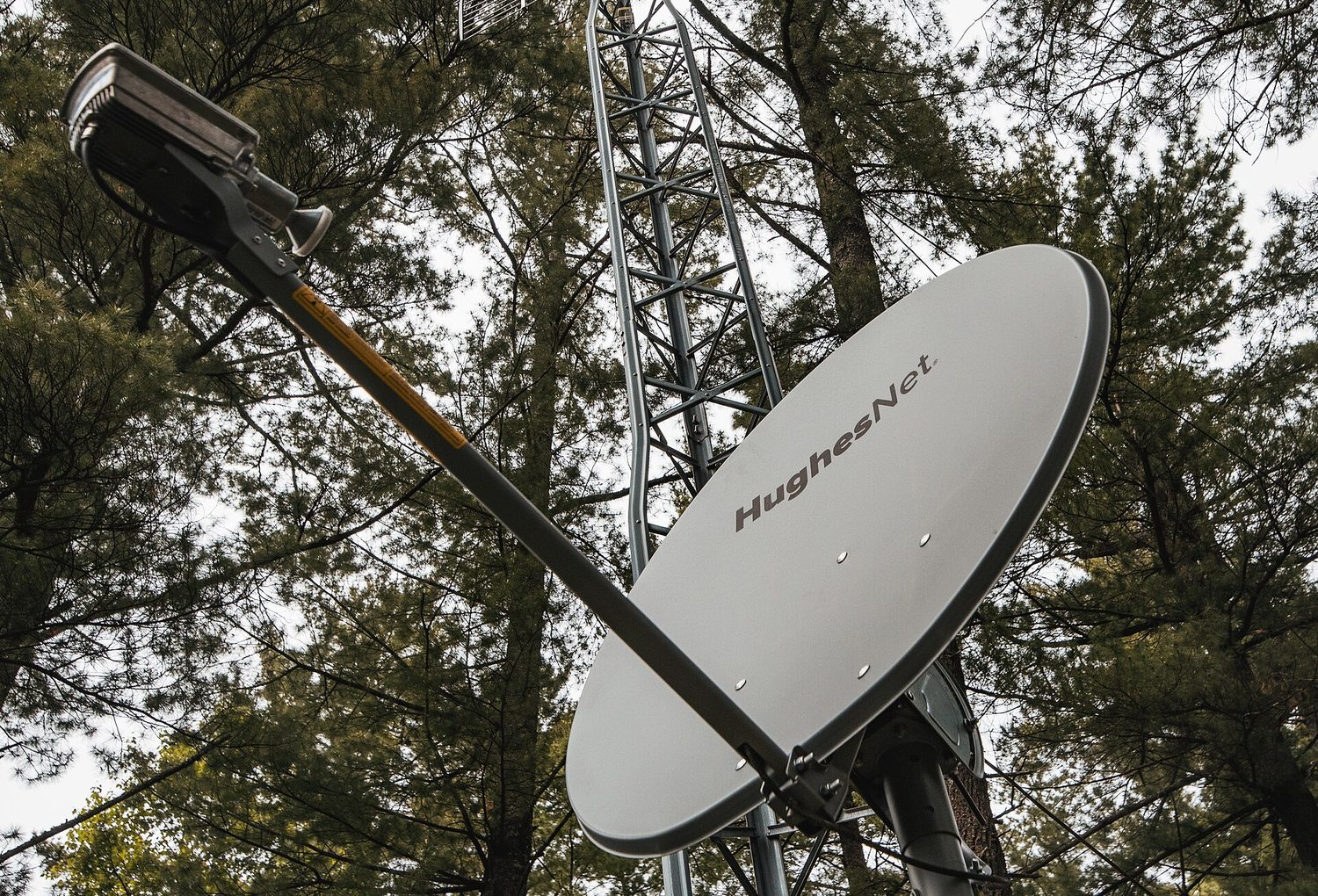
จานดาวเทียมในพื้นที่ชนบท: ภูมิศาสตร์ยังคงกำหนดใครได้ اینترنتเร็วและใครต้องรอ
5.3

Computing Bias · ⁨ความลำเอียงในการคำนวณ⁩

Syllabus · ⁨หลักสูตร⁩
English

Enduring Understanding (IOC-1): While computing innovations are typically designed to achieve a specific purpose, they may have unintended consequences.

Learning Objective IOC-1.D: Explain how bias exists in computing innovations. [Skill 5.E]

  • IOC-1.D.1 Computing innovations can reflect existing human biases because of biases written into the algorithms or biases in the data used by the innovation.
  • IOC-1.D.2 Programmers should take action to reduce bias in algorithms used for computing innovations as a way of combating existing human biases.
  • IOC-1.D.3 Biases can be embedded at all levels of software development.
ไทย

ความเข้าใจที่ยั่งยืน (IOC-1): แม้ว่าการนวัตกรรมทางคอมพิวเตอร์จะออกแบบมาเพื่อวัตถุประสงค์เฉพาะ แต่อาจมีผลข้างเคียงที่ไม่ได้ตั้งใจไว้

จุดประสงค์การเรียนรู้ IOC-1.D: อธิบายว่าความลำเอียงมีอยู่ในนวัตกรรมทางเทคโนโลยีอย่างไร [ทักษะ 5.E]

  • IOC-1.D.1 นวัตกรรมทางเทคโนโลยีสามารถสะท้อนความลำเอียงที่มีอยู่ของมนุษย์ได้ เนื่องจากความลำเอียงที่ถูกฝังอยู่ในอัลกอริทึมหรือความลำเอียงในข้อมูลที่นวัตกรรมนั้นใช้
  • IOC-1.D.2 นักเขียนโปรแกรมควรดำเนินการเพื่อลดความลำเอียงในอัลกอริทึมที่ใช้สำหรับนวัตกรรมทางเทคโนโลยี เพื่อเป็นการต่อต้านความลำเอียงที่มีอยู่ของมนุษย์
  • IOC-1.D.3 ความลำเอียงสามารถฝังอยู่ในทุกระดับของการพัฒนาซอฟต์แวร์

Source: College Board AP Course and Exam Description · ⁨แหล่งที่มา: คำอธิบายหลักสูตรและข้อสอบ College Board AP⁩

English

Bias 偏见 can be built into computing systems – often unintentionally. If the data used to build a system reflects existing prejudice, or if the designers' assumptions are one-sided, the system can produce unfair results (for example, a hiring tool that favors one group). Bias can enter at every stage – data collection, design, and use – so systems should be tested for fairness across different groups. Recognizing that "the computer said so" is not the same as "fair" is an important habit.

ไทย
รถยนต์ไร้คนขับบนถนนในเมือง – ระบบอัตโนมัติตั้งคำถามเรื่องความปลอดภัยและความลำเอียง

ความลำเอียง สามารถฝังอยู่ในระบบการคำนวณ – มักโดยไม่ตั้งใจ หาก ข้อมูล ที่ใช้สร้างระบบสะท้อนอคติที่มีอยู่ หรือหากสมมติฐานของนักออกแบบมีมุมมองด้านเดียว ระบบอาจ产生ผลลัพธ์ที่ ไม่เป็นธรรม (เช่น เครื่องมือสรรหาบุคคลที่เลือกกลุ่มหนึ่ง) ความลำเอียงสามารถเกิดขึ้นได้ในทุกขั้นตอน – การเก็บข้อมูล การออกแบบ และการใช้งาน ดังนั้นควรทดสอบระบบเพื่อหาความเป็นธรรมในกลุ่มต่างๆ การตระหนักว่า "คอมพิวเตอร์บอก vậy" ไม่เท่ากับ "เป็นธรรม" เป็นนิสัยที่สำคัญ

5.4

Crowdsourcing · ⁨การระดมสมองจากฝูงชน⁩

Syllabus · ⁨หลักสูตร⁩
English

Enduring Understanding (IOC-1): While computing innovations are typically designed to achieve a specific purpose, they may have unintended consequences.

Learning Objective IOC-1.E: Explain how people participate in problem-solving processes at scale. [Skill 1.C]

  • IOC-1.E.1 Widespread access to information and public data facilitates the identification of problems, development of solutions, and dissemination of results.
  • IOC-1.E.2 Science has been affected by using distributed and "citizen science" to solve scientific problems.
  • IOC-1.E.3 Citizen science is scientific research conducted in whole or part by distributed individuals, many of whom may not be scientists, who contribute relevant data to research using their own computing devices.
  • IOC-1.E.4 Crowdsourcing is the practice of obtaining input or information from a large number of people via the Internet.
  • IOC-1.E.5 Human capabilities can be enhanced by collaboration via computing.
  • IOC-1.E.6 Crowdsourcing offers new models for collaboration, such as connecting businesses or social causes with funding.
ไทย

ความเข้าใจที่ยั่งยืน (IOC-1): แม้ว่าการนวัตกรรมทางคอมพิวเตอร์จะออกแบบมาเพื่อวัตถุประสงค์เฉพาะ แต่อาจมีผลข้างเคียงที่ไม่ได้ตั้งใจไว้

จุดประสงค์การเรียนรู้ IOC-1.E: อธิบายว่าผู้คนมีส่วนร่วมในกระบวนการแก้ปัญหาในระดับกว้างได้อย่างไร [ทักษะ 1.C]

  • IOC-1.E.1 การเข้าถึงข้อมูลและข้อมูลสาธารณะอย่างแพร่หลายช่วยให้ระบุปัญหา พัฒนาโซลูชัน และเผยแพร่ผลลัพธ์ได้ง่ายขึ้น
  • IOC-1.E.2 วิทยาศาสตร์ได้รับผลกระทบจากการใช้ระบบกระจายและ "วิทยาศาสตร์พลเมือง" ในการแก้ปัญหาทางวิทยาศาสตร์
  • IOC-1.E.3 วิทยาศาสตร์พล citizen science คือการวิจัยทางวิทยาศาสตร์ที่ดำเนินการทั้งหมดหรือบางส่วนโดยบุคคลที่กระจายตัว ซึ่งหลายคนอาจไม่ใช่ scientifique ที่ให้ข้อมูลที่เกี่ยวข้องกับการวิจัยโดยใช้อุปกรณ์คอมพิวเตอร์ของตนเอง
  • IOC-1.E.4 Crowdsourcing คือการรับข้อมูลหรือความคิดเห็นจากผู้คนจำนวนมากผ่านอินเทอร์เน็ต
  • IOC-1.E.5 ศักยภาพของมนุษย์สามารถได้รับการเสริมสร้างผ่านการร่วมมือกันผ่านเทคโนโลยี
  • IOC-1.E.6 Crowdsourcing นำเสนอรูปแบบใหม่สำหรับการร่วมมือกัน เช่น การเชื่อมโยงธุรกิจหรือ cause与社会 funding

Source: College Board AP Course and Exam Description · ⁨แหล่งที่มา: คำอธิบายหลักสูตรและข้อสอบ College Board AP⁩

English

Crowdsourcing 众包 obtains input, ideas, or funding from a large group of people, usually online. It harnesses the knowledge and effort of many – mapping projects, product reviews, citizen science, and crowdfunding all rely on it. The Internet makes crowdsourcing possible at a scale and speed never before achievable, letting a project draw on contributors worldwide.

ไทย

Crowdsourcing รวบรวมข้อมูลความคิดเห็นหรือเงินทุนจาก กลุ่มคนจำนวนมาก โดยทั่วไปออนไลน์ มันใช้ความรู้และความพยายามของหลายคน – โครงการทำแผนที่ รีวิวสินค้า วิทยาศาสตร์พลเมือง และ crowdfunding ล้วนพึ่งพามัน อินเทอร์เน็ตทำให้ crowdsourcing เป็นไปได้ในระดับและความเร็วที่เคยไม่มีมาก่อน ทำให้โครงการดึงผู้มีส่วนร่วมจากทั่วโลกมา共同参与ได้

Wikipedia edit-a-thon: crowdsourcing รวมงานของคนจำนวนมากเข้าเป็นทรัพยากรร่วมกัน
Vocabulary · ⁨คำศัพท์⁩ Train · ⁨ฝึกฝน⁩
English ไทย
Crowdsourcing/ˈkraʊdsɔːsɪŋ/ Crowdsourcing
Intellectual property/ˌɪntəˈlektʃuːəl ˈprɒpəti/ ทรัพย์สินทางปัญญา
copyright/ˈkɒpɪraɪt/ ลิขสิทธิ์
5.5

Legal and Ethical Concerns · ⁨ข้อกังวลด้านกฎหมายและจริยธรรม⁩

Syllabus · ⁨หลักสูตร⁩
English

Enduring Understanding (IOC-1): While computing innovations are typically designed to achieve a specific purpose, they may have unintended consequences.

Learning Objective IOC-1.F: Explain how the use of computing can raise legal and ethical concerns. [Skill 5.E]

  • IOC-1.F.1 Material created on a computer is the intellectual property of the creator or an organization.
  • IOC-1.F.2 Ease of access and distribution of digitized information raises intellectual property concerns regarding ownership, value, and use.
  • IOC-1.F.3 Measures should be taken to safeguard intellectual property.
  • IOC-1.F.4 The use of material created by someone else without permission and presented as one's own is plagiarism and may have legal consequences.
  • IOC-1.F.5 Some examples of legal ways to use materials created by someone else include:
    • Creative Commons—a public copyright license that enables the free distribution of an otherwise copyrighted work. This is used when the content creator wants to give others the right to share, use, and build upon the work they have created.
    • open source—programs that are made freely available and may be redistributed and modified
    • open access—online research output free of any and all restrictions on access and free of many restrictions on use, such as copyright or license restrictions
  • IOC-1.F.6 The use of material created by someone other than you should always be cited.
  • IOC-1.F.7 Creative Commons, open source, and open access have enabled broad access to digital information.
  • IOC-1.F.8 As with any technology or medium, using computing to harm individuals or groups of people raises legal and ethical concerns.
  • IOC-1.F.9 Computing can play a role in social and political issues, which in turn often raises legal and ethical concerns.
  • IOC-1.F.10 The digital divide raises ethical concerns around computing.
  • IOC-1.F.11 Computing innovations can raise legal and ethical concerns. Some examples of these include:
    • the development of software that allows access to digital media downloads and streaming
    • the development of algorithms that include bias
    • the existence of computing devices that collect and analyze data by continuously monitoring activities
ไทย

ความเข้าใจที่ยั่งยืน (IOC-1): แม้ว่าการนวัตกรรมทางคอมพิวเตอร์จะออกแบบมาเพื่อวัตถุประสงค์เฉพาะ แต่อาจมีผลข้างเคียงที่ไม่ได้ตั้งใจไว้

จุดประสงค์การเรียนรู้ IOC-1.F: อธิบายว่าการใช้เทคโนโลยีสามารถก่อให้เกิดข้อกังวลด้านกฎหมายและจริยธรรมได้อย่างไร [ทักษะ 5.E]

  • IOC-1.F.1 วัสดุที่สร้างบนคอมพิวเตอร์เป็นทรัพย์สินทางปัญญาของผู้สร้างหรือองค์กร
  • IOC-1.F.2 ความง่ายในการเข้าถึงและการจัดจำหน่ายข้อมูลดิจิทัล ทำให้เกิดข้อกังวลด้านทรัพย์สินทางปัญญาเกี่ยวกับความเป็นเจ้าของ มูลค่า และการใช้งาน
  • IOC-1.F.3 ควร採取 Measures เพื่อปกป้องทรัพย์สินทางปัญญา
  • IOC-1.F.4 การใช้วัสดุที่สร้างโดยผู้อื่นโดยไม่ได้รับอนุญาตและนำเสนอว่าเป็นผลงานของตนเองเรียกว่าการก๊อปปี้งาน (plagiarism) และอาจมีผลทางกฎหมาย
  • IOC-1.F.5 ตัวอย่างบางประการของการใช้วัสดุที่สร้างโดยผู้อื่นอย่างถูกต้องตามกฎหมาย ได้แก่:
    • Creative Commons — ลิขสิทธิ์สาธารณะที่อนุญาตให้กระจายผลงานที่มีลิขสิทธิ์ได้อย่างอิสระ โดยมักใช้เมื่อผู้สร้างเนื้อหาต้องการมอบสิทธิ์ให้ผู้อื่นในการแชร์ ใช้งาน และพัฒนาต่อจากผลงานของตน
    • Open source — โปรแกรมที่ถูกเปิดเผยให้ใช้งานฟรี สามารถนำกลับมาแจกจ่ายใหม่และดัดแปลงแก้ไขได้
    • Open access — ผลงานวิจัยออนไลน์ที่เข้าถึงได้โดยไม่มีการจำกัดใดๆ และได้รับอนุญาตให้ใช้งานโดยไม่มีข้อจำกัดด้านลิขสิทธิ์หรือใบอนุญาตมากนัก
  • IOC-1.F.6 การใช้วัสดุที่สร้างโดยบุคคลอื่นที่ไม่ใช่ตัวคุณเองควรต้องมีการอ้างอิงเสมอ
  • IOC-1.F.7 Creative Commons, open source และ open access ได้เปิดโอกาสให้เข้าถึงข้อมูลดิจิทัลในวงกว้าง
  • IOC-1.F.8 เหมือนกับเทคโนโลยีหรือสื่ออื่นๆ การใช้คอมพิวเตอร์เพื่อทำร้ายบุคคลหรือกลุ่มคนนั้นๆ ย่อมก่อให้เกิดประเด็นทางกฎหมายและจริยธรรม
  • IOC-1.F.9 คอมพิวเตอร์สามารถมีส่วนร่วมในประเด็นทางสังคมและการเมือง ซึ่งในทางกลับกันมักจะทำให้เกิดประเด็นทางกฎหมายและจริยธรรมตามไปด้วย
  • IOC-1.F.10 ช่องว่างระหว่างผู้เข้าถึงเทคโนโลยีดิจิทัล (digital divide) ก่อให้เกิดประเด็นทางจริยธรรมเกี่ยวกับคอมพิวเตอร์
  • IOC-1.F.11 นวัตกรรมทางคอมพิวเตอร์อาจก่อให้เกิดประเด็นทางกฎหมายและจริยธรรม ตัวอย่างเช่น:
    • การพัฒนาซอฟต์แวร์ที่อนุญาตให้เข้าถึงการดาวน์โหลดและสตรีมมิ่งสื่อดิจิทัล
    • การพัฒนาอัลกอริทึมที่แฝงความลำเอียง (bias) ไว้ด้วย
    • การมีอยู่ของอุปกรณ์คอมพิวเตอร์ที่เก็บรวบรวมและวิเคราะห์ข้อมูลโดยการติดตามกิจกรรมอย่างต่อเนื่อง

Source: College Board AP Course and Exam Description · ⁨แหล่งที่มา: คำอธิบายหลักสูตรและข้อสอบ College Board AP⁩

English

Computing raises questions of law and ethics:

  • Intellectual property 知识产权 and copyright 版权 protect creators' work; using it may require permission or a license. Open-source 开源 and Creative Commons licenses let creators share work under stated terms.
  • Plagiarism 抄袭 – using others' work as your own – is unethical and often illegal.
  • Collecting and using personal data raises privacy questions about consent and misuse.

The three "open" terms, which are not the same thing

Term What it means
open source programs that are made freely available and may be redistributed and modified by anyone. The licence grants those rights explicitly — free of charge is not the same as open source, and a free program you may not modify is not open source.
open access 开放获取 research and other content made available online without charge, so a reader does not need a subscription. It says nothing about the right to modify.
Creative Commons 知识共享 a family of licences a creator applies to their own work to grant specific permissions in advance — for example "you may reuse this if you credit me" or "you may reuse this but not commercially".

All three are ways of granting rights the creator holds by default under copyright. That is why they matter for the exam: copyright is automatic, so anything not explicitly licensed is restricted, and using it needs permission.

Just because something is technically possible does not make it legal or ethical.

What is recorded while you browse

Two collection routes the CED names, and neither needs you to type anything:

  • Websites can record and maintain a history of the individuals who have viewed their pages — which pages, when, how long, and from which device.
  • Search engines can use your search history to suggest websites, and to sell targeted marketing: the advertisement follows the search, which is why a product looked up once then appears for weeks.

Neither is inherently malicious, and both are the mechanism behind services people find useful. The point the exam wants is that data collected for one purpose can be combined and used for another, often without the person realising they agreed to it.

ไทย
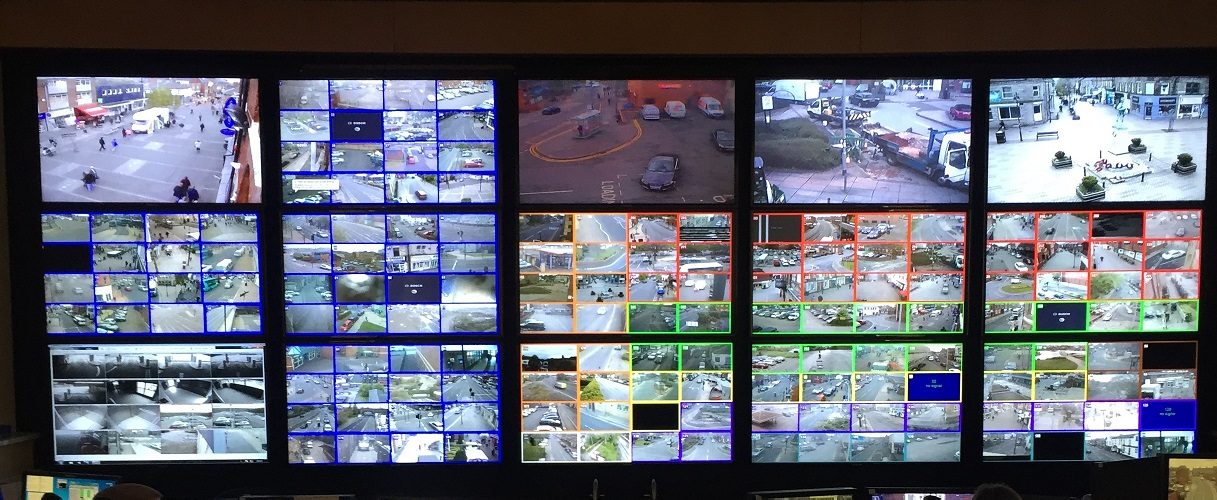
ห้องควบคุม CCTV: ระบบเฝ้าระวังแลกเปลี่ยนผลประโยชน์ด้านความปลอดภัยกับความกังวลเรื่องความเป็นส่วนตัว

การ計算ตั้งคำถามด้านกฎหมายและจริยธรรม:

  • ทรัพย์สินทางปัญญา และ ลิขสิทธิ์ ปกป้องผลงานของผู้สร้าง; การใช้อาจต้องการอนุญาตหรือใบอนุญาต Open-source และ Creative Commons Licenses ช่วยให้ผู้สร้างแชร์งานภายใต้เงื่อนไขที่กำหนดไว้
  • การลอกเลียนแบบ – ใช้ผลงานคนอื่นเป็นของตัวเอง – เป็นสิ่งที่ไม่ถูกต้องและมักผิดกฎหมาย
  • การรวบรวมและใช้ข้อมูลส่วนตัวสร้างความ ความเป็นส่วนตัว เกี่ยวกับฉันทามติและการใช้ที่ไม่เหมาะสม

คำว่า "เปิด" ทั้งสามคำ ซึ่งไม่เหมือนกัน

คำศัพท์ ความหมาย
open source โปรแกรมที่ถูก เผยแพร่ฟรีและสามารถจัดจำหน่ายใหม่และแก้ไขได้ โดยทุกคน ใบอนุญาตมอบสิทธิ์เหล่านั้นอย่างชัดเจน – gratis ไม่ได้เท่ากับ open source และโปรแกรมฟรีที่คุณแก้ไขไม่ได้ก็ไม่算是 open source.
open access งานวิจัยและเนื้อหาอื่นๆ ที่ เผยแพร่ออนไลน์โดยไม่มีค่าใช้จ่าย sehinggaผู้อ่านไม่ต้องสมัครสมาชิก มันไม่ได้กล่าวถึงสิทธิ์ในการแก้ไข
Creative Commons ครอบครัวของใบอนุญาตที่ผู้สร้างนำไปใช้กับผลงานของตนเองเพื่อมอบสิทธิ์เฉพาะล่วงหน้า – เช่น "คุณสามารถนำกลับมาใช้ใหม่ได้หากยกย่องฉัน" หรือ "คุณสามารถนำกลับมาใช้ใหม่ได้แต่ไม่ใช่เชิงพาณิชย์"

ทั้งสามเป็นวิธีการ มอบสิทธิ์ ที่ผู้สร้างมีโดยปกติตามกฎหมายลิขสิทธิ์ นั่นคือเหตุผลที่มันสำคัญสำหรับการสอบ: ลิขสิทธิ์เกิดขึ้นโดยอัตโนมัติ ดังนั้นสิ่งที่ไม่มีใบอนุญาตชัดเจนจะจำกัดการใช้ และต้องใช้สิทธิ์ในการใช้

เพียงเพราะสิ่งใดทำได้ทางเทคนิค并不意味着它是合法的或合乎道德的。

สิ่งที่บันทึกไว้ขณะคุณท่องเว็บ

สองช่องทางجمعข้อมูลที่ CED ระบุ และทั้งสองอย่างไม่ต้องพิมพ์อะไรเลย:

  • เว็บไซต์สามารถบันทึกและรักษาประวัติของบุคคลที่ได้ดูหน้าเว็บของตน – หน้าไหน, เมื่อไหร่, นานแค่ไหน, และจากอุปกรณ์ใด
  • เครื่องค้นหาข้อมูลสามารถใช้งานประวัติการค้นหาของคุณ เพื่อเสนอเว็บไซต์ และเพื่อทำ การตลาดแบบเจาะจง: การโฆษณาจะติดตามตามการค้นหานั้น ซึ่งนี่คือเหตุผลว่าทำไมสินค้าที่คุณเคยค้นหาครั้งหนึ่งจึงปรากฏตัวต่อเป็นสัปดาห์

ทั้งสองอย่างไม่ได้มีเจตนาชั่วร้ายโดยธรรมชาติ และทั้งสองเป็นกลไกเบื้องหลังบริการที่ผู้คนพบว่ามีประโยชน์ จุดสำคัญที่ข้อสอบต้องการคือ ข้อมูลที่เก็บรวบรวมไว้เพื่อวัตถุประสงค์หนึ่งสามารถนำมารวมและนำไปใช้为目的อื่นได้ มักโดยไม่ที่บุคคลนั้นตระหนักว่าตนเองได้ยินยอมในสิ่งนั้น

Vocabulary · ⁨คำศัพท์⁩ Train · ⁨ฝึกฝน⁩
English ไทย
Open-source/ˈəʊpən sɔːs/ ซอร์สโค้ดเปิด
Plagiarism/ˈpleɪdʒərɪzəm/ การลอกเลียนแบบ
open access/ˈəʊpən ˈækses/ การเข้าถึงแบบเปิด
Creative Commons/kriːˈeɪtɪv ˈkɒmənz/ ครีเอทีฟคอมมอนส์
Personally identifiable information (PII)/ˈpɜːsənəli aɪˈdentɪfaɪəbl ˌɪnfəˈmeɪʃn/ ข้อมูลระบุตัวตนส่วนบุคคล (PII)
identity theft/aɪˈdentɪti θeft/ การขโมยตัวตน
open source/ˈəʊpən sɔːs/ open source
5.6

Safe Computing · ⁨การคำนวณที่ปลอดภัย⁩

Syllabus · ⁨หลักสูตร⁩
English

Enduring Understanding (IOC-2): The use of computing innovations may involve risks to personal safety and identity.

Learning Objective IOC-2.A: Describe the risks to privacy from collecting and storing personal data on a computer system. [Skill 5.D]

  • IOC-2.A.1 Personally identifiable information (PII) is information about an individual that identifies, links, relates, or describes them. Examples of PII include:
    • Social Security number
    • age
    • race
    • phone number(s)
    • medical information
    • financial information
    • biometric data
  • IOC-2.A.2 Search engines can record and maintain a history of searches made by users.
  • IOC-2.A.3 Websites can record and maintain a history of individuals who have viewed their pages.
  • IOC-2.A.4 Devices, websites, and networks can collect information about a user's location.
  • IOC-2.A.5 Technology enables the collection, use, and exploitation of information about, by, and for individuals, groups, and institutions.
  • IOC-2.A.6 Search engines can use search history to suggest websites or for targeted marketing.
  • IOC-2.A.7 Disparate personal data, such as geolocation, cookies, and browsing history, can be aggregated to create knowledge about an individual.
  • IOC-2.A.8 PII and other information placed online can be used to enhance a user's online experiences.
  • IOC-2.A.9 PII stored online can be used to simplify making online purchases.
  • IOC-2.A.10 Commercial and governmental curation of information may be exploited if privacy and other protections are ignored.
  • IOC-2.A.11 Information placed online can be used in ways that were not intended and that may have a harmful impact. For example, an email message may be forwarded, tweets can be retweeted, and social media posts can be viewed by potential employers.
  • IOC-2.A.12 PII can be used to stalk or steal the identity of a person or to aid in the planning of other criminal acts.
  • IOC-2.A.13 Once information is placed online, it is difficult to delete.
  • IOC-2.A.14 Programs can collect your location and record where you have been, how you got there, and how long you were at a given location.
  • IOC-2.A.15 Information posted to social media services can be used by others. Combining information posted on social media and other sources can be used to deduce private information about you.

Learning Objective IOC-2.B: Explain how computing resources can be protected and can be misused. [Skill 5.E]

  • IOC-2.B.1 Authentication measures protect devices and information from unauthorized access. Examples of authentication measures include strong passwords and multifactor authentication.
  • IOC-2.B.2 A strong password is something that is easy for a user to remember but would be difficult for someone else to guess based on knowledge of that user.
  • IOC-2.B.3 Multifactor authentication is a method of computer access control in which a user is only granted access after successfully presenting several separate pieces of evidence to an authentication mechanism, typically in at least two of the following categories: knowledge (something they know), possession (something they have), and inherence (something they are).
  • IOC-2.B.4 Multifactor authentication requires at least two steps to unlock protected information; each step adds a new layer of security that must be broken to gain unauthorized access.
  • IOC-2.B.5 Encryption is the process of encoding data to prevent unauthorized access. Decryption is the process of decoding the data. Two common encryption approaches are:
    • Symmetric key encryption involves one key for both encryption and decryption.
    • Public key encryption pairs a public key for encryption and a private key for decryption. The sender does not need the receiver's private key to encrypt a message, but the receiver's private key is required to decrypt the message.
    • Exclusion statement (EK IOC-2.B.5): Specific mathematical procedures for encryption and decryption are beyond the scope of this course and the AP Exam.
  • IOC-2.B.6 Certificate authorities issue digital certificates that validate the ownership of encryption keys used in secure communications and are based on a trust model.
  • IOC-2.B.7 Computer virus and malware scanning software can help protect a computing system against infection.
  • IOC-2.B.8 A computer virus is a malicious program that can copy itself and gain access to a computer in an unauthorized way. Computer viruses often attach themselves to legitimate programs and start running independently on a computer.
  • IOC-2.B.9 Malware is software intended to damage a computing system or to take partial control over its operation.
  • IOC-2.B.10 All real-world systems have errors or design flaws that can be exploited to compromise them. Regular software updates help fix errors that could compromise a computing system.
  • IOC-2.B.11 Users can control the permissions programs have for collecting user information. Users should review the permission settings of programs to protect their privacy.

Learning Objective IOC-2.C: Explain how unauthorized access to computing resources is gained. [Skill 5.E]

  • IOC-2.C.1 Phishing is a technique that attempts to trick a user into providing personal information. That personal information can then be used to access sensitive online resources, such as bank accounts and emails.
  • IOC-2.C.2 Keylogging is the use of a program to record every keystroke made by a computer user in order to gain fraudulent access to passwords and other confidential information.
  • IOC-2.C.3 Data sent over public networks can be intercepted, analyzed, and modified. One way that this can happen is through a rogue access point.
  • IOC-2.C.4 A rogue access point is a wireless access point that gives unauthorized access to secure networks.
  • IOC-2.C.5 A malicious link can be disguised on a web page or in an email message.
  • IOC-2.C.6 Unsolicited emails, attachments, links, and forms in emails can be used to compromise the security of a computing system. These can come from unknown senders or from known senders whose security has been compromised.
  • IOC-2.C.7 Untrustworthy (often free) downloads from freeware or shareware sites can contain malware.
ไทย

ความเข้าใจที่ยั่งยืน (IOC-2): การใช้ inovasiทางคอมพิวเตอร์อาจมีความเสี่ยงต่อความปลอดภัยส่วนบุคคลและตัวตน

วัตถุประสงค์การเรียนรู้ IOC-2.A: อธิบายความเสี่ยงด้านความเป็นส่วนตัวจากการเก็บรวบรวมและจัดเก็บข้อมูลส่วนบุคคลบนระบบคอมพิวเตอร์ [ทักษะ 5.D]

  • IOC-2.A.1 ข้อมูลที่ระบุตัวตนได้ (PII) คือข้อมูลเกี่ยวกับบุคคลที่ระบุ เชื่อมโยง关联 Relate หรืออธิบายบุคคลนั้น Regex Examples of PII include:
    • เลขประจำตัวประชาชน
    • อายุ
    • เชื้อชาติ
    • เบอร์โทรศัพท์
    • ข้อมูลทางการแพทย์
    • ข้อมูลทางการเงิน
    • ข้อมูลชีวภาพ (biometric data)
  • IOC-2.A.2 เครื่องค้นหาสามารถบันทึกและรักษาประวัติการค้นหาของผู้ใช้ไว้ได้
  • IOC-2.A.3 เว็บไซต์สามารถบันทึกและรักษาประวัติของบุคคลที่เคยดูหน้าเว็บของตนไว้ได้
  • IOC-2.A.4 อุปกรณ์ เว็บไซต์ และเครือข่ายสามารถเก็บรวบรวมข้อมูลเกี่ยวกับตำแหน่งที่ตั้งของผู้ใช้ได้
  • IOC-2.A.5 เทคโนโลยีทำให้สามารถเก็บรวบรวม ใช้งาน และแสวงหาประโยชน์จากข้อมูลเกี่ยวกับ โดย และเพื่อบุคคล กลุ่ม และสถาบันต่างๆ ได้
  • IOC-2.A.6 เครื่องค้นหาสามารถใช้ประวัติการค้นหาเพื่อแนะนำเว็บไซต์หรือสำหรับการตลาดแบบกำหนดเป้าหมาย
  • IOC-2.A.7 ข้อมูลส่วนบุคคลที่แตกต่างกัน เช่น ตำแหน่งที่ตั้ง ไฟ-cookie และประวัติการท่องเว็บ สามารถถูกรวมเข้าด้วยกันเพื่อสร้างความรู้เกี่ยวกับบุคคลหนึ่ง
  • IOC-2.A.8 PII และข้อมูลอื่นๆ ที่วางลงบนอินเทอร์เน็ตสามารถนำไปใช้เพื่อปรับปรุงประสบการณ์การใช้งานออนไลน์ของผู้ใช้
  • IOC-2.A.9 PII ที่จัดเก็บออนไลน์สามารถนำไปใช้เพื่อให้การทำธุรกรรมซื้อของออนไลน์ง่ายขึ้น
  • IOC-2.A.10 การคัดกรองข้อมูลโดยภาคธุรกิจและภาครัฐอาจถูกแสวงหาประโยชน์หากละเลยเรื่องความเป็นส่วนตัวและการป้องกันอื่นๆ
  • IOC-2.A.11 ข้อมูลที่วางลงบนอินเทอร์เน็ตสามารถนำไปใช้ในวิธีที่ไม่ได้ตั้งใจไว้และอาจส่งผลกระทบที่เป็นอันตราย ตัวอย่างเช่น อีเมลอาจถูกส่งต่อ ทวีตสามารถถูกรีทวีต และโพสต์โซเชียลมีเดียอาจถูกมองเห็นโดยนายจ้างในอนาคต
  • IOC-2.A.12 PII สามารถถูกนำไปใช้เพื่อกวนรบกวนหรือขโมยตัวตนของบุคคล หรือช่วยในการวางแผนอาชญากรรมอื่นๆ
  • IOC-2.A.13 เมื่อข้อมูลถูกวางลงบนอินเทอร์เน็ตแล้ว จะยากต่อการลบออก
  • IOC-2.A.14 โปรแกรมสามารถเก็บรวบรวมตำแหน่งของคุณและบันทึกสถานที่ที่คุณเคยไป วิธีที่คุณเดินทางไปถึง และระยะเวลาที่คุณ滞在 ณ สถานที่ใดสถานที่หนึ่ง
  • IOC-2.A.15 ข้อมูลที่โพสต์ลงบนบริการโซเชียลมีเดียสามารถถูก其他人ใช้ การรวมข้อมูลจากโซเชียลมีเดียกับแหล่งข้อมูลอื่นสามารถนำไปใช้เพื่ออนุมานข้อมูลส่วนตัวเกี่ยวกับคุณได้

วัตถุประสงค์การเรียนรู้ IOC-2.B: อธิบายว่าทรัพยากรคอมพิวเตอร์สามารถปกป้องและถูกนำไปใช้ในทางที่ผิดได้อย่างไร [ทักษะ 5.E]

  • IOC-2.B.1 มาตรการยืนยันตัวตนช่วยปกป้องอุปกรณ์และข้อมูลจากการเข้าถึงโดยไม่ได้รับอนุญาต ตัวอย่างของมาตรการยืนยันตัวตนได้แก่ รหัสผ่านที่แข็งแรงและการยืนยันตัวตนหลายขั้นตอน
  • IOC-2.B.2 รหัสผ่านที่แข็งแรงคือสิ่งที่ผู้ใช้จดจำได้ง่ายแต่จะยากสำหรับผู้อื่นที่จะเดาได้โดยใช้ความรู้เกี่ยวกับผู้ใช้นั้น
  • IOC-2.B.3 การยืนยันตัวตนหลายขั้นตอน (Multifactor authentication) เป็นวิธีการควบคุมการเข้าถึงคอมพิวเตอร์ที่ผู้ใช้จะได้รับสิทธิ์เข้าถึงก็ต่อเมื่อนำเสนอหลักฐานแยกต่างหากอย่างน้อยสองรายการต่อกลไกการยืนยันตัวตน โดยทั่วไปแบ่งเป็นอย่างน้อยสองหมวดหมู่ต่อไปนี้: ความรู้ (สิ่งที่เขาทราบ), การถือครอง (สิ่งที่เขามี), และลักษณะเฉพาะ (สิ่งที่เขาเป็น)
  • IOC-2.B.4 การยืนยันตัวตนหลายขั้นตอนต้องใช้อย่างน้อยสองขั้นตอนในการปลดล็อกข้อมูลที่ป้องกันไว้; แต่ละขั้นตอนเพิ่มชั้นความปลอดภัยใหม่ที่ต้องถูกทำลายเพื่อเข้าถึงโดยไม่ได้รับอนุญาต
  • IOC-2.B.5 การเข้ารหัส (Encryption) คือกระบวนการแปลงข้อมูลให้เป็นรหัสเพื่อป้องกันการเข้าถึงโดยไม่ได้รับอนุญาต การถอดรหัส (Decryption) คือกระบวนการแปลงข้อมูลกลับเป็นรูปต้นฉบับTwo common encryption approaches are:
    • การเข้ารหัสด้วยกุญแจแบบสมมาตร (Symmetric key encryption) ใช้กุญแจเดียวทั้งสำหรับการเข้ารหัสและการถอดรหัส
    • การเข้ารหัสด้วยกุญแจสาธารณะ (Public key encryption) จับคู่กุญแจสาธารณะสำหรับการเข้ารหัสกับกุญแจส่วนตัวสำหรับการถอดรหัส ผู้ส่งไม่จำเป็นต้องใช้กุญแจส่วนตัวของผู้รับในการเข้ารหัสข้อความ แต่ผู้รับจำเป็นต้องใช้กุญแจส่วนตัวของตนเองในการถอดรหัสข้อความ
    • ข้อยกเว้น (EK IOC-2.B.5): กระบวนการทางคณิตศาสตร์เฉพาะสำหรับการเข้ารหัสและการถอดรหัสอยู่นอกขอบเขตของหลักสูตรนี้และข้อสอบ AP
  • IOC-2.B.6 หน่วยงานออกใบรับรองดิจิทัล (Certificate Authorities) ออกใบรับรองดิจิทัลเพื่อยืนยันการเป็นเจ้าของกุญแจเข้ารหัสที่ใช้ในการสื่อสารที่ปลอดภัย และทำงานภายใต้โมเดลความเชื่อถือ
  • IOC-2.B.7 โปรแกรมสแกนไวรัสและมัลแวร์ในคอมพิวเตอร์สามารถช่วยปกป้องระบบคอมพิวเตอร์จากการติดเชื้อได้
  • IOC-2.B.8 ไวรัสคอมพิวเตอร์ คือโปรแกรมร้ายแรงที่สามารถคัดลอกตัวเองและเข้าถึงคอมพิวเตอร์โดยมิได้รับอนุญาต มักจะติดอยู่กับโปรแกรมที่ถูกกฎหมายและเริ่มทำงานอย่างอิสระบนคอมพิวเตอร์
  • IOC-2.B.9 มัลแวร์ คือซอฟต์แวร์ที่มีเจตนาทำลายระบบคอมพิวเตอร์หรือควบคุมการทำงานของระบบบางส่วน
  • IOC-2.B.10 ระบบในโลกจริงทั้งหมดมีข้อผิดพลาดหรือช่องโหว่ในการออกแบบซึ่งอาจถูกใช้เพื่อโจมตีระบบได้ การอัปเดตซอฟต์แวร์เป็นประจำช่วยแก้ไขข้อผิดพลาดที่อาจทำให้ระบบคอมพิวเตอร์เสียหายได้
  • IOC-2.B.11 ผู้ใช้สามารถควบคุมสิทธิ์ของโปรแกรมในการเก็บรวบรวมข้อมูลผู้ใช้ ผู้ใช้ควรตรวจสอบการตั้งค่าสิทธิ์ของโปรแกรมเพื่อปกป้องความเป็นส่วนตัวของตน

จุดประสงค์การเรียนรู้ IOC-2.C: อธิบายวิธีการเข้าถึงทรัพยากรคอมพิวเตอร์โดยไม่ได้รับอนุญาต [ทักษะ 5.E]

  • IOC-2.C.1 Phishing เป็นเทคนิคที่พยายามหลอกลวงผู้ใช้ให้เปิดเผยข้อมูลส่วนตัว ซึ่งข้อมูล tersebutจะถูกนำไปใช้เข้าถึงแหล่งข้อมูลออนไลน์ที่สำคัญ เช่น บัญชีธนาคารและอีเมล
  • IOC-2.C.2 Keylogging คือการใช้โปรแกรมบันทึกทุกครั้งที่ผู้ใช้กดแป้นพิมพ์ เพื่อเข้าถึงรหัสผ่านและข้อมูลลับอื่นๆ โดยมิชอบ
  • IOC-2.C.3 ข้อมูลที่ส่งผ่านเครือข่ายสาธารณะสามารถถูกดักจับ วิเคราะห์ และแก้ไขได้ หนึ่งในวิธีที่ทำให้เกิดเหตุการณ์นี้คือผ่านจุดเชื่อมต่อที่ไม่ใช่ทางการ (Rogue access point)
  • IOC-2.C.4 จุดเชื่อมต่อที่ไม่ใช่ทางการ (Rogue access point) คือจุดเชื่อมต่อไร้สายที่ให้สิทธิ์เข้าถึงเครือข่ายที่ปลอดภัยโดยไม่ได้รับอนุญาต
  • IOC-2.C.5 ลิงก์ที่เป็นอันตรายอาจถูกซ่อนอยู่ในหน้าเว็บหรือข้อความอีเมล
  • IOC-2.C.6 อีเมลที่ไม่ได้รับการร้องขอ ไฟล์แนบ ลิงก์ และแบบฟอร์มในอีเมล สามารถถูกใช้เพื่อโจมตีความปลอดภัยของระบบคอมพิวเตอร์ สิ่งเหล่านี้อาจมาจากผู้ส่งที่ไม่รู้จัก หรือผู้ส่งที่รู้จักแต่ระบบความปลอดภัย theirs ถูกบุกรุกแล้ว
  • IOC-2.C.7 การดาวน์โหลดที่ไม่น่าเชื่อถือ (มักเป็นฟรี) จากเว็บไซต์ฟรีแวร์หรือแชร์แวร์ อาจมีมัลแวร์แฝงอยู่

Source: College Board AP Course and Exam Description · ⁨แหล่งที่มา: คำอธิบายหลักสูตรและข้อสอบ College Board AP⁩

English

Protecting personal data is a shared responsibility. Key ideas:

  • Personally identifiable information (PII) 个人身份信息 (name, address, ID numbers) should be shared carefully, because it can be misused for identity theft 身份盗窃.
  • Threats include phishing 网络钓鱼 (tricking you into revealing information), malware 恶意软件, and weak passwords.
  • A malicious link can be disguised on a web page or in an email message: the text you see and the address it actually goes to are separate, so a link reading www.yourbank.com can point anywhere. Hover to see the real destination before clicking, and be most suspicious of a link that arrives unexpectedly and creates urgency.
  • Defenses include strong, unique passwords, multi-factor authentication 多因素认证, encryption 加密 (scrambling data so only authorized people can read it), and keeping software updated.

Encryption is the central tool for keeping data private in transit and storage. Being a responsible computer user means protecting your own and others' information.

Exam skill: be able to identify the beneficial and harmful effects of a given innovation, explain a privacy or security risk, and name a safe-computing practice that addresses it.

Worked example. A hiring algorithm is trained on a company's past hires, who were mostly one group, and it then rejects qualified applicants from other groups. Name the problem and its cause: this is computing bias, caused by biased training data — the model learned the historical pattern instead of a fair rule. A full-mark exam answer states the harm (qualified people are unfairly rejected) and its cause (the bias came from the data, not the code).

ไทย

การปกป้องข้อมูลส่วนตัวเป็นความรับผิดชอบร่วมกัน แนวคิดสำคัญ:

การเข้ารหัสทำให้ข้อความplaintext บิดเบี้ยวด้วยกุญแจ; มีเพียงกุญแจเท่านั้นที่จะถอดรหัสได้
  • ข้อมูลระบุตัวตนส่วนบุคคล (PII) (ชื่อ, ที่อยู่, หมายเลขบัตรประจำตัว) ควรแบ่งปันด้วยความระมัดระวัง เนื่องจากอาจถูกนำไปใช้ในทางที่ผิดเพื่อ ขโมยตัวตน
  • Threats ได้แก่ phishing (หลอกลวงให้คุณเปิดเผยข้อมูล), malware, และรหัสผ่านที่อ่อนแอ
  • ลิงก์ที่เป็นอันตรายอาจซ่อนอยู่ บนหน้าเว็บหรือในข้อความอีเมล: ข้อความที่คุณเห็นและที่อยู่จริงที่มันพาคุณไปนั้นแยกออกจากกัน ดังนั้นลิงก์ที่แสดงว่า www.yourbank.com สามารถชี้ไปยังที่ใดก็ได้ ให้เลื่อนเมาส์เพื่อดูปลายทางที่แท้จริงก่อนคลิก และให้สงสัยมากที่สุดกับลิงก์ที่เข้ามาอย่างไม่มีคำเตือนและสร้างความเร่งด่วน
  • การป้องกันรวมถึง รหัสผ่าน ที่แข็งแรงและเป็นเอกลักษณ์, การยืนยันตัวตนหลายขั้นตอน, การเข้ารหัส (การบิดเบี้ยวข้อมูลเพื่อให้เฉพาะผู้ที่มีสิทธิ์เท่านั้นที่อ่านได้), และการรักษาซอฟต์แวร์ให้ทันสมัย

การเข้ารหัส เป็นเครื่องมือหลักในการรักษาความเป็นส่วนตัวของข้อมูลขณะส่งและจัดเก็บ การเป็นผู้ใช้งานคอมพิวเตอร์ที่มีความรับผิดชอบหมายความว่าต้องปกป้องข้อมูลของตนเองและผู้อื่น

ทักษะข้อสอบ: ต้องสามารถระบุผลกระทบเชิงบวกและลบของนวัตกรรมที่กำหนด อธิบายความเสี่ยงด้านความเป็นส่วนตัวหรือความปลอดภัย และระบุแนวปฏิบัติทางการคำนวณที่ปลอดภัยที่แก้ไขปัญหานั้น

ตัวอย่างวิธีทำ. อัลกอริทึมการสรรหาพนักงานถูกฝึกฝนจากประวัติการจ้างงานในอดีตของบริษัทซึ่งส่วนใหญ่เป็นกลุ่มหนึ่ง จากนั้นจึงปฏิเสธผู้สมัครที่มีคุณสมบัติจากกลุ่มอื่นๆ ชื่อปัญหาและสาเหตุ: นี่คือ ความลำเอียงในการคำนวณ (computing bias), เกิดจากข้อมูลการฝึกฝนที่มีอคติ — โมเดลเรียนรู้รูปแบบทางประวัติศาสตร์แทนที่จะเรียนรู้กฎที่ยุติธรรม คำตอบเต็มคะแนนในข้อสอบระบุว่าทั้งความเสียหาย (คนที่มีคุณสมบัติถูกรับรองไม่ถูกต้อง) และ สาเหตุ (ความลำเอียงมาจากข้อมูล ไม่ใช่โค้ด)

Explore · ⁨สำรวจ⁩

Scramble a message with encryption · ⁨รบกวนข้อความด้วยการเข้ารหัส⁩

Encryption protects data by scrambling it with a key; only someone with the key can read it back. This simple Caesar cipher shifts each letter — real encryption uses the same idea with far stronger keys to keep passwords and messages safe. · ⁨การเข้ารหัส ปกป้องข้อมูลโดยการรบกวนมันด้วยกุญแจ; มีเพียงผู้ที่มีกุญแจเท่านั้นที่อ่านกลับได้ รหัสซีซาร์ แบบง่ายนี้เลื่อนแต่ละตัวอักษร — การเข้ารหัสจริงใช้แนวคิดเดียวกันกับกุญแจที่แข็งแกร่งกว่ามากเพื่อรักษาความลับของรหัสผ่านและข้อความ⁩

Vocabulary · ⁨คำศัพท์⁩ Train · ⁨ฝึกฝน⁩
English ไทย
Bias/ˈbaɪəs/ ความลำเอียง
phishing/ˈfɪʃɪŋ/ ฟิชชิ่ง (phishing)
malware/ˈmælweə/ มัลแวร์
multi-factor authentication/ˈmʌlti ˈfæktə ɔːˌθentɪˈkeɪʃn/ การยืนยันตัวตนหลายปัจจัย
encryption/enˈkrɪpʃn/ การเข้ารหัส
5.6

Exam tips · ⁨ข้อแนะนำสำหรับการสอบ⁩

English
  • Argue both the beneficial and harmful effects of a computing innovation — a balanced answer scores best.
  • Use correct terms for data concerns: PII, privacy, security, and algorithmic bias.
  • Explain how crowdsourcing and large data sets create value and raise new risks.
  • Distinguish the digital divide (access) from bias (fairness) and give a concrete example of each.
  • Tie every claim to a specific innovation and effect, as the written response demands.
ไทย
  • ชี้ให้เห็น ทั้ง ผลกระทบเชิงบวกและลบของนวัตกรรมทางการคำนวณ — คำตอบที่สมดุลจะได้คะแนนดีที่สุด
  • ใช้ศัพท์ที่ถูกต้องสำหรับประเด็นด้านข้อมูล: PII, ความเป็นส่วนตัว, ความปลอดภัย, และความลำเอียงในอัลกอริทึม (algorithmic bias)
  • อธิบายว่า crowdsourcing และชุดข้อมูลขนาดใหญ่สร้างคุณค่าอย่างไรและก่อให้เกิดความเสี่ยงใหม่ใดบ้าง
  • แยกแยะระหว่าง ช่องว่างดิจิทัล (digital divide) (การเข้าถึง) กับความลำเอียง (ความเป็นธรรม) และยกตัวอย่างที่จับต้องได้ของแต่ละอย่าง
  • เชื่อมโยงทุกข้ออ้างเข้ากับนวัตกรรมและผลกระทบที่จำเพาะ ตามที่คำตอบแบบเขียนต้องการ
Vocabulary · ⁨คำศัพท์⁩ Train · ⁨ฝึกฝน⁩
English ไทย
digital divide/ˈdɪdʒɪtl dɪˈvaɪd/ ช่องว่างดิจิทัล

Interactive lessons on this topic · ⁨บทเรียนเชิงโต้ตอบสำหรับหัวข้อนี้⁩

Work through it step by step, with instant-check exercises. · ⁨ทำทีละขั้นตอน พร้อมแบบฝึกหัดตรวจสอบผลทันที⁩

Past Papers · ⁨ข้อสอบย้อนหลัง⁩

More topics in AP Computer Science Principles · ⁨หัวข้อเพิ่มเติมใน AP Computer Science Principles⁩

Log in or create account · ⁨เข้าสู่ระบบหรือสร้างบัญชี⁩

IGCSE, A-Level & AP