Physical and chemical changes
Introduzido| English | Significado |
|---|---|
| chemical change/ˈkemɪkl tʃeɪndʒ/ | mudança química |
| physical change/ˈfɪzɪkl tʃeɪndʒ/ | mudança física |
| precipitate/prɪˈsɪpɪteɪt/ | precipitado |
Sixty tonnes of paint, every seven years
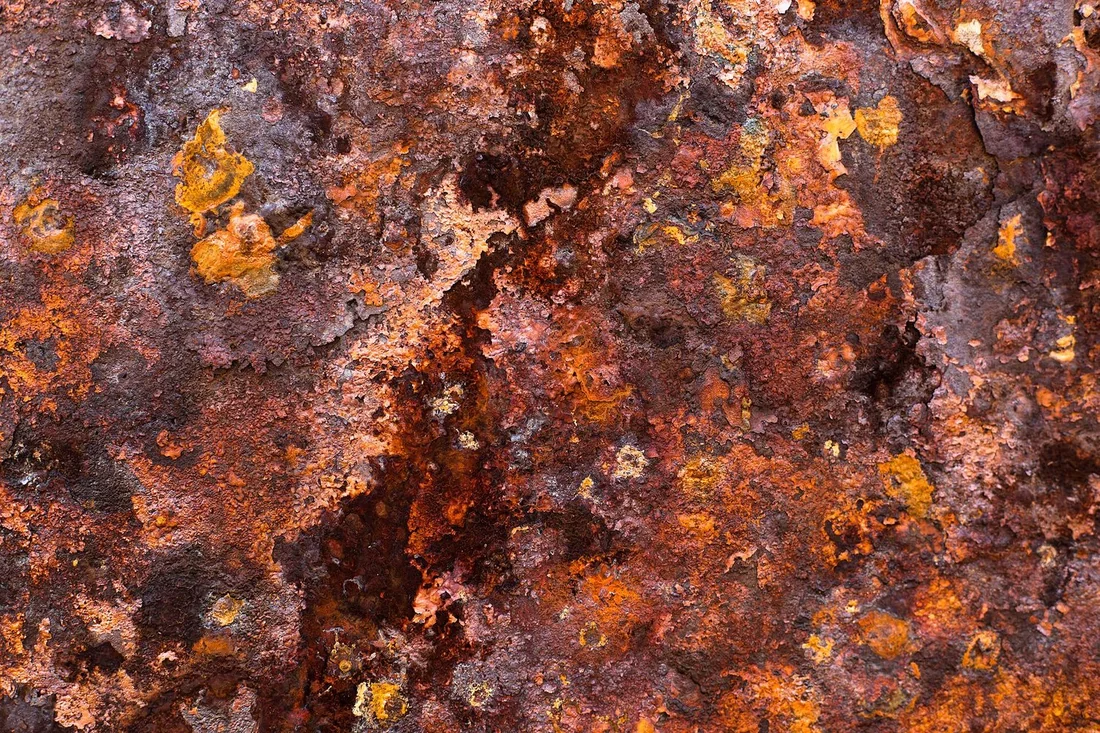
- The Eiffel Tower in Paris, finished in 1889, is made of iron. About every seven years painters cover it with roughly 60 tonnes of new paint. Without the paint, iron reacts with oxygen and water to form rust, and the tower would slowly weaken.
- Rusting makes a new substance: it is a chemical change 化学变化. Melting or dissolving makes no new substance: a physical change 物理变化.
Why is the Eiffel Tower painted regularly?
Dificuldade 1/5 · Moedas 100 + pequeno bônus na primeira conclusão hoje
Paint keeps out oxygen and water.
Two kinds of change
- Physical change: no new substance forms, and the change is usually easy to reverse — melting ice, dissolving sugar, boiling water.
- Chemical change: one or more new substances form, and it is usually hard to reverse — burning, rusting, cooking an egg.
Physical change vs chemical change
Step through the difference. A physical change makes no new substance and is usually easy to reverse; a chemical change makes a new substance and is hard to undo.
Match each change to its type.
Dificuldade 2/5 · Moedas 140 + pequeno bônus na primeira conclusão hoje
New substance or not.
Signs of a chemical change
- A gas is given off (fizzing), a colour changes, energy is released or taken in (temperature change, light), or a precipitate 沉淀 forms — an insoluble solid appearing in a solution.
- No single sign is proof: dissolving can also change temperature, and dissolving a coloured solid colours the water.
What is a precipitate?
Dificuldade 1/5 · Moedas 100 + pequeno bônus na primeira conclusão hoje
A sign of a chemical change.
Dissolving is physical
- When purple potassium manganate(VII) dissolves, the water turns deep purple, but no new substance forms; evaporating the water gets the solid back.
- A colour appearing is not always a reaction — ask whether a new substance has formed.
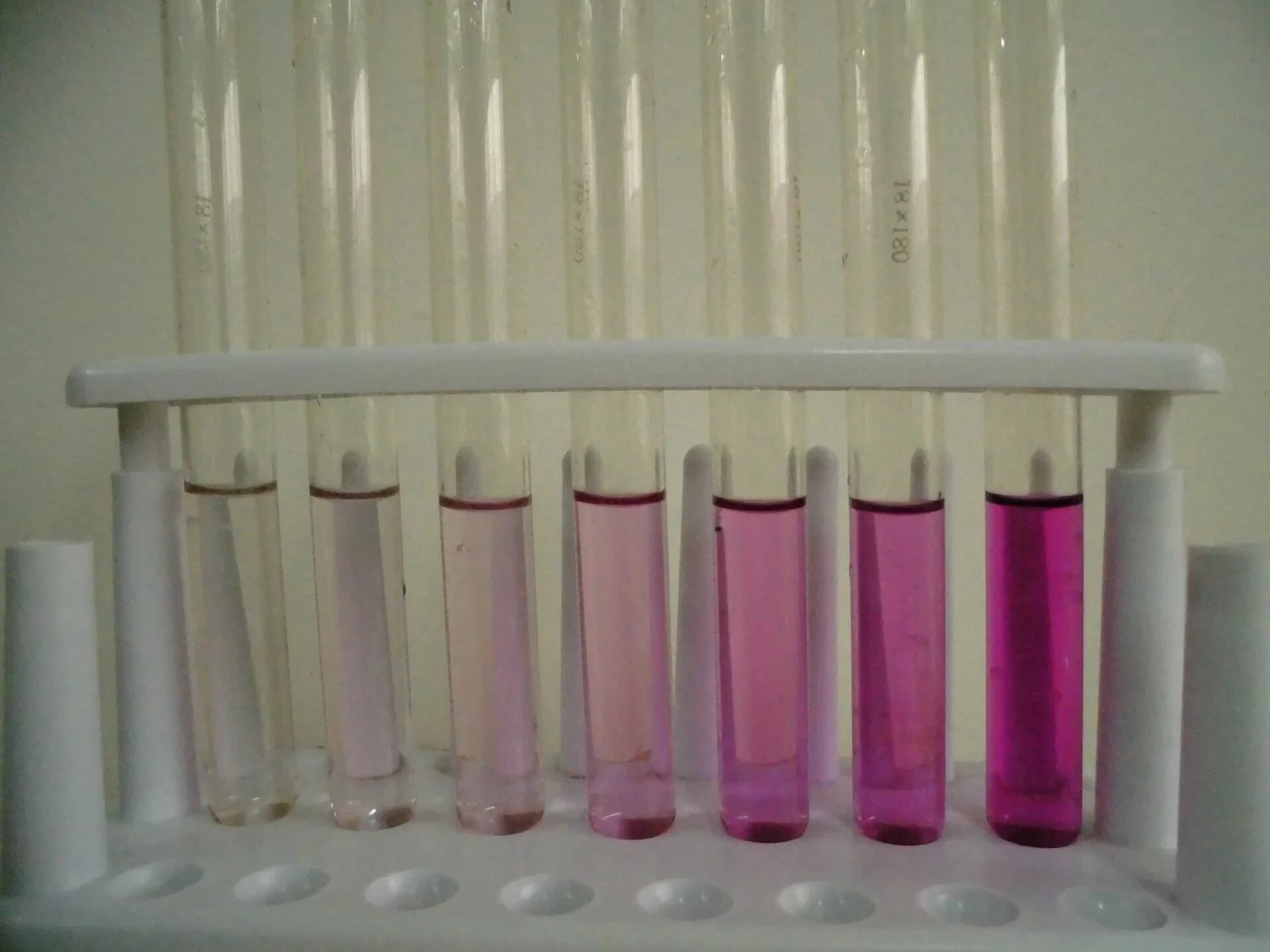
Dissolving potassium manganate(VII) in water is a chemical change because the colour changes.
Dificuldade 1/5 · Moedas 100 + pequeno bônus na primeira conclusão hoje
No new substance forms.
Worked example: classify four changes
- Wax melting: same substance, solid to liquid → physical.
- Wax burning: carbon dioxide and water form → chemical.
- Salt dissolving: evaporate the water and the salt returns → physical.
- Silver nitrate + sodium chloride solutions: a white precipitate of silver chloride forms → chemical.
Which is a chemical change?
Dificuldade 1/5 · Moedas 100 + pequeno bônus na primeira conclusão hoje
New substances form.
Mass is conserved
- In both kinds of change, mass is conserved in a closed system. If a gas escapes, the mass of what is left goes down; if oxygen joins (as in rusting), it goes up.
- Rust has a greater mass than the iron it came from.
Rust has a greater mass than the iron it formed from.
Dificuldade 1/5 · Moedas 100 + pequeno bônus na primeira conclusão hoje
Oxygen has joined.
A change of state is never a chemical change. Melting, boiling and condensing change how particles are arranged, not what the particles are.
A change of state is a chemical change.
Dificuldade 1/5 · Moedas 100 + pequeno bônus na primeira conclusão hoje
The particles stay the same.
A physical change forms no new substance and is usually reversible; a chemical change forms a new substance. Look for gas, colour change, energy change or a precipitate — then check whether a new substance really formed.
A student says "Mixing vinegar and baking soda is a physical change because the mixture is still a liquid." Correct the student, using evidence.
Evidence for a new substance.