Controlling body temperature · Controle da temperatura corporal
| English | Português |
|---|---|
| thermoregulation/ˌθɜːməʊˌreɡjʊˈleɪʃn/ | termorregulação |
| sweating/ˈswetɪŋ/ | suor |
| vasodilation/ˌvæsədɪˈleɪʃn/ | vasodilatação |
| shivering/ˈʃɪvərɪŋ/ | tremores |
| vasoconstriction/ˌvæsəkənˈstrɪkʃn/ | vasoconstrição |
Staying at 37 °C
- Your enzymes work best at about 37 °C, so your body works hard to hold that temperature.
- This is thermoregulation 体温调节, controlled by the skin and brain.
Permanecendo a 37 °C
- As suas enzimas funcionam melhor a cerca de 37 °C, por isso o corpo trabalha duro para manter essa temperatura.
- Isso é termorregulação 体温调节, controlado pela pele e cérebro.
When you are too hot, the body responds by: · Quando você tem calor excessivo, o corpo responde com:
Sweating and vasodilation lose heat. · Suor e vasodilatação perdem calor.
Sweating cools you because: · Suor resfria você porque:
Evaporation removes heat from the skin. · A evaporação remove calor da pele.
When you're too hot
- Sweating 出汗: water evaporates from the skin, taking heat away.
- Vasodilation 血管舒张: blood vessels near the skin widen, so more heat is lost.
Body temperature is held near 37°C by negative feedback
Quando está demasiado quente
- Suor 出汗: a água evapora-se da pele, levando calor embora.
- Vasodilatação 血管舒张: vasos sanguíneos próximos da pele alargam, perdendo mais calor.
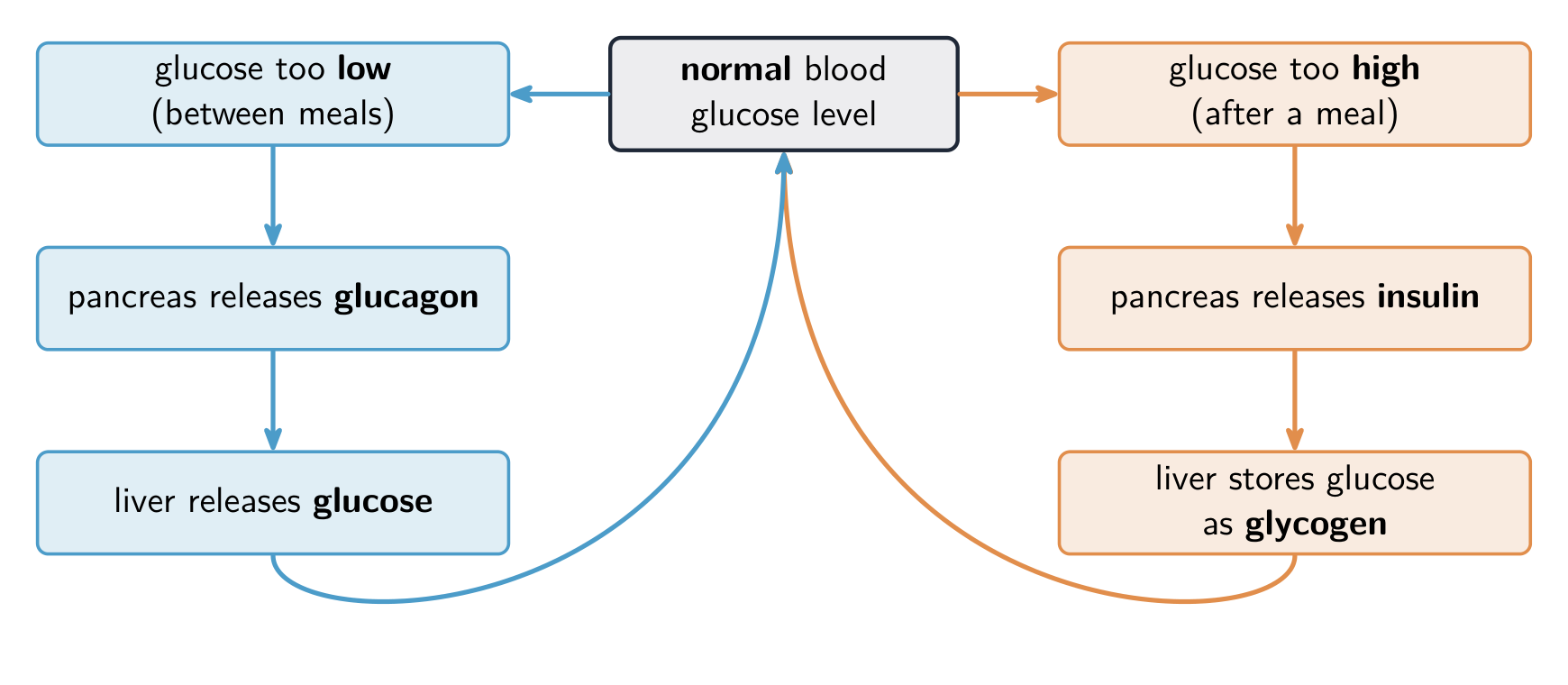
A temperatura corporal é mantida próxima de 37°C por retroalimentação negativa
Controlling body temperature · Controle da temperatura corporal
sweat ↓ · shiver ↑ · suor ↓ · tremor ↑
Body temperature returns to 37 °C: too hot → sweat; too cold → shiver. · A temperatura corporal retorna a 37 °C: muito quente → suor; muito frio → tremores.
When you are too cold, the body responds by: · Quando você tem frio excessivo, o corpo responde com:
Shivering generates heat; vasoconstriction keeps it. · Tremores geram calor; vasoconstrição o mantém.
Rapid muscle contractions that release heat when you are cold are called ______. · Contrações musculares rápidas que liberam calor quando você tem frio são chamadas ______.
Shivering generates heat from respiration. · Tremores geram calor da respiração.
When you're too cold
- Shivering 颤抖: muscles contract rapidly, releasing heat from respiration.
- Vasoconstriction 血管收缩: skin blood vessels narrow, so less heat is lost.
Quando está demasiado frio
- Tremores 颤抖: músculos contraem-se rapidamente, liberando calor da respiração.
- Vasoconstrição 血管收缩: vasos sanguíneos da pele estreitam, perdendo menos calor.
Normal human body temperature is about how many °C? · A temperatura corporal humana normal é de aproximadamente quantos °C?
About 37 °C — the optimum for enzymes. · Aproximadamente 37 °C — o ótimo para enzimas.
Negative feedback again
- The brain detects the change and triggers the opposite response.
- This negative feedback keeps body temperature close to 37 °C.
Vasodilation doesn't move the vessels — it widens them. The blood vessels near the skin surface widen (dilate) to lose heat, or narrow (constrict) to keep it. They don't actually move up or down.
Retroalimentação novamente
- O cérebro detecta a mudança e desencadeia a resposta oposta.
- Esta retroalimentação negativa mantém a temperatura corporal próxima de 37 °C.
Vasodilatação não move os vasos — ela os alarga. Os vasos sanguíneos próximos da superfície da pele alargam (dilata) para perder calor, ou estreitam (constrição) para mantê-lo. Eles não se movem fisicamente para cima ou para baixo.
You've got it
- the body holds about 37 °C (best for enzymes) by negative feedback
- too hot: sweating and vasodilation (lose heat)
- too cold: shivering and vasoconstriction (keep heat)
Entendeu?
- o corpo mantém cerca de 37 °C (melhor para enzimas) por retroalimentação negativa
- demasiado quente: suor e vasodilatação (perder calor)
- demasiado frio: tremores e vasoconstrição (manter calor)