The 'New South'
Introduzido| English | Significado |
|---|---|
| sharecropping/ˈʃeəkrɒpɪŋ/ | A system in which a farmer works someone else's land in return for a share of the crop, often falling into debt. |
| Jim Crow laws | State and local laws in the American South, from the 1880s to the 1960s, that enforced racial segregation. |
Selling the South to investors, 1886
- In December 1886 the Atlanta editor Henry Grady told a New York audience about a "New South" of factories, railroads and racial harmony. Birmingham, Alabama, was becoming a steel city, and cotton mills were spreading across the Carolinas.
- The South did change after Reconstruction — but much stayed the same.
Who promoted the idea of a "New South" in 1886?
Dificuldade 1/5 · Moedas 100 + pequeno bônus na primeira conclusão hoje
An Atlanta editor.
Some industry
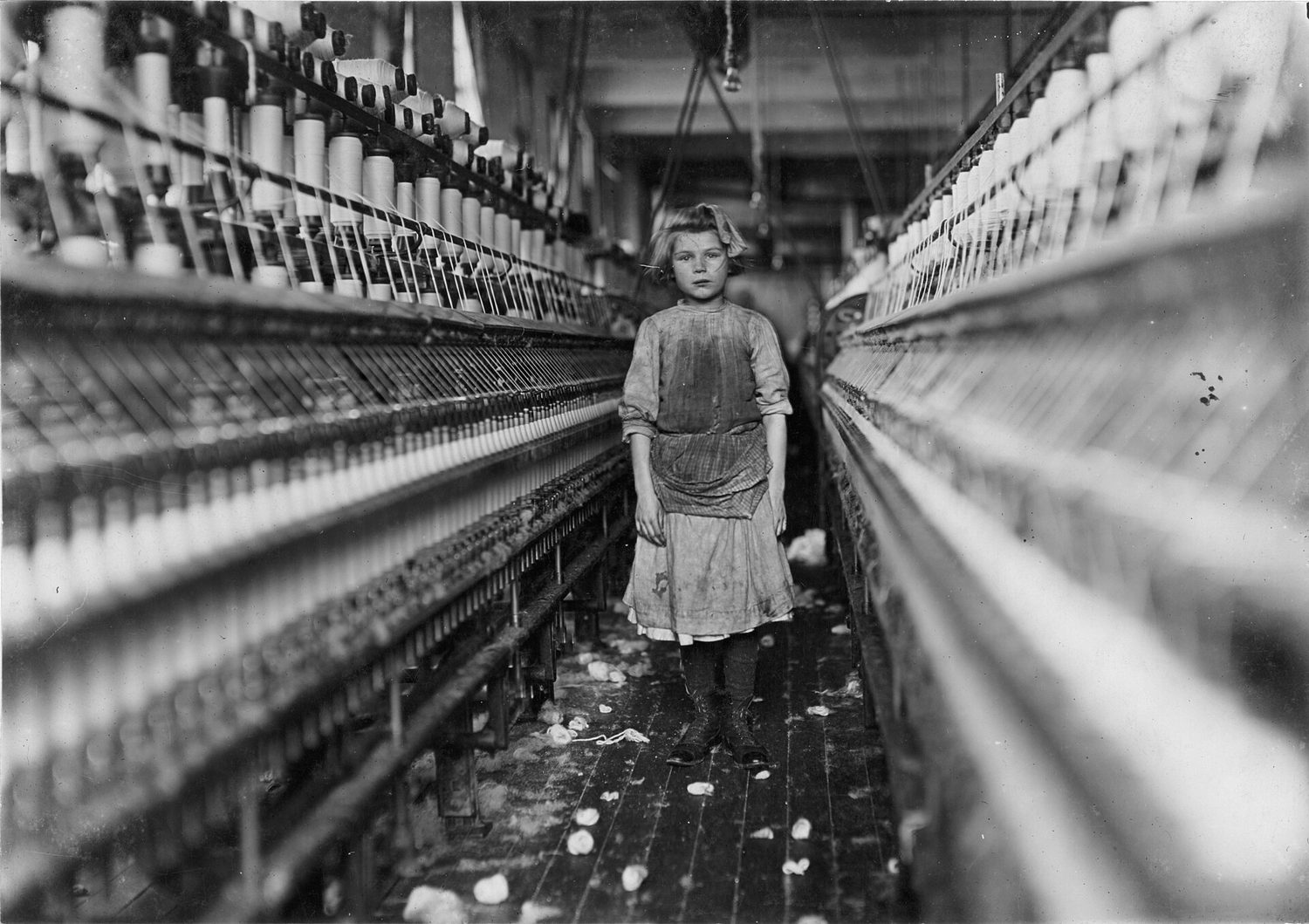
- Northern investors funded railroads, coal mines, steel works and textile mills. Mills hired poor white families, including children, for low wages.
- Even so, by 1900 the South remained mostly rural, and the poorest region in the country.
Sharecropping
- Most Black farmers, and many poor whites, worked as sharecroppers 佃农分成制: they farmed a landowner's land in return for a share of the crop.
- Merchants sold them supplies on credit against the next harvest, so many fell into debt they could never escape.
How did sharecropping work?
Dificuldade 1/5 · Moedas 100 + pequeno bônus na primeira conclusão hoje
Often leading to debt.
Worked example: testing the slogan
Was there really a "New South" by 1900?
- Change: new steel, coal, tobacco and textile industries; the cotton mills of the Carolinas.
- Continuity: most Southerners still farmed cotton, now as sharecroppers or tenants, and most Black Southerners remained poor and without power.
- Judgement: the economy changed at its edges, but its core — cotton, cheap labour and white control — continued.
A change, a continuity, or a pressure?
Sort each element of the "New South".
Match each feature to change or continuity.
Dificuldade 2/5 · Moedas 140 + pequeno bônus na primeira conclusão hoje
Edges changed; the core continued.
Jim Crow
- From the 1880s, Southern states passed Jim Crow laws 吉姆·克劳法 that segregated trains, schools and public places.
- In Plessy v. Ferguson (1896) the Supreme Court approved "separate but equal". Poll taxes and literacy tests removed most Black men from voting.
What did Plessy v. Ferguson (1896) allow?
Dificuldade 1/5 · Moedas 100 + pequeno bônus na primeira conclusão hoje
Jim Crow approved.
Violence and resistance
- Thousands of African Americans were lynched in the decades after 1880. The journalist Ida B. Wells exposed the killings in Southern Horrors (1892).
- Booker T. Washington urged economic progress first; W. E. B. Du Bois demanded full civil rights now.
Match each leader to their approach.
Dificuldade 2/5 · Moedas 140 + pequeno bônus na primeira conclusão hoje
Different strategies.
"New South" was a promoter's slogan. Grady wanted Northern investment. Test the claim against the evidence of sharecropping, segregation and poverty rather than repeating it.
By 1900 the South had become as industrial as the North.
Dificuldade 1/5 · Moedas 100 + pequeno bônus na primeira conclusão hoje
It remained mostly rural.
After Reconstruction, the South gained some railroads, mills and steel works, but most people still farmed cotton as sharecroppers and tenants. Jim Crow laws, Plessy v. Ferguson and violence enforced white supremacy, while African Americans such as Ida B. Wells fought back.
To what extent did the South change between 1877 and 1900?
Continuity and change.