Technology and Production
Introduzido| English | Significado |
|---|---|
| mass production | Making goods in very large numbers with machines and standard parts, as in steel mills and later on assembly lines. |
The lights go on in lower Manhattan, 1882
- At 3 p.m. on 4 September 1882, Thomas Edison's Pearl Street power station in New York began sending electricity through underground wires. About 400 lamps lit up in the offices of 85 customers, including the New York Times, which reported the light was "soft, mellow and grateful to the eye". Within twenty years, electric power was transforming factories and cities.
- After the Civil War, new technology and abundant resources made the United States the world's largest industrial economy.
What did the Pearl Street station do in 1882?
Dificuldade 1/5 · Moedas 100 + pequeno bônus na primeira conclusão hoje
Edison's power station.
New technology
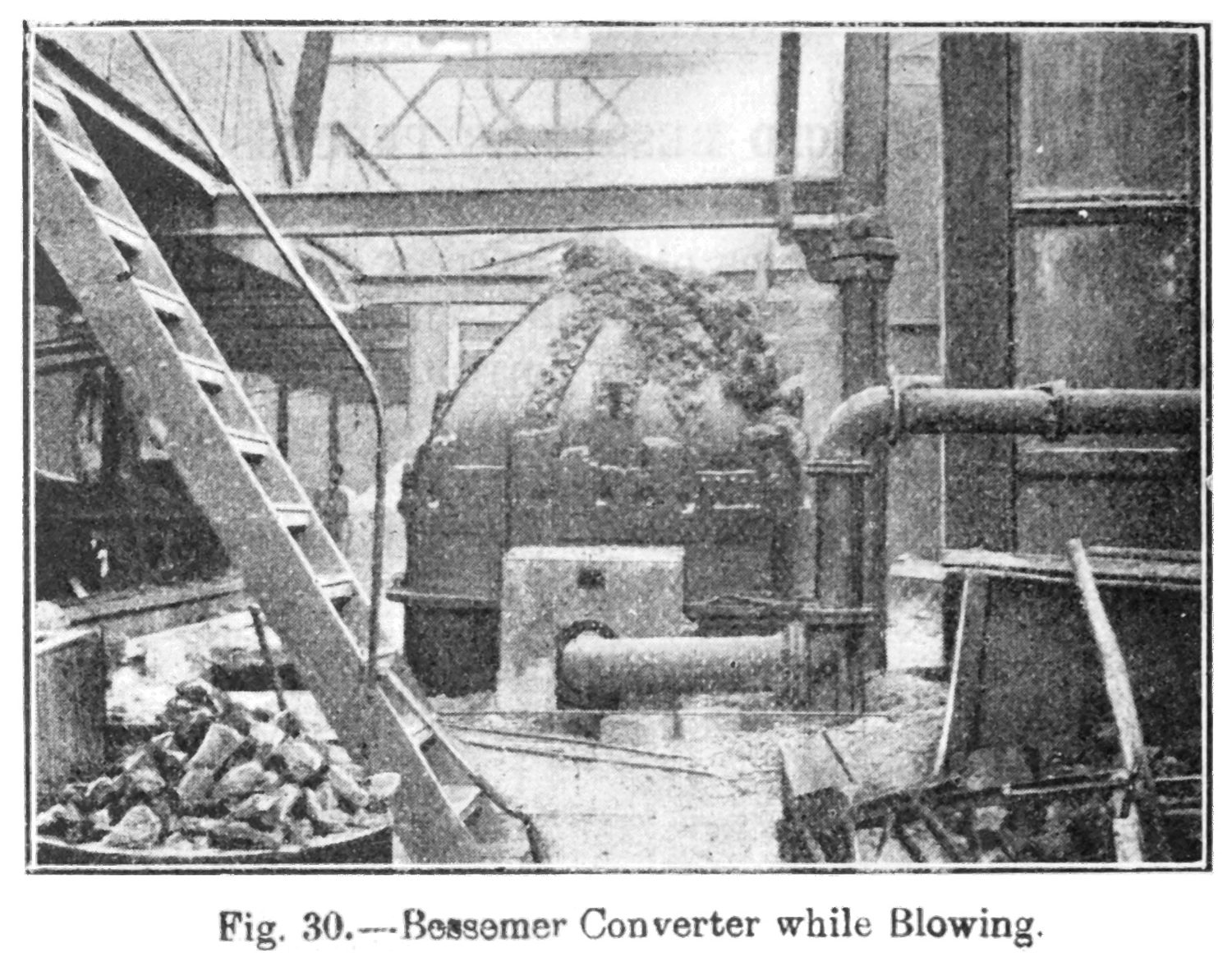
- The Bessemer process made cheap steel; the telephone (1876), electric light and typewriter changed business; refrigerated railroad cars carried meat across the country.
- Railroads grew from about 56 000 km in 1865 to about 320 000 km in 1900.
Railroads grew from about 56 000 km in 1865 to about 320 000 km in 1900. How many km were added?
Dificuldade 2/5 · Moedas 140 + pequeno bônus na primeira conclusão hoje
320 000 − 56 000.
Where the resources came from
- Coal from Pennsylvania, iron ore from the Mesabi Range in Minnesota, oil from Pennsylvania (from 1859) and later Texas, and copper and silver from the West.
- Millions of immigrant workers supplied labour.
Follow technology into corporate scale
New technology alone does not produce a trust — the corporate form and a national market do the rest.
Match each resource to its source.
Dificuldade 2/5 · Moedas 140 + pequeno bônus na primeira conclusão hoje
Where the resources came from.
Worked example: the growth of steel
- Output: US steel production rose from about 70 000 tons in 1870 to about 10 million tons in 1900.
- Uses: steel rails, bridges such as the Brooklyn Bridge (1883) and skyscrapers such as Chicago's Home Insurance Building (1885).
- Effect: by 1900, the US made more steel than Britain and Germany together. This scale of mass production 大规模生产 changed how businesses were organized.
About how much did US steel output grow between 1870 and 1900?
Dificuldade 1/5 · Moedas 100 + pequeno bônus na primeira conclusão hoje
More than a hundredfold.
Why volume changed the structure
- Huge factories needed huge investments, which only large corporations and banks could provide.
- Large firms could cut prices and drive small competitors out of business.
Huge factories needed investments that only large corporations and banks could provide.
Dificuldade 1/5 · Moedas 100 + pequeno bônus na primeira conclusão hoje
Volume changed structure.
Effects over time
- Cheaper goods raised living standards for many, but factory work was dangerous and hours long.
- Industrial cities grew, and the gap between rich and poor widened.
Do not explain industrial growth by inventions alone. Natural resources, immigrant labour, railroads, investment and government support (such as tariffs and land grants) all mattered.
Inventions alone explain American industrial growth.
Dificuldade 1/5 · Moedas 100 + pequeno bônus na primeira conclusão hoje
Resources, labour and investment mattered.
New technologies such as the Bessemer process, electricity and the telephone, combined with abundant coal, iron and oil and millions of workers, made the US the leading industrial nation. Steel output rose more than a hundredfold by 1900, and the scale of production pushed businesses to grow larger.
Explain why industrial production grew so rapidly in the United States after 1865.
Causation.