The labour market
Introduzido| English | Significado |
|---|---|
| labour market/ˈleɪbə ˈmɑːkɪt/ | mercado de trabalho |
| derived demand/dɪˈraɪvd dɪˈmænd/ | demanda derivada |
| productivity/ˌprɒdəkˈtɪvɪti/ | produtividade |
| labour supply/ˈleɪbə səˈplaɪ/ | oferta de trabalho |
| wage differentials/weɪdʒ ˌdɪfəˈrenʃlz/ | diferenciais salariais |
What sets your wage
- Why does a surgeon earn more than a cleaner? The labour market 劳动力市场 answers with the same tool as any market — demand and supply, applied to workers.
- Wages are a price, set where the demand for and supply of labour meet.
The demand for labour is described as "derived demand" because it depends on:
Dificuldade 1/5 · Moedas 100 + pequeno bônus na primeira conclusão hoje
Firms hire workers to make goods that are themselves demanded — hence derived.
More productive workers tend to command higher wages.
Dificuldade 1/5 · Moedas 100 + pequeno bônus na primeira conclusão hoje
Higher productivity raises the value of a worker to the firm, increasing labour demand.
The demand for labour
- Labour demand is derived demand 派生需求: firms hire workers to produce goods that are themselves demanded.
- It depends on workers' productivity 生产率 and the price of the output — more productive or valuable work commands higher pay.
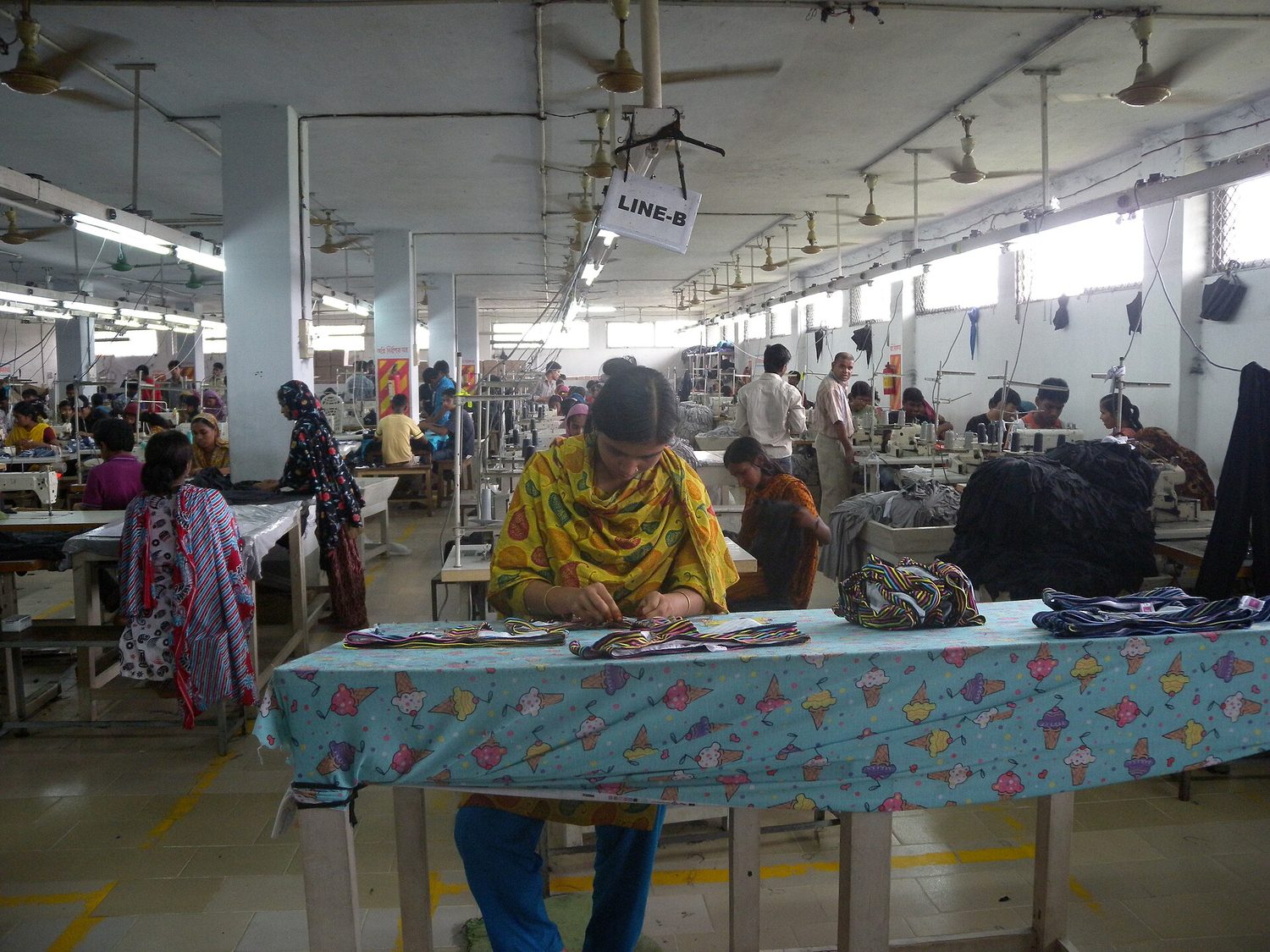
A garment factory: in a labour market, firms demand workers and the wage is the price of labour
O mercado de trabalho
Wages are a price. The demand for labour (from firms) and the supply of labour (from workers) set the equilibrium wage.
A higher wage generally ______ the quantity of labour supplied.
Dificuldade 1/5 · Moedas 100 + pequeno bônus na primeira conclusão hoje
The labour supply curve slopes upward: higher wages attract more workers.
The supply of labour
- Labour supply 劳动供给 rises with the wage (a higher wage attracts more workers).
- It also depends on the size of the workforce, skills/qualifications, and the appeal of the job.
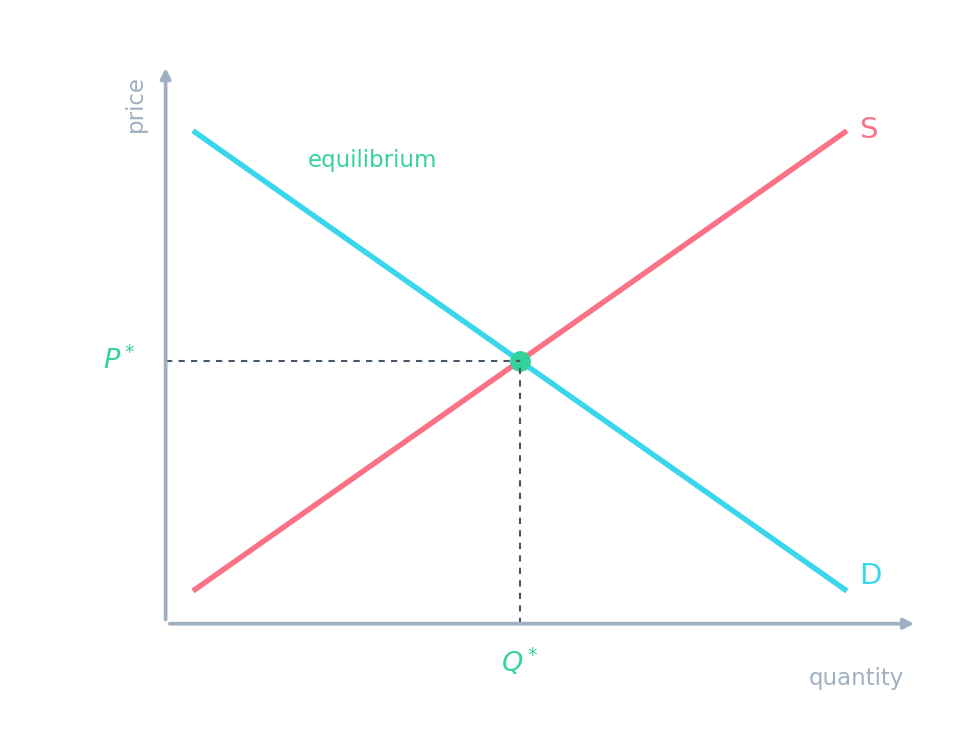
Wage and employment are set where labour demand meets labour supply — like any market.
The equilibrium wage is set where:
Dificuldade 1/5 · Moedas 100 + pequeno bônus na primeira conclusão hoje
Like any market, equilibrium is where demand meets supply — here, for labour.
Wage differentials 工资差异
- Skills and qualifications that few people have command higher pay; dangerous or unpleasant jobs pay extra to attract workers (compensating differentials).
- Barriers to entry such as long training or licences limit supply and raise pay, while strong bargaining power (trade unions, scarce talent) lets workers win higher wages.
Match each factor to why it raises a wage.
Dificuldade 2/5 · Moedas 140 + pequeno bônus na primeira conclusão hoje
Scarcity, compensating differentials and bargaining power all lift wages.
Worked example: why surgeons out-earn care workers
Use labour demand and supply to explain why surgeons earn far more than care workers, even though both jobs are vital.
- Demand: surgeons have very high marginal revenue product (each operation is worth a great deal), so demand for them is high. Supply: years of training, exams and limited places make supply low and inelastic. High demand meets low supply: a high wage.
- Care work needs less formal training, so supply is larger and more elastic, and employers often have limited funds: a lower wage. Non-monetary factors, such as job satisfaction, also keep some people in care work despite the pay.
Demand for builders falls when house sales slump. This shows that labour demand is:
Dificuldade 1/5 · Moedas 100 + pequeno bônus na primeira conclusão hoje
Labour is wanted for what it produces.
Oil-rig workers earning extra pay for dangerous work is an example of a compensating differential.
Dificuldade 1/5 · Moedas 100 + pequeno bônus na primeira conclusão hoje
Higher pay makes up for unpleasant or risky conditions.
You've got it
- the wage is set where labour demand meets labour supply
- labour demand is derived (from output demand) and depends on productivity
- wage differentials reflect skills, conditions, entry barriers and bargaining power
Write from the data: find the MRP
- A worker adds 5 units of output.
- Each unit sells for 8, and the firm is a wage taker.
What is the marginal revenue product?
Marginal revenue product is extra output times its price.
What is the MRP?
Dificuldade 1/5 · Moedas 100 + pequeno bônus na primeira conclusão hoje
5 units worth 8 each have MRP 40. Other options — 5 (the extra output only); 8 (the output price only).