Skip to content · ⁨본문 바로가기⁩

Impact of Computing · ⁨컴퓨팅의 영향⁩

AP Computer Science Principles · ⁨AP 컴퓨터 과학 원리⁩ · Topic 5 · ⁨주제 5⁩

Video lesson for this topic · ⁨이 주제용 영상 수업⁩ Open the video page · ⁨영상 페이지 열기⁩
8:12

컴퓨팅의 영향

일구백팔십九年, 한 과학자가 물리학자들이 논문을 더 빠르게 교환할 수 있도록 작은 도구를 만들었습니다. 그는 이中的所有的一切을 계획하지 않았습니다. 자율 주행 자동차. A…

English narration · English + 中文 subtitles burned in · ⁨영어 내레이션 · 영어 + 중국어 자막 burned-in⁩

5.1

Beneficial and Harmful Effects · ⁨유익한 효과와 해로운 효과⁩

Syllabus
English

Enduring Understanding (IOC-1): While computing innovations are typically designed to achieve a specific purpose, they may have unintended consequences.

Learning Objective IOC-1.A: Explain how an effect of a computing innovation can be both beneficial and harmful. [Skill 5.C]

  • IOC-1.A.1 People create computing innovations.
  • IOC-1.A.2 The way people complete tasks often changes to incorporate new computing innovations.
  • IOC-1.A.3 Not every effect of a computing innovation is anticipated in advance.
  • IOC-1.A.4 A single effect can be viewed as both beneficial and harmful by different people, or even by the same person.
  • IOC-1.A.5 Advances in computing have generated and increased creativity in other fields, such as medicine, engineering, communications, and the arts.

Learning Objective IOC-1.B: Explain how a computing innovation can have an impact beyond its intended purpose. [Skill 5.C]

  • IOC-1.B.1 Computing innovations can be used in ways that their creators had not originally intended:
    • The World Wide Web was originally intended only for rapid and easy exchange of information within the scientific community.
    • Targeted advertising is used to help businesses, but it can be misused at both individual and aggregate levels.
    • Machine learning and data mining have enabled innovation in medicine, business, and science, but information discovered in this way has also been used to discriminate against groups of individuals.
  • IOC-1.B.2 Some of the ways computing innovations can be used may have a harmful impact on society, the economy, or culture.
  • IOC-1.B.3 Responsible programmers try to consider the unintended ways their computing innovations can be used and the potential beneficial and harmful effects of these new uses.
  • IOC-1.B.4 It is not possible for a programmer to consider all the ways a computing innovation can be used.
  • IOC-1.B.5 Computing innovations have often had unintended beneficial effects by leading to advances in other fields.
  • IOC-1.B.6 Rapid sharing of a program or running a program with a large number of users can result in significant impacts beyond the intended purpose or control of the programmer.
한국어

지속적 이해 (IOC-1): 컴퓨팅 혁신은 일반적으로 특정 목적을 달성하기 위해 설계되지만, 의도치 않은 결과를 초래할 수 있다.

학습 목표 IOC-1.A: 컴퓨팅 혁신의 효과가 유익하고 해로운 면을 모두 가질 수 있음을 설명하시오. [기술 5.C]

  • IOC-1.A.1 사람들은 컴퓨팅 혁신을 개발한다.
  • IOC-1.A.2 사람들이 과제를 수행하는 방식은 새로운 컴퓨팅 혁신을 반영하여 자주 변화한다.
  • IOC-1.A.3 컴퓨팅 혁신의 모든 효과는 사전에 예측되는 것은 아니다.
  • IOC-1.A.4 하나의 효과는 서로 다른 사람에 의해, 또는 같은 사람에 의해 유익하고 해로운两个方面로 볼 수 있다.
  • IOC-1.A.5 컴퓨팅의 발전은 의학, 공학, 통신 및 예술과 같은 다른 분야에서 창의성을 창출하고 증가시켰다.

학습 목표 IOC-1.B: 컴퓨팅 혁신이 예상된 목적 beyond 영향을 미칠 수 있음을 설명하시오. [기술 5.C]

  • IOC-1.B.1 컴퓨팅 혁신은 개발자가 원래 의도하지 않은 방식으로 사용될 수 있다:
    • 월드 와이드 웹(WWW)은 과학 커뮤니티 내에서 정보의 빠르고 쉬운 교환만을 목적으로 처음 설계되었다.
    • 타겟 광고는 기업을 돕기 위해 사용되지만 개인 수준 및 집단 수준에서 모두 남용될 수 있다.
    • 머신러닝과 데이터 마이닝은 의학, 비즈니스 및 과학 분야의 혁신을 가능하게 했지만,这种方式로 발견된 정보는 또한 특정 집단에 대한 차별에 사용되기도 했다.
  • IOC-1.B.2 컴퓨팅 혁신이 사용될 수 있는 일부 방법은 사회, 경제 또는 문화에 해로운 영향을 미칠 수 있다.
  • IOC-1.B.3 책임감 있는 프로그래머들은 자신의 컴퓨팅 혁신이 사용될 수 있는 의도치 않은 방법과 이러한 새로운 사용의 잠재적인 유익 및 해로운 효과를 고려하려 한다.
  • IOC-1.B.4 프로그래머가 컴퓨팅 혁신이 사용될 수 있는 모든 방법을 고려하는 것은 불가능하다.
  • IOC-1.B.5 컴퓨팅 혁신은 다른 분야로의 발전을 이끌어 함으로써 종종 의도치 않은 유익한 효과를 가져왔다.
  • IOC-1.B.6 프로그램의 빠른 공유나 많은 사용자와 함께 프로그램을 실행하면 프로그래머의 예상 목적이나 통제 beyond 상당한 영향을 미칠 수 있다.
Source: College Board AP Course and Exam Description · ⁨출처: College Board AP Course and Exam Description⁩

English

Every computing innovation can be used in ways that help and ways that harm – often the same technology does both. A social network connects people and can spread misinformation; automation raises productivity and can remove jobs. Effects are frequently unintended: creators cannot foresee every use. When you evaluate a computing innovation, weigh its benefits and harms on people and society, and remember that harms are not always deliberate.

Computing also generates creativity in other fields, which the CED asks for as a benefit in its own right, not merely as convenience: modelling and imaging in medicine, simulation in engineering, new forms in the arts and music, and new kinds of communication entirely. An innovation's beneficial effects are often in a field far from computing.

한국어
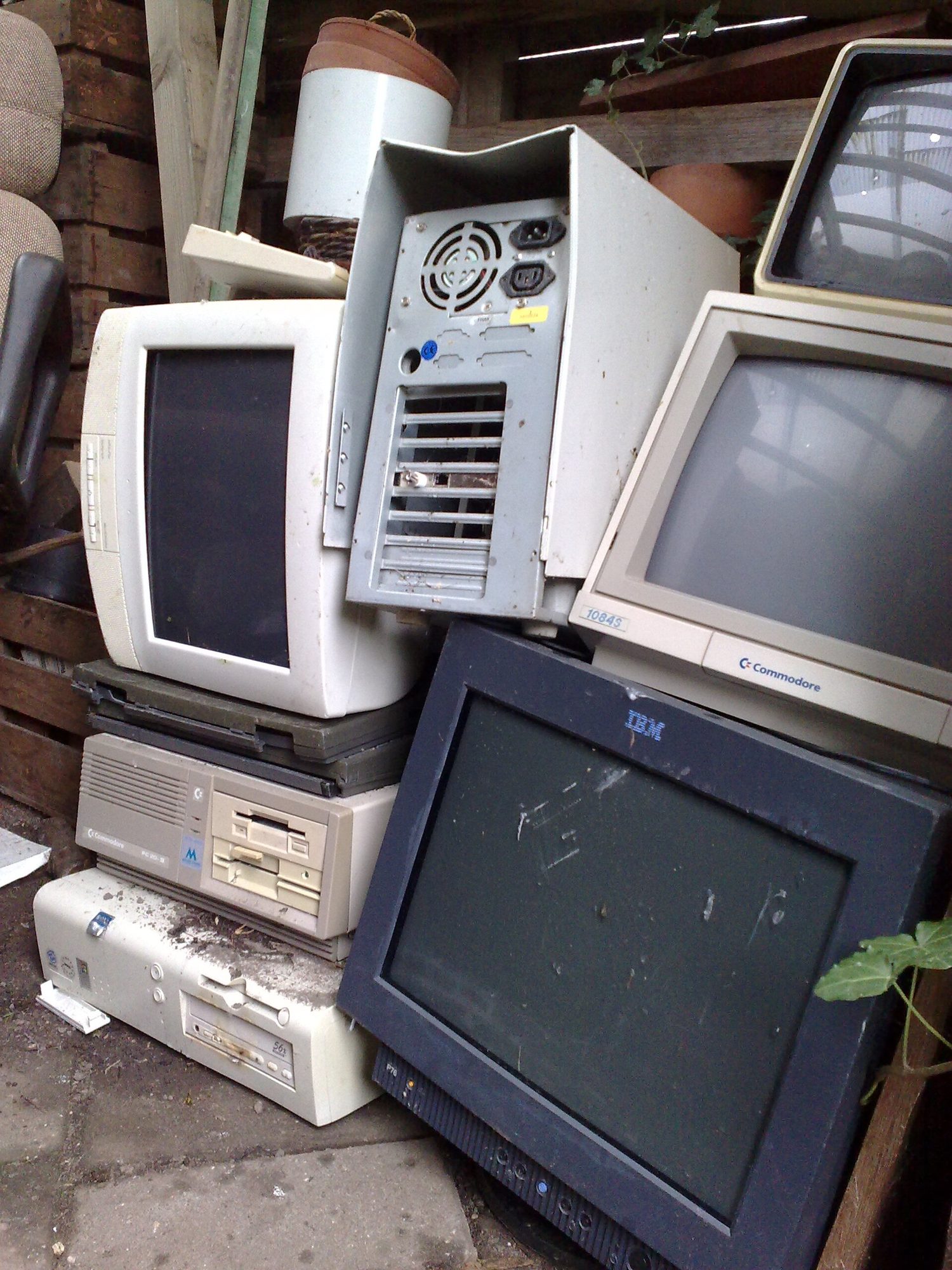
전자 폐기물 더미 — 컴퓨팅은 환경적 이점뿐만 아니라 비용도 수반함

모든 컴퓨팅 혁신은 유익하게 사용될 수도 있고 해롭게 사용될 수도 있습니다. 종종 동일한 기술이 두 가지 모두에 관여합니다. 소셜 네트워크는 사람을 연결하는 동시에 오보 정보를 퍼뜨릴 수도 있으며, 자동화는 생산성을 높일 수 있지만 일자리를 박탈할 수도 있습니다. 효과는 종종 의도하지 않은 것입니다. 제작자는 모든 사용법을 예측할 수 없습니다. 컴퓨팅 혁신을 평가할 때는 사람과 사회에 미치는 유익함과 해로움을权衡해야 하며, 해로운 효과가 항상 의도된 것은 아님을 기억해야 합니다.

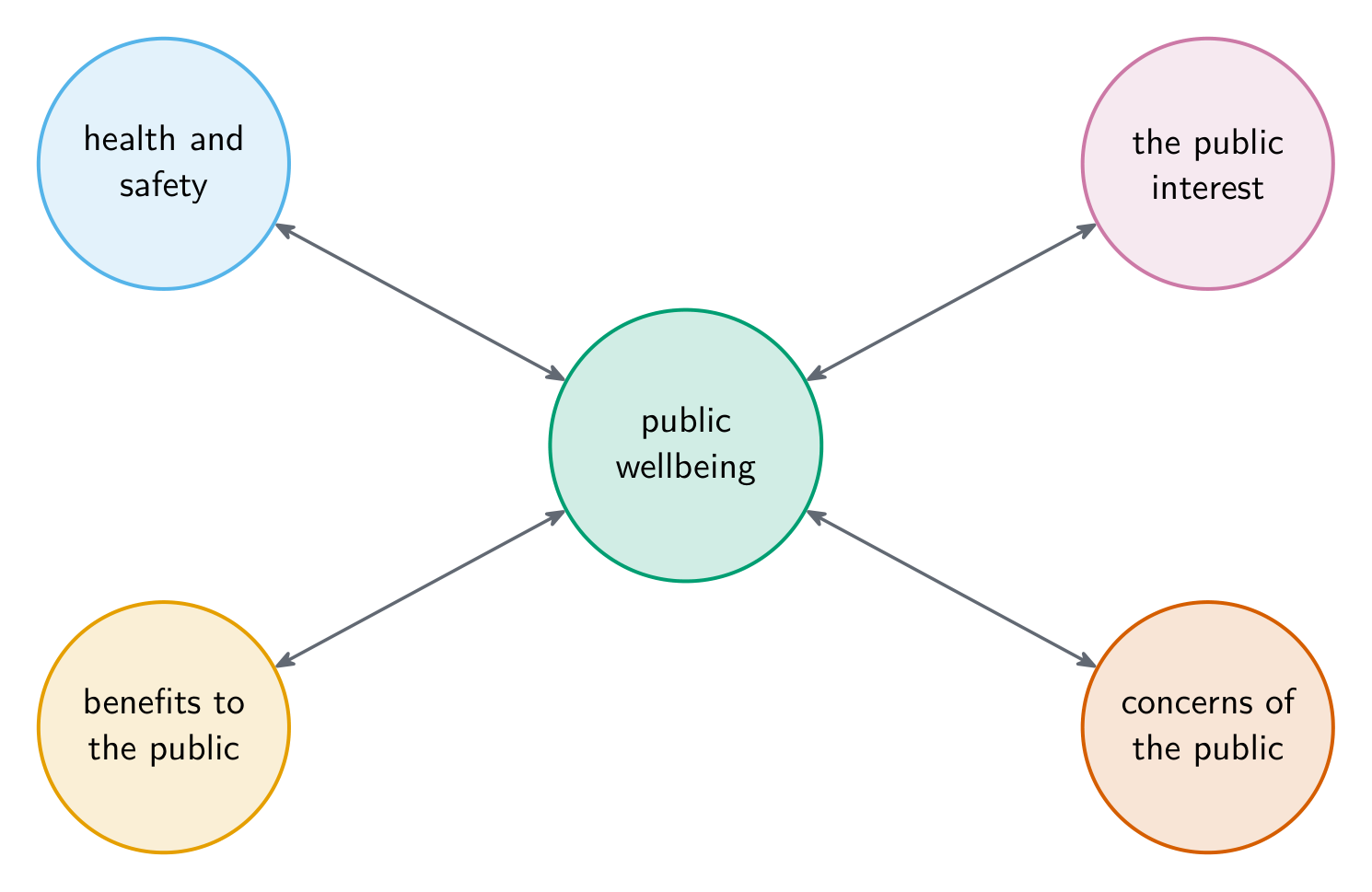
컴퓨팅이 공중의 복지에 여러 방식으로 영향을 미침

컴퓨팅은 다른 분야에서도 창의성을 창출합니다. CED는 이를 단순한 편의가 아닌 그 자체로서의 이점으로 요구합니다. 의학에서의 모델링 및 이미지 처리, 공학에서의 시뮬레이션, 예술 및 음악에서의 새로운 형식, 그리고 완전히 새로운 형태의 소통 등이 포함됩니다. 혁신의 유익한 효과는 클리프팅과 멀리 떨어진 다른 분야에서 나타나는 경우가 많습니다.

5.2

The Digital Divide · ⁨디지털 격차⁩

Syllabus
English

Enduring Understanding (IOC-1): While computing innovations are typically designed to achieve a specific purpose, they may have unintended consequences.

Learning Objective IOC-1.C: Describe issues that contribute to the digital divide. [Skill 5.C]

  • IOC-1.C.1 Internet access varies between socioeconomic, geographic, and demographic characteristics, as well as between countries.
  • IOC-1.C.2 The "digital divide" refers to differing access to computing devices and the Internet, based on socioeconomic, geographic, or demographic characteristics.
  • IOC-1.C.3 The digital divide can affect both groups and individuals.
  • IOC-1.C.4 The digital divide raises issues of equity, access, and influence, both globally and locally.
  • IOC-1.C.5 The digital divide is affected by the actions of individuals, organizations, and governments.
한국어

지속적 이해 (IOC-1): 컴퓨팅 혁신은 일반적으로 특정 목적을 달성하기 위해 설계되지만, 의도치 않은 결과를 초래할 수 있다.

학습 목표 IOC-1.C: 디지털 격차를 유발하는 요인을 서술하시오. [기술 5.C]

  • IOC-1.C.1 인터넷 접근성은 socioeconomic, 지리적 및 인구통계학적 특성, 그리고 국가 간에 다르다.
  • IOC-1.C.2 '디지털 격차'는 socioeconomic, 지리적 또는 인구통계학적 특성에 기반하여 컴퓨팅 장치 및 인터넷에 대한 접근성의 차이를 의미한다.
  • IOC-1.C.3 디지털 격차는 집단과 개인 모두에게 영향을 미칠 수 있다.
  • IOC-1.C.4 디지털 격차는 글로벌 및 지역적 수준에서 형평성, 접근성 및 영향력 관련 문제를 제기한다.
  • IOC-1.C.5 디지털 격차는 개인, 조직 및 정부의 행동에 의해 영향을 받는다.

Source: College Board AP Course and Exam Description · ⁨출처: College Board AP Course and Exam Description⁩

English

The digital divide 数字鸿沟 is the unequal access to computing and the Internet across groups – by income, geography, age, or country. Those with access gain education, jobs, and services; those without fall further behind. The divide is shaped by economic, social, and geographic factors, and efforts to close it (affordable devices, public access, infrastructure) aim to make computing's benefits fairer.

한국어

디지털 격차는 소득, 지리, 연령 또는 국가에 따른 그룹 간 컴퓨팅 및 인터넷 접근성의 불평등을 의미합니다. 접근 가능한 사람들은 교육, 일자리 및 서비스를 얻지만, 그렇지 못한 사람들은 더욱 뒤처지게 됩니다. 이 격차는 경제적, 사회적, 지리적 요인에 의해 형성되며, 이를 해소하기 위한 노력(저렴한 기기, 공공 접근, 인프라)은 컴퓨팅의 혜택을 더 공정하게 만들기 위한 것입니다.

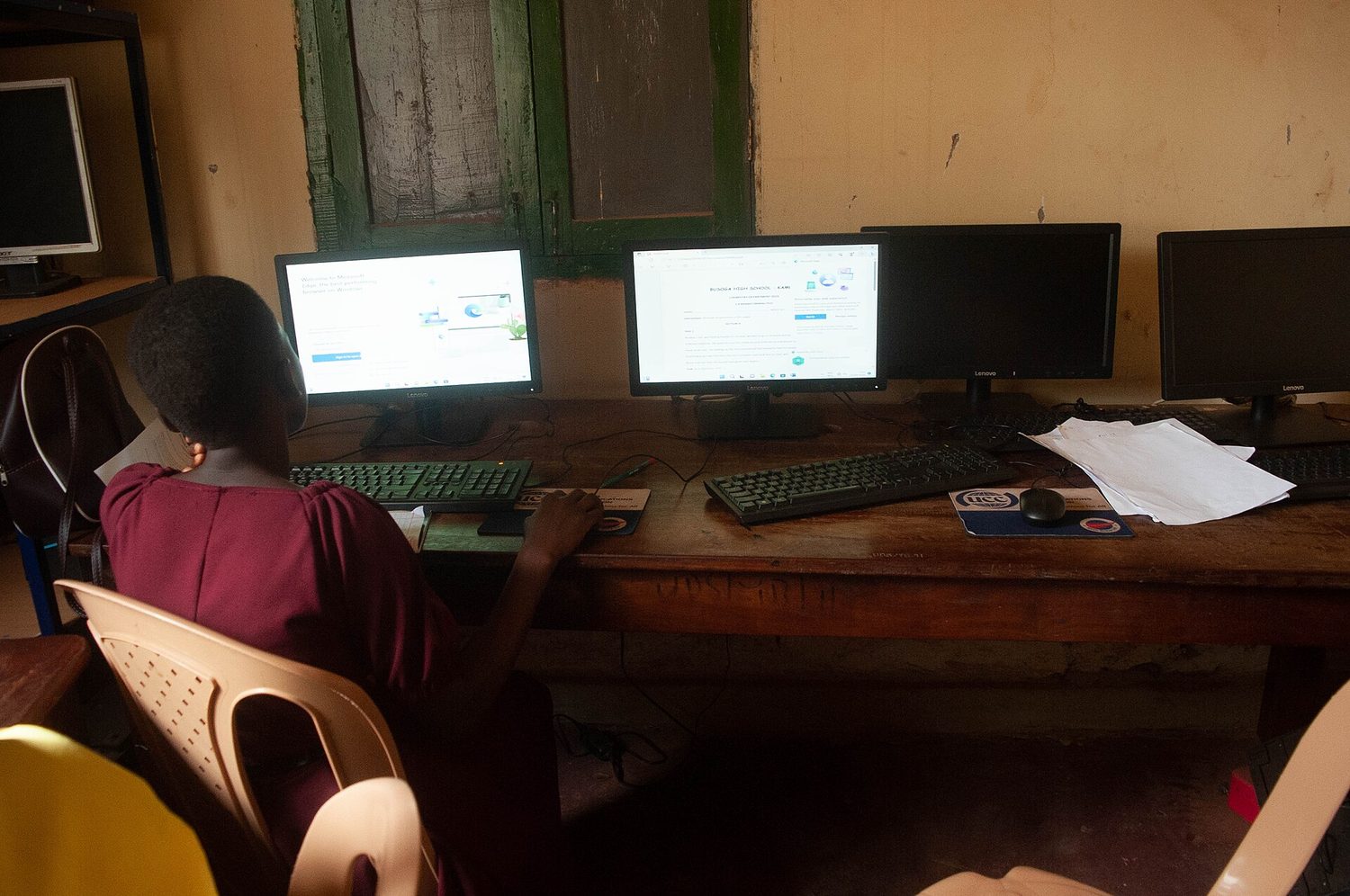
공립 도서관 컴퓨터: 디지털 격차는 기기에 대한 접근성, 연결성 및 기술의 불평등과 관련됨
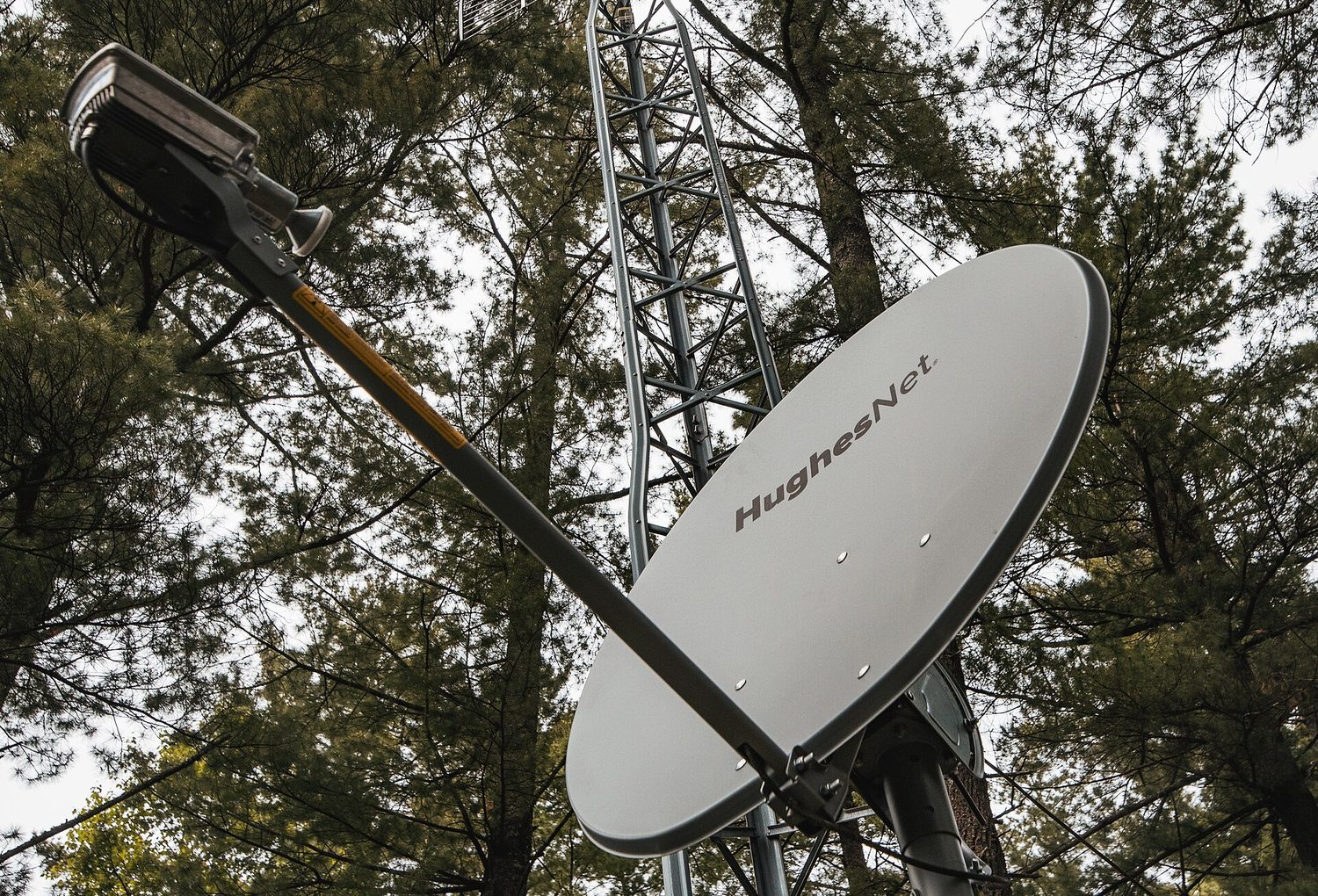
농촌 위성 안테나: 지리가 여전히 빠른 인터넷을 이용하는 자와 기다리는 자를 결정함
5.3

Computing Bias · ⁨컴퓨팅 편향⁩

Syllabus
English

Enduring Understanding (IOC-1): While computing innovations are typically designed to achieve a specific purpose, they may have unintended consequences.

Learning Objective IOC-1.D: Explain how bias exists in computing innovations. [Skill 5.E]

  • IOC-1.D.1 Computing innovations can reflect existing human biases because of biases written into the algorithms or biases in the data used by the innovation.
  • IOC-1.D.2 Programmers should take action to reduce bias in algorithms used for computing innovations as a way of combating existing human biases.
  • IOC-1.D.3 Biases can be embedded at all levels of software development.
한국어

지속적 이해 (IOC-1): 컴퓨팅 혁신은 일반적으로 특정 목적을 달성하기 위해 설계되지만, 의도치 않은 결과를 초래할 수 있다.

학습 목표 IOC-1.D: 컴퓨팅 혁신에 편향이 존재하는 방식을 설명하시오. [기술 5.E]

  • IOC-1.D.1 컴퓨팅 혁신은 알고리즘에 내재된 편향이나 혁신이 사용하는 데이터의 편향으로 인해 기존 인간의 편향을 반영할 수 있다.
  • IOC-1.D.2 프로그래머들은 기존 인간 편향을 극복하기 위해 컴퓨팅 혁신에 사용되는 알고리즘의 편향을 줄이기 위해 조치를 취해야 한다.
  • IOC-1.D.3 편향은 소프트웨어 개발의 모든 단계에 내재될 수 있다.

Source: College Board AP Course and Exam Description · ⁨출처: College Board AP Course and Exam Description⁩

English

Bias 偏见 can be built into computing systems – often unintentionally. If the data used to build a system reflects existing prejudice, or if the designers' assumptions are one-sided, the system can produce unfair results (for example, a hiring tool that favors one group). Bias can enter at every stage – data collection, design, and use – so systems should be tested for fairness across different groups. Recognizing that "the computer said so" is not the same as "fair" is an important habit.

한국어
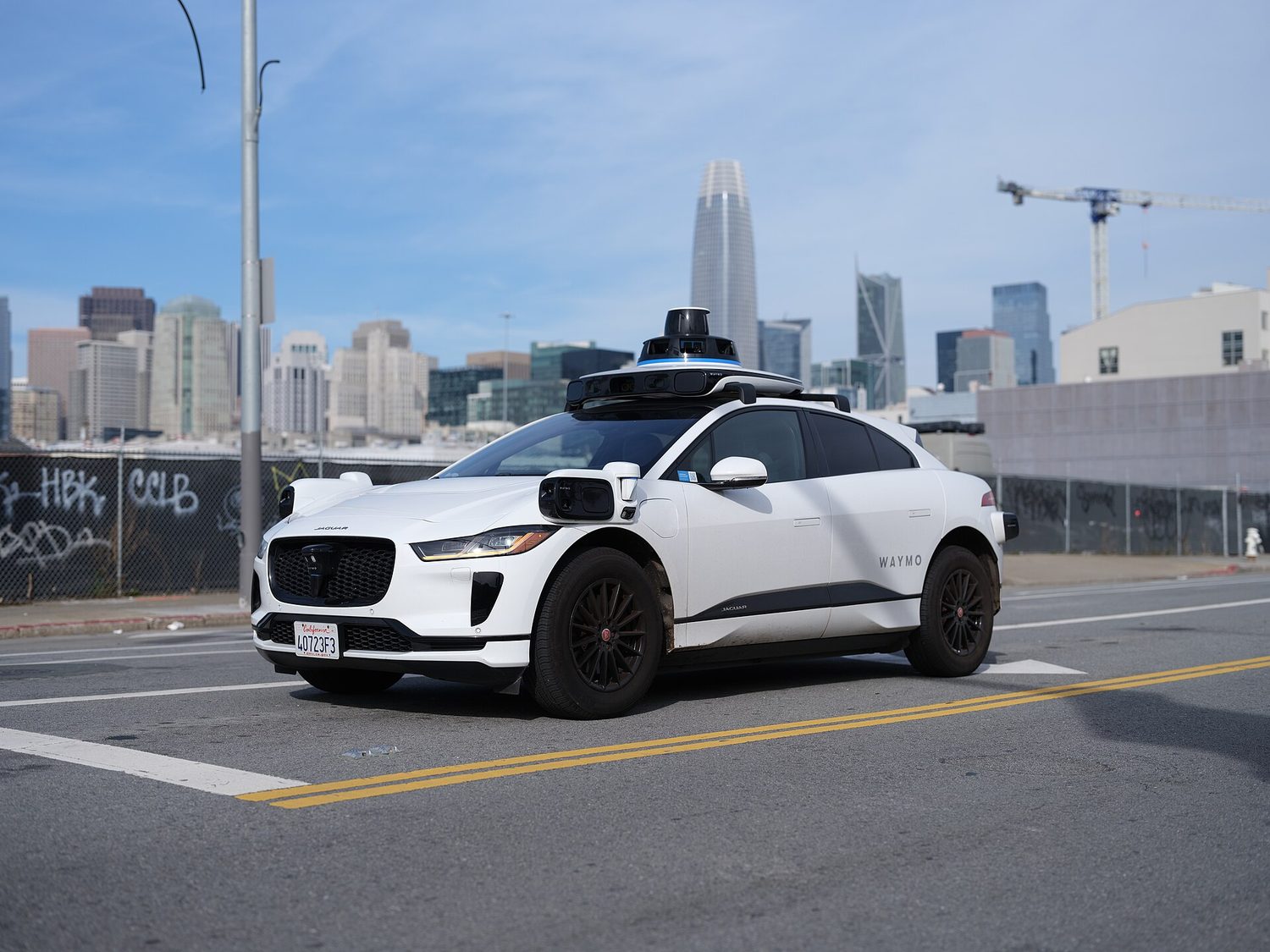
도시 길가를 달리는 자율주행 자동차 — 자율 시스템은 안전성과 편향 문제를 제기함

편향은 컴퓨팅 시스템에 내재되어 있을 수 있으며, 종종 무심코 발생합니다. 시스템을 구축하는 데 사용된 데이터가 기존 편향을 반영하거나, 설계자의 가정이 일방적이면, 시스템은 불공정한 결과를 초래할 수 있습니다(예: 특정 집단을 선호하는 채용 도구). 편향은 데이터 수집, 설계 및 사용의 모든 단계에서 발생할 수 있으므로, 서로 다른 집단 간公平性(fairness) 테스트가 필요합니다. "컴퓨터가 그렇다고 했으니"라는 것이 반드시 "공정한"다는 것과 같지 않음을 인지하는 것이 중요한 습관입니다.

5.4

Crowdsourcing · ⁨크라우드소싱⁩

Syllabus
English

Enduring Understanding (IOC-1): While computing innovations are typically designed to achieve a specific purpose, they may have unintended consequences.

Learning Objective IOC-1.E: Explain how people participate in problem-solving processes at scale. [Skill 1.C]

  • IOC-1.E.1 Widespread access to information and public data facilitates the identification of problems, development of solutions, and dissemination of results.
  • IOC-1.E.2 Science has been affected by using distributed and "citizen science" to solve scientific problems.
  • IOC-1.E.3 Citizen science is scientific research conducted in whole or part by distributed individuals, many of whom may not be scientists, who contribute relevant data to research using their own computing devices.
  • IOC-1.E.4 Crowdsourcing is the practice of obtaining input or information from a large number of people via the Internet.
  • IOC-1.E.5 Human capabilities can be enhanced by collaboration via computing.
  • IOC-1.E.6 Crowdsourcing offers new models for collaboration, such as connecting businesses or social causes with funding.
한국어

지속적 이해 (IOC-1): 컴퓨팅 혁신은 일반적으로 특정 목적을 달성하기 위해 설계되지만, 의도치 않은 결과를 초래할 수 있다.

학습 목표 IOC-1.E: 사람들이 대규모로 문제 해결 과정에 참여하는 방식을 설명하시오. [기술 1.C]

  • IOC-1.E.1 정보 및 공공 데이터에 대한 광범위한 접근성은 문제 식별, 해결책 개발 및 결과 dissemination를 용이하게 한다.
  • IOC-1.E.2 분산형 및 '시민 과학(citizen science)'을 사용하여 과학적 문제를 해결함으로써 과학 분야에 영향을 미쳤다.
  • IOC-1.E.3 시민 과학은 전체 또는 일부가 분산된 개인(많은 경우 그들이 과학자가 아닐 수 있음)에 의해 수행되며, 이들은 자신의 컴퓨팅 장치를 사용하여 연구에 필요한 데이터를 기여하는 과학적 연구이다.
  • IOC-1.E.4 *크라우드소싱(crowdsourcing)*은 인터넷을 통해 대량的人们의 입력이나 정보를 얻어내는 관행이다.
  • IOC-1.E.5 컴퓨팅을 통한 협력을 통해 인간의 능력을 향상시킬 수 있다.
  • IOC-1.E.6 크라우드소싱은 기업이나 사회적 causes를 자금 조달과 연결하는 것과 같은 새로운 협력 모델을 제공한다.

Source: College Board AP Course and Exam Description · ⁨출처: College Board AP Course and Exam Description⁩

English

Crowdsourcing 众包 obtains input, ideas, or funding from a large group of people, usually online. It harnesses the knowledge and effort of many – mapping projects, product reviews, citizen science, and crowdfunding all rely on it. The Internet makes crowdsourcing possible at a scale and speed never before achievable, letting a project draw on contributors worldwide.

한국어

크라우드소싱은 많은 사람들로부터 의견, 아이디어 또는 자금을 조달하는 것으로, 일반적으로 온라인으로 이루어집니다. 이는 많은 사람들의 지식과 노력을 활용합니다. 매핑 프로젝트, 제품 리뷰, 시민 과학 및 크라우드펀딩 등은 모두 크라우드소싱에 의존합니다. 인터넷은 이전에는 달성할 수 없던 규모와 속도로 크라우드소싱을 가능하게 하여, 전 세계의 기여자들이 참여할 수 있게 합니다.

위키백디트아톤: 크라우드소싱은 다수의 작업을 공유된 자원으로 모음
5.5

Legal and Ethical Concerns · ⁨법적 및 윤리적 문제⁩

Syllabus
English

Enduring Understanding (IOC-1): While computing innovations are typically designed to achieve a specific purpose, they may have unintended consequences.

Learning Objective IOC-1.F: Explain how the use of computing can raise legal and ethical concerns. [Skill 5.E]

  • IOC-1.F.1 Material created on a computer is the intellectual property of the creator or an organization.
  • IOC-1.F.2 Ease of access and distribution of digitized information raises intellectual property concerns regarding ownership, value, and use.
  • IOC-1.F.3 Measures should be taken to safeguard intellectual property.
  • IOC-1.F.4 The use of material created by someone else without permission and presented as one's own is plagiarism and may have legal consequences.
  • IOC-1.F.5 Some examples of legal ways to use materials created by someone else include:
    • Creative Commons—a public copyright license that enables the free distribution of an otherwise copyrighted work. This is used when the content creator wants to give others the right to share, use, and build upon the work they have created.
    • open source—programs that are made freely available and may be redistributed and modified
    • open access—online research output free of any and all restrictions on access and free of many restrictions on use, such as copyright or license restrictions
  • IOC-1.F.6 The use of material created by someone other than you should always be cited.
  • IOC-1.F.7 Creative Commons, open source, and open access have enabled broad access to digital information.
  • IOC-1.F.8 As with any technology or medium, using computing to harm individuals or groups of people raises legal and ethical concerns.
  • IOC-1.F.9 Computing can play a role in social and political issues, which in turn often raises legal and ethical concerns.
  • IOC-1.F.10 The digital divide raises ethical concerns around computing.
  • IOC-1.F.11 Computing innovations can raise legal and ethical concerns. Some examples of these include:
    • the development of software that allows access to digital media downloads and streaming
    • the development of algorithms that include bias
    • the existence of computing devices that collect and analyze data by continuously monitoring activities
한국어

지속적 이해 (IOC-1): 컴퓨팅 혁신은 일반적으로 특정 목적을 달성하기 위해 설계되지만, 의도치 않은 결과를 초래할 수 있다.

학습 목표 IOC-1.F: 컴퓨팅의 사용이 법적 및 윤리적 이슈를 어떻게引发할 수 있는지 설명하시오. [기술 5.E]

  • IOC-1.F.1 컴퓨터로 생성된 자료는 창작자 또는 조직의 지적 재산이다.
  • IOC-1.F.2 디지털 정보의 접근 및 Distribution 용이성은 소유권, 가치 및 사용과 관련된 지적 재산 이슈를 제기한다.
  • IOC-1.F.3 지적 재산을 보호하기 위한 조치가 취해져야 한다.
  • IOC-1.F.4 허락 없이 다른 사람이 만든 자료를 자신의 것으로 주장하여 사용하는 것은 표절이며 법적 제재를 받을 수 있다.
  • IOC-1.F.5 다른 사람이 만든 자원을 합법적으로 사용하는 예시로는 다음이 포함된다:
    • 크리에이티브 커먼스—기타 저작권이 있는 작품을 무료로 배포할 수 있게 하는 공공 저작권 라이선스입니다. 콘텐츠 제작자가 자신의 작품을 공유하고 사용하며 확장하여 활용할 권리를 다른 사람에게 부여하고자 할 때 사용합니다.
    • 오픈 소스—무료로 제공되며 재배급 및 수정이 가능한 프로그램
    • 오픈 액세스—접근에 대한 모든 제한과 사용에 대한 많은 제한(저작권 또는 라이선스 제한 포함) 없이 온라인 연구 산출물이 무료로 제공되는 상태
  • IOC-1.F.6 본인이 아닌 다른 사람이 작성한 자료를 사용할 때는 반드시 출처를 명시해야 합니다.
  • IOC-1.F.7 크리에이티브 커먼즈, 오픈 소스, 오픈 액세스는 디지털 정보에 대한 광범위한 접근을 가능하게 했습니다.
  • IOC-1.F.8 어떤 기술이나 매체와 마찬가지로, 컴퓨팅을 사용하여 개인이나 집단을 해치는 행위는 법적 및 윤리적 문제를 제기합니다.
  • IOC-1.F.9 컴퓨팅은 사회 및 정치적 이슈에 관여할 수 있으며, 이로 인해 종종 법적 및 윤리적 문제가 발생합니다.
  • IOC-1.F.10 디지털 격차는 컴퓨팅 관련 윤리적 문제를 일으킵니다.
  • IOC-1.F.11 컴퓨팅 혁신은 법적·윤리적 이슈를引发할 수 있습니다. 이러한 사례의 일부는 다음과 같습니다:
    • 디지털 미디어 다운로드 및 스트리밍에 접근할 수 있게 하는 소프트웨어의 개발
    • 편향성을 포함하는 알고리즘의 개발
    • 활동을 지속적으로 모니터링하여 데이터를 수집하고 분석하는 컴퓨팅 장치의 존재

Source: College Board AP Course and Exam Description · ⁨출처: College Board AP Course and Exam Description⁩

English

Computing raises questions of law and ethics:

  • Intellectual property 知识产权 and copyright 版权 protect creators' work; using it may require permission or a license. Open-source 开源 and Creative Commons licenses let creators share work under stated terms.
  • Plagiarism 抄袭 – using others' work as your own – is unethical and often illegal.
  • Collecting and using personal data raises privacy questions about consent and misuse.

The three "open" terms, which are not the same thing

Term What it means
open source programs that are made freely available and may be redistributed and modified by anyone. The licence grants those rights explicitly — free of charge is not the same as open source, and a free program you may not modify is not open source.
open access 开放获取 research and other content made available online without charge, so a reader does not need a subscription. It says nothing about the right to modify.
Creative Commons 知识共享 a family of licences a creator applies to their own work to grant specific permissions in advance — for example "you may reuse this if you credit me" or "you may reuse this but not commercially".

All three are ways of granting rights the creator holds by default under copyright. That is why they matter for the exam: copyright is automatic, so anything not explicitly licensed is restricted, and using it needs permission.

Just because something is technically possible does not make it legal or ethical.

What is recorded while you browse

Two collection routes the CED names, and neither needs you to type anything:

  • Websites can record and maintain a history of the individuals who have viewed their pages — which pages, when, how long, and from which device.
  • Search engines can use your search history to suggest websites, and to sell targeted marketing: the advertisement follows the search, which is why a product looked up once then appears for weeks.

Neither is inherently malicious, and both are the mechanism behind services people find useful. The point the exam wants is that data collected for one purpose can be combined and used for another, often without the person realising they agreed to it.

한국어
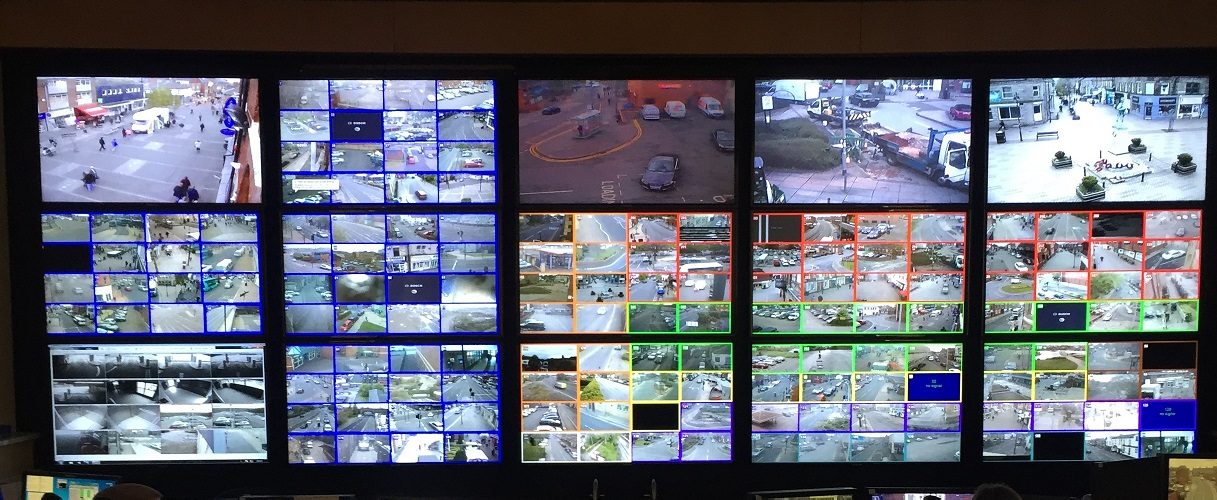
CCTV 제어실: 감시 시스템은 안전상의 이득과 사생활 보호 우려 사이에서 타협함

컴퓨팅은 법과 윤리에 관한 의문을 제기합니다:

  • 지식재산권과 저작권은 창작자의 작품을 보호하며, 이를 사용할 경우 허락이나 라이선스가 필요할 수 있습니다. 오픈소스 및 크리에이티브 커먼즈 라이선스는创作者가 명시된 조건 하에 작품을 공유할 수 있게 합니다.
  • 표절 –他人的的作品을 자신의 것으로 사용하는 것– 은 비윤리적이며 종종 불법입니다.
  • 개인정보 수집 및 사용은 동의 및 남용에 관한 사생활 문제를 제기합니다.

'오픈'이라는 세 가지 용어는 서로 다릅니다

용어 의미
오픈소스(open source) 누구나 무료로 제공받을 수 있으며 재배포 및 수정이 가능한 프로그램입니다. 라이선스는 이러한 권리를 명시적으로 부여합니다 — 무료라 함이 오픈소스와 동일하지 않으며, 수정할 수 없는 무료 프로그램은 오픈소스가 아닙니다.
오픈액세스(open access) 온라인으로 무료로 제공되는 연구 및 기타 콘텐츠이므로, 독자가 구독할 필요가 없습니다. 수정 권한에 대해서는 언급하지 않습니다.
크리에이티브 커먼즈(Creative Commons) 창작자가 자신의 작품에 적용하는 라이선스의 한族, 사전에 구체적인 허용권을 부여합니다 — 예: "출처를 표기하면 재사용 가능" 또는 "상업적 재사용은 불가" 등.

세 용어 모두 저작권에 따라 기본적으로 창작자가 보유한 권리를 부여하는 방식입니다. 따라서它们在考试中 중요합니다: 저작권은 자동으로 발생하므로, 명시적으로 라이선스가 부여되지 않은 것은 제한되며, 이를 사용하기 위해서는 허락이 필요합니다.

기술적으로 가능한 것만으로 그것이 합법적이거나 윤리적인 것은 아닙니다.

브라우징 중 기록되는 정보

CED가 제시한 두 가지 수집 경로가 있으며, 어느 하나도 입력할 필요 없이 자동으로 이루어집니다:

  • 웹사이트는 해당 페이지를浏览한 개인의 기록을 저장 및 관리할 수 있습니다 — 어떤 페이지인지, 언제, 얼마나 오래, 어떤 기기에서 방문했는지.
  • 검색 엔진은 검색 이력을 활용하여 웹사이트를 추천하고 타겟 마케팅을 판매할 수 있습니다. 광고가 검색 행위를 따라다니기 때문에, 한 번 검색한 제품이 수 주 동안 계속 노출되는 것입니다.

두 가지 모두 본질적으로 악의적이 아니며, 모두 사람들이 유용하게 생각하는 서비스의 메커니즘입니다. 시험에서 요구하는 핵심 포인트는 한 목적으로 수집된 데이터가 다른 목적으로 결합되어 사용될 수 있으며, 종종本人在 그 동의를 알지 못하는 경우라는 점입니다.

Vocabulary · ⁨어휘⁩ Train · ⁨연습하기⁩
English 한국어
Open-source/ˈəʊpən sɔːs/ 오픈소스
Plagiarism/ˈpleɪdʒərɪzəm/ 도용
open access/ˈəʊpən ˈækses/ 오픈 액세스
Creative Commons/kriːˈeɪtɪv ˈkɒmənz/ 크리에이티브 커먼즈(Creative Commons)
Personally identifiable information (PII)/ˈpɜːsənəli aɪˈdentɪfaɪəbl ˌɪnfəˈmeɪʃn/ 개인 식별 정보 (PII)
identity theft/aɪˈdentɪti θeft/ 신원 도용
phishing/ˈfɪʃɪŋ/ 피싱
malware/ˈmælweə/ 악성 코드
multi-factor authentication/ˈmʌlti ˈfæktə ɔːˌθentɪˈkeɪʃn/ 다중 인증
open source/ˈəʊpən sɔːs/ 오픈소스
5.6

Safe Computing · ⁨안전한 컴퓨팅⁩

Syllabus
English

Enduring Understanding (IOC-2): The use of computing innovations may involve risks to personal safety and identity.

Learning Objective IOC-2.A: Describe the risks to privacy from collecting and storing personal data on a computer system. [Skill 5.D]

  • IOC-2.A.1 Personally identifiable information (PII) is information about an individual that identifies, links, relates, or describes them. Examples of PII include:
    • Social Security number
    • age
    • race
    • phone number(s)
    • medical information
    • financial information
    • biometric data
  • IOC-2.A.2 Search engines can record and maintain a history of searches made by users.
  • IOC-2.A.3 Websites can record and maintain a history of individuals who have viewed their pages.
  • IOC-2.A.4 Devices, websites, and networks can collect information about a user's location.
  • IOC-2.A.5 Technology enables the collection, use, and exploitation of information about, by, and for individuals, groups, and institutions.
  • IOC-2.A.6 Search engines can use search history to suggest websites or for targeted marketing.
  • IOC-2.A.7 Disparate personal data, such as geolocation, cookies, and browsing history, can be aggregated to create knowledge about an individual.
  • IOC-2.A.8 PII and other information placed online can be used to enhance a user's online experiences.
  • IOC-2.A.9 PII stored online can be used to simplify making online purchases.
  • IOC-2.A.10 Commercial and governmental curation of information may be exploited if privacy and other protections are ignored.
  • IOC-2.A.11 Information placed online can be used in ways that were not intended and that may have a harmful impact. For example, an email message may be forwarded, tweets can be retweeted, and social media posts can be viewed by potential employers.
  • IOC-2.A.12 PII can be used to stalk or steal the identity of a person or to aid in the planning of other criminal acts.
  • IOC-2.A.13 Once information is placed online, it is difficult to delete.
  • IOC-2.A.14 Programs can collect your location and record where you have been, how you got there, and how long you were at a given location.
  • IOC-2.A.15 Information posted to social media services can be used by others. Combining information posted on social media and other sources can be used to deduce private information about you.

Learning Objective IOC-2.B: Explain how computing resources can be protected and can be misused. [Skill 5.E]

  • IOC-2.B.1 Authentication measures protect devices and information from unauthorized access. Examples of authentication measures include strong passwords and multifactor authentication.
  • IOC-2.B.2 A strong password is something that is easy for a user to remember but would be difficult for someone else to guess based on knowledge of that user.
  • IOC-2.B.3 Multifactor authentication is a method of computer access control in which a user is only granted access after successfully presenting several separate pieces of evidence to an authentication mechanism, typically in at least two of the following categories: knowledge (something they know), possession (something they have), and inherence (something they are).
  • IOC-2.B.4 Multifactor authentication requires at least two steps to unlock protected information; each step adds a new layer of security that must be broken to gain unauthorized access.
  • IOC-2.B.5 Encryption is the process of encoding data to prevent unauthorized access. Decryption is the process of decoding the data. Two common encryption approaches are:
    • Symmetric key encryption involves one key for both encryption and decryption.
    • Public key encryption pairs a public key for encryption and a private key for decryption. The sender does not need the receiver's private key to encrypt a message, but the receiver's private key is required to decrypt the message.
    • Exclusion statement (EK IOC-2.B.5): Specific mathematical procedures for encryption and decryption are beyond the scope of this course and the AP Exam.
  • IOC-2.B.6 Certificate authorities issue digital certificates that validate the ownership of encryption keys used in secure communications and are based on a trust model.
  • IOC-2.B.7 Computer virus and malware scanning software can help protect a computing system against infection.
  • IOC-2.B.8 A computer virus is a malicious program that can copy itself and gain access to a computer in an unauthorized way. Computer viruses often attach themselves to legitimate programs and start running independently on a computer.
  • IOC-2.B.9 Malware is software intended to damage a computing system or to take partial control over its operation.
  • IOC-2.B.10 All real-world systems have errors or design flaws that can be exploited to compromise them. Regular software updates help fix errors that could compromise a computing system.
  • IOC-2.B.11 Users can control the permissions programs have for collecting user information. Users should review the permission settings of programs to protect their privacy.

Learning Objective IOC-2.C: Explain how unauthorized access to computing resources is gained. [Skill 5.E]

  • IOC-2.C.1 Phishing is a technique that attempts to trick a user into providing personal information. That personal information can then be used to access sensitive online resources, such as bank accounts and emails.
  • IOC-2.C.2 Keylogging is the use of a program to record every keystroke made by a computer user in order to gain fraudulent access to passwords and other confidential information.
  • IOC-2.C.3 Data sent over public networks can be intercepted, analyzed, and modified. One way that this can happen is through a rogue access point.
  • IOC-2.C.4 A rogue access point is a wireless access point that gives unauthorized access to secure networks.
  • IOC-2.C.5 A malicious link can be disguised on a web page or in an email message.
  • IOC-2.C.6 Unsolicited emails, attachments, links, and forms in emails can be used to compromise the security of a computing system. These can come from unknown senders or from known senders whose security has been compromised.
  • IOC-2.C.7 Untrustworthy (often free) downloads from freeware or shareware sites can contain malware.
한국어

지속적 이해 (IOC-2): 컴퓨팅 혁신의 사용은 개인의 안전과 신원에 위험을 초래할 수 있습니다.

학습 목표 IOC-2.A: 컴퓨터 시스템에서 개인정보를 수집하고 저장함으로써 발생하는 프라이버시 위험을 설명하십시오. [기술 5.D]

  • IOC-2.A.1 개인 식별 정보(PII)는 특정 개인을 식별하거나 연결하거나 연관시키거나 설명하는 정보입니다. PII의 예로는 다음과 같습니다:
    • 사회보장 번호
    • 연령
    • 인종
    • 전화번호
    • 의료 정보
    • 금융 정보
    • 생체 데이터
  • IOC-2.A.2 검색 엔진은 사용자가 수행한 검색 이력을 기록하고 유지할 수 있습니다.
  • IOC-2.A.3 웹사이트는 해당 페이지를 방문한个体的의 이력을 기록하고 유지할 수 있습니다.
  • IOC-2.A.4 장치, 웹사이트 및 네트워크는 사용자의 위치 정보를 수집할 수 있습니다.
  • IOC-2.A.5 기술은 개인, 집단 및 기관에 대한 정보를 수집하고, 사용하고, 악용하는 것을 가능하게 합니다.
  • IOC-2.A.6 검색 엔진은 검색 이력을 사용하여 웹사이트를 추천하거나 타겟 마케팅에 활용할 수 있습니다.
  • IOC-2.A.7 위치 정보, 쿠키, 브라우저 이력 등 이질적인 개인정보가 집계되어 개인에 대한 지식을 생성할 수 있습니다.
  • IOC-2.A.8 온라인에 게시된 PII 및 기타 정보는 사용자의 온라인 경험을 향상시키는 데 활용될 수 있습니다.
  • IOC-2.A.9 온라인에 저장된 PII는 온라인 구매를 간소화하는 데 활용될 수 있습니다.
  • IOC-2.A.10 프라이버시 및 기타 보호 조치가 무시되면 상업적 및 정부 정보 관리가 악용될 수 있습니다.
  • IOC-2.A.11 온라인에 게시된 정보는 의도하지 않은 방식으로 사용될 수 있으며 유해한 영향을 미칠 수 있습니다. 예를 들어, 이메일이转发될 수 있고, 트윗이 리트윗될 수 있으며, 소셜 미디어 게시물이 잠재적 고용주에 의해 조회될 수 있습니다.
  • IOC-2.A.12 PII는 개인을 추격하거나 신도 도난에 사용되거나 다른 범죄 행위 계획에 도움을 줄 수 있습니다.
  • IOC-2.A.13 한 번 온라인에 게시된 정보는 삭제하기 어렵습니다.
  • IOC-2.A.14 프로그램은 귀하의 위치를 수집하고, 이동 경로, 이동 수단, 특정 장소에서의 체류 시간을 기록할 수 있습니다.
  • IOC-2.A.15 소셜 미디어 서비스에 게시된 정보는 다른 사람들이 사용할 수 있습니다. 소셜 미디어에 게시된 정보와 기타 소스의 정보를 결합하여 귀하에 대한 사적 정보를 추론할 수 있습니다.

학습 목표 IOC-2.B: 컴퓨팅 자원을 보호하고 오용되는 방법을 설명하십시오. [기술 5.E]

  • IOC-2.B.1 인증 조치는 Unauthorized access로부터 장치와 정보를 보호합니다. 인증 조치의 예로 강력한 비밀번호와 다중 인증이 있습니다.
  • IOC-2.B.2 강력한 비밀번호는 사용자가 기억하기 쉬우나 해당 사용자에 대한 지식을 바탕으로 다른 사람이 추측하기 어려운 것입니다.
  • IOC-2.B.3 *다중 인증(Multifactor authentication)*은 사용자가 인증 메커니즘에 대해 여러 개의 독립적인 증거를 성공적으로 제시한 후에만 접근 권한을 부여하는 컴퓨터 접근 제어 방법입니다. 일반적으로 다음 범주 중 최소 2개 이상을 충족해야 합니다: 지식(알고 있는 것), 보유(가지고 있는 것), 속성(본인인 것).
  • IOC-2.B.4 다중 인증은 보호된 정보에 접근하기 위해 최소 두 단계 이상의 절차를 필요로 하며, 각 단계는 Unauthorized access를 얻기 위해 극복해야 할 새로운 보안 계층을 추가합니다.
  • IOC-2.B.5 *암호화(Encryption)*는 Unauthorized access를 방지하기 위해 데이터를 인코딩하는 과정입니다. *복호화(Decryption)*는 데이터를 디코딩하는 과정입니다. 일반적인 암호화 방식으로는 다음과 같은 것이 있습니다:
    • 대칭 키 암호화는 암호화와 복호화에 동일한 하나의 키를 사용합니다.
    • 공개 키 암호화는 암호화에 사용하는 공개 키와 복호화에 사용하는 비공개 키를 쌍으로 사용합니다. 발신자는 메시지를 암호화하기 위해 수신자의 비공개 키가 필요하지 않지만, 메시지를 복호화하기 위해서는 수신자의 비공개 키가 필요합니다.
    • 배제 문구 (EK IOC-2.B.5): 암호화 및 복호화를 위한 구체적인 수학적 절차는 이 과정 및 AP 시험의 범위를 벗어납니다.
  • IOC-2.B.6 인증 기관(Certificate Authorities)은 보안 통신에 사용되는 암호화 키의 소유권을 검증하는 디지털 인증서를 발행하며, 이는 신뢰 모델에 기반합니다.
  • IOC-2.B.7 컴퓨터 바이러스 및 악성 소프트웨어 스캔 소프트웨어는 컴퓨팅 시스템이 감염되는 것을 방지하는 데 도움이 됩니다.
  • IOC-2.B.8 컴퓨터 바이러스는 복제될 수 있으며 비인가 방식으로 컴퓨팅 시스템에 접근할 수 있는 악의적 프로그램입니다. 컴퓨터 바이러스는 종종 합법적인 프로그램에附着하여 컴퓨팅 시스템 내에서 독립적으로 실행되기 시작합니다.
  • IOC-2.B.9 *악성 소프트웨어(Malware)*는 컴퓨팅 시스템을 손상시키거나 그 운영을 부분적으로 장악하기 위해 설계된 소프트웨어입니다.
  • IOC-2.B.10 모든 실제 시스템에는 이를 공격할 수 있는 오류나 설계 결함이 존재합니다. 정기적인 소프트웨어 업데이트는 컴퓨팅 시스템을 위협할 수 있는 오류를 수정하는 데 도움이 됩니다.
  • IOC-2.B.11 사용자는 프로그램이 사용자 정보를 수집할 수 있는 권한을 통제할 수 있습니다. 사용자는 자신의 프라이버시를 보호하기 위해 프로그램의 권한 설정을 검토해야 합니다.

학습 목표 IOC-2.C: 컴퓨팅 리소스에 대한 비인가 접근이 어떻게 이루어지는지 설명하시오. [기술 5.E]

  • IOC-2.C.1 *피싱(Phishing)*은 사용자가 개인 정보를 제공하도록 속이는 기법입니다. 이러한 개인 정보는 은행 계좌나 이메일과 같은 민감한 온라인 리소스에 비인가로 접근하는 데 사용될 수 있습니다.
  • IOC-2.C.2 *키로거(Keylogging)*는 비밀번호 및 기타 기밀 정보에 대한 사기성 접근을 얻기 위해 컴퓨터 사용자의 모든 키 입력을 기록하는 프로그램을 사용하는 것입니다.
  • IOC-2.C.3 공공 네트워크를 통해 전송된 데이터는 도청, 분석, 변조될 수 있습니다. 이는 위장cimal 포인트(Rogue Access Point)를 통해 발생할 수 있습니다.
  • IOC-2.C.4 *위장cimal 포인트(Rogue Access Point)*는 보안 네트워크에 비인가 접근을 허용하는 무선cimal 포인트입니다.
  • IOC-2.C.5 악의적 링크는 웹 페이지나 이메일 메시지에 위장되어 있을 수 있습니다.
  • IOC-2.C.6 불요청 이메일, 첨부 파일, 링크 및 이메일 내 양식은 컴퓨팅 시스템의 보안을 위협하는 데 사용될 수 있습니다. 이러한 것은 미지의 발신자로부터 올 수도 있으며, 보안이 침해된已知发信人으로부터 올 수도 있습니다.
  • IOC-2.C.7 프리웨어 또는 셰어웨어 사이트에서 다운로드되는 신뢰할 수 없는(대부분 무료인) 파일에는 악성 소프트웨어가 포함되어 있을 수 있습니다.

Source: College Board AP Course and Exam Description · ⁨출처: College Board AP Course and Exam Description⁩

English

Protecting personal data is a shared responsibility. Key ideas:

  • Personally identifiable information (PII) 个人身份信息 (name, address, ID numbers) should be shared carefully, because it can be misused for identity theft 身份盗窃.
  • Threats include phishing 网络钓鱼 (tricking you into revealing information), malware 恶意软件, and weak passwords.
  • A malicious link can be disguised on a web page or in an email message: the text you see and the address it actually goes to are separate, so a link reading www.yourbank.com can point anywhere. Hover to see the real destination before clicking, and be most suspicious of a link that arrives unexpectedly and creates urgency.
  • Defenses include strong, unique passwords, multi-factor authentication 多因素认证, encryption 加密 (scrambling data so only authorized people can read it), and keeping software updated.

Encryption is the central tool for keeping data private in transit and storage. Being a responsible computer user means protecting your own and others' information.

Exam skill: be able to identify the beneficial and harmful effects of a given innovation, explain a privacy or security risk, and name a safe-computing practice that addresses it.

Worked example. A hiring algorithm is trained on a company's past hires, who were mostly one group, and it then rejects qualified applicants from other groups. Name the problem and its cause: this is computing bias, caused by biased training data — the model learned the historical pattern instead of a fair rule. A full-mark exam answer states the harm (qualified people are unfairly rejected) and its cause (the bias came from the data, not the code).

한국어

개인 데이터 보호는 공동의 책임입니다. 주요 개념:

암호화는 키를 사용하여 평문을 난독화하며, 오직 키만이 이를 복호화할 수 있음
암호화는 키를 사용하여 평문을 난독화하며, 오직 키만이 이를 복호화할 수 있습니다
  • 개인 식별 정보(PII) (이름, 주소, ID 번호 등)는 신원 도용에 악용될 수 있으므로 신중하게 공유해야 합니다.
  • 위협으로는 피싱(정보를 숨기는 것을 속임수), 악성코드, 그리고 약한 비밀번호가 포함됩니다.
  • 악의적인 링크는 웹 페이지나 이메일 메시지에 위장될 수 있습니다: 표시되는 텍스트와 실제로 연결되는 주소가 다르므로, www.yourbank.com라고 보이는 링크는 어디든 가리킬 수 있습니다. 클릭하기 전에 마우스를 올렸을 때 실제 목적지를 확인하고, 예상치 못하게 도착하거나 긴박감을 조성하는 링크에 가장 경계하십시오.
  • 방어책으로는 강력하고 고유한 비밀번호, 다중 인증, 암호화(데이터를 난독화하여 권한 있는 사람만 읽을 수 있게 함), 그리고 소프트웨어 업데이트 유지 관리가 포함됩니다.

암호화는 전송 중 및 저장 시 데이터를 비공개로 유지하는 핵심 도구입니다. 책임감 있는 컴퓨터 사용자란 자신과 타인의 정보를 보호하는 것을 의미합니다.

시험 스킬: 특정 혁신 기술의 유익한 영향과 해로운 영향을 식별하고, 개인정보 또는 보안 위험을 설명하며, 이를 해결할 수 있는 안전한 컴퓨팅 관행을 열거할 수 있어야 합니다.

해설 예시. 채용 알고리즘이 과거 채용 대상자(대부분 한 집단으로 구성됨)를 기반으로 학습한 뒤, 다른 집단의 자격 있는 지원자를 거절하는 사례를 보십시오. 문제와 원인을 نام명하시오: 이는 **컴퓨팅 편향(computing bias)**이며, 편향된 학습 데이터로 인해 발생합니다. 모델이 공정한 규칙 대신 역사적 패턴을 학습했습니다. 만점 답안은 해를 명시(자격 있는 사람이 부당하게 거절됨) 하고 그 원인(편향이 코드에서 나온 것이 아니라 데이터에서 비롯됨)을 모두 포함해야 합니다.

Explore · ⁨탐색하기⁩

Scramble a message with encryption · ⁨암호화를 통해 메시지 뒤섞기⁩

Encryption protects data by scrambling it with a key; only someone with the key can read it back. This simple Caesar cipher shifts each letter — real encryption uses the same idea with far stronger keys to keep passwords and messages safe. · ⁨암호화(encryption) 은 키(key)를 사용하여 데이터를 뒤섞어 보호합니다. 키를 가진 사람만이 다시 읽을 수 있습니다. 이 간단한 Caesar cipher는 각 문자를 이동시키지만, 실제 암호화는 비밀번호와 메시지를 안전하게 지키기 위해 훨씬 강력한 키를(LOGically the same idea with far stronger keys)同样的 concept을 사용합니다.⁩

Vocabulary · ⁨어휘⁩ Train · ⁨연습하기⁩
English 한국어
digital divide/ˈdɪdʒɪtl dɪˈvaɪd/ 디지털 격차(digital divide)
Bias/ˈbaɪəs/ 편향
Crowdsourcing/ˈkraʊdsɔːsɪŋ/ 크라우드소싱
Intellectual property/ˌɪntəˈlektʃuːəl ˈprɒpəti/ 지적 재산권(Intellectual property)
copyright/ˈkɒpɪraɪt/ 저작권
encryption/enˈkrɪpʃn/ encryption
5.6

Exam tips · ⁨시험 팁⁩

English
  • Argue both the beneficial and harmful effects of a computing innovation — a balanced answer scores best.
  • Use correct terms for data concerns: PII, privacy, security, and algorithmic bias.
  • Explain how crowdsourcing and large data sets create value and raise new risks.
  • Distinguish the digital divide (access) from bias (fairness) and give a concrete example of each.
  • Tie every claim to a specific innovation and effect, as the written response demands.
한국어
  • 컴퓨팅 혁신의 유익한 영향과 해로운 영향을 모두 논증하십시오: 균형 잡힌 답변이 가장 높은 점수를 받습니다.
  • 데이터 이슈에 대한 정확한 용어를 사용하십시오: PII, 개인정보 보호, 보안, 그리고 알고리즘 편향.
  • 크라우드소싱과 대량 데이터셋이 가치를 창출하고 새로운 위험을 초래하는 방식을 설명하십시오.
  • 디지털 격차(접근성)와 편향(공정성)을 구분하고 각각의 구체적인 예를 들십시오.
  • 서술형 응답 요건에 따라 모든 주장이 특정 혁신 기술과 결과에 연결되어야 합니다.

Interactive lessons on this topic · ⁨이 주제에 대한 인터랙티브 수업⁩

Work through it step by step, with instant-check exercises. · ⁨즉시 체크 기능 exercises를 통해 단계별로 진행하세요.⁩

Past Papers · ⁨과거 시험지⁩

More topics in AP Computer Science Principles · ⁨AP 컴퓨터 과학 원리⁩ · ⁨AP Computer Science Principles · ⁨AP 컴퓨터 과학 원리⁩ 내 추가 주제⁩

Log in or create account · ⁨로그인 또는 계정 만들기⁩

IGCSE, A-Level & AP