A housefly and a maize plant could not look more different, yet both are alive in the same eight ways, and both are built from the same kind of cell. This first section gives you the words for that shared life — the characteristics every organism shows — and a map of life's variety: five groups of organisms plus the viruses, which are not alive at all but still infect every living thing.
Edexcel International GCSE Biology 4BI1, Section 1 is assessed in both papers; expect direct recall and "compare" questions from 1.1–1.4, often one mark for a feature and one for the named example.
The characteristics of life
Every living organism does all eight: it takes in nutrition 营养 (material for energy or growth), it respires 呼吸 (releases energy from food), it excretes 排泄 (removes waste), it responds 反应 to its surroundings, it moves 运动, it controls its internal conditions (keeps itself steady inside), it reproduces 繁殖, and it grows and develops 生长. The memory hook MRS GREN lists movement, reproduction, sensitivity, growth, respiration, excretion, nutrition — the "control of internal conditions" is the eighth that the hook leaves out, so name it separately.
A virus does none of these by itself — that is why it is not living.
Variety: the five groups and their give-away features
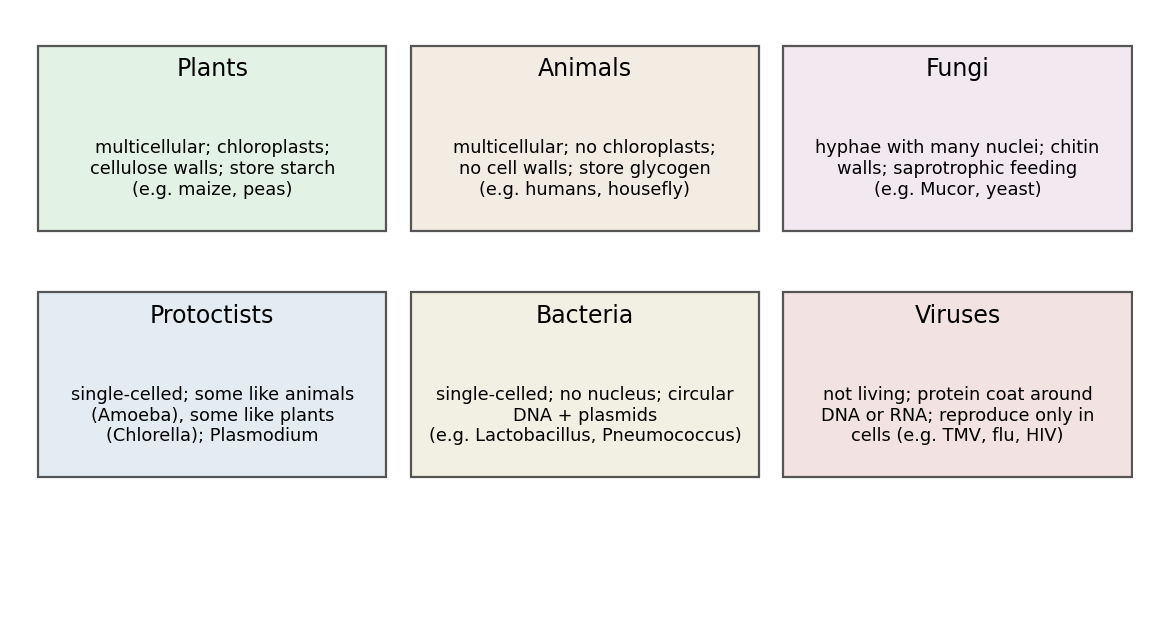
Plants 植物: multicellular; cells contain chloroplasts 叶绿体 and carry out photosynthesis 光合作用; walls of cellulose 纤维素; carbohydrate stored as starch 淀粉 or sucrose. Examples: a cereal (maize) and a herbaceous legume (peas or beans).
Animals 动物: multicellular; no chloroplasts, no photosynthesis; no cell walls; usually nervous coordination and movement from place to another; store carbohydrate as glycogen 糖原. Examples: mammals (humans) and insects (housefly, mosquito).
Fungi 真菌: no photosynthesis; body usually a mycelium 菌丝体 of thread-like hyphae 菌丝 containing many nuclei; some single-celled (yeast); walls of chitin 几丁质; feed by secreting digestive enzymes onto food outside the body and absorbing the products — saprotrophic nutrition 腐生营养; store glycogen. Examples: Mucor (typical hyphae) and yeast 酵母 (single-celled).
Protoctists 原生生物: microscopic single-celled organisms. Amoeba (pond water) is like an animal cell; Chlorella has chloroplasts and is like a plant. The pathogenic example is Plasmodium, which causes malaria 疟疾.
Bacteria 细菌: microscopic single-celled organisms with a cell wall, cell membrane, cytoplasm and plasmids 质粒; they lack a nucleus but have a circular chromosome of DNA 环状DNA. Some photosynthesise; most feed off living or dead organisms. Examples: Lactobacillus bulgaricus (rod-shaped, used to make yoghurt) and Pneumococcus (spherical, causes pneumonia 肺炎).
The four-way comparison the examiners like: cell wall material (cellulose / none / chitin / bacterial wall), nucleus (yes / yes / yes / no), chloroplasts (plants and some protoctists only), storage carbohydrate (starch / glycogen / glycogen / —).
Pathogens and the viruses
A pathogen 病原体 is any organism or particle that causes disease — the specification allows fungi, bacteria, protoctists or viruses.
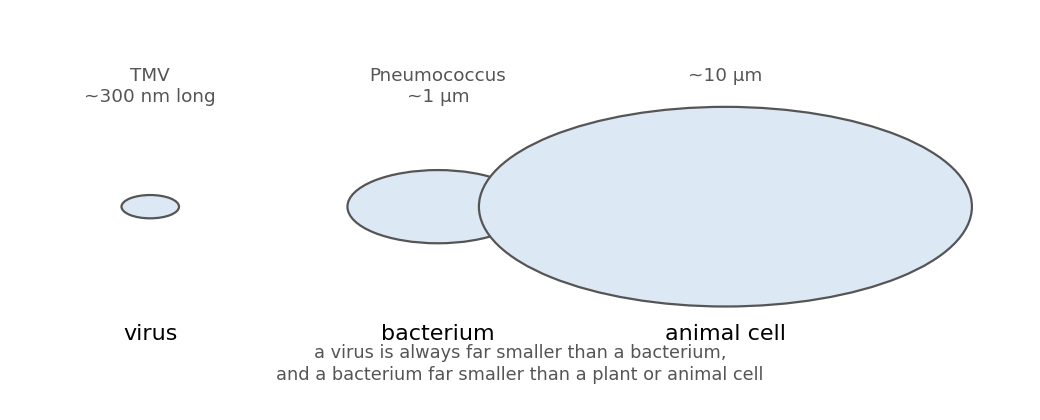
Viruses 病毒 are not living organisms: they are small particles (smaller than bacteria), parasitic, and can reproduce only inside living cells; they have no cellular structure — just a protein coat 蛋白质外壳 containing one type of nucleic acid, DNA or RNA (never both). Learn the three named examples with their diseases: tobacco mosaic virus 烟草花叶病毒 (discoloured tobacco leaves — it stops chloroplasts forming), influenza virus 流感病毒 (flu) and HIV 艾滋病毒 (AIDS).
Check yourself
List the eight characteristics shared by all living organisms.
Give two features of a plant cell that an animal cell lacks.
Which group stores carbohydrate as glycogen, and which as starch?
Describe saprotrophic nutrition in fungi, using the words hyphae, enzymes and absorb.
How does the genetic material of a bacterium differ from that of a plant cell?
Name the pathogenic protoctist and the disease it causes.
State three reasons why viruses are not classified as living organisms.
Which named virus prevents chloroplast formation, and what is the visible result?
Answers: 1 nutrition, respiration, excretion, response, movement, control of internal conditions, reproduction, growth; 2 chloroplasts and a cellulose cell wall; 3 animals and fungi store glycogen; plants store starch (or sucrose); 4 fungi secrete digestive enzymes from their hyphae onto dead food material, then absorb the soluble organic products; 5 a bacterium has no nucleus — circular DNA chromosome plus plasmids — while a plant cell keeps its DNA in a nucleus; 6 Plasmodium — malaria; 7 no cellular structure; reproduce only inside living cells; no life processes alone; 8 tobacco mosaic virus — discoloured, mosaic-patterned leaves.
One cell became many; many cells became tissues, organs and systems; and every system serves the same three jobs — taking in what the body needs, moving it to where it is used, and removing what the body must not keep. This section is the core of IGCSE Biology: cells and molecules, how substances cross membranes, nutrition in plants and humans, respiration, gas exchange, transport, excretion and coordination.
Edexcel International GCSE Biology 4BI1, Section 2 (statements 2.1–2.95) is the largest section of the course and feeds every long question on both papers. B-suffixed statements are the separate-science (Biology-only) extension; double-award students learn the unlettered core.
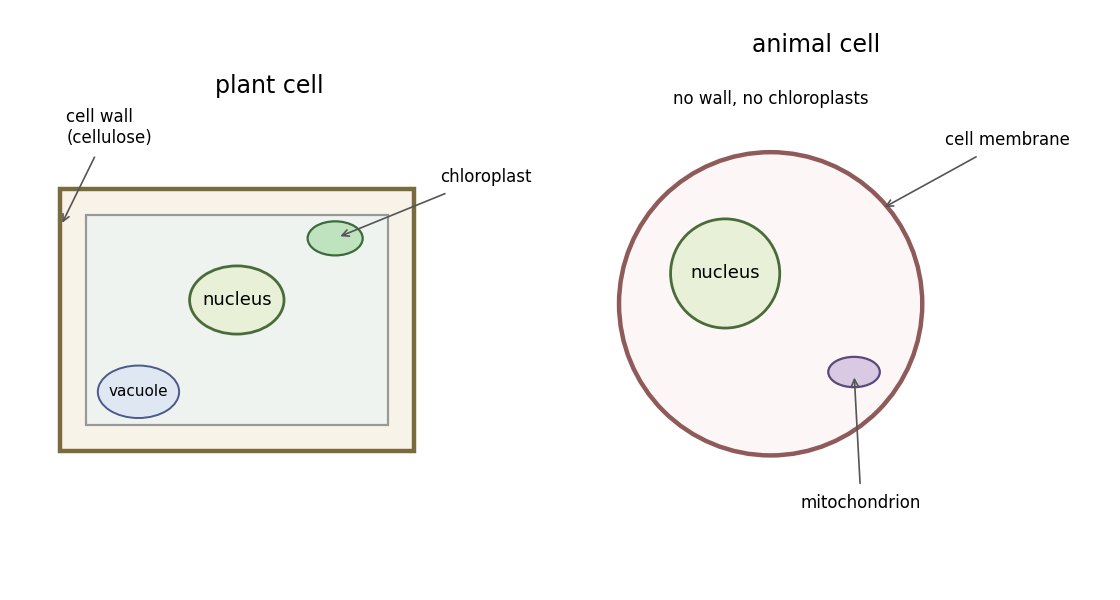
stores water and dissolved substances (large and permanent in plants)
2.5B Specialised cells develop by cell differentiation 细胞分化; 2.6B stem cells can replace damaged cells — advantages: treat conditions like paralysis or leukaemia; disadvantages: ethical concerns over embryos, risk of rejection and uncontrolled division.
Biological molecules and enzymes
Carbohydrates contain C, H, O; proteins add N; lipids are C, H, O with much less oxygen. Large molecules are chains of small units: starch and glycogen from simple sugars, protein from amino acids, lipid from fatty acids and glycerol. 2.9 Food tests: glucose — Benedict's (heated, blue → brick red); starch — iodine (yellow-brown → blue-black); protein — Biuret (blue → purple); fat — ethanol emulsion (cloudy white layer).
Enzymes 酶 are biological catalysts 生物催化剂: they speed metabolic reactions without being used up. Each has an active site 活性部位 the substrate must fit. Above an optimum temperature or away from the optimum pH, the active site changes shape (denaturation 变性) and the enzyme no longer works. Practical 2.12/2.14B follow amylase digesting starch at different temperatures or pH with iodine.
Movement into and out of cells
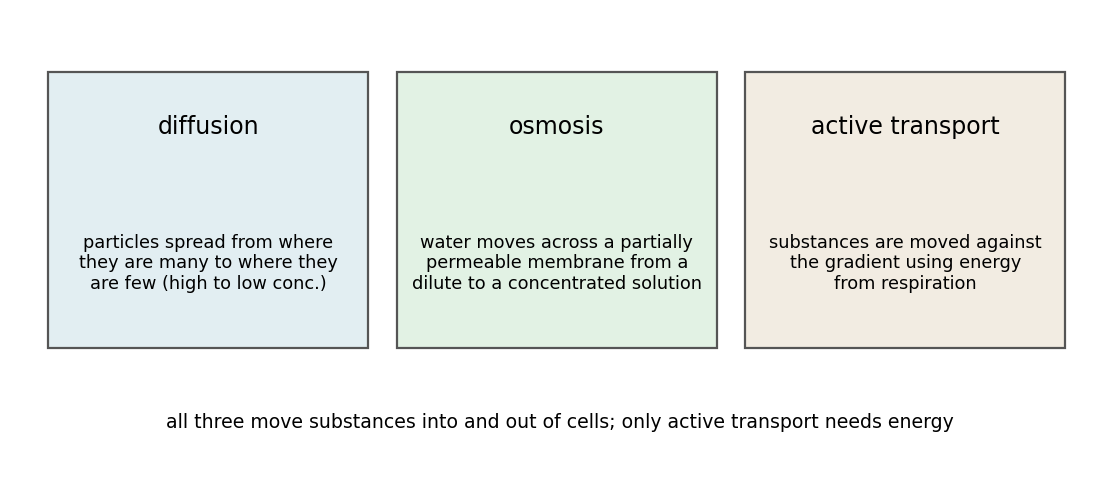
Diffusion 扩散 is the net movement of particles from a higher to a lower concentration (oxygen into blood). Osmosis 渗透 is the diffusion of water across a partially permeable membrane from a dilute to a more concentrated solution. Active transport 主动运输 moves substances against the gradient using energy from respiration (mineral ions into root hair cells). Rate increases with surface-area-to-volume ratio, concentration gradient and temperature, and decreases with distance.
Nutrition
Flowering plants. Photosynthesis converts light energy into chemical energy stored in glucose:
Limiting factors: carbon dioxide concentration, light intensity, temperature — each raises rate until another factor limits. Magnesium ions build chlorophyll (deficiency yellows leaves); nitrate ions build amino acids. 2.23: pondweed shows oxygen evolution; iodine tests a leaf for starch after blocking light, CO₂ or chlorophyll.
Humans. A balanced diet: carbohydrate, protein, lipid, vitamins A (night vision), C (connective tissue), D (calcium absorption), calcium (bones) and iron (haemoglobin), water, and dietary fibre. Energy needs rise with activity, growth (age) and pregnancy. The alimentary canal — mouth → oesophagus → stomach → duodenum and ileum → colon and rectum, with the pancreas supplying enzymes — moves food by peristalsis 蠕动. Digestion: amylase and maltase (starch → glucose), proteases (protein → amino acids), lipases (lipid → fatty acids + glycerol). Bile (made in the liver, stored in the gall bladder) neutralises stomach acid and emulsifies lipids into droplets. The ileum's wall is folded into villi 绒毛: huge surface area, one-cell-thick walls, dense capillary network — built for absorption.
Respiration and gas exchange
Respiration releases energy from glucose to make ATP, which supplies energy for muscle contraction, protein synthesis and active transport. Aerobic: glucose + oxygen → carbon dioxide + water (symbol equation: C₆H₁₂O₆ + 6O₂ → 6CO₂ + 6H₂O). Anaerobic (without oxygen): in animals glucose → lactic acid (less energy, oxygen debt); in plants and yeast glucose → ethanol + carbon dioxide.
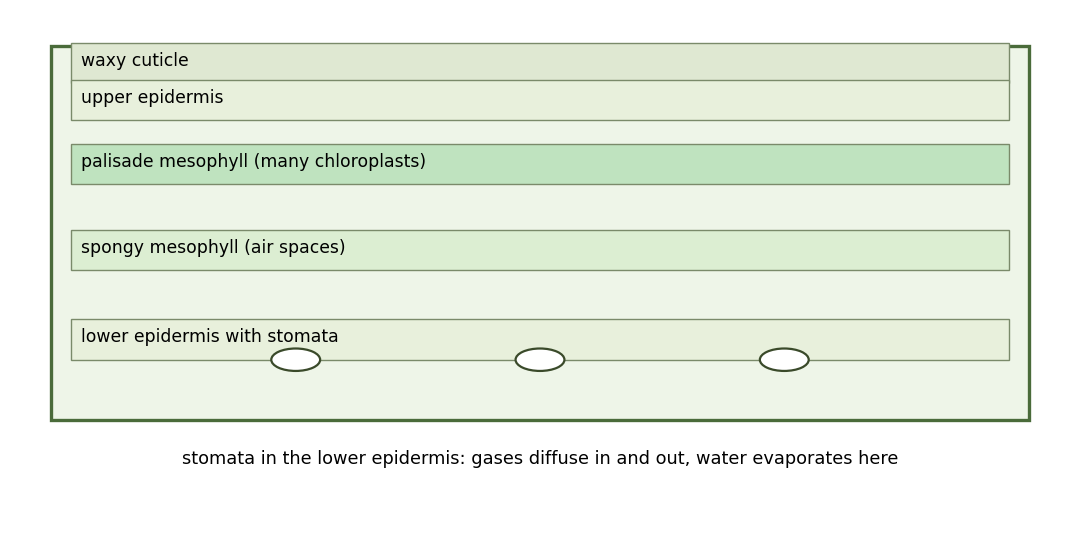
Plants (2.40B–2.45B). Gases move by diffusion through stomata; the leaf's flat shape, air spaces and thin, moist surfaces serve gas exchange as they serve photosynthesis. By day, photosynthesis outweighs respiration, so the net exchange is CO₂ in and O₂ out; at night only respiration continues (net O₂ in, CO₂ out). Hydrogen-carbonate indicator shows this: orange → yellow with CO₂ (dark), orange → purple with less CO₂ (bright light).
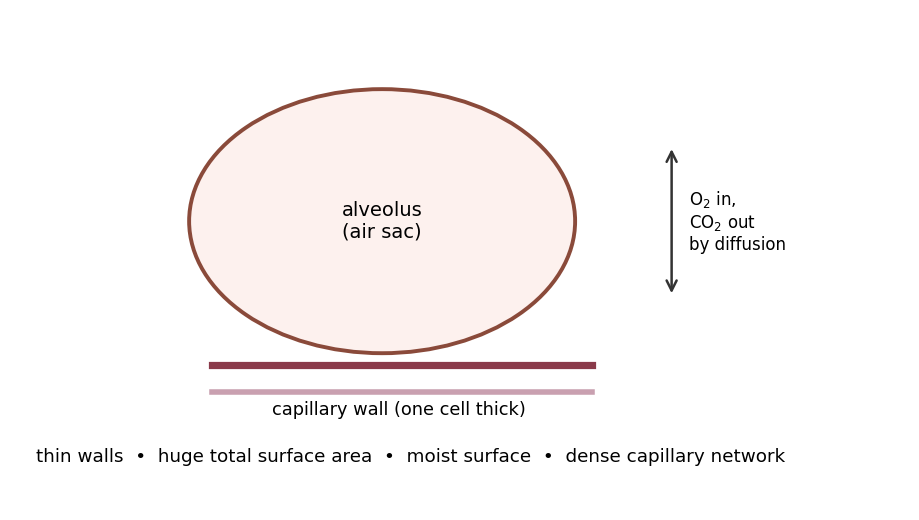
Humans (2.46–2.50). The thorax: ribs, intercostal muscles, diaphragm, trachea → bronchi → bronchioles → alveoli, all in pleural membranes. Inhaling: intercostal muscles and diaphragm contract, the chest volume rises, pressure falls and air flows in. Smoking damages alveoli (emphysema), clogs arteries and raises coronary heart disease risk.
Transport
Unicellular organisms manage with diffusion alone — every part is close to the surface. Multicellular organisms need transport systems.
Plants.Xylem transports water and mineral ions from roots to leaves; phloem carries sucrose and amino acids between leaves and the rest of the plant. B-extension: root hair cells absorb water by osmosis; transpiration 蒸腾作用 is the evaporation of water from surfaces, mostly via stomata, faster in low humidity, high wind, high temperature and bright light.
Humans. Blood: plasma (carries CO₂, digested food, urea, hormones, heat), red blood cells (biconcave discs, no nucleus, full of haemoglobin 血红蛋白 — a large surface and short diffusion path for oxygen), white blood cells (phagocytes ingest pathogens; lymphocytes release specific antibodies), and platelets (clotting, B-extension; vaccination builds memory cells, B-extension).
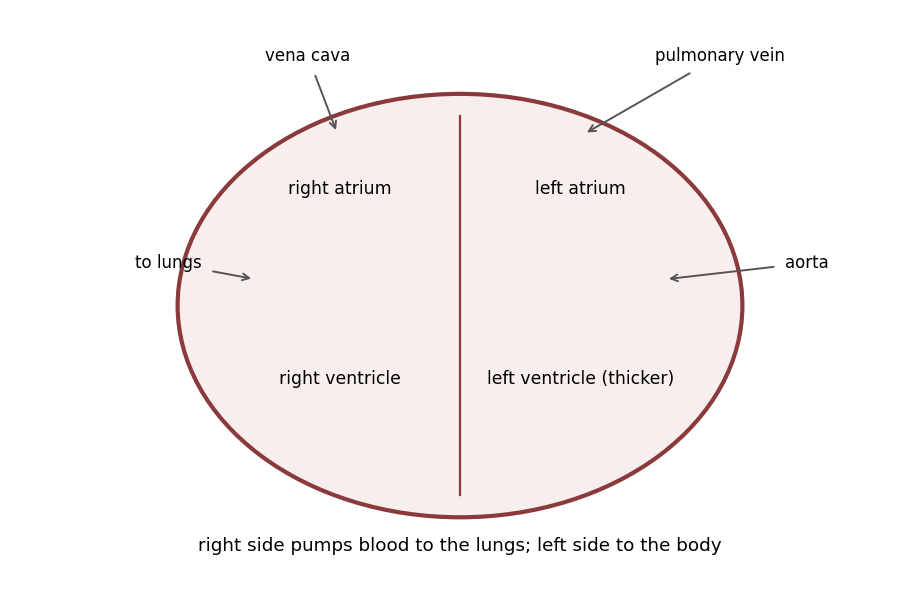
The heart's right side pumps blood to the lungs, the left side to the body; exercise and adrenaline raise heart rate. Arteries carry blood away at high pressure (thick, elastic walls), veins return it at low pressure (wide lumen, valves), capillaries exchange materials (one-cell-thick walls). Risk factors for coronary heart disease include smoking, high-fat diet and lack of exercise.
Excretion
Plants lose waste O₂ and CO₂ through stomata. Humans excrete CO₂ (lungs), urea + water + ions (kidneys — water and urea also in sweat). B-extension: the kidney filters blood in nephrons (Bowman's capsule → glomerulus; ultrafiltration; selective reabsorption of all glucose at the proximal convoluted tubule; water reabsorbed from the collecting duct under ADH — osmoregulation). Urine holds water, urea and ions; the urinary system runs kidneys → ureters → bladder → urethra.
Coordination and response
Homeostasis 稳态 keeps the internal environment constant (water content, temperature). A coordinated response needs stimulus → receptor → effector. Plants respond to light (phototropism 向光性) and gravity (geotropism) — shoots grow towards light, roots downwards — controlled by auxin 生长素 accumulating on the shaded side of a shoot.
Nervous control is electrical, fast and short-lived; hormonal control is chemical in the blood, slower and longer-lasting. The CNS (brain and spinal cord) links to sense organs by nerves; at a synapse 突触 a neurotransmitter 神经递质 passes the signal between neurones.
The eye focuses by changing lens shape (near: more curved) and responds to light via the pupil. Skin temperature control: sweating cools by evaporation; vasodilation loses heat; vasoconstriction conserves it. Hormones: adrenaline (adrenal glands — fight or flight), insulin (pancreas — lowers blood glucose), testosterone (testes), progesterone and oestrogen (ovaries); B-extension adds ADH (pituitary), FSH and LH (pituitary — menstrual cycle).
Check yourself
Put in order of size: cell, organ, organelle, system, tissue.
Give two structures a plant cell has that an animal cell lacks, and one the animal cell has that most plant cells lack many of.
Name the small units that build proteins, starch and lipids.
State the colour changes for Benedict's, iodine and Biuret tests.
Why does heating an enzyme far above its optimum stop it working?
Distinguish diffusion, osmosis and active transport in one sentence each.
Write the balanced symbol equation for photosynthesis and for aerobic respiration.
Give two adaptations of the leaf for photosynthesis and two of the alveolus for gas exchange.
Why can a single-celled organism survive without a transport system?
Compare arteries, veins and capillaries by wall thickness, lumen size and function.
Outline what happens to glucose, water and urea as liquid passes along a nephron (B).
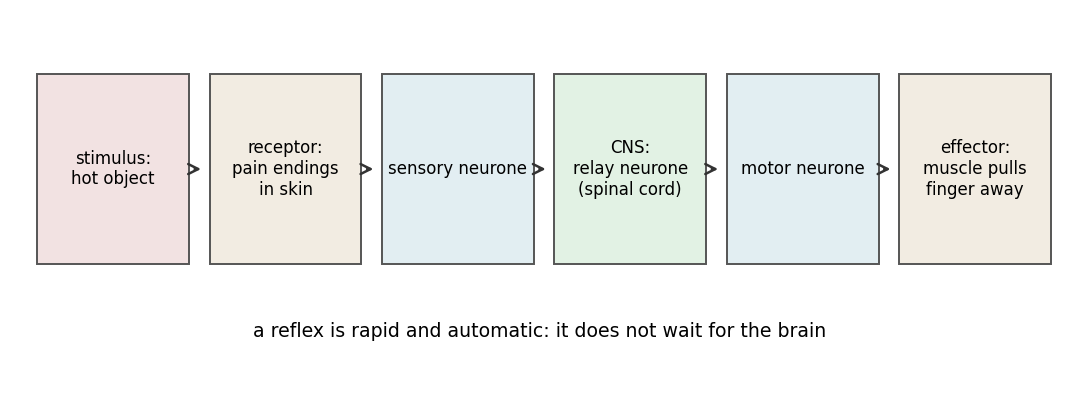
State the pathway of a reflex arc, and give one advantage of reflexes.
Answers: 1 organelle → cell → tissue → organ → system; 2 cellulose wall and chloroplasts (and a large permanent vacuole); animal cells contain many mitochondria; 3 amino acids; simple sugars; fatty acids and glycerol; 4 Benedict's blue → brick red (with glucose, heated); iodine yellow-brown → blue-black (with starch); Biuret blue → purple (with protein); 5 the active site changes shape (denaturation) so the substrate no longer fits; 6 diffusion — net movement down a concentration gradient; osmosis — water only, across a partially permeable membrane; active transport — against the gradient, using energy; 7 6CO₂ + 6H₂O → C₆H₁₂O₆ + 6O₂ (light, chlorophyll); C₆H₁₂O₆ + 6O₂ → 6CO₂ + 6H₂O; 8 leaf: broad flat surface and palisade cells packed with chloroplasts (or air spaces/stomata); alveolus: one-cell-thin walls and enormous surface area (moist surface, capillary network); 9 its surface area is large compared with its volume, so diffusion reaches every part quickly enough; 10 arteries — thick muscular walls, narrow lumen, carry blood away at high pressure; veins — thin walls, wide lumen, valves, return blood at low pressure; capillaries — one-cell-thick walls, exchange materials; 11 (B) all glucose is selectively reabsorbed into the blood at the proximal convoluted tubule; water is reabsorbed from the collecting duct (controlled by ADH); urea is not reabsorbed and leaves in the urine with water and ions; 12 stimulus → receptor → sensory neurone → relay neurone (CNS) → motor neurone → effector; reflexes are rapid and automatic, protecting the body before harm is done.
Every living thing gets one chance to pass its genes on. Flowers do it with petals and pollen, humans with gametes and cycles of hormones — and the packets of information that pass are chromosomes, shuffled by meiosis and recombined at fertilisation. This section runs from flower structure to monohybrid crosses, from Darwin's finches to antibiotic-resistant bacteria.
Edexcel International GCSE Biology 4BI1, Section 3 (statements 3.1–3.39) is the genetics and reproduction section. Crosses and pedigrees carry reliable marks for students who lay out a genetic diagram properly.
Reproduction
Sexual reproduction needs two gametes; the offspring are genetically different. Asexual reproduction needs one parent; the offspring are genetically identical clones.
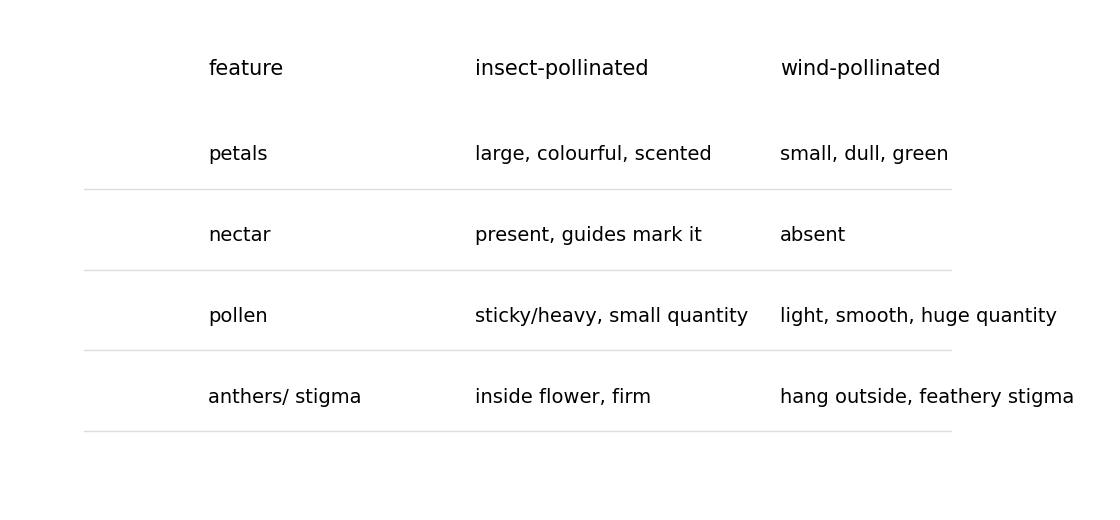
Flowering plants. Insect-pollinated flowers have large colourful petals, scent and nectar; wind-pollinated flowers are small and green, with light smooth pollen in huge quantities, anthers hanging outside and feathery stigmas.
After pollination 传粉 the pollen grain grows a pollen tube 花粉管 down the style; fertilisation 受精 follows, and the ovule becomes the seed while the ovary becomes the fruit. Germinating seeds live on their stored food reserves until the seedling can photosynthesise. Plants reproduce asexually by runners and artificially by cuttings.
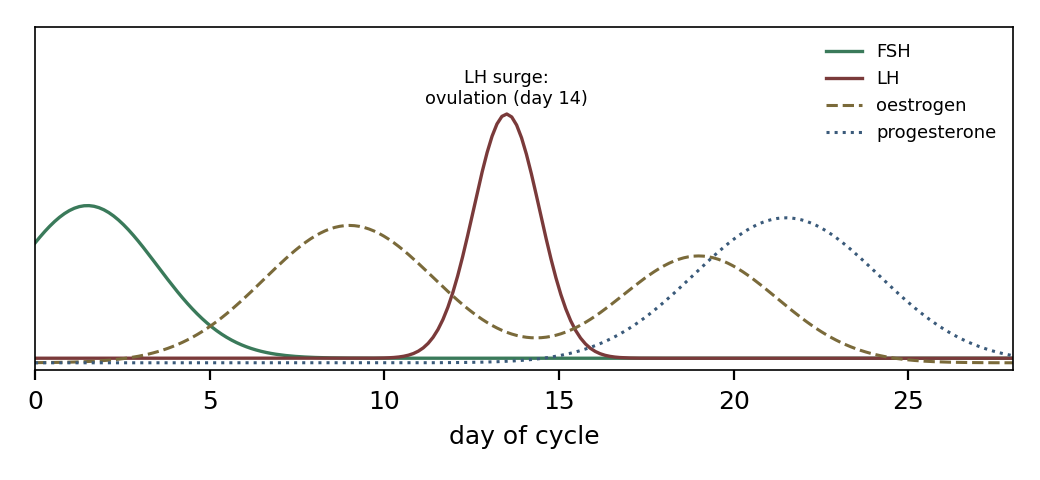
Humans. The menstrual cycle: FSH 促卵泡激素 matures an egg in the ovary; the mature follicle releases oestrogen 雌激素, which thickens the uterus lining and triggers the LH surge that causes ovulation at about day 14; the empty follicle becomes a corpus luteum releasing progesterone 孕酮, holding the lining thick until day 28, when the falling hormone levels bring menstruation (B: FSH and LH from the pituitary).
The placenta supplies the embryo with oxygen and nutrients and removes waste; amniotic fluid protects it. Oestrogen and testosterone 睾酮 drive the development of secondary sexual characteristics.
Inheritance
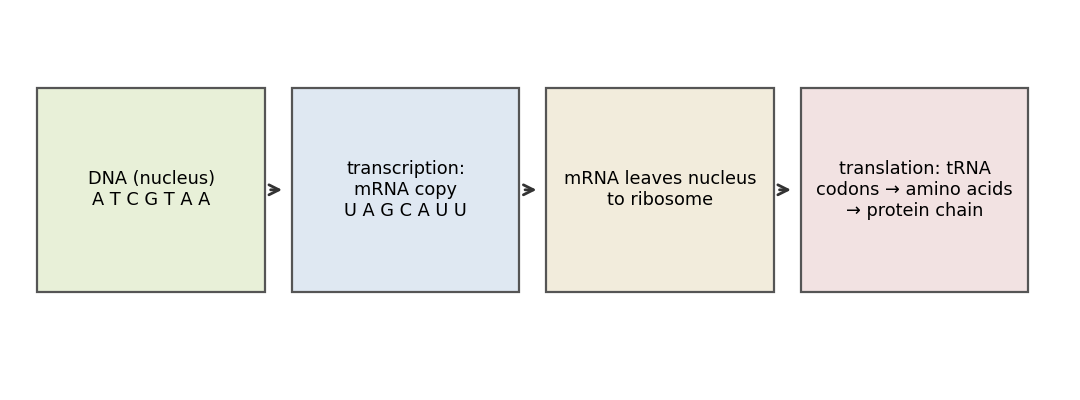
The genome 基因组 is all an organism's DNA; a gene is a section of a DNA molecule coding for one protein. Genes sit on chromosomes in the nucleus. (B) DNA is a double helix 双螺旋 with paired bases — A–T and C–G; RNA is single-stranded with U replacing T. (B) Protein synthesis: transcription 转录 copies the gene to mRNA in the nucleus; translation 翻译 at the ribosome reads codons 密码子, each matched by a tRNA anticodon carrying its amino acid, building the chain.
Alleles 等位基因 are alternative forms of a gene. Vocabulary: dominant 显性 (shows if one copy present), recessive 隐性 (needs two), homozygous 纯合, heterozygous 杂合, genotype 基因型, phenotype 表型; (B) codominance 共显性 — both alleles expressed. Most features are polygenic, not single-gene.
A monohybrid cross, laid out to earn its marks: parents' genotypes → gametes → Punnett grid → phenotype ratio.
Worked check. Cystic fibrosis (cf, recessive): both parents heterozygous Cc × Cc. Gametes C or c. Offspring CC, Cc, Cc, cc — 3 unaffected : 1 affected; a 1-in-4 chance per child, the same chance every child.
Sex determination: XX female, XY male. Mother always gives X; father gives X or Y — a genetic diagram of X×X, X×Y gametes gives 1:1 female:male, and the father's gamete decides the sex.
Mitosis 有丝分裂 makes two cells with identical chromosomes — growth, repair, cloning, asexual reproduction. Meiosis 减数分裂 makes four genetically different haploid 单倍体 gametes (human diploid 46 → haploid 23), and random fertilisation of any sperm with any egg creates further variation.
Variation can be genetic, environmental, or both. Mutation 突变 is a rare, random change in DNA that can be inherited — mostly harmless, occasionally significant (B: a changed base can alter one amino acid and the protein's shape); ionising radiation and chemical mutagens such as tobacco chemicals raise mutation rates.
Evolution
Darwin's natural selection 自然选择, step by step: organisms produce more offspring than survive; variation exists within a species; those with characteristics best suited to the environment survive and reproduce, passing the alleles on; over generations the advantageous characteristic becomes more common.
Antibiotic resistance is selection in action: a random mutation makes one bacterium resistant; antibiotics kill the non-resistant majority; the resistant bacterium survives and reproduces — completing courses of antibiotics and avoiding overuse slows the spread, and resistant infections become hard to control.
Check yourself
Give two differences between sexual and asexual reproduction.
State two adaptations of a wind-pollinated flower.
What happens after the pollen tube reaches the ovule?
Which hormone surges at day 14, and what does it cause?
Define gene, allele and genome.
(B) Name the base that replaces thymine in RNA, and where translation happens.
Cross Cc × cc and give the phenotype ratio.
Why does the father's gamete determine the sex of a child?
Give two differences between mitosis and meiosis.
Explain antibiotic resistance by natural selection in three steps.
Answers: 1 sexual — two parents, genetically different offspring; asexual — one parent, genetically identical offspring; 2 light smooth pollen in large quantity; anthers hanging outside the flower with a feathery stigma (small dull petals, no nectar); 3 the male gamete fuses with the ovule's egg cell — fertilisation; the ovule becomes a seed and the ovary a fruit; 4 LH — ovulation (release of the egg); 5 gene — a DNA section coding for one protein; allele — an alternative form of a gene; genome — all the organism's DNA; 6 (B) uracil; at a ribosome; 7 gametes C, c and c, c → Cc, Cc, cc, cc — 1 unaffected : 1 affected; 8 the mother's egg always carries X; the sperm carries X or Y, so XX (female) or XY (male) depends on the sperm; 9 mitosis — two cells, identical, same (diploid) chromosome number, for growth/repair/asexual reproduction; meiosis — four cells, genetically different, half the number (haploid), for gametes; 10 a mutation gives one bacterium resistance; the antibiotic kills the non-resistant bacteria; the resistant one survives and reproduces, so resistance spreads.
A pond holds more than water: populations that feed each other, cycle carbon and nitrogen, and respond — sometimes catastrophically — to what humans add. Ecology asks four questions: who lives here (population, community, habitat, ecosystem), who eats whom (food chains, webs, pyramids), what goes round (the carbon and nitrogen cycles), and what we are doing to it (pollution, greenhouse gases, eutrophication, deforestation).
Edexcel International GCSE Biology 4BI1, Section 4 (statements 4.1–4.18B) rewards precise definitions and the carbon cycle drawn from memory.
The organism in the environment
A population 种群 is all the organisms of one species in a habitat; a community 群落 is all the populations in that habitat; a habitat 栖息地 is the place; an ecosystem 生态系统 is the community plus its non-living surroundings. Population size is set by abiotic 非生物 factors (light, water, temperature) and biotic 生物 factors (food, predators, disease, competition). Quadrat practicals estimate population size (mean per quadrat × total area ÷ quadrat area), and (B) quadrats along a transect show distribution and biodiversity 生物多样性.
Feeding relationships
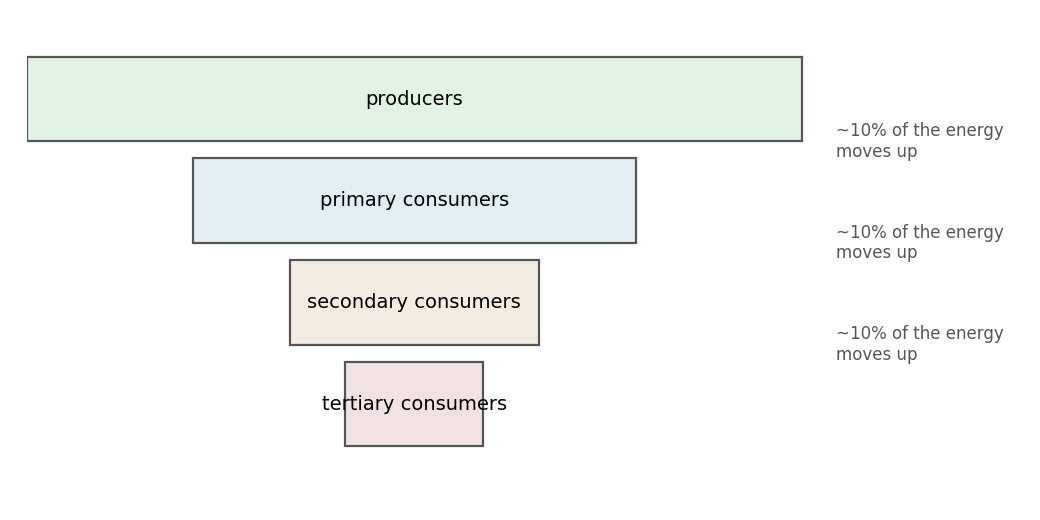
Producers 生产者 (plants) capture light energy; primary consumers 初级消费者 eat producers; secondary and tertiary consumers follow; decomposers 分解者 break down dead material. Arrows in a food chain point from eaten to eater — the direction energy flows. Pyramids of number can invert (one tree, many insects), but pyramids of biomass and of energy transfer always narrow upward — because only about 10 % of the energy at one level passes to the next: the rest is lost in respiration, movement and excretion, and as heat.
Cycles within ecosystems
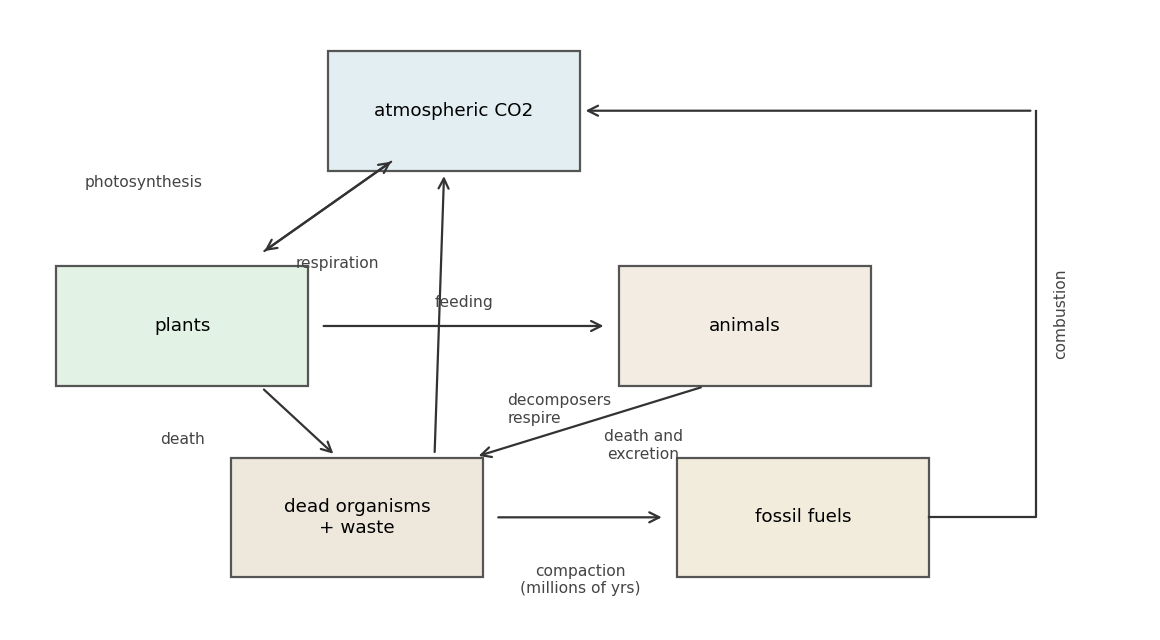
Carbon: photosynthesis removes CO₂ from the air; feeding passes carbon along chains; respiration 呼吸 (all organisms) and decomposition 分解 return it; combustion 燃烧 of fossil fuels releases carbon stored for millions of years.
(B) Nitrogen: nitrogen-fixing bacteria make nitrogen compounds from atmospheric N₂; decomposers break dead matter into ammonia; nitrifying bacteria convert ammonia to nitrates plants absorb; denitrifying bacteria return nitrogen to the air.
Human influences
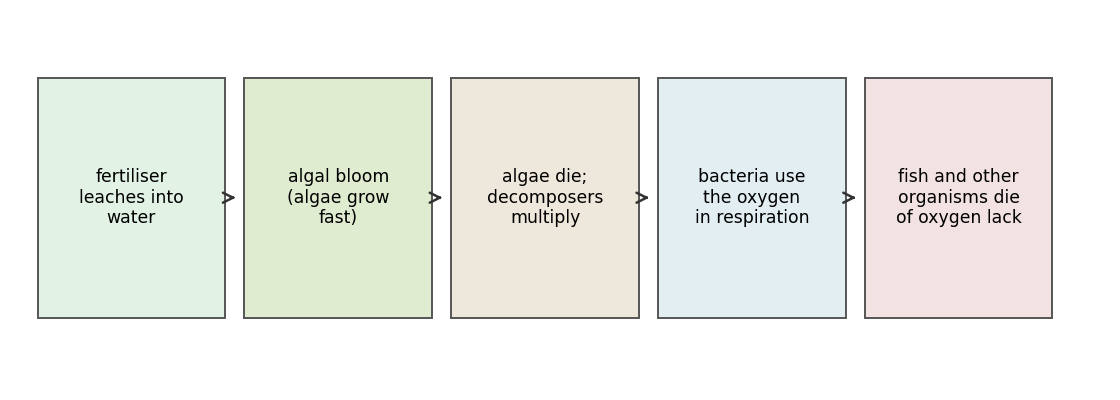
Air pollution: sulfur dioxide dissolves in rain to form acid rain (damages leaves, lakes, buildings); carbon monoxide binds haemoglobin, cutting the oxygen blood can carry. Greenhouse gases 温室气体 — water vapour, carbon dioxide, nitrous oxide, methane and CFCs — trap outgoing radiation; burning fossil fuels, deforestation, agriculture and industry add them, thickening the blanket (the enhanced greenhouse effect), bringing global warming with rising sea levels and shifting climates. Sewage in water feeds microbes that consume oxygen. Eutrophication 富营养化: fertiliser leaches into water, algae bloom, die, and decomposers strip the oxygen — fish suffocate.
(B) Deforestation removes roots and canopy: rain leaches soil minerals away, soil erodes, evapotranspiration falls (less cloud and rain), and stored carbon returns to the air, unbalancing atmospheric gases.
Check yourself
Define population, community, habitat and ecosystem.
Why can a pyramid of number be inverted when a biomass pyramid cannot?
Explain why only about 10 % of energy passes between trophic levels.
Name the four processes of the carbon cycle.
(B) Which bacteria convert ammonia to nitrates, and which return nitrogen to the air?
Why does carbon monoxide kill?
Name the five greenhouse gases.
Describe the eutrophication sequence in four steps.
(B) Give two consequences of deforestation for the carbon cycle and two for the soil.
Answers: 1 population — all organisms of one species in a habitat; community — all populations in a habitat; habitat — the place where organisms live; ecosystem — community plus its environment; 2 number counts individuals — one huge tree can feed many insects, inverting the shape — while biomass measures total mass, which always falls with each level; 3 energy is lost at each step through respiration (heat), movement, and egestion/excretion of uneaten parts; 4 photosynthesis, respiration, decomposition, combustion; 5 (B) nitrifying bacteria; denitrifying bacteria; 6 it binds to haemoglobin more strongly than oxygen, so blood carries less oxygen to tissues; 7 water vapour, carbon dioxide, nitrous oxide, methane, CFCs; 8 fertiliser runs into water → algal bloom → algae die and decomposers multiply → decomposers respire, using the oxygen, so fish and other organisms die; 9 (B) carbon: fewer trees photosynthesise, and burning/combaction releases stored carbon; soil: leaching of minerals and erosion without roots, with less evapotranspiration.
Bread rises, yoghurt thickens, insulin saves lives — all products of organisms put to work. This last section covers how humans increase yields (glasshouses, fertiliser, pest control), grow micro-organisms at scale (fermenters), and change organisms deliberately: selective breeding, genetic modification and cloning.
Edexcel International GCSE Biology 4BI1, Section 5 (statements 5.1–5.20B) completes the course. The B-suffixed statements (fish farming, micropropagation, mammal cloning) are Biology-only.
Food production
Crop plants.Glasshouses and polythene tunnels trap heat and shelter crops, letting farmers control light, temperature, CO₂ and water; raising CO₂ and temperature toward the optimum lifts the photosynthesis rate and yield. Fertilisers replace mineral ions (nitrate for amino acids, magnesium for chlorophyll) the soil loses with each harvest. Pest control: pesticides kill pests quickly and completely but risk bioaccumulation 生物累积, harming other species and leaving residues; biological control 生物防治 (introducing a pest's predator) is self-sustaining and specific but slow and less controllable if the control species itself spreads.
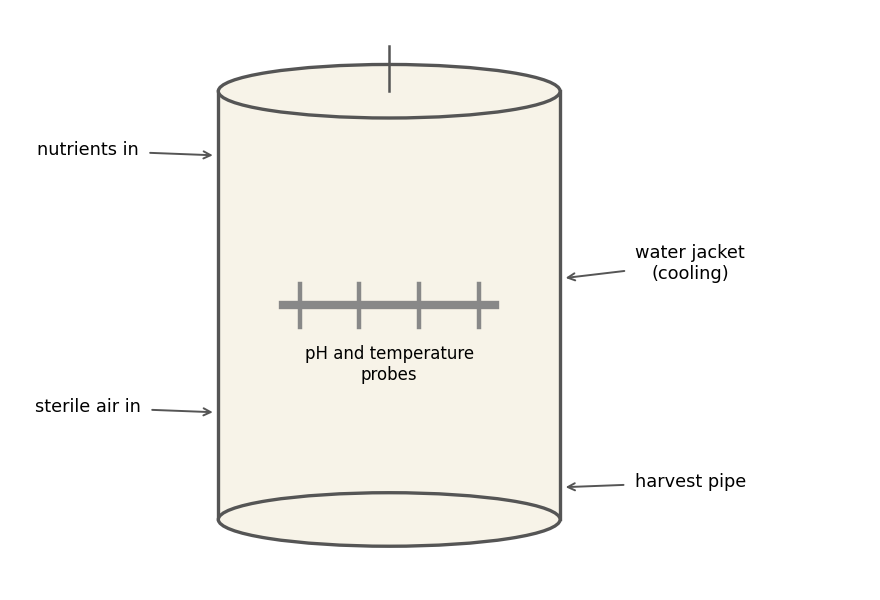
Micro-organisms.Yeast 酵母 ferments sugar: anaerobically it produces carbon dioxide (which raises bread) and ethanol; Lactobacillus converts milk sugar to lactic acid, thickening yoghurt. An industrial fermenter 工业发酵罐 keeps micro-organisms at their optimum: aseptic precautions (no contamination), nutrients, optimum temperature and pH, oxygenation (air supply for aerobic cultures) and agitation (stirring spreads heat and nutrients evenly).
(B) Fish farming provides protein efficiently: maintain water quality, control predation (intraspecific — among the fish — and interspecific), control disease, remove waste, control feeding quality and frequency, and selectively breed fast-growing strains.
Selective breeding
Choose parents with the desired characteristics → breed them → select the best offspring → repeat over generations. It develops plants with higher yield, disease resistance or hardiness, and animals with more meat, milk or docility — but it narrows the gene pool, increasing vulnerability to disease, and takes many generations.
Genetic modification (genetic engineering)
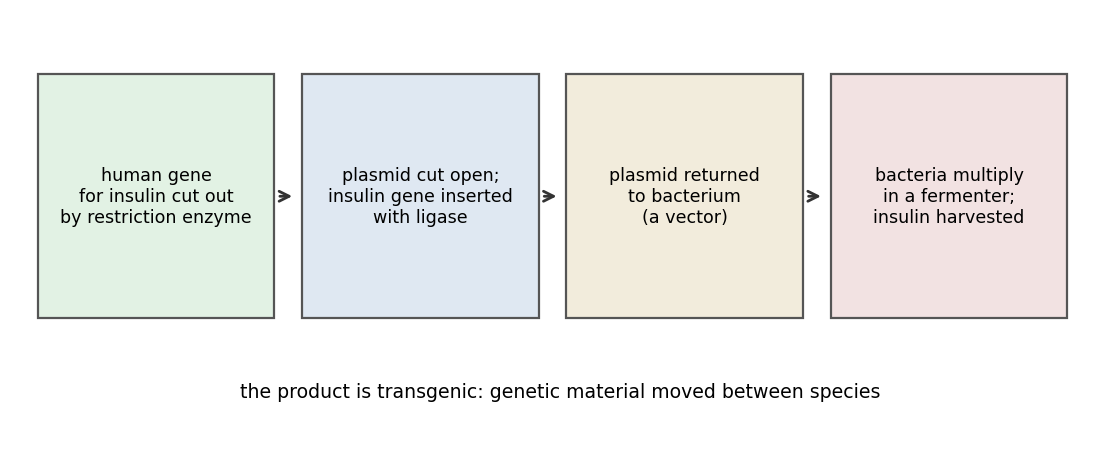
Restriction enzymes 限制性内切酶 cut DNA at specific sites; ligase 连接酶 joins pieces of DNA together. A plasmid 质粒 (or a virus) acts as a vector 载体: the human insulin gene is cut out, inserted into a opened plasmid, and the recombinant DNA is taken up by bacteria, which multiply in a fermenter producing human insulin. GM plants can resist pests or herbicides or make more food. An organism receiving genes from a different species is transgenic 转基因.
Cloning (B)
Micropropagation 微繁殖 (tissue culture): a small explant 外植体 is grown in vitro 体外 on a nutrient medium with growth hormones, producing genetically identical plantlets — commercial quantities of plants with desirable characteristics, disease-free and fast. Mammal cloning: a diploid nucleus from a mature cell is inserted into an enucleated egg cell (its own nucleus removed); the cell divides into an embryo placed in a surrogate — Dolly the sheep. Cloned transgenic animals can produce human proteins in their milk.
Check yourself
Give two ways a glasshouse raises crop yield.
State one advantage and one disadvantage of biological control.
Why does Lactobacillus thicken milk?
List the five conditions a fermenter maintains.
(B) Name two methods of controlling predation in fish farming.
Give two drawbacks of selective breeding.
Name the enzyme that cuts DNA and the one that joins it.
What is a vector in genetic engineering?
Explain why bacteria with the human insulin gene make useful medicine.
(B) Outline the stages of cloning a mammal.
Answers: 1 Traps heat near the optimum; CO₂, light and water controlled (any two); 2 Advantage — self-sustaining, no residues; disadvantage — slow, and the control species may spread; 3 It converts lactose to lactic acid, which coagulates the milk protein; 4 aseptic conditions, nutrients, optimum temperature and pH, oxygenation, agitation; 5 (B) net cages against interspecific predators; lower stocking density against intraspecific; 6 narrows the gene pool, so disease spreads easily; takes many generations.
Answers continued: 7 Restriction enzymes cut; ligase joins; 8 a plasmid or virus carrying recombinant DNA into a cell; 9 they multiply fast in a fermenter, secreting human insulin — safe and producible at scale; 10 (B) Diploid nucleus from a mature cell → enucleated egg → divides into an embryo → implanted in a surrogate.
 Variation can be genetic, environmental, or both. Mutation