コンテンツへスキップ
科目

国際バカロレア · IB Diploma · Language B · HL

全語彙を練習する
  • 1

    生産的技能;5つのテーマ・英語の聴衆、レジスターと目的のある文章作成

    学習プログラム 間もなく公開

    プリント

    対象範囲と前提条件

    IB Language B 最初の評価 2020;英語Bに焦点を当てる。この補足参照資料は、記載された準備成果のみをカバーします。学校の選出、フルガイドの手順、および必要なライブまたは録音パフォーマンスは別個です。

    • 適切なテキストタイプとレジスターを選択する
    • 目的、聴衆、および必要なコンテンツに対応する英語の回答を構成する

    前提条件:明瞭な段落;聴衆;目的;現在および未来の表現。

    説明し、方法を選択する

    提案は通常、必要性、具体的な計画、期待される効果を示します。一方、親しい間柄のメッセージはより個人的なトーンを用いることができます。

    文法と語彙はメッセージを伝えるために用いられるべきであり、暗記した冒頭部では、課題内容の欠如を補うことはできない。

    提案(proposal)は、ニーズ、実用的な計画、期待される利益を特定します。 校長に対する丁寧な推奨には、友好的なメッセージは同僚に対して直接対応できます。 完全な回答は、すべてのタスクヒントを満たす必要があります。単語数は、欠落したコンテンツを補うものではありません。 補足モデルは、カウント済みの最終単語数とヒントチェックリスト付きの独立したSLおよびHLモデルを提供します。
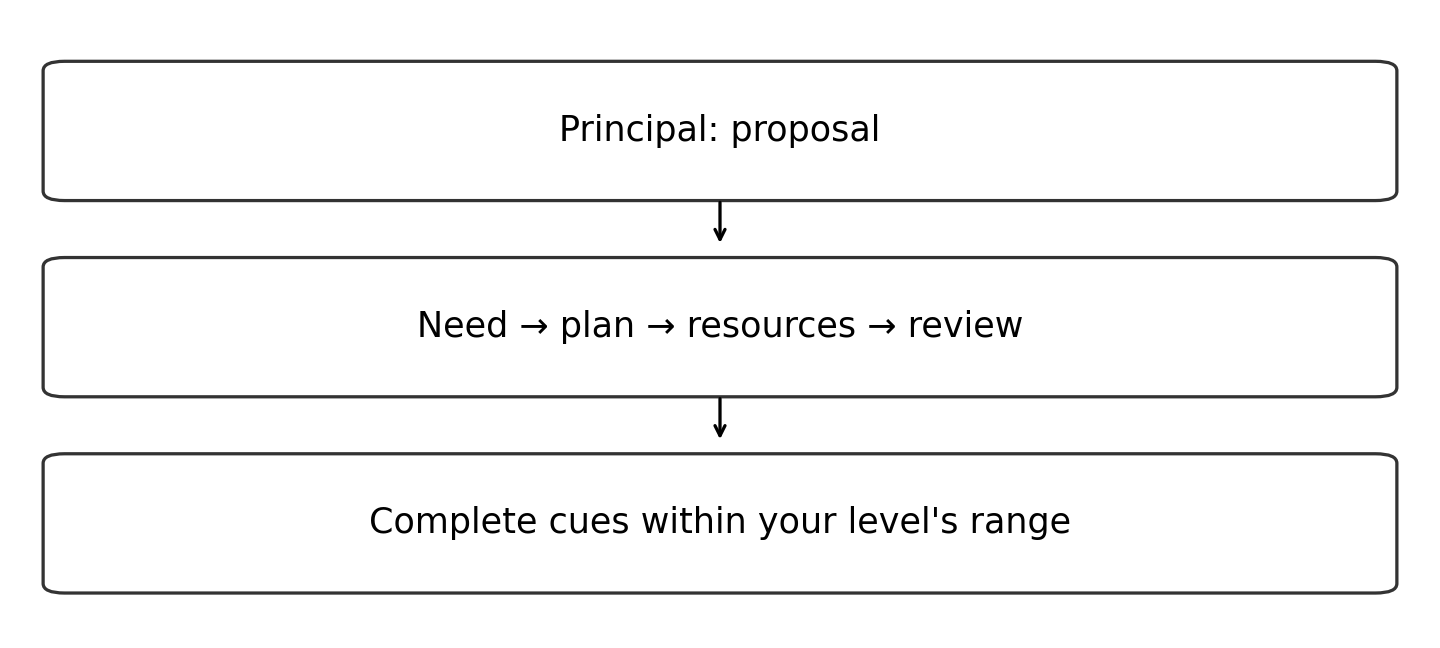
     worked example の関係図(原文);完全な文章と限定事項をお読みください。
    worked example の関係図(原文);完全な文章と限定事項をお読みください。

    既存の解答例:読書クラブに関する提案について、目的、会合のスケジュール、指導体制、および期待される成果を特定してください。丁寧で具体的な推奨事項を使用します。「すぐ良いクラブを作らなければならない」という表現よりも、「指導付きの木曜日の会合とする」方が明確です。

    元の文脈を完成させる

    元の課題:学校長宛てに、週刊「読書と修理クラブ」に関する提案文を書きます。必要性、会合の手配、指導、必要な資源、期待される成果、そして最初の月の成功判定方法を説明してください。実用的な懸念の1つに触れ、明確な決定を求めます。現在のコースレベルに応じた適切な語彙範囲を使用します:SL 250–400;HL 450–600。これは公式な模範問題ではなく、独自の授業実践です。

    Independent practice and checked reasoning

    Transfer 1

    適切なテキストタイプとレジスターを選びます。執筆前に必要なすべての内容計画を立てます。

    推論:タイトル、目的、短いセクション、丁寧な推奨事項を含む提案は、校長に対して適しています。必要性、週ごとの日時場所、指導・資源、成果、初月の振り返り、実用的な懸念への対応、承認を求める記述を含めます。不明瞭な省略語を含むカジュアルな会話調では、このフォーマルな読者には合いません。

    Transfer 2

    自分のレベルの語彙範囲内に完全な回答を書きます。別個のモデルと比較し、開頭部分を暗記するのではなく、手掛かりや関連する詳細を確認します。

    推論:コンパニオンの完全なSLまたはHLモデルを一つの回答例として使用します。代替案も、同じ読者、目的、手配、指導、成果、振り返り、懸念、決定という手掛かりを満たしている必要があります。実際の最終語数と整合性のある言語を確認しますが、教室での指導は公式の評価基準ではありません。

    目的と必要性

    私は、学生が英語の説明を実用的な目的に活用できるようになるよう、週刊「読書と修理クラブ」を提案します。通常の読書授業では、場合によって词汇を特定できるにもかかわらず、実際に指示されたプロセスを実行できるかどうかを確認できないことがあります。このクラブはそのギャップを可視化するものです。学生は、タスクを試みる前に、一連の手順を説明し、警告を認識し、確認を依頼する必要があります。目標は、修理した物体の最大数を追求することではなく、慎重なコミュニケーションです。

    会合の手配

    4時から5時の図書館会議室で、木曜日に1ヶ月間の試験期間を行うことを推奨します。最初のグループは12名以内とし、ペアで活動させます。各会合には教員が指導し、タスク選定時には資格を持つ修理士からの助言を得ます。図書館の受付で参加登録リストを管理できます。オンラインまたは紙での登録が可能であるため、適切な機器の所持や unfamiliar なフォームの理解に依存せずアクセスできます。

    資源と活動

    クラブには、短い説明テキスト、鉛筆、簡単な手工具、予備ネジ、ラベル付き収納箱が必要です。セッション前には、教員がそのタスクがグループに適しており、利用可能な機器も揃っているか確認します。学生は電源入りの家電製品や破損した電池を持ち込んではなりません。専門的な安全検査が必要なアイテムについては、プロに委託します。危険な修理を試みないことは、クラブの失敗ではなく、責任ある判断としてカウントされます。

    一般的な会合は、学生が説明シートを個人で読むことから始めます。ペアで必要な資材と手順の順序を比較します。次に、推測が問題を引き起こす可能性のあるポイントを1つ特定し、正確な質問をする練習を行います。教員が理解度を確認した後にのみ、緩い取っ手のネジ交換などの許可されたタスクを試みます。最後に、学生は変更点、確認できなかった点、次に行うべきことを説明します。

    期待される成果と懸念

    このプロセスは、読書、議論、行動を結びつけます。話すのが苦手な学生は、抽象的なトピックよりも具体的なタスクの方が話しやすいと感じるかもしれません。また、故障点を説明したり、証拠と仮定を区別したりする練習にもなります。これらは、試行を通じて検証すべき期待される成果であり、全参加者に対する保証された改善ではありません。

    指導は主要な実用的な懸念です。活発な会合では、支援が必要な学生の注意が逸れる可能性があります。そのため、小規模グループの制限、1回のセッションあたりの共通タスク、教員が他のペアを補助している間は作業を停止するという明確なルールを設けます。部屋が騒がしい場合や指導が困難な場合は、人数を増やす前にタスクの範囲を縮小すべきです。

    振り返りと決定

    4回の会合後、出席状況、説明の解釈、確認の依頼、教員の指導記録を振り返ります。匿名の短いコメントフォームにより、自信のあるスピーカーが見落としがちな障害が明らかになります。その後、継続、修正、または中止の推奨を行います。図書館司書と指導教員との調整ミーティングと会議室の使用を承認してください。タスクと利用可能な資源が調整会で確定するまで、機器の購入は行わないでください。

    教室モデル:509語。必要と読者の明確化;週刊の手配;指導と資源の詳細;期待される成果の限定;実用的な懸念と対応;4回分の証拠に基づくレビュー;明示的な決定と購買条件。

    Transfer 3

    読者を友人に変え、彼らをクラブに参加させる招待文に書き直します。冒頭の2文を再作成し、レジスターの変更点を説明してください。

    推論:「メイさん、木曜日の新しい読書と修理クラブに参加しませんか?短い説明を一緒に読み、安全な修理方法をいくつか学べますよ。」直接的な呼びかけと友好的な招待は同級生に適しています。時間や活動が明確に示されており、校長への承認を求める形式的な依頼では目的に合いません。

    Limits and next use

    English Bは言語習得であり、Language Aの文学批評ではありません。SLまたはHLの単語数範囲とタスク選択に従い、無関係な暗記フレーズで回答を埋め尽くさないようにしてください。

    All tasks here are public original practice with authored guidance. They are not official questions or fresh diagnostics. Existing protected tests and mocks remain separate.
    English 日本語
    word count 文字数
    evidence/ˈevɪdəns/ 証拠
    proposal/prəˈpəʊzl/ 提案
    register/ˈredʒɪstə/ 語域
    detail/ˈdiːteɪl/ 詳細
  • 2

    受容的技能・英語の聴解と読解の推論

    学習プログラム 間もなく公開

    プリント

    English

    Scope and prerequisites

    IB Language B first assessment 2020; English B focus. This supplemental reference covers only the listed preparation outcomes. School selections, full-guide procedures and required live or recorded performance are separate.

    • Identify stated details, speaker purpose and supported inference 推断
    • Use context to resolve unfamiliar vocabulary and distinguish fact from opinion

    Prerequisites: Stated detail 细节 versus opinion; contrast markers; contextual vocabulary.

    Explain and choose the method

    Read or listen for the whole message before isolating a word. Contrast markers such as but can change the interpretation of a sentence.

    An inference must be supported by the text; plausible outside knowledge is not enough.

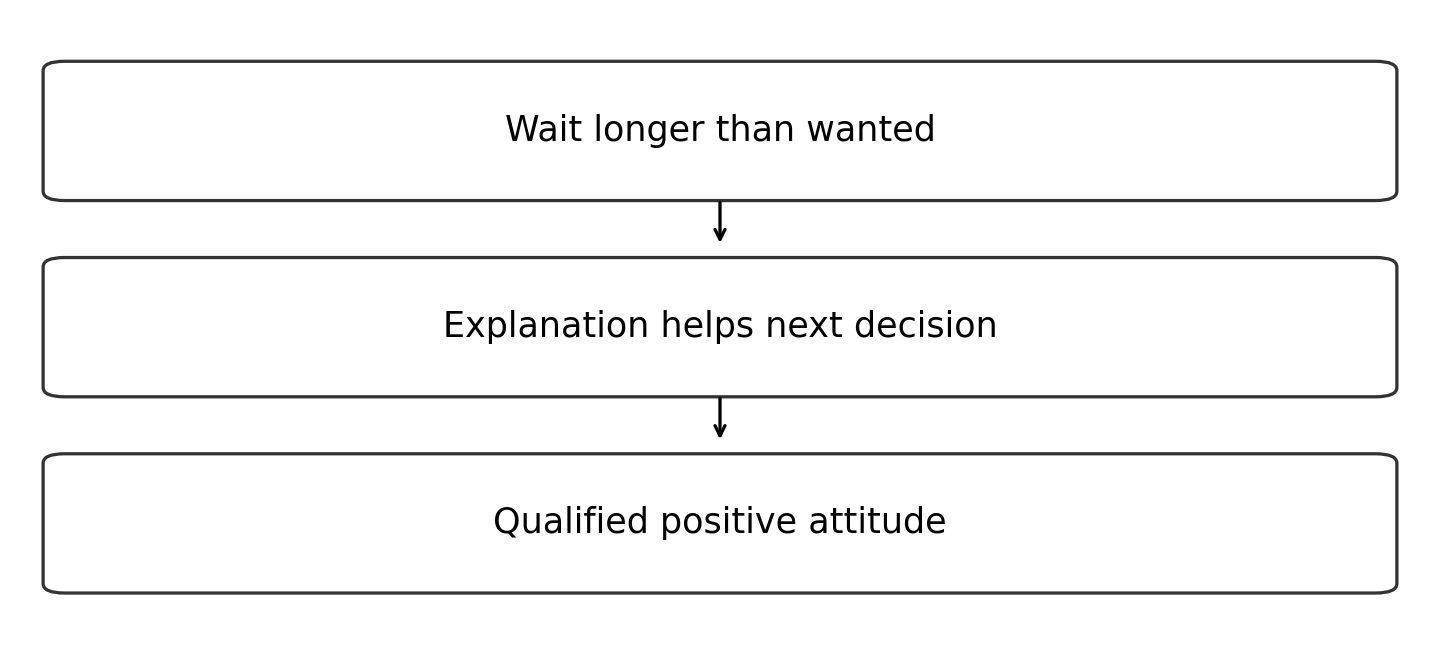
    Read for the whole message before selecting a detail. A contrast marker 转折标记 can qualify a positive evaluation. Teacher-read rehearsal 排练 教师朗读演练 : close the script while a teacher reads it twice. Then answer from listening before inspecting the transcript. This provides a complete script, but no verified recording or listening-delivery claim.

    Original diagram of the worked relationship; read the full wording and qualifications.
    Original diagram of the worked relationship; read the full wording and qualifications.

    Existing worked example: Longer than expected signals an inconvenience. Made it worthwhile then gives a positive overall evaluation of the view. A suitable answer preserves both parts rather than selecting only the negative clause.

    Complete original context

    Original teacher-read script — Sana's library visit: “I expected the new repair session to be noisy, but the meeting room was calmer than I imagined. I took a battery-powered clock, not my old electric kettle, because the notice excluded mains-powered items. A volunteer checked the clock while I stayed at the table. She found a loose part, but could not promise that replacing it would solve every problem. I thought her explanation was reassuring: it helped me understand what to do next. I waited twenty minutes, which was longer than I wanted. Even so, I would attend again because I learned how to describe the fault clearly. Next month I plan to book an earlier arrival window.”

    Independent practice and checked reasoning

    Transfer 1

    What did Sana bring, why did she not bring the kettle, and how long did she wait?

    Reasoning: A battery-powered clock; the notice excluded mains-powered items such as the kettle; twenty minutes. The script does not say the kettle was repaired or that the wait was short.

    Transfer 2

    Explain reassuring in context and distinguish two stated observations from Sana's opinions.

    Reasoning: Reassuring means reducing concern by clarifying the next step; the following explanation supplies the clue. Bringing the clock and waiting twenty minutes are reported events. Calling the explanation reassuring and wanting a shorter wait are personal evaluations. The calmer room is Sana's comparison with her expectation, not a measured noise study.

    Transfer 3

    State Sana's overall attitude, preserving both positive and negative evidence 证据. What can typed answers certify about listening or pronunciation?

    Reasoning: Qualified positive: the wait was unwelcome, but the explanation and learning make another visit worthwhile. She plans to book earlier. Typed answers can show textual understanding; they do not certify that the learner heard the audio unaided or performed pronunciation. Recording and delivery remain pending.

    Limits and next use

    A transcript is useful for analysis but does not replace listening practice with real audio. This package needs school-recorded or licensed listening material before receptive-skill parity can be claimed.

    All tasks here are public original practice with authored guidance. They are not official questions or fresh diagnostics. Existing protected tests and mocks remain separate.
    English 日本語
    teacher-read rehearsal 教師読み上げリハーサル
    contrast marker/ˈkɒntræst ˈmɑːkə/ 対比マーカー
    inference/ˈɪnfərəns/ 推論
    rehearsal/rɪˈhɜːsl/ リハーサル
    evidence/ˈevɪdəns/ 証拠
    detail/ˈdiːteɪl/ 詳細
  • 3

    対話的技能・英語の口頭コミュニケーションと追及

    学習プログラム 間もなく公開

    プリント

    English

    Scope and prerequisites

    IB Language B first assessment 2020; English B focus. This supplemental reference covers only the listed preparation outcomes. School selections, full-guide procedures and required live or recorded performance are separate.

    • Describe and interpret a stimulus 提示材料 with a cultural connection 文化联系
    • Respond to questions and develop an interaction 互动 in English

    Prerequisites: Describe visible facts; qualify cultural links; answer follow-ups with reasons.

    Explain and choose the method

    At SL, the oral uses a visual stimulus linked to course themes. At HL, it begins with a literary extract from a studied work.

    Present clearly, then respond to the teacher's questions with relevant detail 细节, reasons and examples.

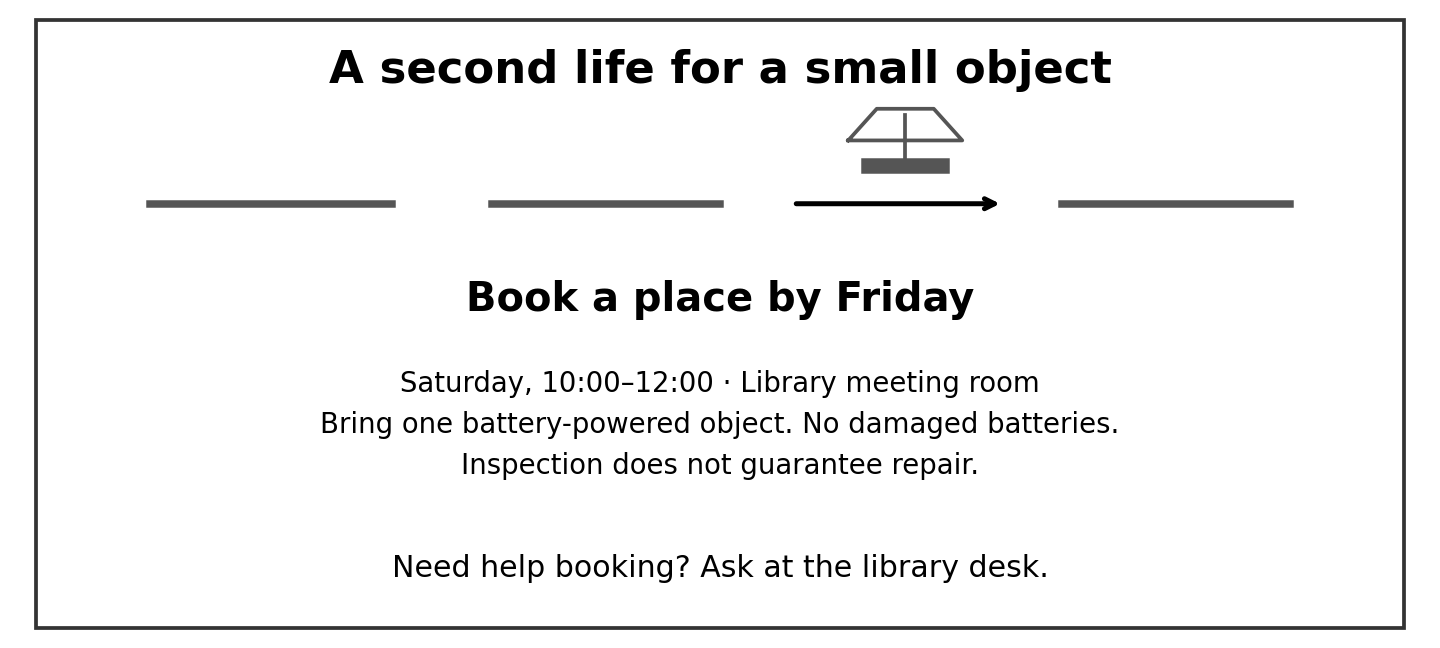
    At SL, use the supplied original repair notice image for a thematic rehearsal 排练 about community access; it is not an official oral picture. At HL, begin an extract rehearsal from the original literary text on sheet 4; do not substitute an SL picture for HL literature. Describe or interpret the actual stimulus, give a reasoned theme connection, then respond to a follow-up. A cultural connection needs a specific practice you have studied; no image proves nationality or a whole culture's habits.

    Original diagram of the worked relationship; read the full wording and qualifications.
    Original diagram of the worked relationship; read the full wording and qualifications.

    Existing worked example: For a visual, describe people sharing dishes, link this to a particular cultural practice you have studied and qualify the comparison. If asked about differences, explain one specific experience rather than listing stereotypes.

    Complete original context

    Original non-literary stimulus — Library repair session notice. Use the actual supplied notice image with this text.

    Large heading: “A second life for a small object”. Main visual: a broken line becomes an unbroken line beside a lamp symbol. Prominent instruction: “Book a place by Friday”. Smaller text: “Saturday, 10:00–12:00. Library meeting room. Bring one battery-powered object. No damaged batteries. Inspection does not guarantee repair.” Footer: “Need help booking? Ask at the library desk.”

    The notice is an original classroom design, not a real event announcement. Its audience is local library users who may have a small broken object. Its purpose is to encourage a booking while communicating limits. A reader's actual response has not been measured.

    Independent practice and checked reasoning

    Transfer 1

    SL — describe two visible choices in the notice and connect them to community access. HL — use the literary extract on sheet 4 to explain the character's situation. Label your route clearly.

    Reasoning: SL model: “The notice has a large repair heading and a smaller offer of booking help at the desk. This could make a community activity accessible to people who need assistance, although the small footer may be less noticeable.” HL model: “Leila does the shop work, but visitors still thank her father's name. Her new card asks them to recognise her without removing the old plate.” These are stimulus-grounded rehearsals, not assessed oral certification.

    Transfer 2

    Answer “What would you change, and why?” Then answer “What is one limit on your suggestion?”

    Reasoning: SL: “I would make the desk-help line more prominent because readers may need that route. I would test whether readers notice it, because prominence alone does not guarantee use.” HL: “I would ask how visitors respond later to Leila's card. The short extract does not reveal every future response, so I cannot assume permanent recognition.” Other relevant answers with reasons and limits are valid.

    Transfer 3

    Add a connection to a specific studied English-speaking community practice. What must be supplied before you can make that connection responsibly?

    Reasoning: Name the actual practice and place from reliable class material, explain one evidenced similarity 相似 or difference, and avoid claiming everyone participates. The current original stimuli provide no verified national setting, so a specific cultural factual claim remains pending that source. Live teacher interaction and recording remain separate requirements.

    Limits and next use

    HL requires two literary works and extract-based discussion; an SL picture lesson alone does not cover that requirement. The teacher conducts and records the actual oral; self-written answers cannot substitute for interaction.

    All tasks here are public original practice with authored guidance. They are not official questions or fresh diagnostics. Existing protected tests and mocks remain separate.

    English 日本語
    cultural connection 文化的つながり
    interaction/ˌɪntəˈrækʃn/ 相互作用
    similarity/ˌsɪmɪˈlærɪti/ 類似性
    rehearsal/rɪˈhɜːsl/ リハーサル
    stimulus/ˈstɪmjʊləs/ 刺激材料
    detail/ˈdiːteɪl/ 詳細
  • 4

    HL文芸・英語の文芸抜粋と口頭での展開

    学習プログラム 間もなく公開

    プリント

    対象範囲と前提条件

    IB Language B 最初の評価 2020;英語Bに焦点を当てる。この補足参照資料は、記載された準備成果のみをカバーします。学校の選出、フルガイドの手順、および必要なライブまたは録音パフォーマンスは別個です。

    • 学習した2つの文学作品のいずれかからの抜粋を解釈する
    • 登場人物、声(voice)、状況 sustained English discussion(継続的な英語での議論)と結びつける

    前提条件:明記された事実;支持される推論;英語でのコミュニケーション的説明。

    説明し、方法を選択する

    抜粋の言語と状況を用いてキャラクターを解釈し、その読み方を明確な英語で説明してください。

    HL English Bは、抽出文の理解だけでなくコミュニケーション能力も評価します。単なる言語Aの技法リストではありません。

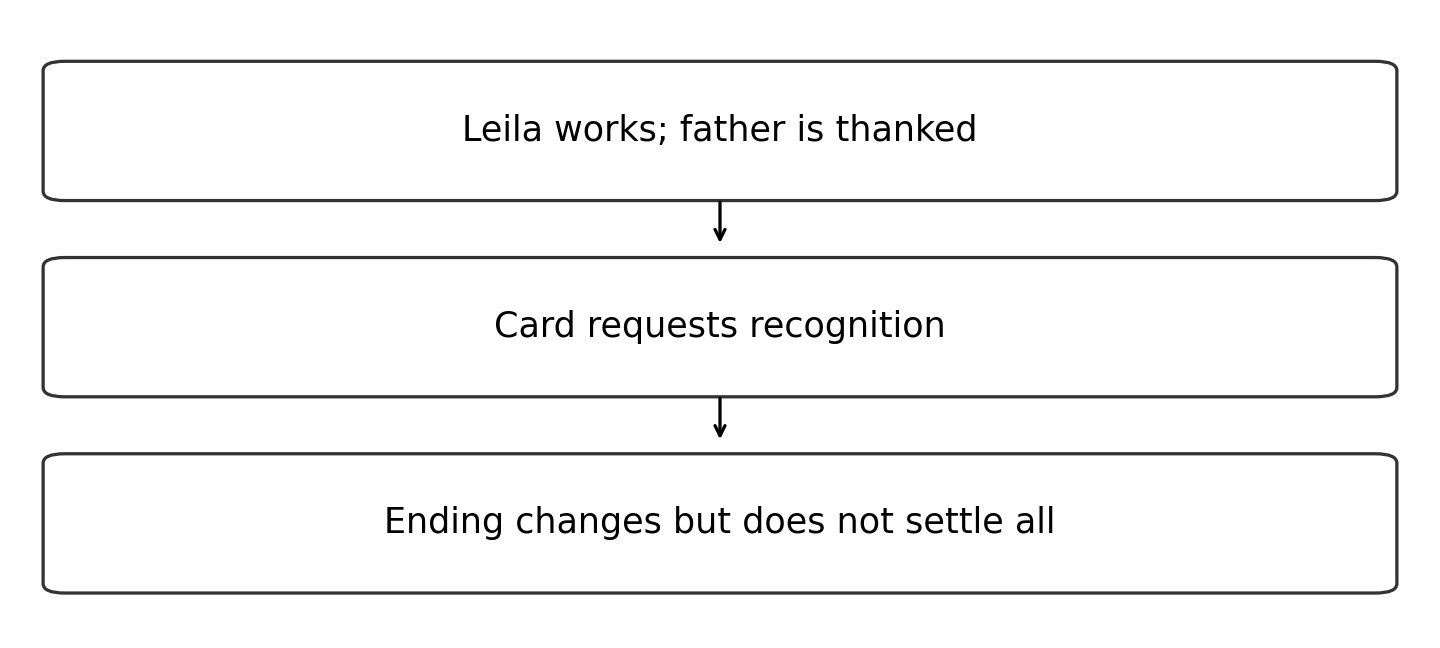
    HL English B 抜粋作業では、登場人物、声、状況を説明するために明確な言語を使用します。 Text A において、一人称話者は仕事を行い、訪問者はその父親の名前を称えています。 新しいカードは、彼女が認めてほしいという推論を裏付けています。看板を残すことは、単なる父親への拒絶を複雑にしています。 このオリジナル抜粋は練習のみであり、実際のHL学習には2つの eligible school-selected literary works(学校が選定した適格な文学作品)が必要です。

     worked example の関係図(原文);完全な文章と限定事項をお読みください。
    worked example の関係図(原文);完全な文章と限定事項をお読みください。

    既存のワークド・エグザンプル:元の教室の場面で、言葉と行動の不一致が不安を示唆している可能性があります。両方の詳細によって支持される可能性としてこれを説明してください。評価のためには、場面の代わりに学校の学習作品からの抜粋に置き換え、その作品との関連性を示してください。

    元の文脈を完成させる

    元の教室テキストは、このサプリメントのために書かれたものであり、学校で選定された評価対象作品ではない。

    テキストA — 看板 毎日朝、私はドアの横にある真鍮のプレートに磨きをかけていた。それは父の名前が刻まれており、私が店を継いでも来客は彼を求めた。私は質問に答え、部品を探し、購入品を梱包した。それでも、ドアで人々はプレートの名前に対して感謝の言葉を述べた。ある午後、私はその下に小さなカードを置いた。「ライラを呼んでください」。次の来客はカードを読み上げ、ためらった後、蝶番の場所を尋ねてきた。私は真鍮のプレートを光り輝かせたままにしておいた。カードもそのまま残された。

    テキストB — 棚上のスペース(原詩) 私はカップの隣に場所を空けた。 かつてカップがあった場所ではなく。 棚は古い円形を保った。 新しい木材はまだ清潔に見えた。 夕方までには、二つの指紋がそれを暗くした。 私はそれを拭き取らなかった。

    この演習のための文脈:両テキストは英語での現代的な教室におけるオリジナルの書き物である。著者の伝記、翻訳の歴史、あるいは実際の社会に関する証拠は提供されていない。 wording が許容するものを比較し、歴史的事実を発明してはならない。実際のコースでの比較を行う場合は、学校の認定学習作品を使用しなければならない。

    Independent practice and checked reasoning

    Transfer 1

    Leilaの状況と、supporting feeling or motive(根拠のある感情または動機)の一つを、2つの詳細を用いて説明してください。意味のない技法を列挙しないでください。

    推論:レイラが主導権を握って接客しているにもかかわらず、客たちはなお父のプレートに書かれた名前を呼んで感謝する。「レイラを頼んで」カードは認めてほしいという願いを示している。磨き上げられたプレートを保持することは敬意や継続的な影響を表す可能性があり、怒りや完全な拒絶だけが唯一の動機であると断言することはできない。

    Transfer 2

    「結末はレイラの問題を解決したか?」に対して、両方の証拠を含めた持続的な口頭練習回答を与えよ。

    推論:「結末は小さな変化を示している。なぜなら客がレイラの名前を読み、助けを求めるからである。しかし客は躊躇し、古いプレートは残った。物語は完全な解決ではなく、承認の始まりを示している我认为。両方のラベルを保持することは継続性を許容するかもしれないが、父の権威が目立つまま残る可能性もある。」関連する詳細を追加して教師に回答せよ。タイピングされた練習は delivery を保証しない。

    Transfer 3

    認定された抜粋を学習した作品全体とどのように結びつけるかを説明し、この短いオリジナルテキストが確立できないことを示せ。

    実際の作品における過去のエピソード、反復する声、あるいは変化する関係に言及し、正確な証拠を用いること。この短いオリジナルテキストは、必須文学作品のいずれかの学習、公式の抜粋手続、または生身の口頭能力を確立することはできない。学校の選定と監督付きのパフォーマンスは維持される。

    Limits and next use

    創作された vignette が2つの文学作品要件を満たすと主張しないでください。教師が適格な作品を選択し、口頭手続および時間を検証します。一般的な文学授業で、あらゆる言語を網羅することはできません。

    All tasks here are public original practice with authored guidance. They are not official questions or fresh diagnostics. Existing protected tests and mocks remain separate.

    English 日本語
    translation/trænˈsleɪʃn/ 翻訳
    inference/ˈɪnfərəns/ 推論
    rehearsal/rɪˈhɜːsl/ リハーサル
    evidence/ˈevɪdəns/ 証拠

ログインまたはアカウント作成

IGCSE, A-Level & AP