Scope and prerequisites
IB Language B first assessment 2020; English B focus. This supplemental reference covers only the listed preparation outcomes. School selections, full-guide procedures and required live or recorded performance are separate.
- Identify stated details, speaker purpose and supported inference 推断
- Use context to resolve unfamiliar vocabulary and distinguish fact from opinion
Prerequisites: Stated detail 细节 versus opinion; contrast markers; contextual vocabulary.
Explain and choose the method
Read or listen for the whole message before isolating a word. Contrast markers such as but can change the interpretation of a sentence.
An inference must be supported by the text; plausible outside knowledge is not enough.
Read for the whole message before selecting a detail. A contrast marker 转折标记 can qualify a positive evaluation. Teacher-read rehearsal 排练 教师朗读演练 : close the script while a teacher reads it twice. Then answer from listening before inspecting the transcript. This provides a complete script, but no verified recording or listening-delivery claim.
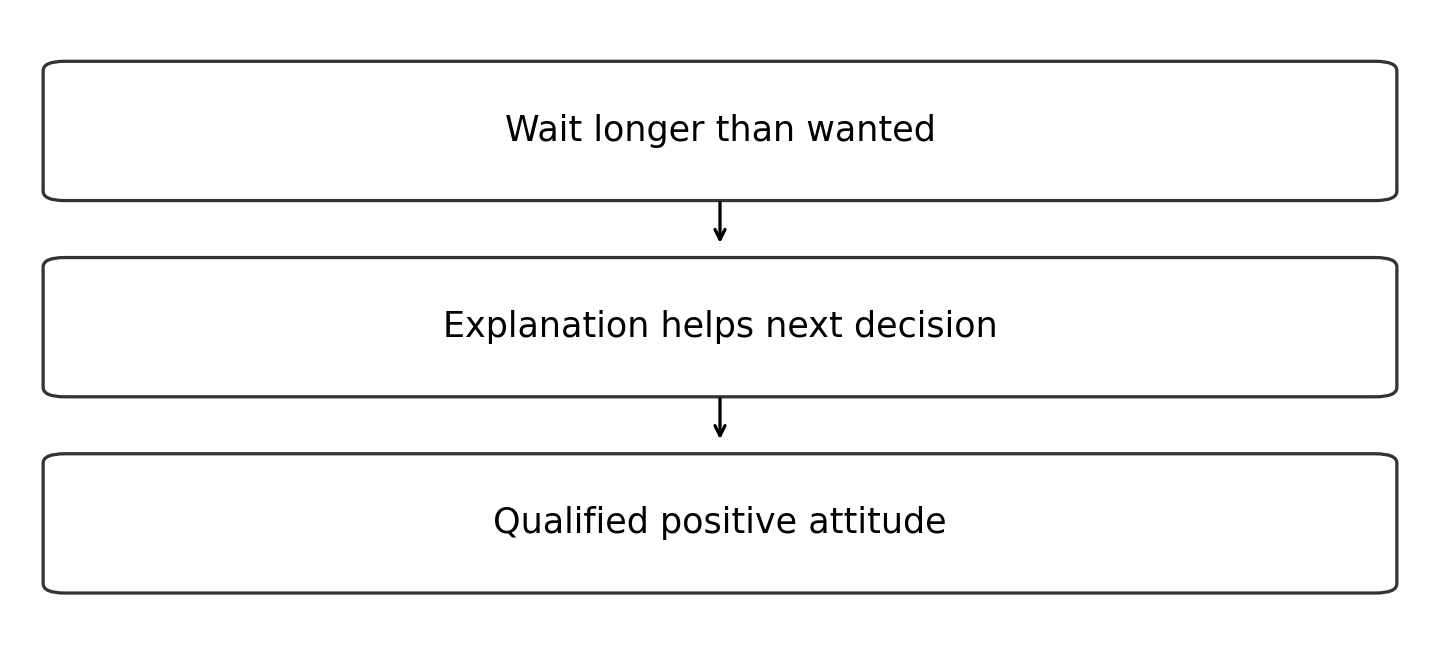
Existing worked example: Longer than expected signals an inconvenience. Made it worthwhile then gives a positive overall evaluation of the view. A suitable answer preserves both parts rather than selecting only the negative clause.
Complete original context
Original teacher-read script — Sana's library visit: “I expected the new repair session to be noisy, but the meeting room was calmer than I imagined. I took a battery-powered clock, not my old electric kettle, because the notice excluded mains-powered items. A volunteer checked the clock while I stayed at the table. She found a loose part, but could not promise that replacing it would solve every problem. I thought her explanation was reassuring: it helped me understand what to do next. I waited twenty minutes, which was longer than I wanted. Even so, I would attend again because I learned how to describe the fault clearly. Next month I plan to book an earlier arrival window.”
Independent practice and checked reasoning
Transfer 1
What did Sana bring, why did she not bring the kettle, and how long did she wait?
Reasoning: A battery-powered clock; the notice excluded mains-powered items such as the kettle; twenty minutes. The script does not say the kettle was repaired or that the wait was short.
Transfer 2
Explain reassuring in context and distinguish two stated observations from Sana's opinions.
Reasoning: Reassuring means reducing concern by clarifying the next step; the following explanation supplies the clue. Bringing the clock and waiting twenty minutes are reported events. Calling the explanation reassuring and wanting a shorter wait are personal evaluations. The calmer room is Sana's comparison with her expectation, not a measured noise study.
Transfer 3
State Sana's overall attitude, preserving both positive and negative evidence 证据. What can typed answers certify about listening or pronunciation?
Reasoning: Qualified positive: the wait was unwelcome, but the explanation and learning make another visit worthwhile. She plans to book earlier. Typed answers can show textual understanding; they do not certify that the learner heard the audio unaided or performed pronunciation. Recording and delivery remain pending.
Limits and next use
A transcript is useful for analysis but does not replace listening practice with real audio. This package needs school-recorded or licensed listening material before receptive-skill parity can be claimed.
All tasks here are public original practice with authored guidance. They are not official questions or fresh diagnostics. Existing protected tests and mocks remain separate.