Skip to content · ⁨コンテンツへスキップ⁩

Impact of Computing · ⁨コンピューティングの影響⁩

AP Computer Science Principles · ⁨APコンピュータサイエンス・プリンシプルズ⁩ · Topic 5 · ⁨トピック 5⁩

View Slides · ⁨查看幻灯片⁩ Train · ⁨練習する⁩
Video lesson for this topic · ⁨このトピックのビデオレッスン⁩ Open the video page · ⁨動画ページを開く⁩
8:12

コンピューティングの影響

一九八九一年、一人の科学者が物理学者たちが論文をより素早く交換できるようにする小さなツールを作成しました。彼はこのようなことを計画していませんでした。自動運転車。A…

English narration · English + 中文 subtitles burned in · ⁨英語ナレーション・英語+中文字幕 burning-in⁩

5.1

Beneficial and Harmful Effects · ⁨有益な効果と有害な効果⁩

Syllabus · ⁨シラバス⁩
English

Enduring Understanding (IOC-1): While computing innovations are typically designed to achieve a specific purpose, they may have unintended consequences.

Learning Objective IOC-1.A: Explain how an effect of a computing innovation can be both beneficial and harmful. [Skill 5.C]

  • IOC-1.A.1 People create computing innovations.
  • IOC-1.A.2 The way people complete tasks often changes to incorporate new computing innovations.
  • IOC-1.A.3 Not every effect of a computing innovation is anticipated in advance.
  • IOC-1.A.4 A single effect can be viewed as both beneficial and harmful by different people, or even by the same person.
  • IOC-1.A.5 Advances in computing have generated and increased creativity in other fields, such as medicine, engineering, communications, and the arts.

Learning Objective IOC-1.B: Explain how a computing innovation can have an impact beyond its intended purpose. [Skill 5.C]

  • IOC-1.B.1 Computing innovations can be used in ways that their creators had not originally intended:
    • The World Wide Web was originally intended only for rapid and easy exchange of information within the scientific community.
    • Targeted advertising is used to help businesses, but it can be misused at both individual and aggregate levels.
    • Machine learning and data mining have enabled innovation in medicine, business, and science, but information discovered in this way has also been used to discriminate against groups of individuals.
  • IOC-1.B.2 Some of the ways computing innovations can be used may have a harmful impact on society, the economy, or culture.
  • IOC-1.B.3 Responsible programmers try to consider the unintended ways their computing innovations can be used and the potential beneficial and harmful effects of these new uses.
  • IOC-1.B.4 It is not possible for a programmer to consider all the ways a computing innovation can be used.
  • IOC-1.B.5 Computing innovations have often had unintended beneficial effects by leading to advances in other fields.
  • IOC-1.B.6 Rapid sharing of a program or running a program with a large number of users can result in significant impacts beyond the intended purpose or control of the programmer.
日本語

持続的理解 (IOC-1): コンピューティングイノベーションは通常、特定の目的を達成するために設計されているが、予期せぬ結果をもたらすことがある。

学習目標 IOC-1.A: コンピューティングイノベーションの効果が両方とも有益でありかつ有害であることができる理由を説明する。[スキル 5.C]

  • IOC-1.A.1 人々はコンピューティングイノベーションを生み出す。
  • IOC-1.A.2 人々がタスクを遂行する方法は、しばしば新しいコンピューティングイノベーションを取り入れるために変化する。
  • IOC-1.A.3 コンピューティングイノベーションによるすべての効果は、事前に予測されるわけではない。
  • IOC-1.A.4 単一の効果は、異なる人々によって、あるいは同じ人々によっても、有益かつ有害と見なされることがある。
  • IOC-1.A.5 コンピューティングの進歩は、医学、工学、通信、芸術などの他の分野における創造性の生成と増大をもたらしている。

学習目標 IOC-1.B: コンピューティングイノベーションが意図した目的を超えて影響を与えることができる理由を説明する。[スキル 5.C]

  • IOC-1.B.1 コンピューティングイノベーションは、その創作者が当初意図していなかった方法で使用されることがある:
    • ワールドワイドウェブ(WWW)は当初、科学者コミュニティ内での情報の迅速かつ容易な交換のみを目的としていた。
    • ターゲティング広告はビジネスを支援するために使用されるが、個人レベルおよび集計レベルの両方で悪用されることがある。
    • 機械学習やデータマイニングは、医学、ビジネス、科学における革新を可能にしたが、このようにして発見された情報は、集団に対する差別に使用されることもある。
  • IOC-1.B.2 コンピューティングイノベーションの使用法の中には、社会、経済、または文化に対して有害な影響を与えるものがある。
  • IOC-1.B.3 責任あるプログラマは、自らのコンピューティングイノベーションが意図しない方法で使用される可能性や、これらの新たな使用法に伴う潜在的な有益かつ有害な効果を考慮しようとする。
  • IOC-1.B.4 プログラマがコンピューティングイノベーションのすべての使用方法を考慮することは不可能である。
  • IOC-1.B.5 コンピューティングイノベーションは、しば 다른分野の進歩につながることで、予期せぬ有益な効果をもたらしてきた。
  • IOC-1.B.6 プログラムの急速な共有や、多くのユーザーとの実行は、意図した目的やプログラマの統制を超える重大な影響をもたらすことがある。
Source: College Board AP Course and Exam Description · ⁨出典: College Board AP コースおよび試験説明書⁩

English

Every computing innovation can be used in ways that help and ways that harm – often the same technology does both. A social network connects people and can spread misinformation; automation raises productivity and can remove jobs. Effects are frequently unintended: creators cannot foresee every use. When you evaluate a computing innovation, weigh its benefits and harms on people and society, and remember that harms are not always deliberate.

Computing also generates creativity in other fields, which the CED asks for as a benefit in its own right, not merely as convenience: modelling and imaging in medicine, simulation in engineering, new forms in the arts and music, and new kinds of communication entirely. An innovation's beneficial effects are often in a field far from computing.

日本語
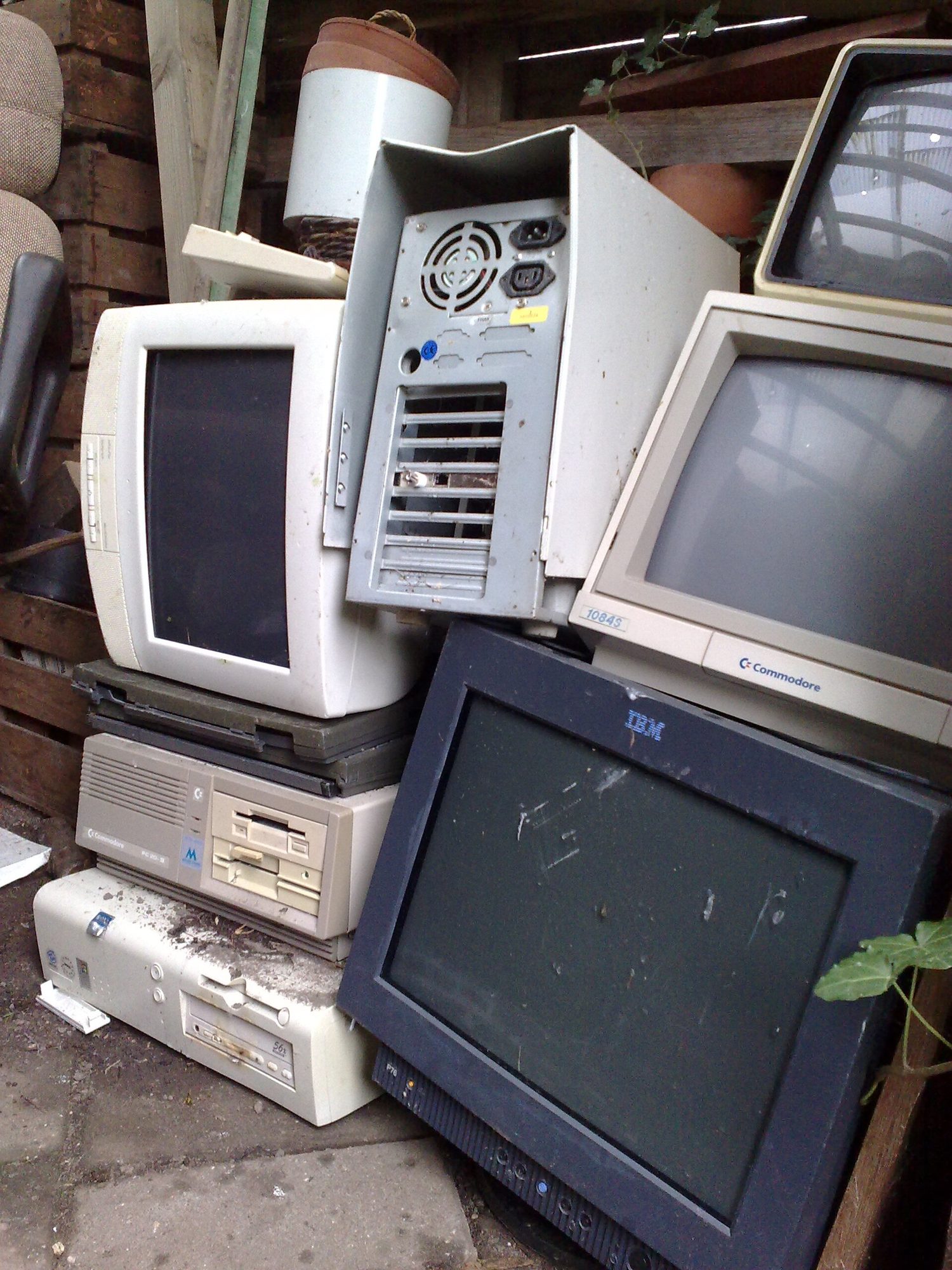
電子ごみのかたまり — コンピューティングには環境コストだけでなく利益もある

すべてのコンピューティングの革新は、有益にも有害にも使われる——同じ技術がその両方を果たすことがよくある。SNSは人をつないだり、偽情報を拡散したりする;自動化は生産性を高めたり、雇用を奪ったりする。影響はしばしば意図しないものであり、創作者はあらゆる使い方を予見できない。コンピューティングの革新を評価する際は、個人や社会に対する利益と害のバランスを考え、害は必ずしも意図的なものではないことを忘れないようにする。

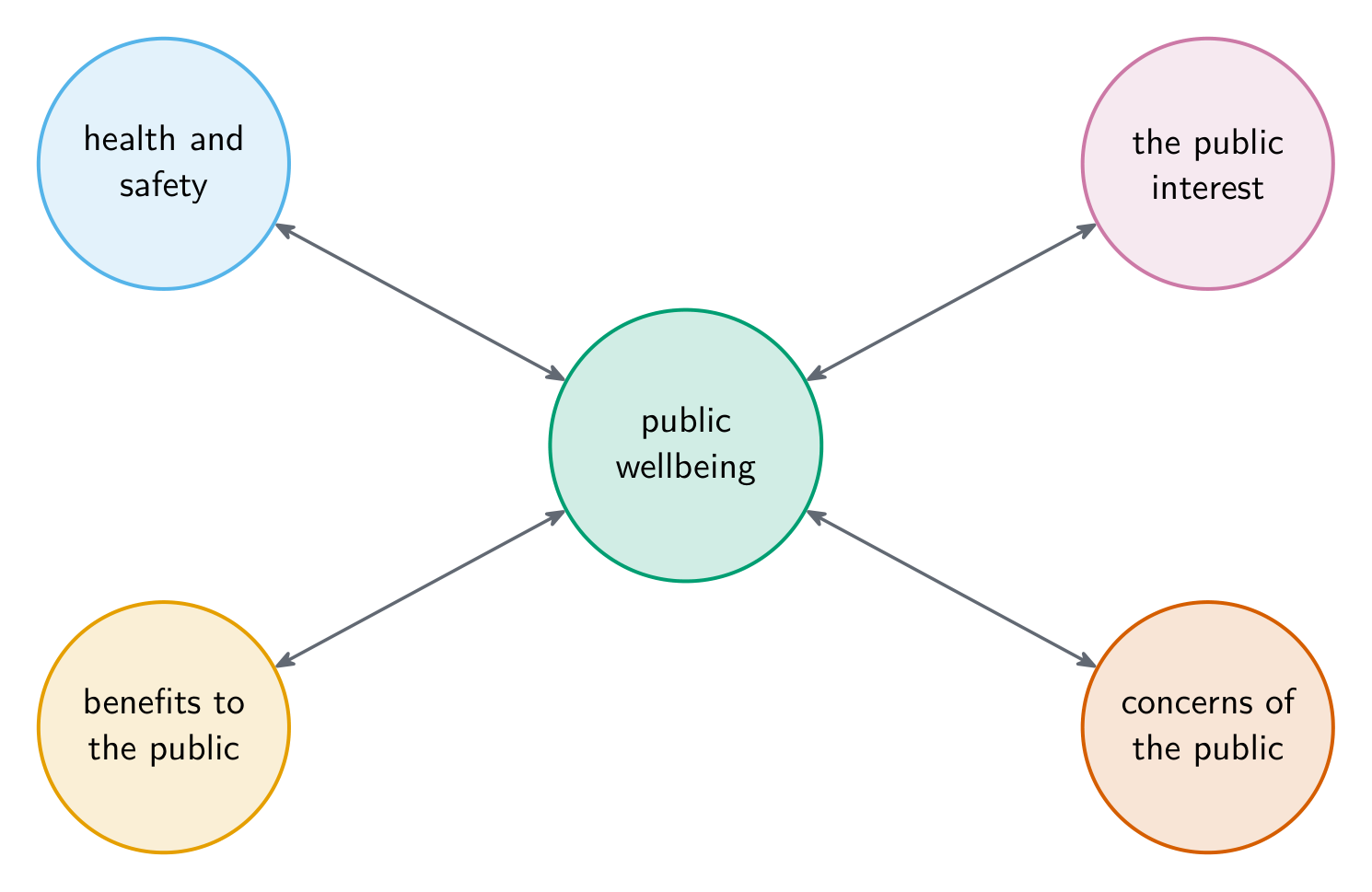
コンピューティングは複数の方法で一般国民の福祉に影響を与える

コンピューティングは他の分野での創造性も生み出す。これはCEDが利点として求めるものであり、単なる利便性以上の価値がある:医学におけるモデリングおよびイメージング、工学におけるシミュレーション、芸術および音楽における新しい形式、そして全く新しい種類のコミュニケーション。革新の有益な効果は、しばしばコンピューティングとは遠い分野で見られる。

5.2

The Digital Divide · ⁨デジタル・デビッド⁩

Syllabus · ⁨シラバス⁩
English

Enduring Understanding (IOC-1): While computing innovations are typically designed to achieve a specific purpose, they may have unintended consequences.

Learning Objective IOC-1.C: Describe issues that contribute to the digital divide. [Skill 5.C]

  • IOC-1.C.1 Internet access varies between socioeconomic, geographic, and demographic characteristics, as well as between countries.
  • IOC-1.C.2 The "digital divide" refers to differing access to computing devices and the Internet, based on socioeconomic, geographic, or demographic characteristics.
  • IOC-1.C.3 The digital divide can affect both groups and individuals.
  • IOC-1.C.4 The digital divide raises issues of equity, access, and influence, both globally and locally.
  • IOC-1.C.5 The digital divide is affected by the actions of individuals, organizations, and governments.
日本語

持続的理解 (IOC-1): コンピューティングイノベーションは通常、特定の目的を達成するために設計されているが、予期せぬ結果をもたらすことがある。

学習目標 IOC-1.C: デジタル・ディバイドに影響を与える要因となる課題を記述する。[スキル 5.C]

  • IOC-1.C.1 インターネットへのアクセスは、社会的・経済的、地理的、人口統計学的特徴、および国々と間で異なる。
  • IOC-1.C.2 「デジタル・ディバイド」とは、社会的・経済的、地理的、または人口統計学的特徴に基づき、コンピューティングデバイスやインターネットへのアクセスに差が生じることを指す。
  • IOC-1.C.3 デジタル・ディバイドは、集団および個人の双方に影響を与える。
  • IOC-1.C.4 デジタル・ディバイドは、世界的および地域的なレベルで、公正性、アクセス、および影響力に関する課題を引き起こす。
  • IOC-1.C.5 デジタル・ディバイドは、個人、組織、政府の行動によって影響を受ける。

Source: College Board AP Course and Exam Description · ⁨出典: College Board AP コースおよび試験説明書⁩

English

The digital divide 数字鸿沟 is the unequal access to computing and the Internet across groups – by income, geography, age, or country. Those with access gain education, jobs, and services; those without fall further behind. The divide is shaped by economic, social, and geographic factors, and efforts to close it (affordable devices, public access, infrastructure) aim to make computing's benefits fairer.

日本語

デジタル・デビッドとは、所得、地理、年齢、国によって異なるグループ間でのコンピューティングおよびインターネットへのアクセスの不均等さを指す。アクセスできる者は教育、仕事、サービスを得て受益するが、アクセスできない者はさらに後退していく。デジタル・デビッドは経済的、社会的、地理的要因によって形成されており、それを埋めるための取り組み(手頃な価格のデバイス、公的アクセス、インフラ整備)は、コンピューティングの利益をより公平にすることを目指している。

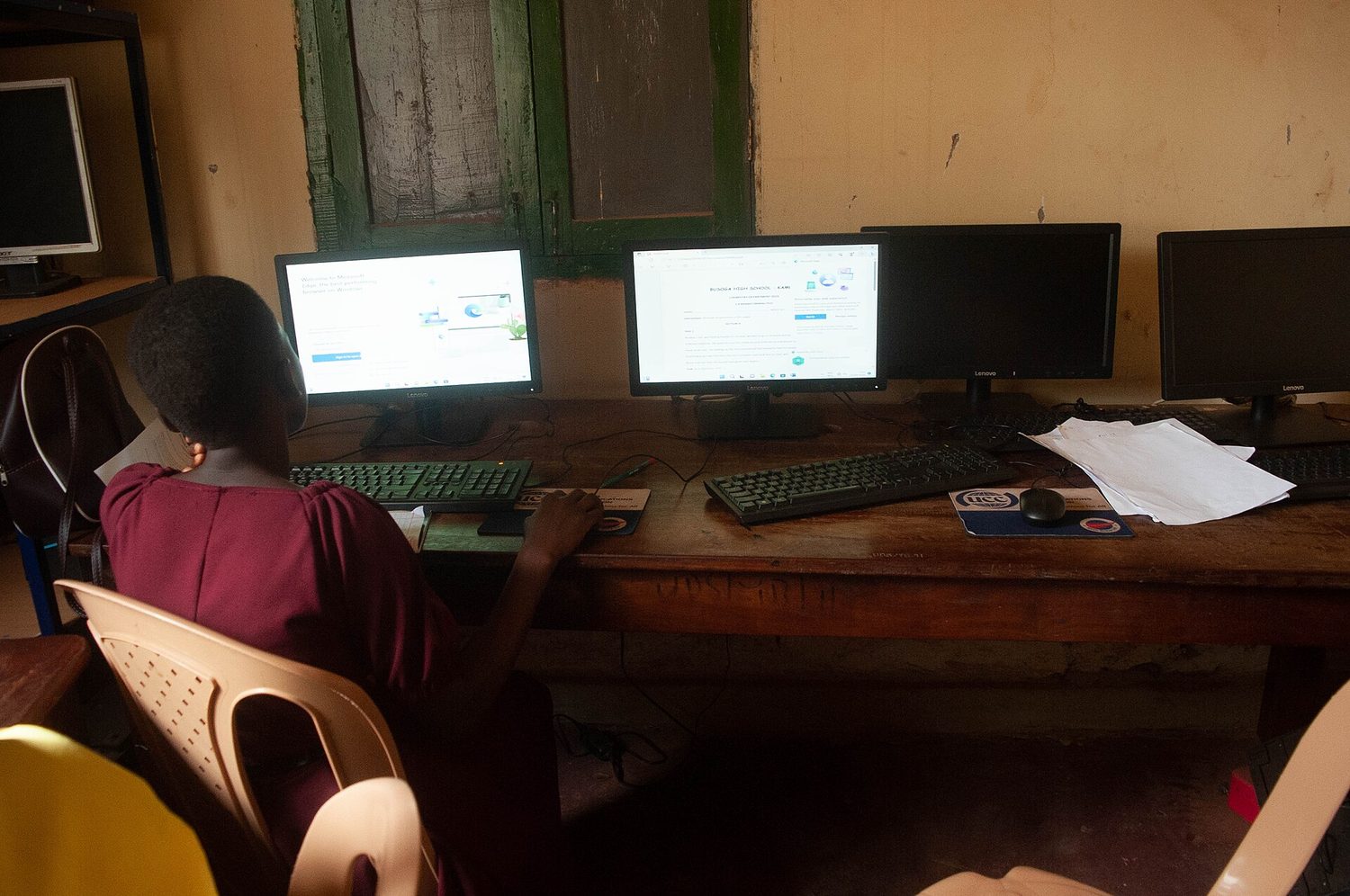
公立図書館のコンピュータ:デジタル・デビッドとは、デバイス、接続性、スキルへのアクセスの不均等のことである
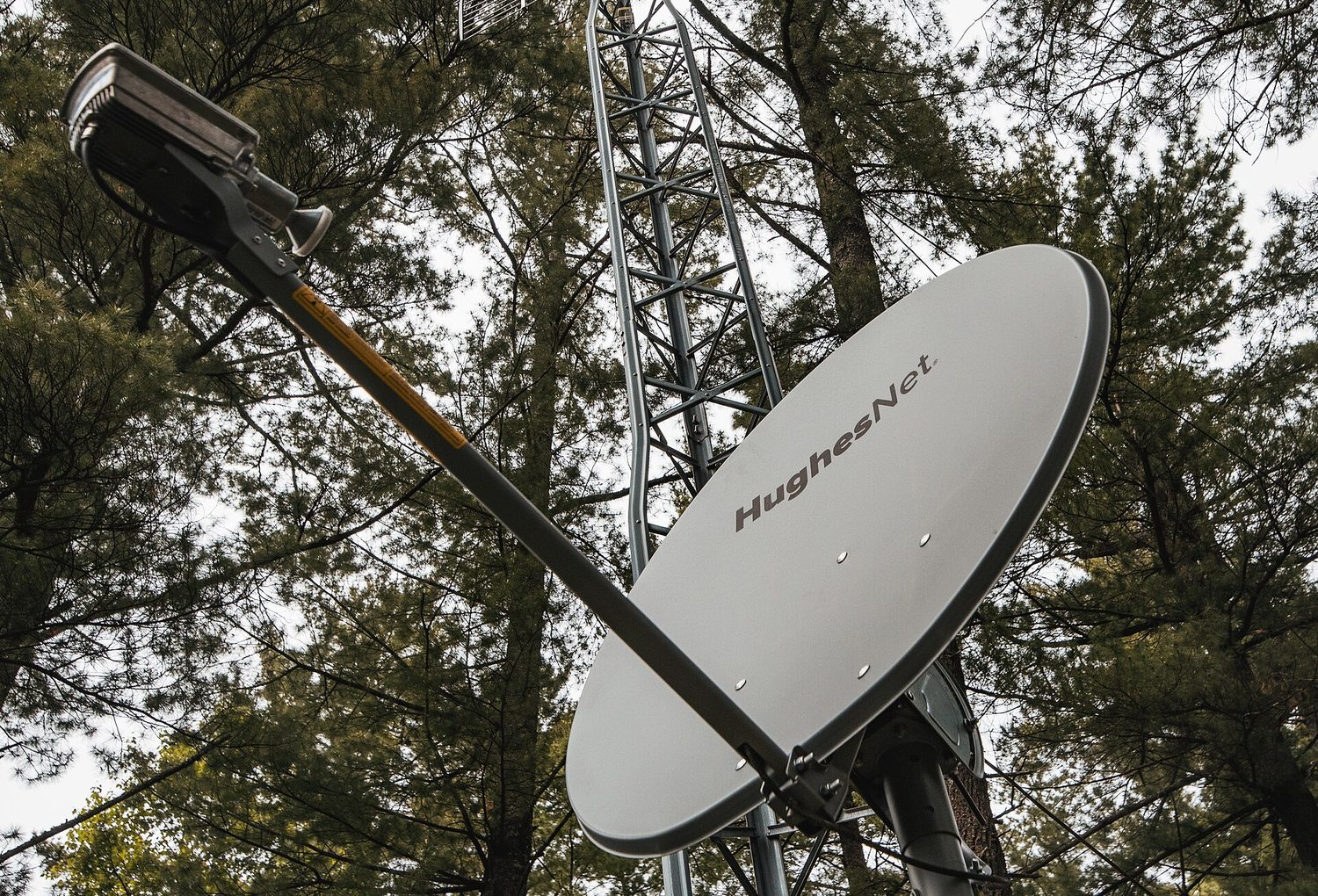
田舎の卫星 dish:地理的条件がまだ、高速インターネット/accessibleな者と待たされる者を分けている
5.3

Computing Bias · ⁨コンピューティングにおけるバイアス⁩

Syllabus · ⁨シラバス⁩
English

Enduring Understanding (IOC-1): While computing innovations are typically designed to achieve a specific purpose, they may have unintended consequences.

Learning Objective IOC-1.D: Explain how bias exists in computing innovations. [Skill 5.E]

  • IOC-1.D.1 Computing innovations can reflect existing human biases because of biases written into the algorithms or biases in the data used by the innovation.
  • IOC-1.D.2 Programmers should take action to reduce bias in algorithms used for computing innovations as a way of combating existing human biases.
  • IOC-1.D.3 Biases can be embedded at all levels of software development.
日本語

持続的理解 (IOC-1): コンピューティングイノベーションは通常、特定の目的を達成するために設計されているが、予期せぬ結果をもたらすことがある。

学習目標 IOC-1.D: コンピューティングイノベーションにおけるバイアスが存在する理由を説明する。[スキル 5.E]

  • IOC-1.D.1 コンピューティングイノベーションは、アルゴリズムに組み込まれたバイアスや、イノベーションが使用するデータに含まれるバイアスにより、既存の人々のバイアスを反映することがある。
  • IOC-1.D.2 プログラマは、既存の人々のバイアスに対抗するための手段として、コンピューティングイノベーションで使用されるアルゴリズムにおけるバイアスを減少させるための措置を取るべきである。
  • IOC-1.D.3 バイアスは、ソフトウェア開発のあらゆる段階に埋め込まれることがある。

Source: College Board AP Course and Exam Description · ⁨出典: College Board AP コースおよび試験説明書⁩

English

Bias 偏见 can be built into computing systems – often unintentionally. If the data used to build a system reflects existing prejudice, or if the designers' assumptions are one-sided, the system can produce unfair results (for example, a hiring tool that favors one group). Bias can enter at every stage – data collection, design, and use – so systems should be tested for fairness across different groups. Recognizing that "the computer said so" is not the same as "fair" is an important habit.

日本語
都市の道路を走る自動運転車 — 自律システムは安全性とバイアスの問題提起をする

バイアスはコンピューティング・システムに組み込まれることがある——多くは意図しない場合である。システム構築に用いられるデータが既存の偏見を反映している場合、あるいは設計者の仮定が一面的である場合、システムは不公平な結果を生む可能性がある(例:特定のグループを優先する採用ツール)。バイアスはデータ収集、設計、使用の各段階で入り込むことができるため、異なるグループ間で公平性をテストする必要がある。「コンピュータがそう言った」ことは「公平である」とは同一ではないという認識を持つことは重要な習慣である。

5.4

Crowdsourcing · ⁨クラウドソーシング⁩

Syllabus · ⁨シラバス⁩
English

Enduring Understanding (IOC-1): While computing innovations are typically designed to achieve a specific purpose, they may have unintended consequences.

Learning Objective IOC-1.E: Explain how people participate in problem-solving processes at scale. [Skill 1.C]

  • IOC-1.E.1 Widespread access to information and public data facilitates the identification of problems, development of solutions, and dissemination of results.
  • IOC-1.E.2 Science has been affected by using distributed and "citizen science" to solve scientific problems.
  • IOC-1.E.3 Citizen science is scientific research conducted in whole or part by distributed individuals, many of whom may not be scientists, who contribute relevant data to research using their own computing devices.
  • IOC-1.E.4 Crowdsourcing is the practice of obtaining input or information from a large number of people via the Internet.
  • IOC-1.E.5 Human capabilities can be enhanced by collaboration via computing.
  • IOC-1.E.6 Crowdsourcing offers new models for collaboration, such as connecting businesses or social causes with funding.
日本語

持続的理解 (IOC-1): コンピューティングイノベーションは通常、特定の目的を達成するために設計されているが、予期せぬ結果をもたらすことがある。

学習目標 IOC-1.E: 大規模な問題解決プロセスにおいて人々がどのように参加するかを説明する。[スキル 1.C]

  • IOC-1.E.1 情報および公的データへの広範なアクセスは、問題の特定、ソリューションの開発、および結果の普及を促進する。
  • IOC-1.E.2 分散型および「市民科学」の使用により、科学界は科学的問題の解決に影響を受けている。
  • IOC-1.E.3 市民科学とは、分散した個人(その多くは科学者ではない)によって、部分的または完全に実施される科学研究であり、彼らは自身のコンピューティングデバイスを使用して研究に必要なデータを貢献する。
  • IOC-1.E.4 クラウドソーシング は、インターネットを通じて多数の人々から入力や情報を得る実践である。
  • IOC-1.E.5 コンピューティングを介した協働により、人間の能力を拡張できる。
  • IOC-1.E.6 クラウドソーシングは、ビジネスや社会事業に資金を提供することを結びつけるなど、新たな協働モデルを提供する。

Source: College Board AP Course and Exam Description · ⁨出典: College Board AP コースおよび試験説明書⁩

English

Crowdsourcing 众包 obtains input, ideas, or funding from a large group of people, usually online. It harnesses the knowledge and effort of many – mapping projects, product reviews, citizen science, and crowdfunding all rely on it. The Internet makes crowdsourcing possible at a scale and speed never before achievable, letting a project draw on contributors worldwide.

日本語

クラウドソーシングとは、大勢の人々から入力、アイデア、資金を集めることである。通常はオンラインで行われる。多くの人の知識と努力を活用する——マッピングプロジェクト、製品レビュー、市民科学、およびクラウドファンディングはすべてこれに依存している。インターネットにより、これまで不可能だった規模と速度でクラウドソーシングが可能になり、プロジェクトは世界中の貢献者からの支援を受けられるようになった。

Wikipediaのエディタソン:クラウドソーシングは多くの人々の作業を共同リソースに集約する
5.5

Legal and Ethical Concerns · ⁨法的・倫理的懸念⁩

Syllabus · ⁨シラバス⁩
Enduring UnderstandingLearning ObjectiveEssential Knowledge

IOC-1
While computing innovations are typically designed to achieve a specific purpose, they may have unintended consequences.

IOC-1.F
Explain how the use of computing can raise legal and ethical concerns. [Skill 5.E]

  • IOC-1.F.1 Material created on a computer is the intellectual property of the creator or an organization.
  • IOC-1.F.2 Ease of access and distribution of digitized information raises intellectual property concerns regarding ownership, value, and use.
  • IOC-1.F.3 Measures should be taken to safeguard intellectual property.
  • IOC-1.F.4 The use of material created by someone else without permission and presented as one's own is plagiarism and may have legal consequences.
  • IOC-1.F.5 Some examples of legal ways to use materials created by someone else include:
    • Creative Commons—a public copyright license that enables the free distribution of an otherwise copyrighted work. This is used when the content creator wants to give others the right to share, use, and build upon the work they have created.
    • open source—programs that are made freely available and may be redistributed and modified
    • open access—online research output free of any and all restrictions on access and free of many restrictions on use, such as copyright or license restrictions
  • IOC-1.F.6 The use of material created by someone other than you should always be cited.
  • IOC-1.F.7 Creative Commons, open source, and open access have enabled broad access to digital information.
  • IOC-1.F.8 As with any technology or medium, using computing to harm individuals or groups of people raises legal and ethical concerns.
  • IOC-1.F.9 Computing can play a role in social and political issues, which in turn often raises legal and ethical concerns.
  • IOC-1.F.10 The digital divide raises ethical concerns around computing.
  • IOC-1.F.11 Computing innovations can raise legal and ethical concerns. Some examples of these include:
    • the development of software that allows access to digital media downloads and streaming
    • the development of algorithms that include bias
    • the existence of computing devices that collect and analyze data by continuously monitoring activities

Source: College Board AP Course and Exam Description · ⁨出典: College Board AP コースおよび試験説明書⁩

English

Computing raises questions of law and ethics:

  • Intellectual property 知识产权 and copyright 版权 protect creators' work; using it may require permission or a license. Open-source 开源 and Creative Commons licenses let creators share work under stated terms.
  • Plagiarism 抄袭 – using others' work as your own – is unethical and often illegal.
  • Collecting and using personal data raises privacy questions about consent and misuse.

The three "open" terms, which are not the same thing

Term What it means
open source programs that are made freely available and may be redistributed and modified by anyone. The licence grants those rights explicitly — free of charge is not the same as open source, and a free program you may not modify is not open source.
open access 开放获取 research and other content made available online without charge, so a reader does not need a subscription. It says nothing about the right to modify.
Creative Commons 知识共享 a family of licences a creator applies to their own work to grant specific permissions in advance — for example "you may reuse this if you credit me" or "you may reuse this but not commercially".

All three are ways of granting rights the creator holds by default under copyright. That is why they matter for the exam: copyright is automatic, so anything not explicitly licensed is restricted, and using it needs permission.

Just because something is technically possible does not make it legal or ethical.

What is recorded while you browse

Two collection routes the CED names, and neither needs you to type anything:

  • Websites can record and maintain a history of the individuals who have viewed their pages — which pages, when, how long, and from which device.
  • Search engines can use your search history to suggest websites, and to sell targeted marketing: the advertisement follows the search, which is why a product looked up once then appears for weeks.

Neither is inherently malicious, and both are the mechanism behind services people find useful. The point the exam wants is that data collected for one purpose can be combined and used for another, often without the person realising they agreed to it.

日本語
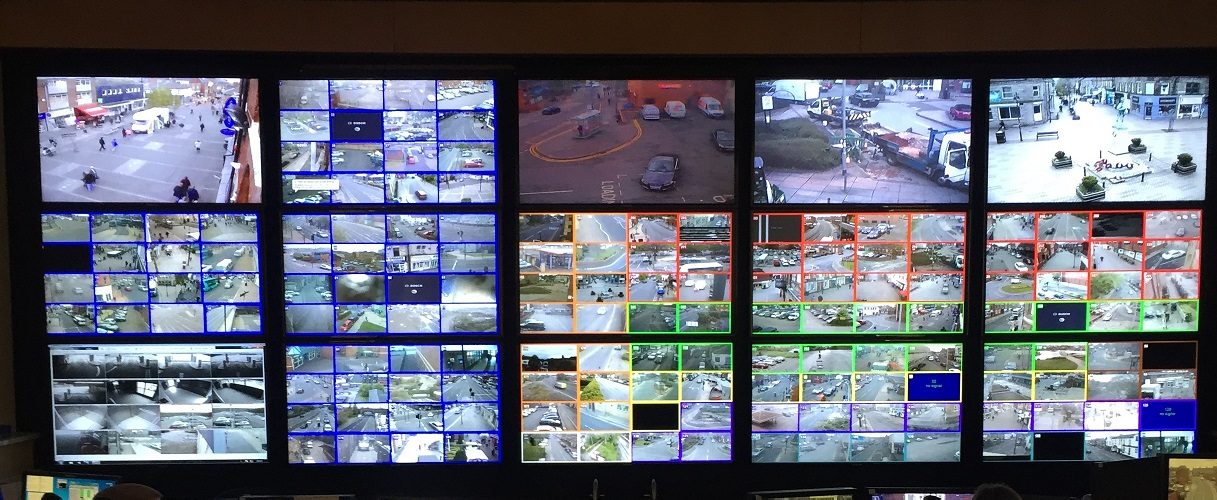
CCTV制御室:監視システムは安全の向上とプライバシーの懸念とのトレードオフを行う

コンピューティングは法および倫理に関する疑問を提起する:

  • 知的財産権および著作権は創作者の作品を保護し、使用には許可またはライセンスが必要になることがある。オープンソースおよびクリエイティブ・コモンズライセンスは、指定された条件の下で作品を共有することを創作者に認めている。
  • 剽窃——他人の作品を自分のものとする行為——は非倫理的であり、多くの場合違法である。
  • 個人情報収集および利用は、同意および悪用に関するプライバシーの問題を提起する。

「オープン」の3つの用語(いずれも異なる意味を持つ)

用語 意味
オープンソース 誰でも自由に入手可能であり、再配布および修改ができるプログラム。ライセンスによりこれらの権利が明示的に付与される——無料であることがオープンソースと同じではなく、修改できない無料プログラムはオープンソースではない。
オープンアクセス オンラインで無料で提供される研究およびその他のコンテンツ、したがって読者はサブスクリプションを必要としない。修改権については何も言及していない。
クリエイティブ・コモンズ 創作者が自身の作品に適用する一連のライセンスで、事前に特定の許可を授与する——例えば「出典を明記すれば再利用可」や「商業利用禁止で再利用可」。

これら3つはすべて、創作者が著作権法に基づくデフォルトの権利を付与する手段である。そのため、試験において重要である:著作権は自動的に発生するため、明示的にライセンスされていないものは制限され、使用するには許可が必要となる。

技術的に可能だからといって、それが合法または倫理的であるとは限らない。

ブローザ中に記録される内容

CEDが指摘する2つの収集ルートがあり、どちらも入力を必要としない:

  • ウェブサイトは、ページを見た個人の履歴を記録・維持できる——どのページを、いつ、どれだけ長く、どのデバイスから访问したか。
  • 検索エンジンは、検索履歴を使用して関連するウェブサイトをおすすめしたり、ターゲティング広告を提供したりします。広告が検索内容に追従するため、一度検索した商品が数週間表示され続けることがあります。

どちらも本質的に悪意のあるものではなく、どちらも利用者が有用と感じるサービスの仕組みです。試験の要点は、ある目的で収集されたデータが、別の目的で統合・使用されることであり、その際、本人が同意したことに気づいていないことが多いという点です。

5.6

Safe Computing · ⁨セーフなコンピューティング⁩

Syllabus · ⁨シラバス⁩
English

Enduring Understanding (IOC-2): The use of computing innovations may involve risks to personal safety and identity.

Learning Objective IOC-2.A: Describe the risks to privacy from collecting and storing personal data on a computer system. [Skill 5.D]

  • IOC-2.A.1 Personally identifiable information (PII) is information about an individual that identifies, links, relates, or describes them. Examples of PII include:
    • Social Security number
    • age
    • race
    • phone number(s)
    • medical information
    • financial information
    • biometric data
  • IOC-2.A.2 Search engines can record and maintain a history of searches made by users.
  • IOC-2.A.3 Websites can record and maintain a history of individuals who have viewed their pages.
  • IOC-2.A.4 Devices, websites, and networks can collect information about a user's location.
  • IOC-2.A.5 Technology enables the collection, use, and exploitation of information about, by, and for individuals, groups, and institutions.
  • IOC-2.A.6 Search engines can use search history to suggest websites or for targeted marketing.
  • IOC-2.A.7 Disparate personal data, such as geolocation, cookies, and browsing history, can be aggregated to create knowledge about an individual.
  • IOC-2.A.8 PII and other information placed online can be used to enhance a user's online experiences.
  • IOC-2.A.9 PII stored online can be used to simplify making online purchases.
  • IOC-2.A.10 Commercial and governmental curation of information may be exploited if privacy and other protections are ignored.
  • IOC-2.A.11 Information placed online can be used in ways that were not intended and that may have a harmful impact. For example, an email message may be forwarded, tweets can be retweeted, and social media posts can be viewed by potential employers.
  • IOC-2.A.12 PII can be used to stalk or steal the identity of a person or to aid in the planning of other criminal acts.
  • IOC-2.A.13 Once information is placed online, it is difficult to delete.
  • IOC-2.A.14 Programs can collect your location and record where you have been, how you got there, and how long you were at a given location.
  • IOC-2.A.15 Information posted to social media services can be used by others. Combining information posted on social media and other sources can be used to deduce private information about you.

Learning Objective IOC-2.B: Explain how computing resources can be protected and can be misused. [Skill 5.E]

  • IOC-2.B.1 Authentication measures protect devices and information from unauthorized access. Examples of authentication measures include strong passwords and multifactor authentication.
  • IOC-2.B.2 A strong password is something that is easy for a user to remember but would be difficult for someone else to guess based on knowledge of that user.
  • IOC-2.B.3 Multifactor authentication is a method of computer access control in which a user is only granted access after successfully presenting several separate pieces of evidence to an authentication mechanism, typically in at least two of the following categories: knowledge (something they know), possession (something they have), and inherence (something they are).
  • IOC-2.B.4 Multifactor authentication requires at least two steps to unlock protected information; each step adds a new layer of security that must be broken to gain unauthorized access.
  • IOC-2.B.5 Encryption is the process of encoding data to prevent unauthorized access. Decryption is the process of decoding the data. Two common encryption approaches are:
    • Symmetric key encryption involves one key for both encryption and decryption.
    • Public key encryption pairs a public key for encryption and a private key for decryption. The sender does not need the receiver's private key to encrypt a message, but the receiver's private key is required to decrypt the message.
    • Exclusion statement (EK IOC-2.B.5): Specific mathematical procedures for encryption and decryption are beyond the scope of this course and the AP Exam.
  • IOC-2.B.6 Certificate authorities issue digital certificates that validate the ownership of encryption keys used in secure communications and are based on a trust model.
  • IOC-2.B.7 Computer virus and malware scanning software can help protect a computing system against infection.
  • IOC-2.B.8 A computer virus is a malicious program that can copy itself and gain access to a computer in an unauthorized way. Computer viruses often attach themselves to legitimate programs and start running independently on a computer.
  • IOC-2.B.9 Malware is software intended to damage a computing system or to take partial control over its operation.
  • IOC-2.B.10 All real-world systems have errors or design flaws that can be exploited to compromise them. Regular software updates help fix errors that could compromise a computing system.
  • IOC-2.B.11 Users can control the permissions programs have for collecting user information. Users should review the permission settings of programs to protect their privacy.

Learning Objective IOC-2.C: Explain how unauthorized access to computing resources is gained. [Skill 5.E]

  • IOC-2.C.1 Phishing is a technique that attempts to trick a user into providing personal information. That personal information can then be used to access sensitive online resources, such as bank accounts and emails.
  • IOC-2.C.2 Keylogging is the use of a program to record every keystroke made by a computer user in order to gain fraudulent access to passwords and other confidential information.
  • IOC-2.C.3 Data sent over public networks can be intercepted, analyzed, and modified. One way that this can happen is through a rogue access point.
  • IOC-2.C.4 A rogue access point is a wireless access point that gives unauthorized access to secure networks.
  • IOC-2.C.5 A malicious link can be disguised on a web page or in an email message.
  • IOC-2.C.6 Unsolicited emails, attachments, links, and forms in emails can be used to compromise the security of a computing system. These can come from unknown senders or from known senders whose security has been compromised.
  • IOC-2.C.7 Untrustworthy (often free) downloads from freeware or shareware sites can contain malware.
日本語

持続的理解 (IOC-2): コンピュータ革新の使用には、個人の安全やアイデンティティに対するリスクが含まれる可能性がある。

学習目標 IOC-2.A: コンピュータシステム上で個人データを収集・保存することによるプライバシーへのリスクを説明する。[スキル 5.D]

  • IOC-2.A.1 個人識別情報(PII)とは、特定の個人を識別し、結びつけ、関連付け、または記述する情報である。PIIの例には以下が含まれる:
    • 社会保障番号
    • 年齢
    • 人種
    • 電話番号
    • 医療情報
    • 金融情報
    • 生体データ
  • IOC-2.A.2 検索エンジンは、ユーザーが行った検索履歴を記録・保持できる。
  • IOC-2.A.3 ウェブサイトは、自身页面的を閲覧した個人の履歴を記録・保持できる。
  • IOC-2.A.4 デバイス、ウェブサイト、ネットワークは、ユーザーの位置情報に関する情報を収集できる。
  • IOC-2.A.5 テクノロジーは、個人、集団、機関に関する情報の収集、使用、悪用を可能にする。
  • IOC-2.A.6 検索エンジンは、検索履歴を使用してウェブサイトのおすすめやターゲティング広告を行うことができる。
  • IOC-2.A.7 位置情報、クッキー、ブラウジング履歴などの異なる個人情報は統合され、個人に関する知見を作成するために使用される。
  • IOC-2.A.8 オンラインに公開されたPIIやその他の情報は、ユーザーのオンライン体験を向上させるために使用される。
  • IOC-2.A.9 オンラインに保存されたPIIは、オンライン購入を簡易化するために使用される。
  • IOC-2.A.10 プライバシーやその他の保護無視情况下、商業および政府による情報のキュレーションが悪用されることがある。
  • IOC-2.A.11 オンラインに公開された情報は、意図しない方法で使用され、有害な影響をもたらす可能性がある。例えば、メールメッセージが転送され、ツイートがリツイートされ、SNS投稿が潜在的な雇用主によって参照されることがある。
  • IOC-2.A.12 PIIは、他人を追跡したり、本人の身元を盗んだり、その他の犯罪行為の計画を助長するために使用されることがある。
  • IOC-2.A.13 一度情報がオンラインに公開されると、削除することは困難である。
  • IOC-2.A.14 プログラムはあなたの位置情報を収集し、どこに行き、どのように行き、どの程度いたかを記録する。
  • IOC-2.A.15 SNSサービスに投稿された情報は他者によって使用されることがある。SNS上の投稿と他のソースからの情報を組み合わせることで、あなたの個人情報について推論されることがある。

学習目標 IOC-2.B: コンピュータリソースを如何に保護するか、また如何に悪用されるか説明する。[スキル 5.E]

  • IOC-2.B.1 認証手段は、デバイスや情報を不正アクセスから守る。認証手段の例には強力なパスワードと多要素認証が含まれる。
  • IOC-2.B.2 強力なパスワードとは、ユーザーが記憶しやすいが、そのユーザーに関する知識に基づいて他者が推測するのが難しいもののことである。
  • IOC-2.B.3 多要素認証とは、ユーザーが認証メカニズムに対して複数の独立した証拠を提示し、通常以下の少なくとも2つのカテゴリにおいて成功した場合のみアクセスが許可されるコンピュータのアクセス制御方法である:知識(知っていること)、所有(持っていること)、属性(その人の本質的な特徴)。
  • IOC-2.B.4 多要素認証は、保護された情報にアクセスするために少なくとも2段階が必要であり、各段階は不正アクセスを得るために突破しなければならない新たなセキュリティ層を追加する。
  • IOC-2.B.5 暗号化とは、データに符号化を施して不正アクセスを防ぐプロセスである。復号化とは、データを解読するプロセスである。一般的な2つの暗号化アプローチは以下の通り:
    • 対称鍵暗号化では、暗号化と復号化に1つの鍵が共用される。
    • 非対称鍵暗号化では、暗号化用の公開鍵と復号化用の秘密鍵がセットになる。送信者はメッセージを暗号化するために受信者の秘密鍵を必要としないが、復号化には受信者の秘密鍵が必要である。
    • 除外声明 (EK IOC-2.B.5): 暗号化および復号化のための具体的な数的手続きは、このコースおよびAP試験の範囲外である。
  • IOC-2.B.6 証明書発行者(CA)は、安全な通信に使用される暗号鍵の所有権を検証するデジタル証明書を発行し、信頼モデルに基づいています。
  • IOC-2.B.7 コンピュータウイルスおよびマルウェアスキャンソフトウェアは、コンピューティングシステムへの感染を防ぐのに役立ちます。
  • IOC-2.B.8 コンピュータウイルスとは、自身を複製し、不正にコンピュータにアクセスできる悪意のあるプログラムです。コンピュータウイルスは、しばしば正規のプログラムに付着し、コンピュータ上で独立して実行され始めます。
  • IOC-2.B.9 マルウェアとは、コンピューティングシステムの損傷を意図したり、その操作の一部を乗っ取ったりするために設計されたソフトウェアです。
  • IOC-2.B.10 現実世界すべてのシステムには、それらを侵害するために利用される错误或設計上の欠陥が存在します。定期的なソフトウェアアップデートは、コンピューティングシステムを侵害する可能性がある错误を修正するのに役立ちます。
  • IOC-2.B.11 ユーザーは、プログラムがユーザー情報を収集するための権限を制御できます。ユーザーは、自身のプライバシーを保護するためにプログラムの権限設定を確認すべきです。

学習目標 IOC-2.C: コンピューティングリソースへの不正アクセスがどのように行われるかを説明する。[スキル 5.E]

  • IOC-2.C.1 フィッシングとは、ユーザーに個人情報を提供させるように仕向ける技術です。得られた個人情報は、銀行口座やメールなどの重要なオンラインリソースへのアクセスに使用されることがあります。
  • IOC-2.C.2 キーロガーとは、コンピュータユーザーが入力したすべてのキー入力を記録するプログラムを使用し、パスワードやその他の機密情報に対する不正アクセスを得る手法です。
  • IOC-2.C.3 パブリックネットワークを介して送信されたデータは、傍受、分析、改変される可能性があります。その一例として、ローグアクセスポイントがあります。
  • IOC-2.C.4 ローグアクセスポイントとは、安全なネットワークに対して不正なアクセスを許容するワイヤレスアクセスポイントです。
  • IOC-2.C.5 悪意のあるリンクは、ウェブサイトまたはメールメッセージの中に隠されていることがあります。
  • IOC-2.C.6 不要なメール、添付ファイル、リンク、およびメール内のフォームは、コンピューティングシステムのセキュリティを侵害するために使用されることがあります。これらは、不明な送信者から、あるいはセキュリティが侵害された既知の送信者から届くことがあります。
  • IOC-2.C.7 フリーウェアまたはシェアウェアサイトからの信頼できない(多くの場合無料の)ダウンロードには、マルウェアが含まれていることがあります。

Source: College Board AP Course and Exam Description · ⁨出典: College Board AP コースおよび試験説明書⁩

English

Protecting personal data is a shared responsibility. Key ideas:

  • Personally identifiable information (PII) 个人身份信息 (name, address, ID numbers) should be shared carefully, because it can be misused for identity theft 身份盗窃.
  • Threats include phishing 网络钓鱼 (tricking you into revealing information), malware 恶意软件, and weak passwords.
  • A malicious link can be disguised on a web page or in an email message: the text you see and the address it actually goes to are separate, so a link reading www.yourbank.com can point anywhere. Hover to see the real destination before clicking, and be most suspicious of a link that arrives unexpectedly and creates urgency.
  • Defenses include strong, unique passwords, multi-factor authentication 多因素认证, encryption 加密 (scrambling data so only authorized people can read it), and keeping software updated.

Encryption is the central tool for keeping data private in transit and storage. Being a responsible computer user means protecting your own and others' information.

Exam skill: be able to identify the beneficial and harmful effects of a given innovation, explain a privacy or security risk, and name a safe-computing practice that addresses it.

Worked example. A hiring algorithm is trained on a company's past hires, who were mostly one group, and it then rejects qualified applicants from other groups. Name the problem and its cause: this is computing bias, caused by biased training data — the model learned the historical pattern instead of a fair rule. A full-mark exam answer states the harm (qualified people are unfairly rejected) and its cause (the bias came from the data, not the code).

日本語

個人情報の保護は共有された責任です。重要なポイント:

暗号化は鍵を使って平文を乱数化し、その鍵のみで復号可能
暗号化とは、鍵を使って平文を乱数化し、その鍵のみで復号できる技術です
  • 個人識別情報(PII)(氏名、住所、ID番号など)は、身元盗用に悪用される可能性があるため、慎重に共有する必要があります。
  • 脅威には、フィッシング(情報を引き出すための詐欺)、マルウェア、そして脆弱なパスワードが含まれます。
  • 悪質なリンクは、Webページやメールメッセージの中に隠されていることがあります。表示されているテキストと実際に遷移するURLは別物であるため、www.yourbank.comと表示されたリンクがどこへでも繋がる可能性があります。クリック前にホバーして実際の先を確認し、予期せぬタイミングで送られてきたり、緊急性を煽ったりするリンクには特に注意してください。
  • 防御策には、強力でユニークなパスワード、マルチファクタ認証、暗号化(データを乱数化して権限を持つ者のみに読めるようにする)、そしてソフトウェアのアップデート維持があります。

暗号化は、転送中および保管中のデータのプライバシーを守るための中心的なツールです。責任あるコンピューティングユーザーとなることは、自分自身や他者の情報を保護することを意味します。

試験スキル: 特定のイノベーションによる利益と害を特定し、プライバシーまたはセキュリティのリスクを説明し、それに対応するセーフ・コンピューティングの実践方法を挙げることができます。

** worked example.** ある企業の過去の採用者(ほぼ特定のグループのみ)に基づいて学習された採用アルゴリズムが、他のグループから適格な応募者を却下しました。この問題とその原因を答えてください。これはコンピューティングバイアスであり、バイアスを含む学習データによって生じたものです——モデルは公平なルールではなく歴史的なパターンを学習しました。満点答案では、害(適格者が不公平に却下されること)とその原因(バイアスはコードではなくデータから来ていること)の両方を述べる必要があります。

Explore · ⁨探索⁩

Scramble a message with encryption · ⁨暗号化でメッセージを乱す⁩

Encryption protects data by scrambling it with a key; only someone with the key can read it back. This simple Caesar cipher shifts each letter — real encryption uses the same idea with far stronger keys to keep passwords and messages safe. · ⁨暗号化は鍵を使ってデータを乱すことで保護します。鍵を持つ者だけが元の文字に戻せます。この単純なセサロイ暗号では各文字をシフトしますが、実際の暗号化ではパスワードやメッセージを守るために遥かに強力な鍵と同じ原理を使います。⁩

Vocabulary · ⁨語彙⁩ Train · ⁨練習する⁩
English 日本語
digital divide/ˈdɪdʒɪtl dɪˈvaɪd/ デジタルディバイド
Bias/ˈbaɪəs/ バイアス
Crowdsourcing/ˈkraʊdsɔːsɪŋ/ クラウドソーシング
Intellectual property/ˌɪntəˈlektʃuːəl ˈprɒpəti/ 知的財産権
copyright/ˈkɒpɪraɪt/ 著作権
Open-source/ˈəʊpən sɔːs/ オープンソース
Plagiarism/ˈpleɪdʒərɪzəm/ 剽窃
open access/ˈəʊpən ˈækses/ オープンアクセス
Creative Commons/kriːˈeɪtɪv ˈkɒmənz/ クリエイティブ・コモンズ
Personally identifiable information (PII)/ˈpɜːsənəli aɪˈdentɪfaɪəbl ˌɪnfəˈmeɪʃn/ 個人識別情報 (PII)
identity theft/aɪˈdentɪti θeft/ 身元盗用
phishing/ˈfɪʃɪŋ/ フィッシング
malware/ˈmælweə/ マルウェア
multi-factor authentication/ˈmʌlti ˈfæktə ɔːˌθentɪˈkeɪʃn/ 多要素認証
encryption/enˈkrɪpʃn/ 暗号化
open source/ˈəʊpən sɔːs/ オープンソース
5.6

Exam tips · ⁨試験対策⁩

English
  • Argue both the beneficial and harmful effects of a computing innovation — a balanced answer scores best.
  • Use correct terms for data concerns: PII, privacy, security, and algorithmic bias.
  • Explain how crowdsourcing and large data sets create value and raise new risks.
  • Distinguish the digital divide (access) from bias (fairness) and give a concrete example of each.
  • Tie every claim to a specific innovation and effect, as the written response demands.
日本語
  • コンピューティング・イノベーションの両方の利益と害について論じ、バランスの取れた回答が最も高い得点を獲得できます。
  • データに関する懸念事項に対して正しい用語を使用してください:PII、プライバシー、セキュリティ、およびアルゴリズム・バイアス。
  • クラウドソーシングや大規模データセットが価値を生み出し、新たなリスクも提起する方法を説明してください。
  • デジタル・ディバイド(アクセスの差)とバイアス(公平性の欠如)を区別し、それぞれ具体的な例を挙げてください。
  • 記述式解答において要求される通り、すべての主張を特定のイノベーションと効果に結びつけてください。

Interactive lessons on this topic · ⁨このトピックのインタラクティブ授業⁩

Work through it step by step, with instant-check exercises. · ⁨一歩ずつ進め、即時チェック付きの問題で学習します。⁩

Past Papers · ⁨過去問⁩

More topics in AP Computer Science Principles · ⁨APコンピュータサイエンス・プリンシプルズ⁩ · ⁨AP Computer Science Principles · ⁨APコンピュータサイエンス・プリンシプルズ⁩ の他のトピック⁩

Log in or create account · ⁨ログインまたはアカウント作成⁩

IGCSE, A-Level & AP