Globalisasi
Diperkenalkan| English | Makna |
|---|---|
| globalisation/ˌɡləʊbəlaɪˈzeɪʃn/ | Globalisasi |
| trade liberalisation/treɪd ˌlɪbərəlaɪˈzeɪʃn/ | Liberalisasi perdagangan |
| multinational corporations/ˌmʌltɪˈnæʃənl ˌkɔːpəˈreɪʃnz/ | Perusahaan multinasional |
| supply chains/səˈplaɪ tʃeɪnz/ | Rantai pasokan |
| technology transfer/tekˈnɒlədʒi ˈtrænsfɜː/ | Transfer teknologi |
| inequality/ɪniːˈkwɒlɪti/ | ketidaksetaraan |
The shrinking world
- A phone designed in California, made in China from Korean chips, sold in Nigeria — that's globalisation 全球化: the deepening integration of the world's economies.
- It has lifted millions out of poverty and stirred fierce debate in equal measure.
Laboratorium ekonomi terbuka
Lihat bagaimana tekanan perdagangan atau kurs mata uang mengubah hasil domestik.
Apa pendorong utama globalisasi?
Kesulitan 1/5 · 100 koin + bonus kecil pada penyelesaian pertama hari ini
Transportasi/komunikasi yang lebih murah, liberalisasi perdagangan, dan MNC mendorong integrasi.
Perusahaan besar yang beroperasi di banyak negara, inti dari globalisasi, adalah ______.
Kesulitan 1/5 · 100 koin + bonus kecil pada penyelesaian pertama hari ini
Perusahaan multinasional (MNC) menggerakkan rantai pasok global.
What drives it
- Falling transport and communication costs (containers, the internet),
- trade liberalisation 贸易自由化 (lower tariffs, trade agreements),
- the rise of multinational corporations 跨国公司 and global supply chains 供应链.
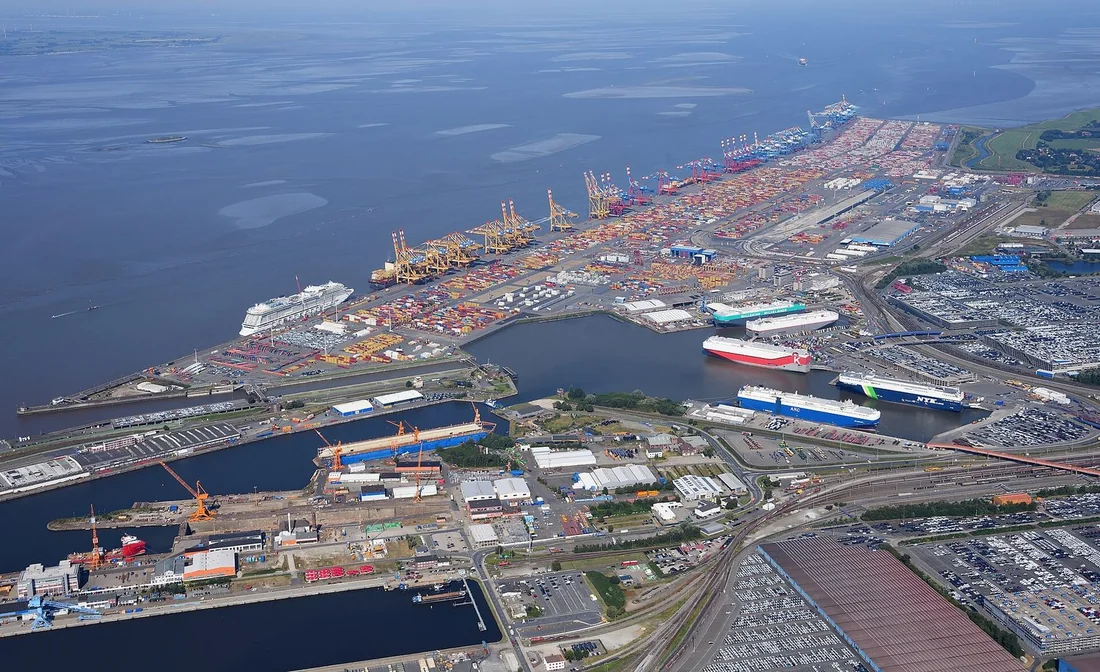
Globalisation: falling trade and transport costs tie national economies together
Manfaat globalisasi adalah:
Kesulitan 1/5 · 100 koin + bonus kecil pada penyelesaian pertama hari ini
Hal ini menurunkan harga, memperluas pasar, mentransfer teknologi, dan telah mengurangi kemiskinan di beberapa tempat.
Globalisasi dapat menyebabkan kehilangan pekerjaan di industri yang tidak mampu bersaing secara internasional.
Kesulitan 1/5 · 100 koin + bonus kecil pada penyelesaian pertama hari ini
Industri domestik yang tidak kompetitif dapat menyusut — biaya nyata dari keterbukaan.
Klasifikasikan setiap efek globalisasi.
Kesulitan 2/5 · 140 koin + bonus kecil pada penyelesaian pertama hari ini
Globalisasi membawa keuntungan dan kerugian — sehingga timbul perdebatan.
Winners and losers
- Benefits: cheaper goods, access to bigger markets, technology transfer 技术转移, and millions lifted from poverty (e.g. East Asia).
- Costs: job losses in uncompetitive industries, widening inequality 不平等, environmental strain, and loss of cultural diversity.
Both at once. Globalisation cut consumer prices and grew developing-country exports, and hollowed out some manufacturing regions in rich countries — which is why the politics are so contested.
The debate
- The question is not whether to globalise but how. Workers in industries that lose out need retraining and safety nets.
- Rules on the environment and fair trade terms help make sure the gains are shared rather than concentrated.
You've got it
- globalisation = deepening integration of economies (trade, finance, supply chains)
- driven by lower transport/communication costs, trade liberalisation, multinationals
- it has winners and losers — cheaper goods + poverty reduction vs job losses + inequality
Write from the data: find the tariff cut
- A country cuts a tariff from 20 percent to 5 percent.
- Transport costs and multinational production are unchanged in this step.
Berapa banyak poin persentase tarif turun, dan proses apa yang dipicu oleh hal itu?
Tarif yang lebih rendah mengintegrasikan pasar ini lebih erat dengan perdagangan dunia.
Berapa ukuran pemotongan tarif tersebut?
Kesulitan 1/5 · 100 koin + bonus kecil pada penyelesaian pertama hari ini
20 dikurangi 5 adalah liberalisasi. Opsi lain — 5 persen (tarif yang tersisa); 20 persen (tarif lama).