Introduction to Natural Selection
הוצג| English | משמעות |
|---|---|
| natural selection/ˈnætʃərəl sɪˈlekʃn/ | ברירה טבעית |
| variation/ˌveərɪˈeɪʃn/ | וריאציה |
| adaptation/ˌædæpˈteɪʃn/ | הסתגלות |
How life fits its world
- Every living thing seems remarkably suited to its way of life.
- A cactus stores water; a cheetah runs fast; a moth blends into bark.
- No designer arranged this — it arose on its own.
- The process behind it is natural selection.
Variation and competition
- Within any population, individuals show variation 变异 — they differ.
- Populations produce more offspring than can possibly survive.
- So individuals compete for limited food, space, and mates.
- Not all of them will live long enough to reproduce.
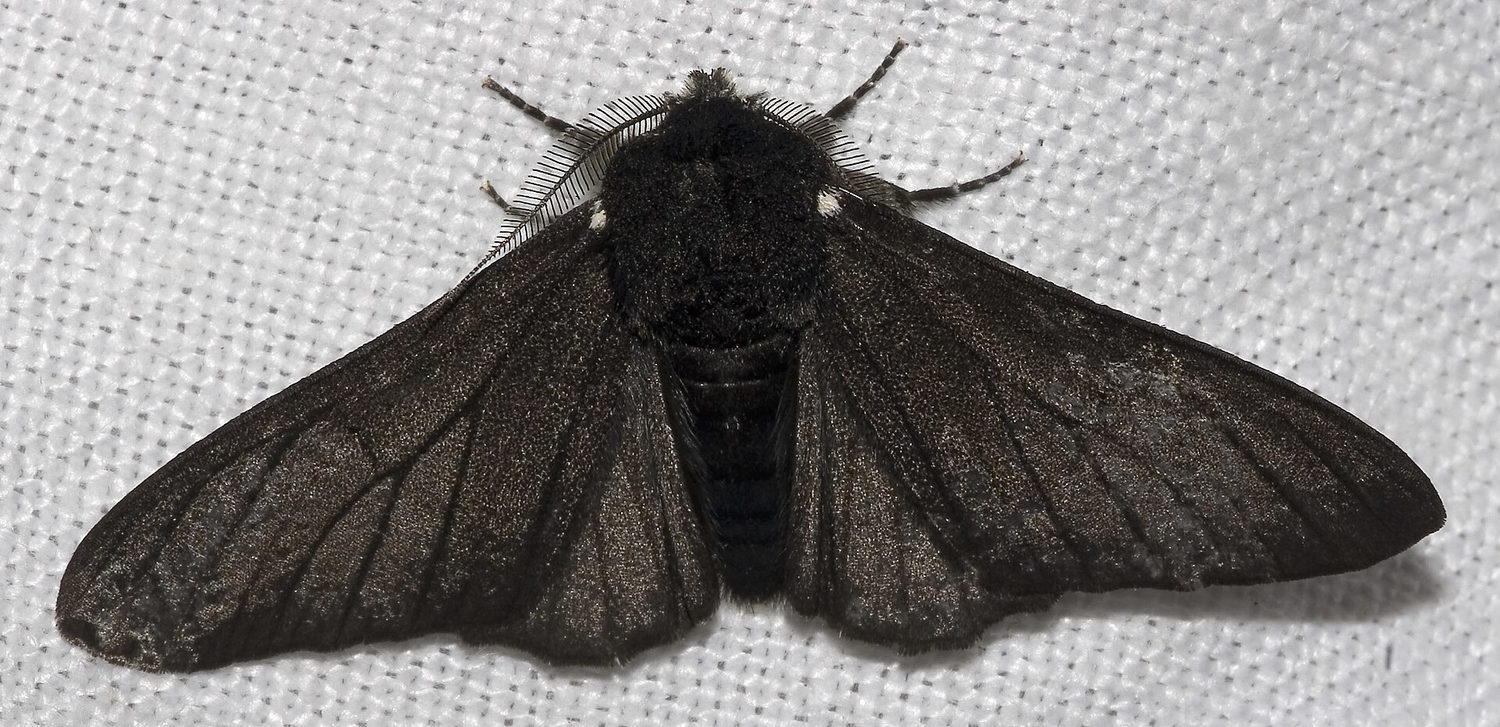
Peppered moth dark form (carbonaria)— industrial melanism is a classic natural-selection case study
Natural selection needs variation in a population, which means…
רמת קושי 1/5 · 100 מטבעות + בונוס קטן בהשלמה הראשונה היום
Variation means individuals differ; selection can only act if there are differences to choose between.
Survival of the fittest
- Individuals best suited to the environment are most likely to survive.
- They live longer and leave the most offspring.
- This is often called "survival of the fittest".
- The helpful trait must be heritable, so it can pass to those offspring.
Selection in action
On a dark, sooty tree the better-camouflaged moths survive and breed, so over generations the population shifts.
Which individuals leave the most offspring under natural selection?
רמת קושי 1/5 · 100 מטבעות + בונוס קטן בהשלמה הראשונה היום
The best-suited individuals survive and reproduce most — "survival of the fittest".
Populations change over time
- Because survivors pass on their helpful traits, those traits become more common.
- Over many generations, the whole population shifts.
- A useful feature that spreads this way is an adaptation 适应.
- This gradual change is natural selection 自然选择 at work.
A feature that helps an organism survive in its environment is an ____.
רמת קושי 1/5 · 100 מטבעות + בונוס קטן בהשלמה הראשונה היום
An adaptation is a helpful feature that natural selection has favoured over generations.
For natural selection to change a population, the helpful trait must be inherited.
רמת קושי 1/5 · 100 מטבעות + בונוס קטן בהשלמה הראשונה היום
Only heritable traits pass to offspring, so only they let a population change over generations.
Select all conditions natural selection needs.
רמת קושי 2/5 · 140 מטבעות + בונוס קטן בהשלמה הראשונה היום
Selection needs variation, so identical individuals would make it impossible. The other three are correct.
An individual does not adapt during its life to fit the environment. Populations change over generations, as some individuals reproduce more than others. Natural selection acts on the whole population, not on a single organism trying to change.
The peppered moth:
- Peppered moths came in pale and dark forms.
- When soot blackened the tree trunks, dark moths were better camouflaged and survived more.
- Over generations the population became mostly dark — natural selection in action.
Natural selection needs variation within a population, more offspring than can survive, and heritable traits. Individuals best suited to their environment survive and reproduce most, so their traits spread. Over generations the population changes, building up adaptations — features that fit the environment.
Write from heritable variation
- Dark moths survive more often on dark trees than pale moths.
- Colour is passed to offspring.
Which requirement of natural selection does the inherited colour meet?
Selection acts on inherited differences.
What must the moth colour difference be for selection to change the next generation?
רמת קושי 1/5 · 100 מטבעות + בונוס קטן בהשלמה הראשונה היום
Offspring must inherit the favoured difference.