Skip to content · ⁨الانتقال إلى المحتوى⁩

Impact of Computing · ⁨تأثير الحوسبة⁩

AP Computer Science Principles · ⁨AP مبادئ علوم الحاسوب⁩ · Topic 5 · ⁨الموضوع 5⁩

Video lesson for this topic · ⁨درس فيديو لهذا الموضوع⁩ Open the video page · ⁨افتح صفحة الفيديو⁩
8:12

تأثير الحوسبة

في عامabaynushi تسع وتسعين، بنى عالم واحد أداة صغيرة حتى يتمكن الفيزيائيون من تبادل الأوراق البحثية بشكل أسرع. لم يكن يخطط لأي من ذلك. سيارة تقود نفسها. أ…

English narration · English + 中文 subtitles burned in · ⁨سرد باللغة الإنجليزية · ترجمة مدمجة بالإنجليزية + الصينية⁩

5.1

Beneficial and Harmful Effects · ⁨الآثار المفيدة والضارة⁩

Syllabus · ⁨المنهج⁩
English

Enduring Understanding (IOC-1): While computing innovations are typically designed to achieve a specific purpose, they may have unintended consequences.

Learning Objective IOC-1.A: Explain how an effect of a computing innovation can be both beneficial and harmful. [Skill 5.C]

  • IOC-1.A.1 People create computing innovations.
  • IOC-1.A.2 The way people complete tasks often changes to incorporate new computing innovations.
  • IOC-1.A.3 Not every effect of a computing innovation is anticipated in advance.
  • IOC-1.A.4 A single effect can be viewed as both beneficial and harmful by different people, or even by the same person.
  • IOC-1.A.5 Advances in computing have generated and increased creativity in other fields, such as medicine, engineering, communications, and the arts.

Learning Objective IOC-1.B: Explain how a computing innovation can have an impact beyond its intended purpose. [Skill 5.C]

  • IOC-1.B.1 Computing innovations can be used in ways that their creators had not originally intended:
    • The World Wide Web was originally intended only for rapid and easy exchange of information within the scientific community.
    • Targeted advertising is used to help businesses, but it can be misused at both individual and aggregate levels.
    • Machine learning and data mining have enabled innovation in medicine, business, and science, but information discovered in this way has also been used to discriminate against groups of individuals.
  • IOC-1.B.2 Some of the ways computing innovations can be used may have a harmful impact on society, the economy, or culture.
  • IOC-1.B.3 Responsible programmers try to consider the unintended ways their computing innovations can be used and the potential beneficial and harmful effects of these new uses.
  • IOC-1.B.4 It is not possible for a programmer to consider all the ways a computing innovation can be used.
  • IOC-1.B.5 Computing innovations have often had unintended beneficial effects by leading to advances in other fields.
  • IOC-1.B.6 Rapid sharing of a program or running a program with a large number of users can result in significant impacts beyond the intended purpose or control of the programmer.
العربية

الفهم الدائم (IOC-1): بينما تُصمم الابتكارات الحاسوبية عادةً لتحقيق غرض محدد، إلا أنها قد يكون لها عواقب غير مقصودة.

هدف التعلم IOC-1.A: اشرح كيف يمكن أن يكون تأثير الابتكار الحاسوبي مفيدًا وضارًا في آن واحد. [مهارة 5.C]

  • IOC-1.A.1 يقوم البشر بإنشاء ابتكارات حاسوبية.
  • IOC-1.A.2 تتغير طرق إنجاز البشر للمهام غالبًا لتتضمن الابتكارات الحاسوبية الجديدة.
  • IOC-1.A.3 لا يتم التنبؤ بكل تأثيرات الابتكار الحاسوبي مسبقًا.
  • IOC-1.A.4 يمكن اعتبار تأثير واحد مفيدًا وضارًا في آن واحد من قبل أشخاص مختلفين، أو حتى من قبل نفس الشخص.
  • IOC-1.A.5 أدت التطورات في مجال الحوسبة إلى توليد وزيادة الإبداع في مجالات أخرى، مثل الطب والهندسة والاتصالات والفنون.

هدف التعلم IOC-1.B: اشرح كيف يمكن للابتكار الحاسوبي أن يكون له تأثير يتجاوز الغرض المقصود منه. [مهارة 5.C]

  • IOC-1.B.1 يمكن استخدام الابتكارات الحاسوبية بطرق لم يكن المبدعون قد نواها في الأصل:
    • كان الويب العالمي مصممًا في البداية فقط للتبادل السريع والسهل للمعلومات داخل المجتمع العلمي.
    • يُستخدم الإعلان المستهدف لمساعدة الشركات، ولكن يمكن إساءة استخدامه على كل من المستوى الفردي والمجتمعي.
    • مكنت تعلم الآلة وتنقيب البيانات من الابتكار في الطب والأعمال التجارية والعلم، ولكن تم أيضًا استخدام المعلومات المكتشفة بهذه الطريقة للتمييز ضد مجموعات من الأفراد.
  • IOC-1.B.2 بعض الطرق التي يمكن بها استخدام الابتكارات الحاسوبية قد يكون لها تأثير ضار على المجتمع أو الاقتصاد أو الثقافة.
  • IOC-1.B.3 يحاول المبرمجون المسؤولون مراعاة الطرق غير المقصودة التي يمكن بها استخدام ابتكاراتهم الحاسوبية والآثار المفيدة والضارة المحتملة لهذه الاستخدامات الجديدة.
  • IOC-1.B.4 لا يمكن للمبرمج النظر في جميع الطرق التي يمكن بها استخدام الابتكار الحاسوبي.
  • IOC-1.B.5 كان للابتكارات الحاسوبية غالبًا آثار مفيدة غير مقصودة من خلال المساهمة في تطورات في مجالات أخرى.
  • IOC-1.B.6 يمكن أن يؤدي المشاركة السريعة لبرنامج أو تشغيله مع عدد كبير من المستخدمين إلى تأثيرات كبيرة تتجاوز الغرض المقصود منه أو سيطرة المبرمج.
Source: College Board AP Course and Exam Description · ⁨المصدر: وصف دورة وامتحان College Board AP⁩

English

Every computing innovation can be used in ways that help and ways that harm – often the same technology does both. A social network connects people and can spread misinformation; automation raises productivity and can remove jobs. Effects are frequently unintended: creators cannot foresee every use. When you evaluate a computing innovation, weigh its benefits and harms on people and society, and remember that harms are not always deliberate.

Computing also generates creativity in other fields, which the CED asks for as a benefit in its own right, not merely as convenience: modelling and imaging in medicine, simulation in engineering, new forms in the arts and music, and new kinds of communication entirely. An innovation's beneficial effects are often in a field far from computing.

العربية
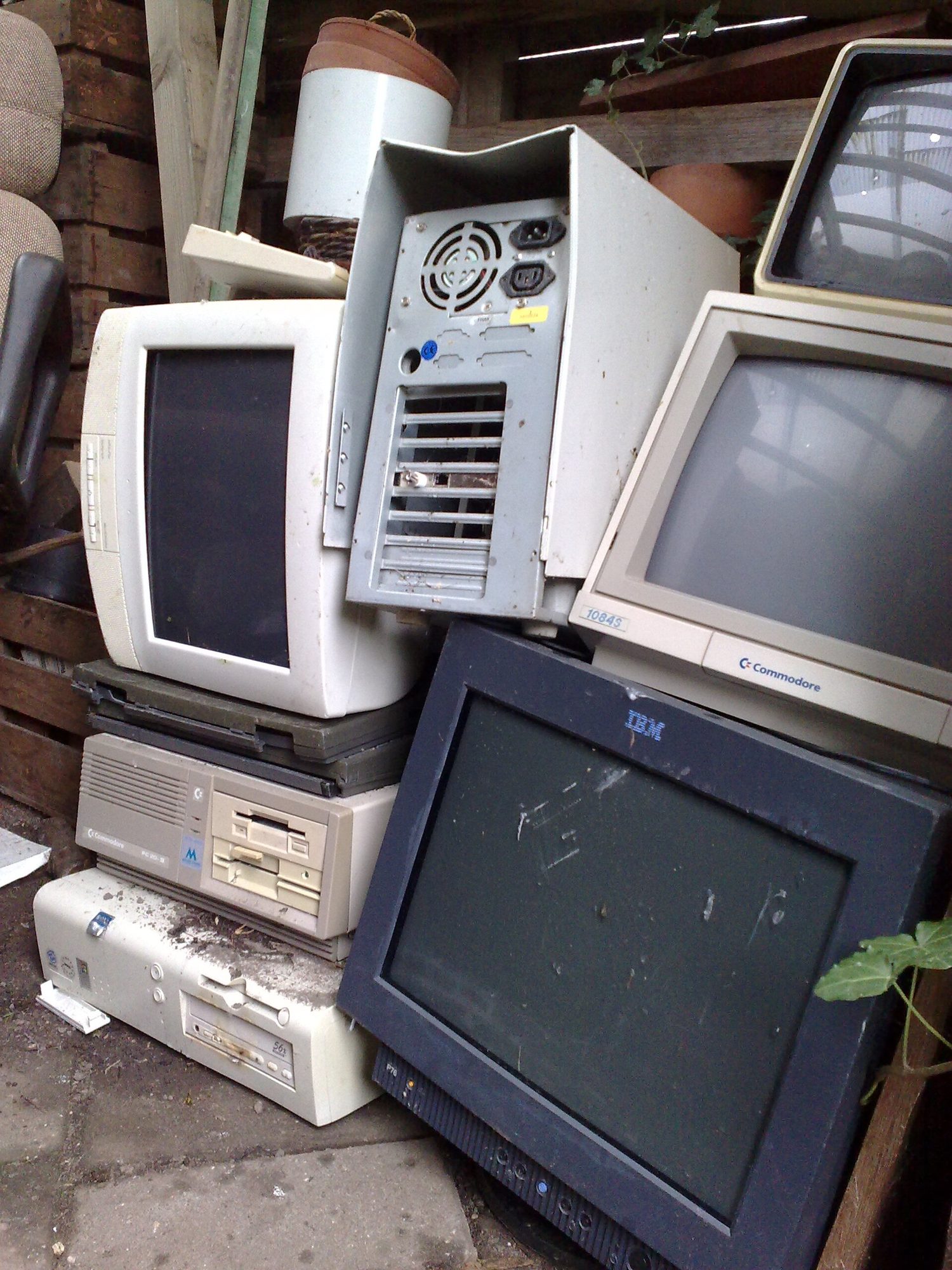
مجموعة من النفايات الإلكترونية — الحوسبة لها تكاليف بيئية بالإضافة إلى فوائدها

يمكن استخدام كل ابتكار في الحوسبة بطرق تُساعد وأخرى تُضرّ – وغالباً ما تقوم نفس التقنية بكلتا الوظيفتين. شبكات التواصل الاجتماعي تربط الناس وتُمكّن أيضاً من نشر المعلومات المضللة؛ والأتمتة ترفع الإنتاجية وتسبب أيضاً فقدان الوظائف. غالباً ما تكون هذه الآثار غير مقصودة: لا يمكن للمبتكرين التنبؤ بكل الاستخدامات المحتملة. عند تقييم أي ابتكار في الحوسبة، قارن بين فوائده وأضراره على الأفراد والمجتمع، وتذكر أن الأضرار ليست بالضرورة متعمدة.

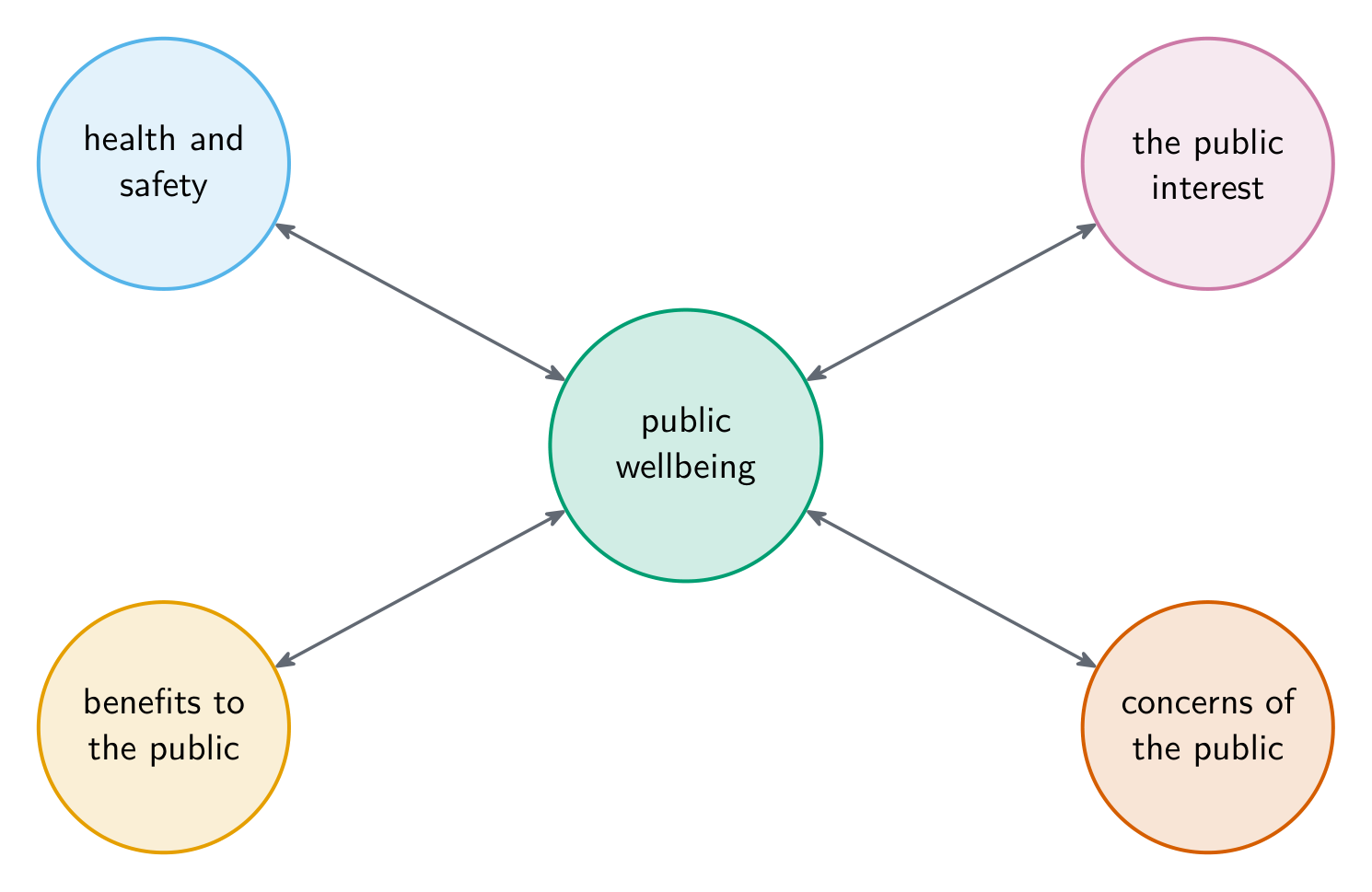
الحوسبة تؤثر على الرفاهية العامة بعدة طرق

تُنتج الحوسبة أيضاً الإبداع في مجالات أخرى، وهو ما تطالب به لجنة الامتحانات كفائدة مستقلة وليست مجرد وسيلة للراحة: النمذجة والتصوير في الطب، والمحاكاة في الهندسة، وأشكال جديدة في الفنون والموسيقى، وأنواع جديدة تماماً من الاتصالات. غالباً ما تكون تأثيرات الابتكار المفيدة في مجال بعيد عن الحوسبة نفسها.

5.2

The Digital Divide · ⁨الفجوة الرقمية⁩

Syllabus · ⁨المنهج⁩
English

Enduring Understanding (IOC-1): While computing innovations are typically designed to achieve a specific purpose, they may have unintended consequences.

Learning Objective IOC-1.C: Describe issues that contribute to the digital divide. [Skill 5.C]

  • IOC-1.C.1 Internet access varies between socioeconomic, geographic, and demographic characteristics, as well as between countries.
  • IOC-1.C.2 The "digital divide" refers to differing access to computing devices and the Internet, based on socioeconomic, geographic, or demographic characteristics.
  • IOC-1.C.3 The digital divide can affect both groups and individuals.
  • IOC-1.C.4 The digital divide raises issues of equity, access, and influence, both globally and locally.
  • IOC-1.C.5 The digital divide is affected by the actions of individuals, organizations, and governments.
العربية

الفهم الدائم (IOC-1): بينما تُصمم الابتكارات الحاسوبية عادةً لتحقيق غرض محدد، إلا أنها قد يكون لها عواقب غير مقصودة.

هدف التعلم IOC-1.C: صف القضايا التي تساهم في وجود الفجوة الرقمية. [مهارة 5.C]

  • IOC-1.C.1 يختلف الوصول إلى الإنترنت بين الخصائص الاجتماعية والاقتصادية والجغرافية والديموغرافية، وكذلك بين الدول.
  • IOC-1.C.2 يشير "الفجوة الرقمية" إلى الاختلافات في الوصول إلى الأجهزة الحاسوبية والإنترنت، بناءً على الخصائص الاجتماعية والاقتصادية أو الجغرافية أو الديموغرافية.
  • IOC-1.C.3 يمكن أن تؤثر الفجوة الرقمية على كل من المجموعات والأفراد.
  • IOC-1.C.4 تثير الفجوة الرقمية قضايا العدالة والوصول والتأثير، على الصعيدين العالمي والمحلي.
  • IOC-1.C.5 تتأثر الفجوة الرقمية بأفعال الأفراد والمنظمات والحكومات.

Source: College Board AP Course and Exam Description · ⁨المصدر: وصف دورة وامتحان College Board AP⁩

English

The digital divide 数字鸿沟 is the unequal access to computing and the Internet across groups – by income, geography, age, or country. Those with access gain education, jobs, and services; those without fall further behind. The divide is shaped by economic, social, and geographic factors, and efforts to close it (affordable devices, public access, infrastructure) aim to make computing's benefits fairer.

العربية

الفجوة الرقمية هي عدم المساواة في الوصول إلى الحوسبة والإنترنت عبر المجموعات – بناءً على الدخل، الموقع الجغرافي، العمر، أو الدولة. أولئك الذين يملكون الوصول يحصلون على تعليم ووظائف وخدمات؛ بينما يتخلف آخرون أكثر فأكثر. تتشكل الفجوة بسبب عوامل اقتصادية واجتماعية وجغرافية، وتسعى الجهود لسد هذا الفارق (الأجهزة المعقولة، الوصول العام، البنية التحتية) لجعل فوائد الحوسبة أكثر عدلاً.

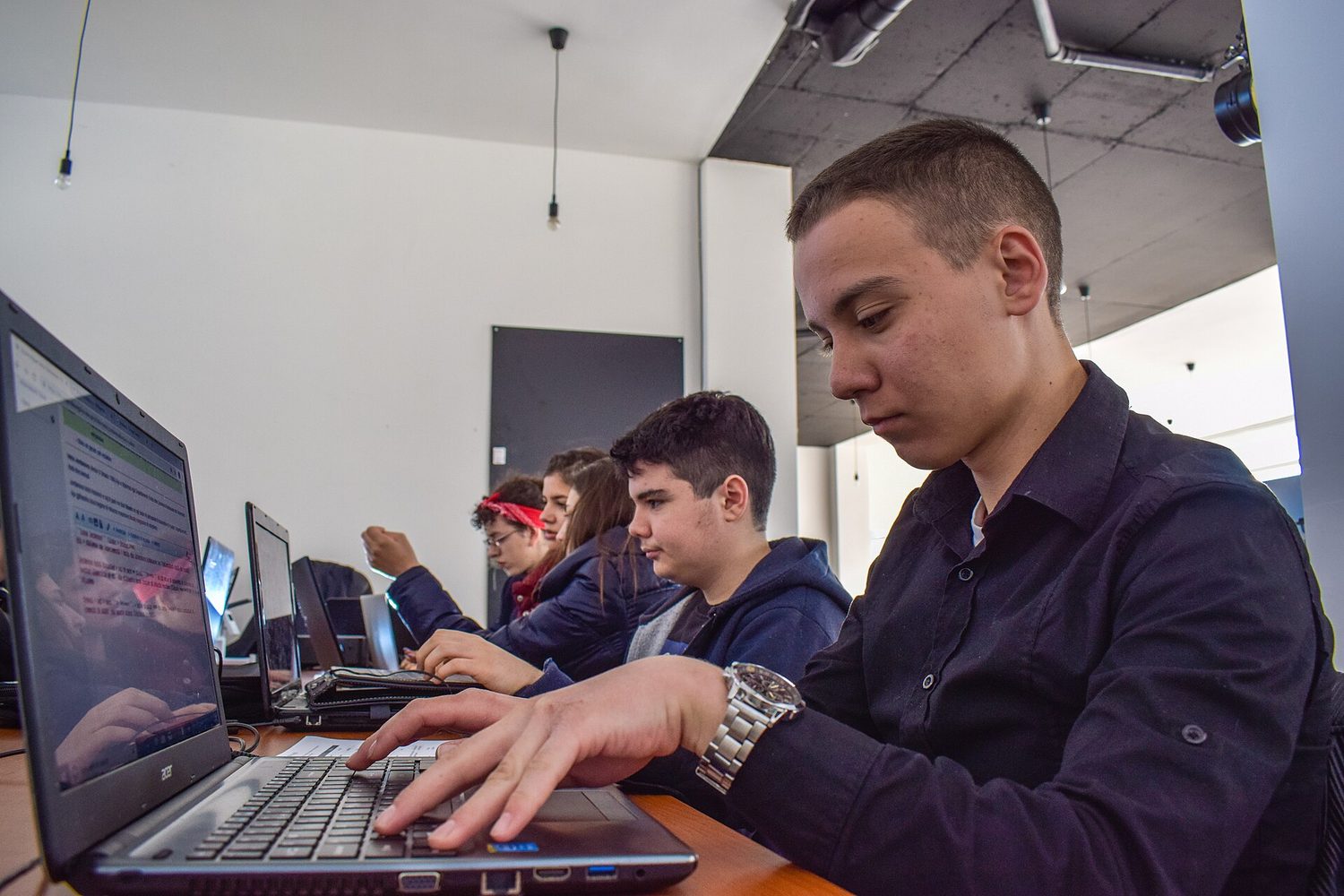
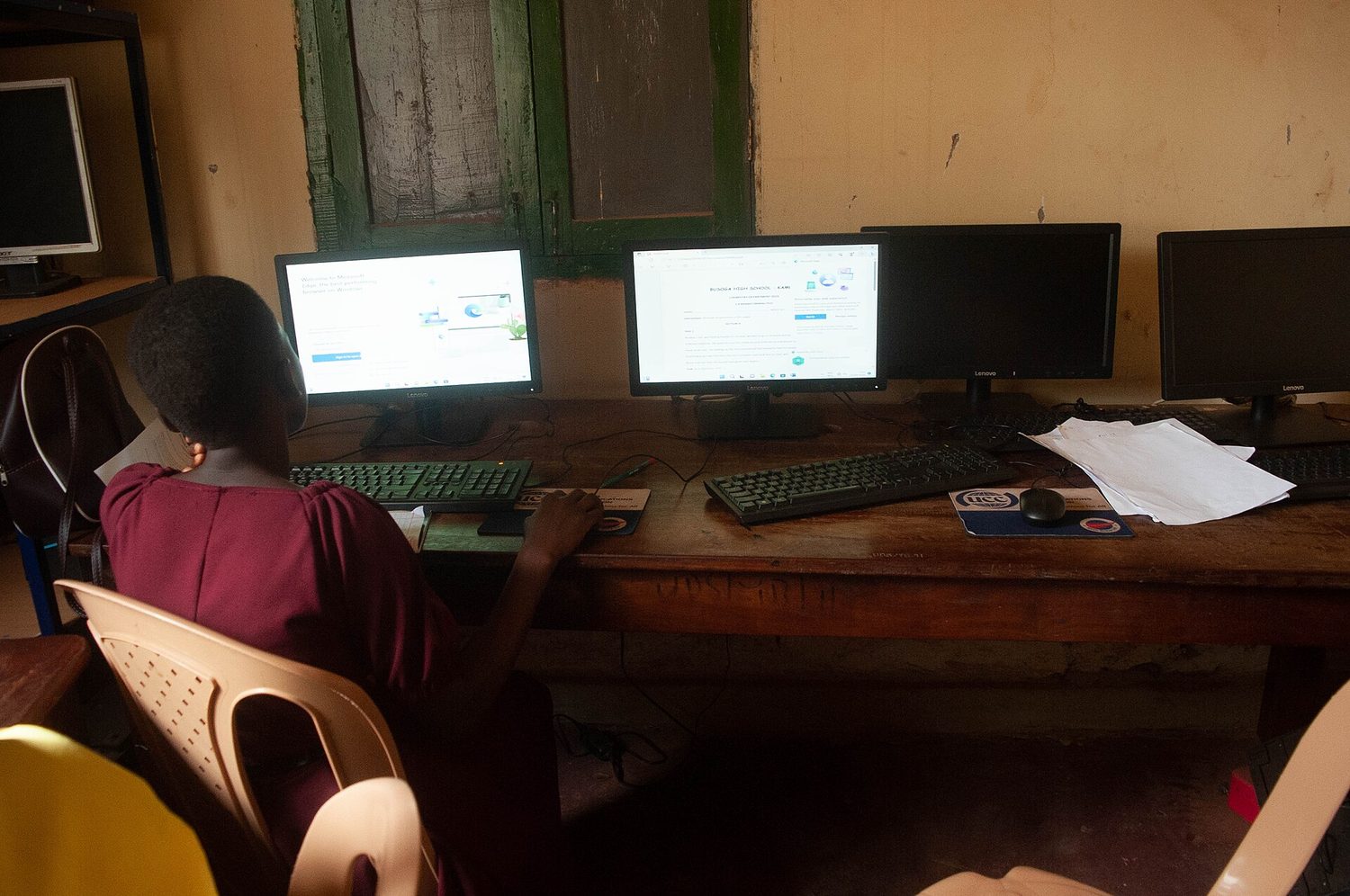
أجهزة حاسوب مكتبة عامة: الفجوة الرقمية تتعلق بعدم المساواة في الوصول للأجهزة والاتصال والمهارات
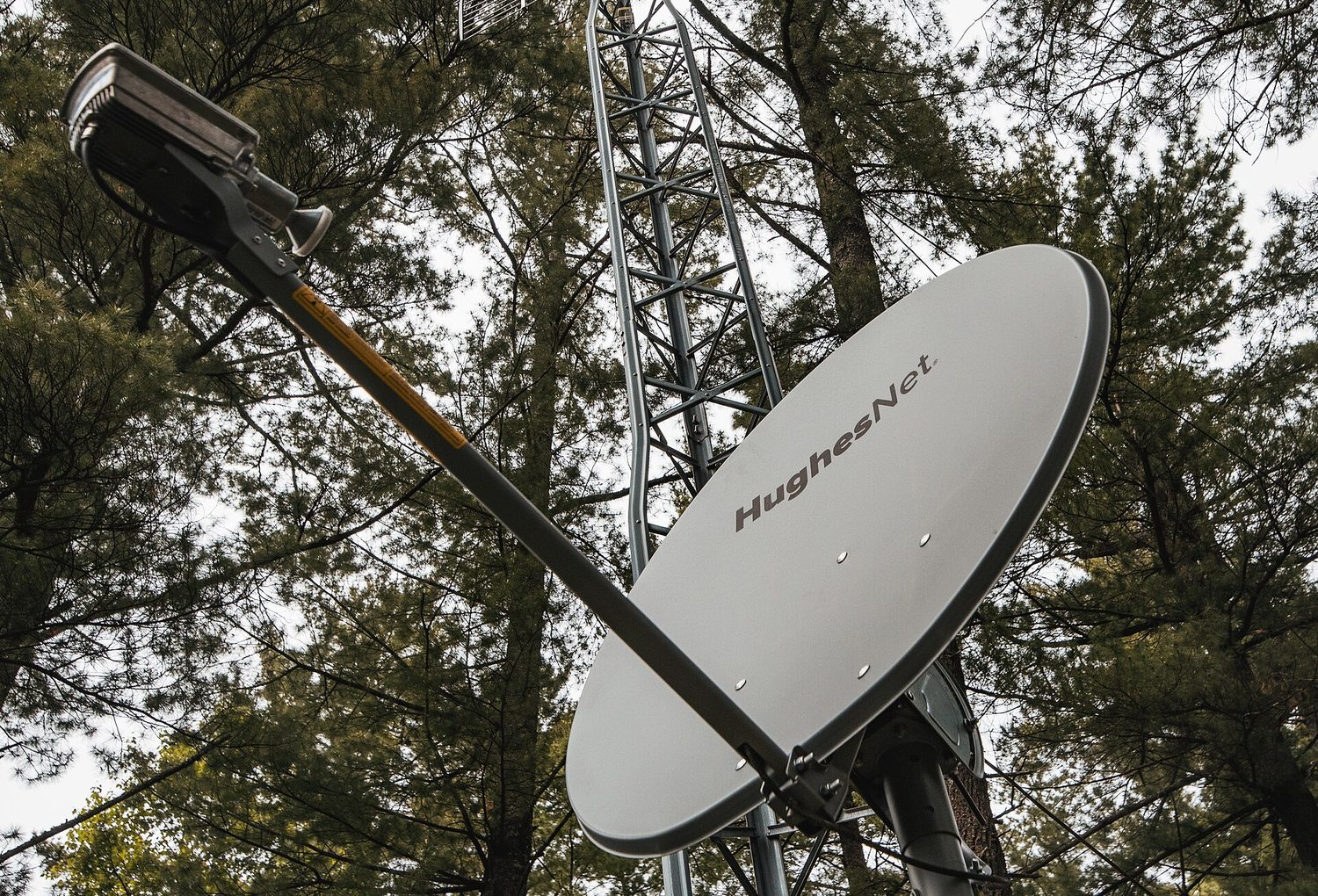
هوائي فضائي ريفي: الجغرافيا لا تزال تحدد من يحصل على إنترنت سريع ومن ينتظر
5.3

Computing Bias · ⁨تحيز الحوسبة⁩

Syllabus · ⁨المنهج⁩
English

Enduring Understanding (IOC-1): While computing innovations are typically designed to achieve a specific purpose, they may have unintended consequences.

Learning Objective IOC-1.D: Explain how bias exists in computing innovations. [Skill 5.E]

  • IOC-1.D.1 Computing innovations can reflect existing human biases because of biases written into the algorithms or biases in the data used by the innovation.
  • IOC-1.D.2 Programmers should take action to reduce bias in algorithms used for computing innovations as a way of combating existing human biases.
  • IOC-1.D.3 Biases can be embedded at all levels of software development.
العربية

الفهم الدائم (IOC-1): بينما تُصمم الابتكارات الحاسوبية عادةً لتحقيق غرض محدد، إلا أنها قد يكون لها عواقب غير مقصودة.

هدف التعلم IOC-1.D: اشرح كيفية وجود التحيز في الابتكارات الحاسوبية. [مهارة 5.E]

  • IOC-1.D.1 يمكن أن تعكس الابتكارات الحاسوبية التحيزات البشرية الموجودة بسبب التحيزات المكتوبة في الخوارزميات أو التحيزات في البيانات المستخدمة من قبل الابتكار.
  • IOC-1.D.2 يجب على المبرمجين اتخاذ إجراءات لتقليل التحيز في الخوارزميات المستخدمة في الابتكارات الحاسوبية كطريقة لمكافحة التحيزات البشرية الموجودة.
  • IOC-1.D.3 يمكن أن تكون التحيزات مدمجة في جميع مستويات تطوير البرمجيات.

Source: College Board AP Course and Exam Description · ⁨المصدر: وصف دورة وامتحان College Board AP⁩

English

Bias 偏见 can be built into computing systems – often unintentionally. If the data used to build a system reflects existing prejudice, or if the designers' assumptions are one-sided, the system can produce unfair results (for example, a hiring tool that favors one group). Bias can enter at every stage – data collection, design, and use – so systems should be tested for fairness across different groups. Recognizing that "the computer said so" is not the same as "fair" is an important habit.

العربية
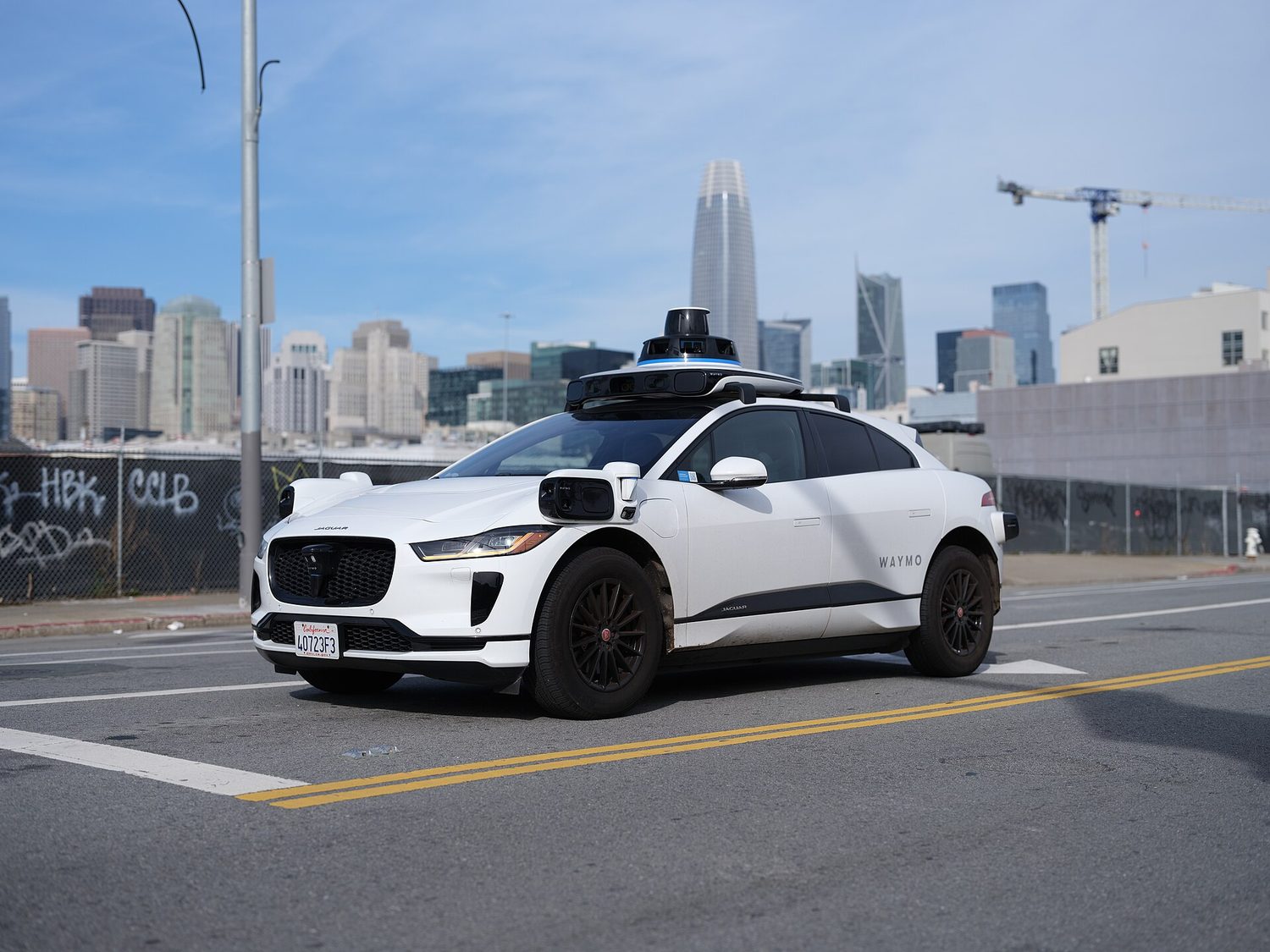
سيارة ذاتية القيادة في شارع مديني – الأنظمة المستقلة تثير أسئلة السلامة والتحيز

التحيز قد يكون مُدمجاً في أنظمة الحوسبة – وغالباً بشكل غير مقصود. إذا كانت البيانات المستخدمة لبناء النظام تعكس تحيزات قائمة، أو إذا كانت افتراضات المصممين أحادية الجانب، فقد يُنتج النظام نتائج غير عادلة (على سبيل المثال، أداة للتوظيف تفضل مجموعة دون أخرى). يمكن أن يدخل التحيز في كل مرحلة – جمع البيانات، التصميم، والاستخدام – لذا يجب اختبار الأنظمة لضمان العدالة عبر مجموعات مختلفة. يُعد إدراك أن "الحاسوب قال ذلك" لا يعني بالضرورة أنه "عادِل" عادةً مهمة مهمة.

5.4

Crowdsourcing · ⁨العمل الجماعي (Crowdsourcing)⁩

Syllabus · ⁨المنهج⁩
English

Enduring Understanding (IOC-1): While computing innovations are typically designed to achieve a specific purpose, they may have unintended consequences.

Learning Objective IOC-1.E: Explain how people participate in problem-solving processes at scale. [Skill 1.C]

  • IOC-1.E.1 Widespread access to information and public data facilitates the identification of problems, development of solutions, and dissemination of results.
  • IOC-1.E.2 Science has been affected by using distributed and "citizen science" to solve scientific problems.
  • IOC-1.E.3 Citizen science is scientific research conducted in whole or part by distributed individuals, many of whom may not be scientists, who contribute relevant data to research using their own computing devices.
  • IOC-1.E.4 Crowdsourcing is the practice of obtaining input or information from a large number of people via the Internet.
  • IOC-1.E.5 Human capabilities can be enhanced by collaboration via computing.
  • IOC-1.E.6 Crowdsourcing offers new models for collaboration, such as connecting businesses or social causes with funding.
العربية

الفهم الدائم (IOC-1): بينما تُصمم الابتكارات الحاسوبية عادةً لتحقيق غرض محدد، إلا أنها قد يكون لها عواقب غير مقصودة.

هدف التعلم IOC-1.E: اشرح كيف يشارك الناس في عمليات حل المشكلات على نطاق واسع. [مهارة 1.C]

  • IOC-1.E.1 يسهل الوصول الواسع النطاق إلى المعلومات والبيانات العامة تحديد المشاكل وتطوير الحلول ونشر النتائج.
  • IOC-1.E.2 تأثرت العلوم باستخدام النظام اللامركزي و"العلم المواطن" لحل المشكلات العلمية.
  • IOC-1.E.3 العلم المواطن هو بحث علمي يُجرى كليًا أو جزئيًا من قبل أفراد موزعين، العديد منهم قد لا يكونون علماء، يساهمون ببيانات ذات صلة في البحث باستخدام أجهزتهم الحاسوبية الخاصة.
  • IOC-1.E.4 العمل الجماعي عبر الإنترنت هو ممارسة الحصول على مدخلات أو معلومات من عدد كبير من الأشخاص عبر الإنترنت.
  • IOC-1.E.5 يمكن تعزيز القدرات البشرية من خلال التعاون عبر الحوسبة.
  • IOC-1.E.6 يوفر العمل الجماعي عبر الإنترنت نماذج جديدة للتعاون، مثل ربط الشركات أو القضايا الاجتماعية بالتمويل.

Source: College Board AP Course and Exam Description · ⁨المصدر: وصف دورة وامتحان College Board AP⁩

English

Crowdsourcing 众包 obtains input, ideas, or funding from a large group of people, usually online. It harnesses the knowledge and effort of many – mapping projects, product reviews, citizen science, and crowdfunding all rely on it. The Internet makes crowdsourcing possible at a scale and speed never before achievable, letting a project draw on contributors worldwide.

العربية

العمل الجماعي يستمد المدخلات والأفكار أو التمويل من مجموعة كبيرة من الأشخاص، عادةً عبر الإنترنت. إنه يستغل المعرفة والجهد العديد من الأشخاص – مشاريع الخرائط، ومراجعات المنتجات، والعلم المواطن، وجمع التبرعات الجماعي جميعها تعتمد عليه. يجعل الإنترنت العمل الجماعي ممكناً على نطاق وسرعة لم يكن ممكناً سابقاً، مما يسمح للمشروع بالاستفادة من مساهم من جميع أنحاء العالم.

جلسة تعديل ويكيبيديا: العمل الجماعي يجمع جهود الكثيرين في مورد مشترك
5.5

Legal and Ethical Concerns · ⁨المخاوف القانونية والأخلاقية⁩

Syllabus · ⁨المنهج⁩
English

Enduring Understanding (IOC-1): While computing innovations are typically designed to achieve a specific purpose, they may have unintended consequences.

Learning Objective IOC-1.F: Explain how the use of computing can raise legal and ethical concerns. [Skill 5.E]

  • IOC-1.F.1 Material created on a computer is the intellectual property of the creator or an organization.
  • IOC-1.F.2 Ease of access and distribution of digitized information raises intellectual property concerns regarding ownership, value, and use.
  • IOC-1.F.3 Measures should be taken to safeguard intellectual property.
  • IOC-1.F.4 The use of material created by someone else without permission and presented as one's own is plagiarism and may have legal consequences.
  • IOC-1.F.5 Some examples of legal ways to use materials created by someone else include:
    • Creative Commons—a public copyright license that enables the free distribution of an otherwise copyrighted work. This is used when the content creator wants to give others the right to share, use, and build upon the work they have created.
    • open source—programs that are made freely available and may be redistributed and modified
    • open access—online research output free of any and all restrictions on access and free of many restrictions on use, such as copyright or license restrictions
  • IOC-1.F.6 The use of material created by someone other than you should always be cited.
  • IOC-1.F.7 Creative Commons, open source, and open access have enabled broad access to digital information.
  • IOC-1.F.8 As with any technology or medium, using computing to harm individuals or groups of people raises legal and ethical concerns.
  • IOC-1.F.9 Computing can play a role in social and political issues, which in turn often raises legal and ethical concerns.
  • IOC-1.F.10 The digital divide raises ethical concerns around computing.
  • IOC-1.F.11 Computing innovations can raise legal and ethical concerns. Some examples of these include:
    • the development of software that allows access to digital media downloads and streaming
    • the development of algorithms that include bias
    • the existence of computing devices that collect and analyze data by continuously monitoring activities
العربية

الفهم الدائم (IOC-1): بينما تُصمم الابتكارات الحاسوبية عادةً لتحقيق غرض محدد، إلا أنها قد يكون لها عواقب غير مقصودة.

هدف التعلم IOC-1.F: اشرح كيف يمكن أن يثير استخدام الحوسبة مخاوف قانونية وأخلاقية. [مهارة 5.E]

  • IOC-1.F.1 المواد المنشأة على الكمبيوتر هي ملكية فكرية للمبتكر أو المؤسسة.
  • IOC-1.F.2 سهولة الوصول وتوزيع المعلومات الرقمية تثير مخاوف الملكية الفكرية فيما يتعلق بالملكية والقيمة والاستخدام.
  • IOC-1.F.3 ينبغي اتخاذ تدابير لحماية الملكية الفكرية.
  • IOC-1.F.4 استخدام مواد أنشأها شخص آخر دون إذن وتقديمها على أنها خاصة بك يُعد سرقة أدبية وقد يكون له عواقب قانونية.
  • IOC-1.F.5 بعض الأمثلة على الطرق القانونية لاستخدام مواد أنشأها شخص آخر تشمل:
    • Creative Commons—رخصة حقوق طبع ونشر عامة تتيح التوزيع المجاني لعمل محمي بحقوق الطبع والنشر بشكل افتراضي. يُستخدم هذا عندما يرغب منشئ المحتوى في منح الآخرين الحق في المشاركة والاستخدام وبناء العمل الذي أنشأوه.
    • مفتوح المصدر—برامج تُقدم مجاناً ويمكن إعادة توزيعها وتعديلها
    • الوصول المفتوح—مخرجات بحثية عبر الإنترنت مجانية من أي وجميع قيود الوصول ومفتوحة على نطاق واسع للاستخدام، مثل قيود حقوق الطبع والنشر أو التراخيص
  • IOC-1.F.6 يجب دائمًا الإشارة إلى المواد التي تم إنشاؤها من قبل شخص آخر غيرك.
  • IOC-1.F.7 مكّنت كل من Creative Commons ومفتوح المصدر والوصول المفتوح من الوصول الواسع إلى المعلومات الرقمية.
  • IOC-1.F.8 كما هو الحال مع أي تقنية أو وسيط، فإن استخدام الحوسبة لإيذاء الأفراد أو المجموعات يثير مخاوف قانونية وأخلاقية.
  • IOC-1.F.9 يمكن للحوسبة أن تلعب دورًا في القضايا الاجتماعية والسياسية، مما يثير بدوره مخاوف قانونية وأخلاقية.
  • IOC-1.F.10 تثير الفجوة الرقمية مخاوف أخلاقية حول الحوسبة.
  • IOC-1.F.11 يمكن أن تثير ابتكارات الحوسبة مخاوف قانونية وأخلاقية. بعض أمثلة ذلك تشمل:
    • تطوير برمجيات تسمح بالوصول إلى تنزيلات الوسائط الرقمية والتدفق
    • تطوير خوارزميات تتضمن تحيزًا
    • وجود أجهزة حوسبة تجمع وتحلل البيانات من خلال المراقبة المستمرة للأنشطة

Source: College Board AP Course and Exam Description · ⁨المصدر: وصف دورة وامتحان College Board AP⁩

English

Computing raises questions of law and ethics:

  • Intellectual property 知识产权 and copyright 版权 protect creators' work; using it may require permission or a license. Open-source 开源 and Creative Commons licenses let creators share work under stated terms.
  • Plagiarism 抄袭 – using others' work as your own – is unethical and often illegal.
  • Collecting and using personal data raises privacy questions about consent and misuse.

The three "open" terms, which are not the same thing

Term What it means
open source programs that are made freely available and may be redistributed and modified by anyone. The licence grants those rights explicitly — free of charge is not the same as open source, and a free program you may not modify is not open source.
open access 开放获取 research and other content made available online without charge, so a reader does not need a subscription. It says nothing about the right to modify.
Creative Commons 知识共享 a family of licences a creator applies to their own work to grant specific permissions in advance — for example "you may reuse this if you credit me" or "you may reuse this but not commercially".

All three are ways of granting rights the creator holds by default under copyright. That is why they matter for the exam: copyright is automatic, so anything not explicitly licensed is restricted, and using it needs permission.

Just because something is technically possible does not make it legal or ethical.

What is recorded while you browse

Two collection routes the CED names, and neither needs you to type anything:

  • Websites can record and maintain a history of the individuals who have viewed their pages — which pages, when, how long, and from which device.
  • Search engines can use your search history to suggest websites, and to sell targeted marketing: the advertisement follows the search, which is why a product looked up once then appears for weeks.

Neither is inherently malicious, and both are the mechanism behind services people find useful. The point the exam wants is that data collected for one purpose can be combined and used for another, often without the person realising they agreed to it.

العربية
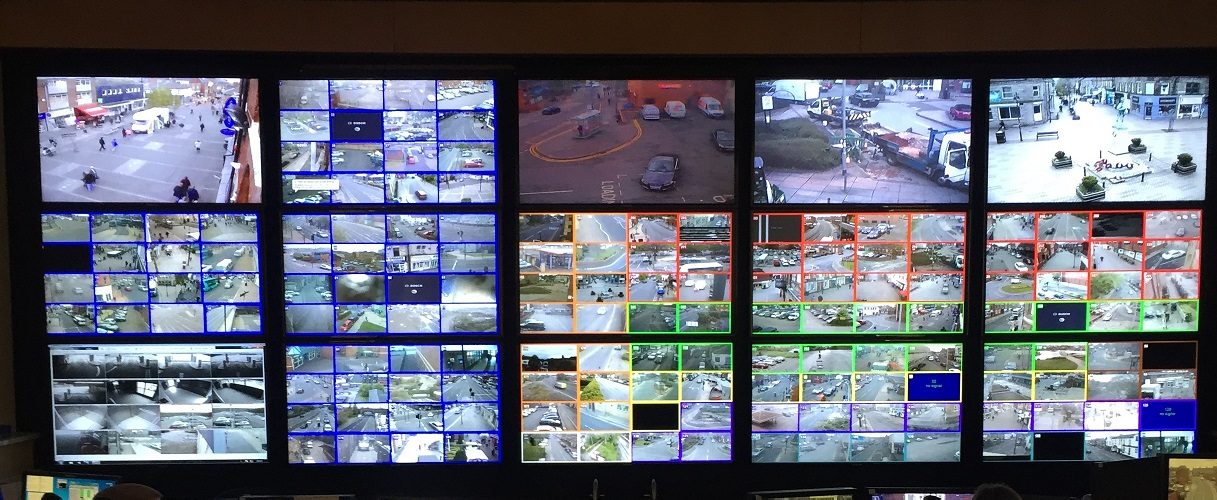
غرفة تحكم بمراقبة CCTV: أنظمة المراقبة تبادل مكاسب السلامة مع مخاوف الخصوصية

تثير الحوسبة تساؤلات قانونية وأخلاقية:

  • الملكية الفكرية وحقوق النشر تحمي عمل المبدعين؛ واستخدامه قد يتطلب إذنًا أو ترخيصًا. تسمح تراخيص الكود المفتوح وكرييتيف كومنز للمبدعين بمشاركة أعمالهم بشروط محددة.
  • السرقة الأدبية – استخدام عمل الآخرين باعتباره خاصًا بك – أمر غير أخلاقي وغالبًا ما يكون غير قانوني.
  • جمع البيانات الشخصية واستخدامها يثير مسائل خصوصية تتعلق بالإذن والإساءة للاستخدام.

المصطلحات الثلاثة "مفتوحة"، والتي ليست متماثلة

المصطلح ماذا يعني
الكود المفتوح برامج يتم توفيرها مجانًا ويمكن لأي شخص إعادة توزيعها وتعديلها. يمنح التراخيص تلك الحقوق صراحة – المجانية ليست هي نفسها الكود المفتوح، والبرنامج المجاني الذي لا يمكنك تعديله ليس كودًا مفتوحًا.
الوصول المفتوح أبحاث ومحتوى آخر متوفر عبر الإنترنت بدون رسوم، بحيث لا يحتاج القارئ إلى اشتراك. لا يقول شيئًا عن حق التعديل.
كرييتيف كومنز عائلة من الترابيقات يطبقها المبدع على أعماله لإ granting إجازات محددة مسبقًا – على سبيل المثال "يمكنك إعادة استخدام هذا إذا نسبت لي" أو "يمكنك إعادة استخدام هذا ولكن ليس لأغراض تجارية".

جميعها ثلاث طرق لـ منح حقوق يملكها المبدع بشكل افتراضي بموجب حقوق النشر. ولهذا السبب هي مهمة للامتحان: حقوق النشر تلقائية، لذا فإن أي شيء غير مرخص صراحة هو مقيد، واستخدامه يتطلب إذنًا.

فقط لأن شيئًا ما ممكن تقنيًا لا يجعله قانونيًا أو أخلاقيًا.

ما يتم تسجيله أثناء تصفحك

طريقتان لجمع البيانات يذكرهما برنامج الامتحان، ولا تحتاج أي منهما إلى كتابة أي شيء:

  • يمكن للمواقع تسجيل والحفاظ على سجل للأفراد الذين زاروا صفحاتها – أي الصفحات، ومتى، ولأي مدة، ومن أي جهاز.
  • يمكن لمحركات البحث استخدام سجل بحثك لاقتراح مواقع ويب، ولتسويق مستهدف: حيث يتبع الإعلان عملية البحث، ولهذا السبب يظهر منتج تم البحث عنه مرة واحدة لفترة طويلة.

لا يعد أي منهما ضارًا بطبيعته، وكلاهما يمثل الآلية الكامنة خلف الخدمات التي يراها الناس مفيدة. النقطة التي يركز عليها الامتحان هي أن البيانات المجمعة لغرض واحد يمكن دمجها واستخدامها لغرض آخر، وغالبًا دون أن يدرك الشخص أنه وافق على ذلك.

5.6

Safe Computing · ⁨الحوسبة الآمنة⁩

Syllabus · ⁨المنهج⁩
English

Enduring Understanding (IOC-2): The use of computing innovations may involve risks to personal safety and identity.

Learning Objective IOC-2.A: Describe the risks to privacy from collecting and storing personal data on a computer system. [Skill 5.D]

  • IOC-2.A.1 Personally identifiable information (PII) is information about an individual that identifies, links, relates, or describes them. Examples of PII include:
    • Social Security number
    • age
    • race
    • phone number(s)
    • medical information
    • financial information
    • biometric data
  • IOC-2.A.2 Search engines can record and maintain a history of searches made by users.
  • IOC-2.A.3 Websites can record and maintain a history of individuals who have viewed their pages.
  • IOC-2.A.4 Devices, websites, and networks can collect information about a user's location.
  • IOC-2.A.5 Technology enables the collection, use, and exploitation of information about, by, and for individuals, groups, and institutions.
  • IOC-2.A.6 Search engines can use search history to suggest websites or for targeted marketing.
  • IOC-2.A.7 Disparate personal data, such as geolocation, cookies, and browsing history, can be aggregated to create knowledge about an individual.
  • IOC-2.A.8 PII and other information placed online can be used to enhance a user's online experiences.
  • IOC-2.A.9 PII stored online can be used to simplify making online purchases.
  • IOC-2.A.10 Commercial and governmental curation of information may be exploited if privacy and other protections are ignored.
  • IOC-2.A.11 Information placed online can be used in ways that were not intended and that may have a harmful impact. For example, an email message may be forwarded, tweets can be retweeted, and social media posts can be viewed by potential employers.
  • IOC-2.A.12 PII can be used to stalk or steal the identity of a person or to aid in the planning of other criminal acts.
  • IOC-2.A.13 Once information is placed online, it is difficult to delete.
  • IOC-2.A.14 Programs can collect your location and record where you have been, how you got there, and how long you were at a given location.
  • IOC-2.A.15 Information posted to social media services can be used by others. Combining information posted on social media and other sources can be used to deduce private information about you.

Learning Objective IOC-2.B: Explain how computing resources can be protected and can be misused. [Skill 5.E]

  • IOC-2.B.1 Authentication measures protect devices and information from unauthorized access. Examples of authentication measures include strong passwords and multifactor authentication.
  • IOC-2.B.2 A strong password is something that is easy for a user to remember but would be difficult for someone else to guess based on knowledge of that user.
  • IOC-2.B.3 Multifactor authentication is a method of computer access control in which a user is only granted access after successfully presenting several separate pieces of evidence to an authentication mechanism, typically in at least two of the following categories: knowledge (something they know), possession (something they have), and inherence (something they are).
  • IOC-2.B.4 Multifactor authentication requires at least two steps to unlock protected information; each step adds a new layer of security that must be broken to gain unauthorized access.
  • IOC-2.B.5 Encryption is the process of encoding data to prevent unauthorized access. Decryption is the process of decoding the data. Two common encryption approaches are:
    • Symmetric key encryption involves one key for both encryption and decryption.
    • Public key encryption pairs a public key for encryption and a private key for decryption. The sender does not need the receiver's private key to encrypt a message, but the receiver's private key is required to decrypt the message.
    • Exclusion statement (EK IOC-2.B.5): Specific mathematical procedures for encryption and decryption are beyond the scope of this course and the AP Exam.
  • IOC-2.B.6 Certificate authorities issue digital certificates that validate the ownership of encryption keys used in secure communications and are based on a trust model.
  • IOC-2.B.7 Computer virus and malware scanning software can help protect a computing system against infection.
  • IOC-2.B.8 A computer virus is a malicious program that can copy itself and gain access to a computer in an unauthorized way. Computer viruses often attach themselves to legitimate programs and start running independently on a computer.
  • IOC-2.B.9 Malware is software intended to damage a computing system or to take partial control over its operation.
  • IOC-2.B.10 All real-world systems have errors or design flaws that can be exploited to compromise them. Regular software updates help fix errors that could compromise a computing system.
  • IOC-2.B.11 Users can control the permissions programs have for collecting user information. Users should review the permission settings of programs to protect their privacy.

Learning Objective IOC-2.C: Explain how unauthorized access to computing resources is gained. [Skill 5.E]

  • IOC-2.C.1 Phishing is a technique that attempts to trick a user into providing personal information. That personal information can then be used to access sensitive online resources, such as bank accounts and emails.
  • IOC-2.C.2 Keylogging is the use of a program to record every keystroke made by a computer user in order to gain fraudulent access to passwords and other confidential information.
  • IOC-2.C.3 Data sent over public networks can be intercepted, analyzed, and modified. One way that this can happen is through a rogue access point.
  • IOC-2.C.4 A rogue access point is a wireless access point that gives unauthorized access to secure networks.
  • IOC-2.C.5 A malicious link can be disguised on a web page or in an email message.
  • IOC-2.C.6 Unsolicited emails, attachments, links, and forms in emails can be used to compromise the security of a computing system. These can come from unknown senders or from known senders whose security has been compromised.
  • IOC-2.C.7 Untrustworthy (often free) downloads from freeware or shareware sites can contain malware.
العربية

فهم دائم (IOC-2): قد يتضمن استخدام ابتكارات الحوسبة مخاطر على السلامة الشخصية والهوية.

هدف التعلم IOC-2.A: صف المخاطر التي تهدد الخصوصية الناجمة عن جمع وتخزين البيانات الشخصية على نظام حاسوب. [مهارة 5.D]

  • IOC-2.A.1 المعلومات القابلة للتعرف عليها شخصيًا (PII) هي معلومات عن فرد تحدد أو تربط أو تتعلق أو تصفه. تشمل أمثلة PII ما يلي:
    • رقم الضمان الاجتماعي
    • العمر
    • العرق
    • أرقام الهاتف
    • المعلومات الطبية
    • المعلومات المالية
    • البيانات الحيوية
  • IOC-2.A.2 يمكن لمحركات البحث تسجيل والحفاظ على سجل لعمليات البحث التي قام بها المستخدمون.
  • IOC-2.A.3 يمكن للمواقع الإلكترونية تسجيل والحفاظ على سجل للأفراد الذين زاروا صفحاتهم.
  • IOC-2.A.4 يمكن للأجهزة والمواقع والشبكات جمع معلومات عن موقع المستخدم.
  • IOC-2.A.5 تمكن التكنولوجيا من جمع المعلومات عن الأفراد والمجموعات والمؤسسات، واستخدامها واستغلالها.
  • IOC-2.A.6 يمكن لمحركات البحث استخدام سجل البحث لاقتراح مواقع إلكترونية أو للتسويق الموجه.
  • IOC-2.A.7 يمكن تجميع بيانات شخصية متباينة، مثل تحديد الموقع الجغرافي وكوكيز وسجل التصفح، لإنشاء معرفة عن الفرد.
  • IOC-2.A.8 يمكن استخدام المعلومات القابلة للتعرف عليها شخصيًا وغيرها من المعلومات المنشرة عبر الإنترنت لتحسين تجارب المستخدمين عبر الإنترنت.
  • IOC-2.A.9 يمكن استخدام المعلومات القابلة للتعرف عليها شخصيًا المخزنة عبر الإنترنت لتبسيط عمليات الشراء عبر الإنترنت.
  • IOC-2.A.10 يمكن استغلال إدارة المعلومات التجارية والحكومية إذا تم تجاهل الخصوصية والحماية الأخرى.
  • IOC-2.A.11 يمكن استخدام المعلومات المنشرة عبر الإنترنت بطرق لم تكن مقصودة وقد يكون لها تأثير ضار. على سبيل المثال، قد يتم إعادة إرسال رسالة بريد إلكتروني، ويمكن إعادة نشر التغريدات، ويمكن لعرض منشورات وسائل التواصل الاجتماعي من قبل أصحاب عمل محتملين.
  • IOC-2.A.12 يمكن استخدام المعلومات القابلة للتعرف عليها شخصيًا لملاحقة أو سرقة هوية شخص ما أو للمساعدة في التخطيط لجرائم أخرى.
  • IOC-2.A.13 بمجرد وضع المعلومات عبر الإنترنت، يصبح حذفها أمرًا صعبًا.
  • IOC-2.A.14 يمكن للبرامج جمع موقعك وتسجيل أين كنت، وكيف وصلت إلى هناك، وكم مدة بقائك في موقع معين.
  • IOC-2.A.15 يمكن استخدام المعلومات المنشورة على خدمات وسائل التواصل الاجتماعي من قِبل آخرين. يمكن دمج المعلومات المنشورة على وسائل التواصل الاجتماعي ومصادر أخرى لاستنتاج معلومات خاصة بك.

هدف التعلم IOC-2.B: اشرح كيفية حماية موارد الحوسبة وكيفية إساءة استخدامها. [مهارة 5.E]

  • IOC-2.B.1 تدفع تدابير التحقق من الهوية الأجهزة والمعلومات ضد الوصول غير المصرح به. تشمل أمثلة تدابير التحقق من الهوية كلمات المرور القوية والتحقق من الهوية متعدد العوامل.
  • IOC-2.B.2 كلمة المرور القوية هي شيء سهل التذكر للمستخدم ولكن يصعب تخمينه من قِبل شخص آخر بناءً على معرفة ذلك المستخدم.
  • IOC-2.B.3 التحقق من الهوية متعدد العوامل هو طريقة للتحكم في الوصول إلى الكمبيوتر حيث يُمنح المستخدم الوصول فقط بعد تقديم عدد من الأدلة المنفصلة بنجاح آلية التحقق من الهوية، عادةً في فئتين على الأقل من الفئات التالية: المعرفة (شيء يعرفونه)، والامتلاك (شيء يمتلكونه)، والطبيعة (شيء هم عليه).
  • IOC-2.B.4 يتطلب التحقق من الهوية متعدد عوامل خطوتين على الأقل لفك تشفير المعلومات المحمية؛ تضيف كل خطوة طبقة أمنية جديدة يجب كسرها للحصول على وصول غير مصرح به.
  • IOC-2.B.5 التشفير هو عملية تشفير البيانات لمنع الوصول غير المصرح به. الفك تشفير هو عملية فك تشفير البيانات. نهجان شائعان للتشفير هما:
    • تشفير المفتاح المتماثل يتضمن مفتاحًا واحدًا لكل من التشفير وفك التشفير.
    • تشفير المفتاح العام يربط مفتاحًا عامًا للتشفير ومفتاحًا خاصًا لفك التشفير. لا يحتاج المرسل إلى المفتاح الخاص للمستلم لتشفير رسالة، لكن المفتاح الخاص للمستلم مطلوب لفك تشفير الرسالة.
    • بيان الاستبعاد (EK IOC-2.B.5): الإجراءات الرياضية المحددة للتشفير وفك التشفير تقع خارج نطاق هذا المقرر وامتحان AP.
  • IOC-2.B.6 تُصدر جهات شهادة الوصول (Certificate Authorities) شهادات رقمية تؤكد ملكية مفاتيح التشفير المستخدمة في الاتصالات الآمنة، وهي مبنية على نموذج ثقة.
  • IOC-2.B.7 يمكن لبرامج فحص الفيروسات والبرمجيات الخبيثة أن تساعد في حماية نظام الحوسبة من العدوى.
  • IOC-2.B.8 الفيروس الكمبيوتر هو برنامج ضار يمكنه نسخ نفسه والدخول إلى جهاز كمبيوتر بطريقة غير مصرح بها. غالبًا ما ترتبط الفيروسات الكمبيوترية بالبرامج المشروعة وتبدأ في العمل بشكل مستقل على الجهاز.
  • IOC-2.B.9 البرمجيات الخبيثة هي برمجيات مقصودة لإضرار نظام الحوسبة أو الاستيلاء جزئيًا على تشغيله.
  • IOC-2.B.10 جميع الأنظمة الواقعية تحتوي على أخطاء أو عيوب تصميم يمكن استغلالها لتقويضها. تساعد التحديثات المنتظمة للبرمجيات في إصلاح الأخطاء التي قد تقوض نظام الحوسبة.
  • IOC-2.B.11 يمكن للمستخدمين التحكم في الصلاحيات الممنوحة للبرامج لجمع معلومات المستخدم. يجب على المستخدمين مراجعة إعدادات صلاحيات البرامج لحماية خصوصيتهم.

هدف التعلم IOC-2.C: اشرح كيفية الحصول على وصول غير مصرح به إلى موارد الحوسبة. [مهارة 5.E]

  • IOC-2.C.1 التصيد الاحتيالي هو تقنية تحاول خداع المستخدم لتقديم معلومات شخصية. يمكن بعد ذلك استخدام هذه المعلومات للوصول إلى موارد حساسة عبر الإنترنت، مثل حسابات البنوك والرسائل الإلكترونية.
  • IOC-2.C.2 تسجيل المفاتيح هو استخدام برنامج لتسجيل كل ضغطة مفتاح يقوم بها مستخدم الكمبيوتر بهدف الحصول على وصول احتيالي لكلمات المرور والمعلومات السرية الأخرى.
  • IOC-2.C.3 يمكن اعتراض البيانات المرسلة عبر الشبكات العامة وتحليلها وتعديلها. إحدى الطرق التي يمكن أن يحدث بها ذلك هي من خلال نقطة وصول مزيفة.
  • IOC-2.C.4 نقطة الوصول المزيفة هي نقطة وصول لاسلكية تمنح وصولاً غير مصرح به إلى الشبكات الآمنة.
  • IOC-2.C.5 يمكن إخفاء الروابط الضارة في صفحة ويب أو في رسالة بريد إلكتروني.
  • IOC-2.C.6 يمكن استخدام الرسائل البريدية والإرفاقات والروابط والنماذج الواردة في البريد الإلكتروني غير المرغوب فيها لتقويض أمان نظام الحوسبة. يمكن أن تأتي هذه من مرسلين مجهولين أو من مرسلين معروفين تم تقويض أمنهم.
  • IOC-2.C.7 قد تحتوي التحميلات غير الموثوقة (والتي تكون مجانية غالبًا) من مواقع البرمجيات المجانية أو المجانية مع اشتراط على برمجيات خبيثة.

Source: College Board AP Course and Exam Description · ⁨المصدر: وصف دورة وامتحان College Board AP⁩

English

Protecting personal data is a shared responsibility. Key ideas:

  • Personally identifiable information (PII) 个人身份信息 (name, address, ID numbers) should be shared carefully, because it can be misused for identity theft 身份盗窃.
  • Threats include phishing 网络钓鱼 (tricking you into revealing information), malware 恶意软件, and weak passwords.
  • A malicious link can be disguised on a web page or in an email message: the text you see and the address it actually goes to are separate, so a link reading www.yourbank.com can point anywhere. Hover to see the real destination before clicking, and be most suspicious of a link that arrives unexpectedly and creates urgency.
  • Defenses include strong, unique passwords, multi-factor authentication 多因素认证, encryption 加密 (scrambling data so only authorized people can read it), and keeping software updated.

Encryption is the central tool for keeping data private in transit and storage. Being a responsible computer user means protecting your own and others' information.

Exam skill: be able to identify the beneficial and harmful effects of a given innovation, explain a privacy or security risk, and name a safe-computing practice that addresses it.

Worked example. A hiring algorithm is trained on a company's past hires, who were mostly one group, and it then rejects qualified applicants from other groups. Name the problem and its cause: this is computing bias, caused by biased training data — the model learned the historical pattern instead of a fair rule. A full-mark exam answer states the harm (qualified people are unfairly rejected) and its cause (the bias came from the data, not the code).

العربية

حماية البيانات الشخصية مسؤولية مشتركة. الأفكار الرئيسية:

التشفير يعشش النص الواضح بمفتاح؛ لا يمكن إلا المفتاح فك تشفيره
  • يجب مشاركة المعلومات القابلة للتحديد الشخصي (PII) (مثل الاسم والعنوان وأرقام التعريف) بحذر، لأنها قد تُساء استخدامها لـ سرقة الهوية.
  • تشمل التهديدات الصيد الاحتيالي (إغرائك لكشف معلومات)، والبرمجيات الخبيثة، وكلمات المرور الضعيفة.
  • يمكن إخفاء رابط ضار في صفحة ويب أو رسالة بريد إلكتروني: فالنص الذي تراه وعنوان الوجهة الفعلية الذي ينقل إليه الرابط منفصلان، لذا فإن رابطًا يحمل نص www.yourbank.com قد يؤدي إلى أي مكان. مرر الفأرة فوق الرابط لرؤية الوجهة الحقيقية قبل النقر عليه، وكن مشكوكًا بشكل خاص تجاه الروابط التي تظهر بشكل غير متوقع وتخلق إحساسًا بالضرورة.
  • تشمل التدابير الوقائية كلمات مرور قوية وفريدة، والمصادقة متعددة العوامل، والتشفير (تعشيش البيانات بحيث لا يمكن قراءتها إلا للأشخاص المصرح لهم)، والحفاظ على تحديث البرامج.

التشفير هو الأداة الأساسية للحفاظ على خصوصية البيانات أثناء النقل والتخزين. إن استخدام الحاسوب بمسؤولية يعني حماية معلوماتك الخاصة ومعلومات الآخرين.

مهارة الامتحان: القدرة على تحديد الآثار الإيجابية والسلبية لابتكار محدد، وشرح مخاطر الخصوصية أو الأمن، وذكر ممارسة من ممارسات الحوسبة الآمنة تعالجها.

مثال محلل. خوارزمية توظيف يتم تدريبها على توظيفات الشركة السابقة، الذين كانوا في الغالب من مجموعة واحدة، ثم ترفض المتقدمين المؤهلين من مجموعات أخرى. اذكر المشكلة وسببها: هذا هو التحيز الحاسوبي، الناتج عن بيانات تدريب متحيزة — فقد تعلم النموذج النمط التاريخي بدلاً من قاعدة عادلة. إجابة امتحان كاملة الدرجة تذكر الضرر (تم رفض أشخاص مؤهلين بشكل غير عادل) و سببه (الناتج من التحيز في البيانات، وليس الكود).

Explore · ⁨استكشف⁩

Scramble a message with encryption · ⁨تشفير رسالة عن طريق تشويشها⁩

Encryption protects data by scrambling it with a key; only someone with the key can read it back. This simple Caesar cipher shifts each letter — real encryption uses the same idea with far stronger keys to keep passwords and messages safe. · ⁨التشفير يحمي البيانات عن طريق تشويشها بمفتاح؛ فقط من يمتلك المفتاح يمكنه قراءتها لاحقًا. هذا الشيفرة القيصرية البسيطة تُزيح كل حرف — التشفير الحقيقي يستخدم نفس الفكرة مع مفاهيم أقوى بكثير للحفاظ على كلمات المرور والرسائل آمنة.⁩

Vocabulary · ⁨مفردات⁩ Train · ⁨تدريب⁩
English العربية
digital divide/ˈdɪdʒɪtl dɪˈvaɪd/ الفجوة الرقمية
Bias/ˈbaɪəs/ التحيز
Crowdsourcing/ˈkraʊdsɔːsɪŋ/ العمل الجماعي عبر الإنترنت
Intellectual property/ˌɪntəˈlektʃuːəl ˈprɒpəti/ الملكية الفكرية
copyright/ˈkɒpɪraɪt/ حقوق النشر
Open-source/ˈəʊpən sɔːs/ مفتوح المصدر
Plagiarism/ˈpleɪdʒərɪzəm/ السرقة الأدبية
open access/ˈəʊpən ˈækses/ الوصول المفتوح
Creative Commons/kriːˈeɪtɪv ˈkɒmənz/ كرياتيف كومنز
Personally identifiable information (PII)/ˈpɜːsənəli aɪˈdentɪfaɪəbl ˌɪnfəˈmeɪʃn/ المعلومات الشخصية التي يمكن تحديد هوية شخص بها (PII)
identity theft/aɪˈdentɪti θeft/ سرقة الهوية
phishing/ˈfɪʃɪŋ/ التصيد الاحتيالي
malware/ˈmælweə/ البرمجيات الخبيثة
multi-factor authentication/ˈmʌlti ˈfæktə ɔːˌθentɪˈkeɪʃn/ المصادقة متعددة العوامل
encryption/enˈkrɪpʃn/ تشفيراً
open source/ˈəʊpən sɔːs/ المصدر المفتوح
5.6

Exam tips · ⁨نصائح للامتحان⁩

English
  • Argue both the beneficial and harmful effects of a computing innovation — a balanced answer scores best.
  • Use correct terms for data concerns: PII, privacy, security, and algorithmic bias.
  • Explain how crowdsourcing and large data sets create value and raise new risks.
  • Distinguish the digital divide (access) from bias (fairness) and give a concrete example of each.
  • Tie every claim to a specific innovation and effect, as the written response demands.
العربية
  • ناقش كلا الآثار الإيجابية والسلبية لابتكار حاسوبي — فإجابة متوازنة تحصل على أعلى درجة.
  • استخدم المصطلحات الصحيحة لقضايا البيانات: PII، والخصوصية، والأمن، والتحيز الخوارزمي.
  • اشرح كيف يولد الإسناد الجماعي ومجموعات البيانات الكبيرة قيمة ويثير مخاطر جديدة.
  • اميز بين الفجوة الرقمية (الإمكانية الوصول) والتحيز (العدالة)قدم مثالاً ملموسًا لكل منهما.
  • اربط كل ادعاء بابتكار وتأثير محددين، كما تتطلب الاستجابة المكتوبة.

Interactive lessons on this topic · ⁨دروس تفاعلية حول هذا الموضوع⁩

Work through it step by step, with instant-check exercises. · ⁨ا-working عليه خطوة بخطوة، مع تمارين تحقق فوري.⁩

Past Papers · ⁨أوراق الامتحانات السابقة⁩

More topics in AP Computer Science Principles · ⁨AP مبادئ علوم الحاسوب⁩ · ⁨المزيد من المواضيع في AP Computer Science Principles · ⁨AP مبادئ علوم الحاسوب⁩⁩

Log in or create account · ⁨تسجيل الدخول أو إنشاء حساب⁩

IGCSE, A-Level & AP