The CPU and the fetch-execute cycle · CPU 与取指-执行周期
| English | 中文 | Pinyin · 拼音 |
|---|---|---|
| CPU/ˌsiː piː ˈjuː/ | 中央处理器 | zhōng yāng chǔ lǐ qì |
| instructions/ɪnˈstrʌkʃnz/ | 指令 | zhǐ lìng |
| ALU/ˌeɪ el ˈjuː/ | 算术逻辑单元 | suàn shù luó jí dān yuán |
| control unit/kənˈtrəʊl ˈjuːnɪt/ | 控制单元 | kòng zhì dān yuán |
| registers/ˈredʒɪstəz/ | 寄存器 | jì cún qì |
| buses/ˈbʌsɪz/ | 总线 | zǒng xiàn |
| cache/kæʃ/ | 高速缓存 | gāo sù huǎn cún |
| embedded system/emˈbedɪd ˈsɪstəm/ | 嵌入式系统 | qiàn rù shì xì tǒng |
| clock speed/klɒk spiːd/ | 时钟速度 | shí zhōng sù dù |
The central processing unit
- The CPU 中央处理器 processes data and carries out instructions 指令, repeating a cycle millions of times a second.
- Inside are the ALU 算术逻辑单元, control unit 控制单元 and registers 寄存器, linked by buses 总线.
- It runs every program through the fetch–execute cycle.
中央处理器
- CPU(中央处理器)处理数据并执行指令(instructions),每秒重复一个周期数百万次。
- 内部是 ALU、控制单元和寄存器,由总线(buses)连接。
- 它通过取指-执行周期(fetch–execute cycle)运行每个程序。
Parts of the CPU
- ALU — does calculations and logical comparisons.
- Control unit (CU) — sends control signals to manage all the parts.
- Registers — tiny, very fast stores holding one value each.
- Three buses link them to memory: address (one way), data (both ways), control.
A modern CPU is a single chip holding the control unit, ALU and registers
CPU 的部件
- ALU(算术逻辑单元)——做计算和逻辑比较。
- 控制单元(control unit,CU)——发送控制信号来管理所有部件。
- 寄存器(registers)——微小的、非常快的存储,每个持有一个值。
- 三条总线把它们连到内存:地址(address,单向)、数据(data,双向)、控制(control)。

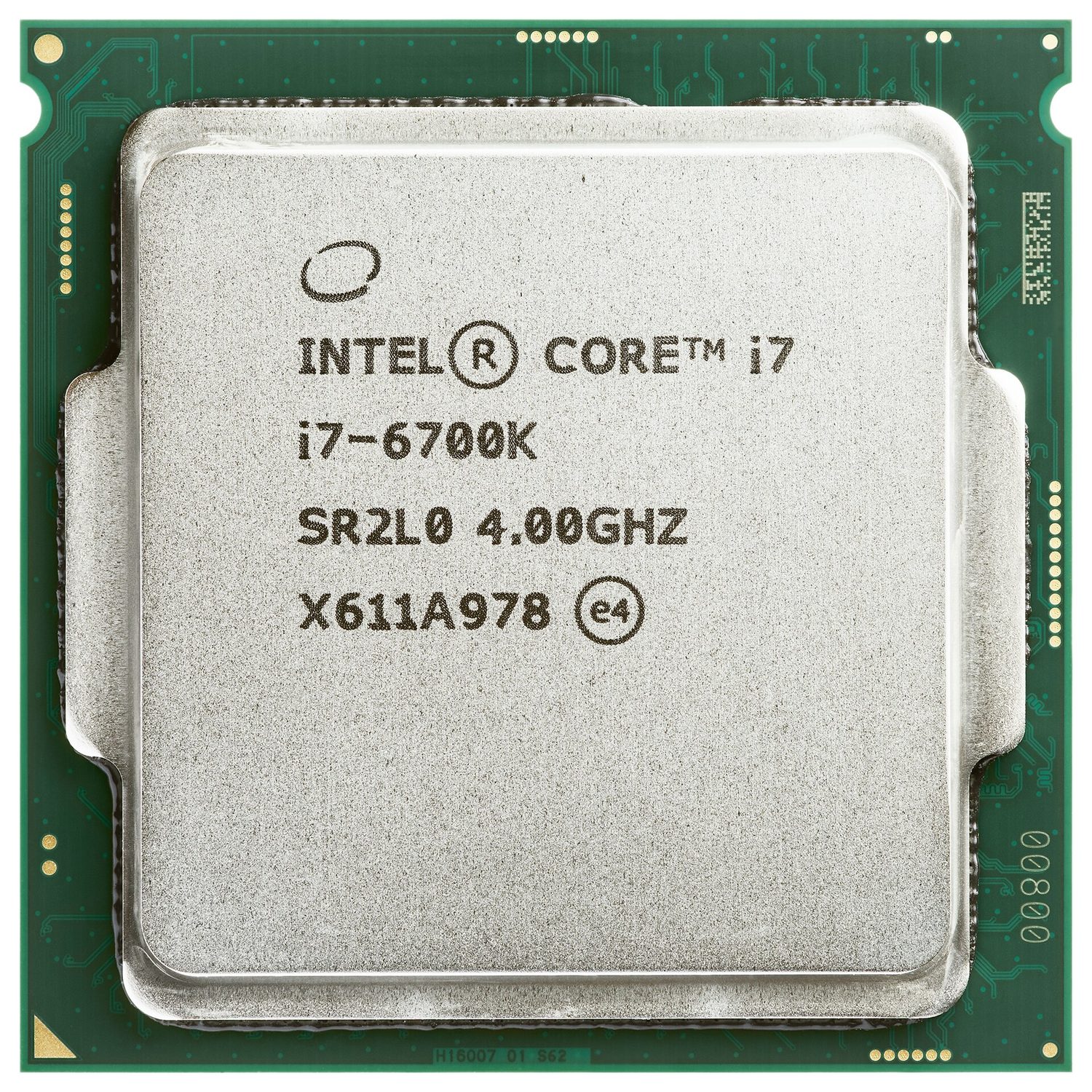
一个现代 CPU 是一块芯片,容纳控制单元、ALU 和寄存器
The ALU in a CPU: · CPU 中的 ALU:
The arithmetic logic unit does the maths and logic; the control unit manages the parts. · 算术逻辑单元做数学和逻辑;控制单元管理部件。
Registers and the fetch–execute cycle
- Special registers: PC (address of the next instruction), MAR (address to access), MDR (data/instruction fetched), CIR (instruction being run), ACC (the ALU's result).
- The cycle repeats three stages: Fetch (copy the instruction into the CPU, then PC + 1) → Decode (the CU works out what it means) → Execute (carry it out).
The fetch–decode–execute cycle that the CPU repeats for every instruction
寄存器与取指-执行周期
- 特殊寄存器:PC(下一条指令的地址)、MAR(要访问的地址)、MDR(取来的数据/指令)、CIR(正在运行的指令)、ACC(ALU 的结果)。
- 周期重复三个阶段:取指(把指令复制到 CPU,然后 PC + 1)→ 解码(CU 算出它的意思)→ 执行(执行它)。

CPU 对每条指令重复的取指—解码—执行周期
The fetch-execute cycle · 取指-执行周期
Tap round the loop the CPU repeats billions of times a second — fetch the instruction, decode what it means, execute it, then do it all again. · 点一圈 CPU 每秒重复数十亿次的循环——取指令、解码它的意思、执行它,然后再做一遍。
Match each CPU part to what it does. · 把每个 CPU 部件匹配到它做什么。
The ALU computes, the control unit directs, the PC tracks the next instruction, and cache keeps hot data close. · ALU 计算,控制单元指挥,PC 追踪下一条指令,缓存把热数据保持在近处。
Put the stages of the cycle in order. · 把周期的阶段按顺序排列。
Fetch the instruction, decode what it means, then execute it — repeated continuously. · 取指令、解码它的意思、然后执行它——连续重复。
Cache 高速缓存, performance, embedded systems 嵌入式系统
- Cache is a small amount of very fast memory near the CPU, holding often-used data — so the CPU waits less.
- Performance depends on the number of cores, the cache size, and the clock speed 时钟速度 (cycles per second).
- An embedded system is a small computer built into a device for one fixed job (washing machine, microwave).
Cache and main memory (RAM) sit close to the CPU to feed it data quickly
缓存、性能、嵌入式系统
- 缓存(cache)是 CPU 附近的少量非常快的内存,持有常用的数据——所以 CPU 等待更少。
- 性能取决于核心(cores)的数量、缓存大小和时钟速度(clock speed,每秒的周期数)。
- 一个嵌入式系统(embedded system)是建进一个设备、用于一个固定任务的小型计算机(洗衣机、微波炉)。
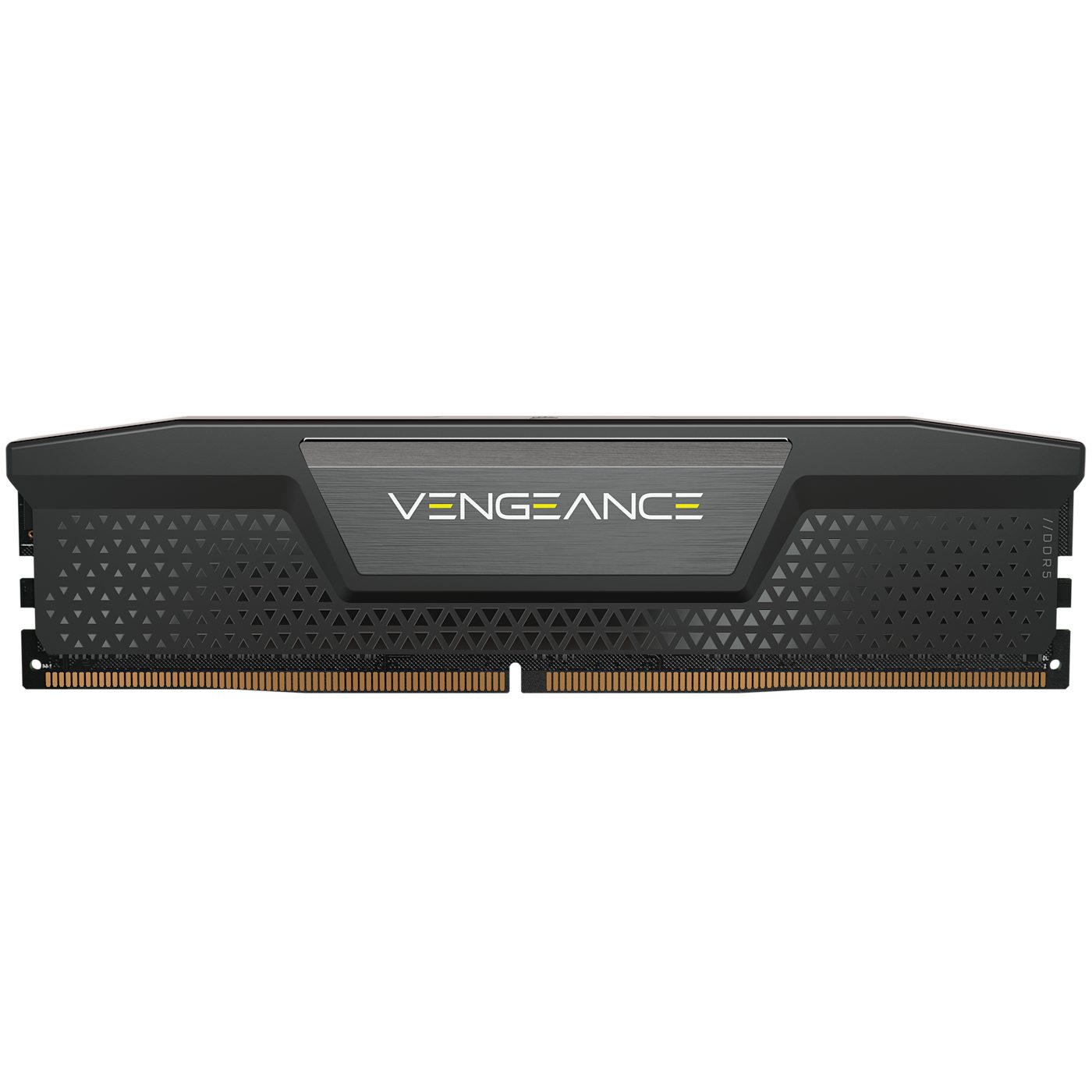
高速缓存和主存(RAM)靠近 CPU,以快速向它提供数据
Which change would improve CPU performance? · 哪个改变会提高 CPU 性能?
More cores, a larger cache and a higher clock speed all improve performance. · 更多的核心、更大的缓存和更高的时钟速度都提高性能。
Cache is small, very fast memory near the CPU that holds often-used data, so the CPU waits less than it would reading from main memory. · 缓存是 CPU 附近的小的、非常快的内存,持有常用的数据,所以 CPU 比从主内存读取等待得更少。
A bigger cache, more cores and a higher clock speed all raise performance — cache helps by cutting the wait for data. · 更大的缓存、更多的核心和更高的时钟速度都提高性能——缓存通过削减对数据的等待来帮忙。
You've got it
- CPU = ALU (maths/logic) + CU (control signals) + registers, linked by address/data/control buses
- key registers: PC (next instruction), MAR/MDR (memory), CIR (current), ACC (result)
- the cycle: fetch → decode → execute
- performance: cores, cache size, clock speed; cache = fast memory near the CPU
你掌握了
- CPU = ALU(数学/逻辑)+ CU(控制信号)+ 寄存器,由地址/数据/控制总线连接
- 关键寄存器:PC(下一条指令)、MAR/MDR(内存)、CIR(当前)、ACC(结果)
- 周期:取指 → 解码 → 执行
- 性能:核心、缓存大小、时钟速度;缓存 = CPU 附近的快速内存