Kế hoạch học tập của bạn · Tiếp tục · Ôn tập →
Drill: one picture, one word, one sentence (HSK 4 writing part 2)
Đã giới thiệuVị trí đã lưu của bạn vẫn nằm trong trình duyệt này. Việc tiếp tục sẽ không hoàn thành bài học hay trả lời các câu hỏi của nó.
One picture, one word, one sentence
- In HSK 4 writing part 2 you see a photo and one word. You write one sentence that uses the word and fits the photo.
- Goal: build a correct sentence in three moves, then practise on eight photos. Correct comes first; richer comes second.
Three moves: traffic jam堵车
- 1 · Base: on the road路上traffic jam堵车(completed / change)了。 2 · Add when / where: to finish work下班(modifier / structural particle)的time; when时候,this这measure word for long thin things条on the road路上often经常traffic jam堵车。 3 · Add a result or feeling: ……,everyone大家all / both都很着急。
- Each move adds detail, but check the sentence is still correct after each one.
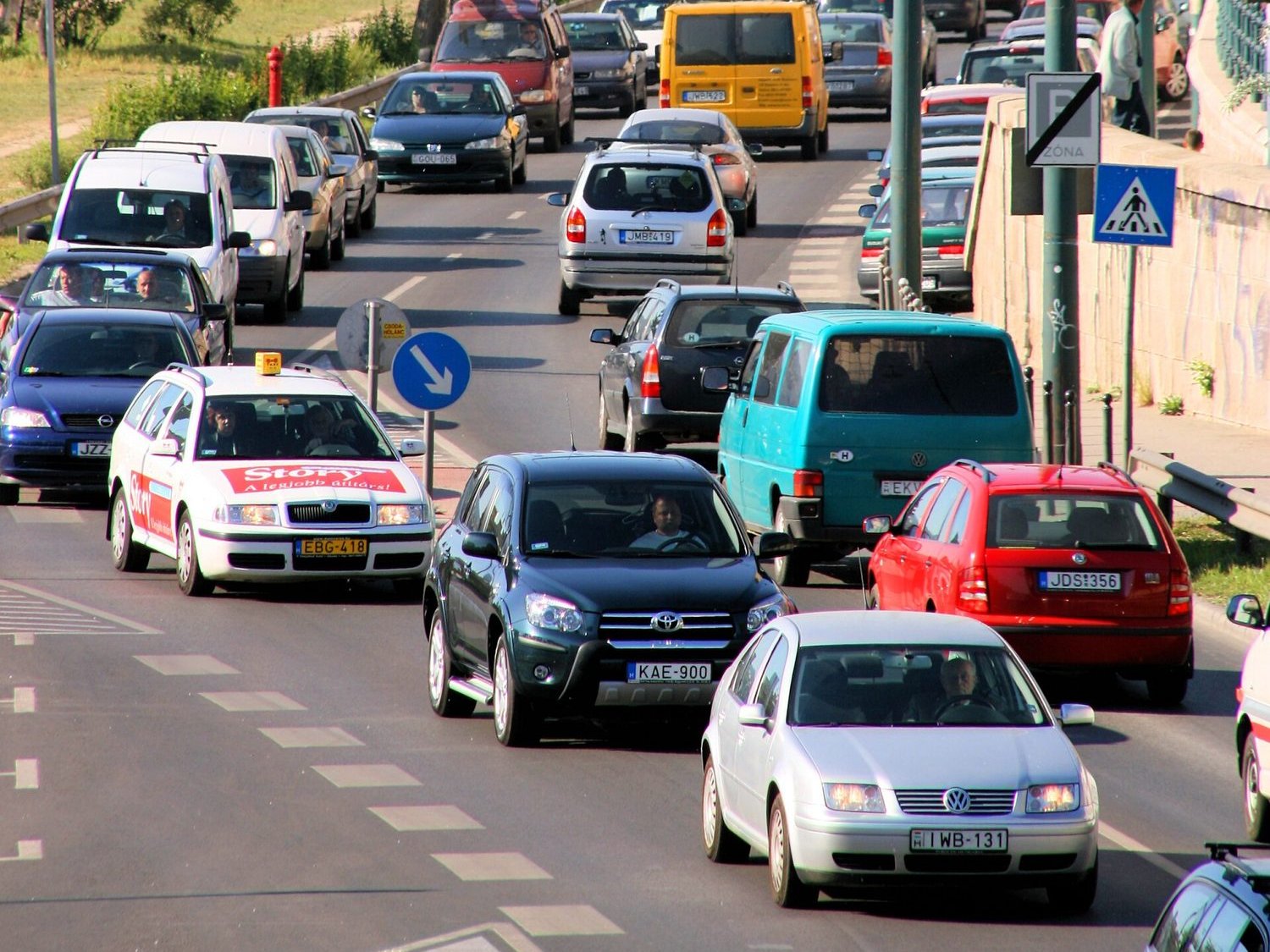
Build move 2 for 堵车: “When people finish work, this road is often jammed.”
Độ khó 3/5 · 200 xu + phần thưởng nhỏ khi hoàn thành lần đầu tiên hôm nay
Time first, then place, then 经常 + verb.
Who is doing what: tour guide导游
- For people in a photo, use who + in the middle of正在 + verb: tour guide导游in the middle of正在to / for / give给traveler游客to introduce介绍park公园(modifier / structural particle)的history历史。 — "The guide is telling the tourists about the park's history."
- to / for / give给 + person comes before the verb: to / for / give给traveler游客to introduce介绍.
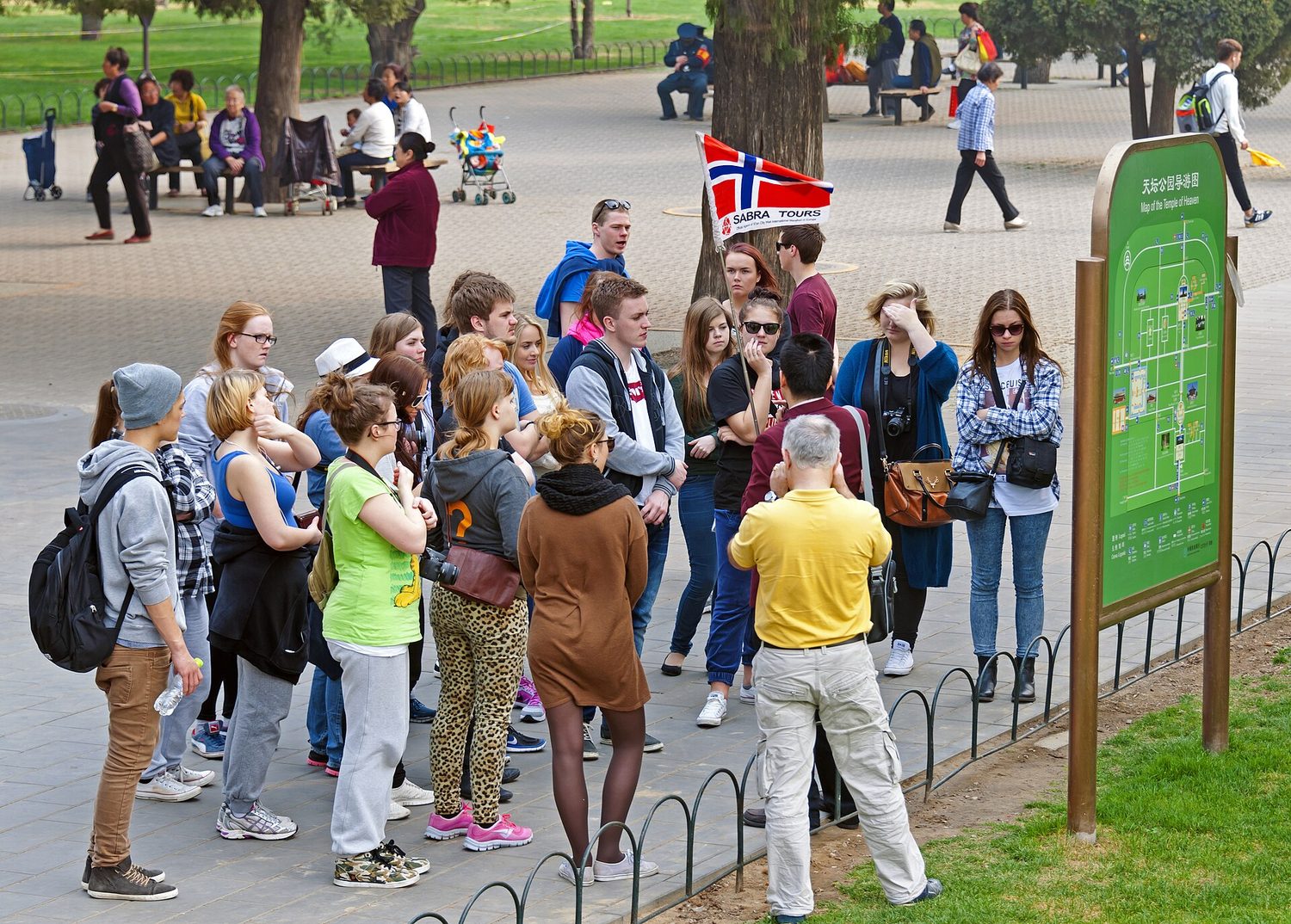
Build: “The guide is telling the tourists about the parks history.”
Độ khó 3/5 · 200 xu + phần thưởng nhỏ khi hoàn thành lần đầu tiên hôm nay
who + 正在 + 给 + person + verb.
Describe a place: lively; busy (place)热闹
- To describe a place, give lively; busy (place)热闹 a subject and a degree word (degree / adjective linker很, very非常): this这measure word for long thin things条on the street街上person人很多,very非常lively; busy (place)热闹。 — "There are lots of people in this street; it's really lively."
- lively; busy (place)热闹 can't take an object: ✗ degree / adjective linker很lively; busy (place)热闹person人.
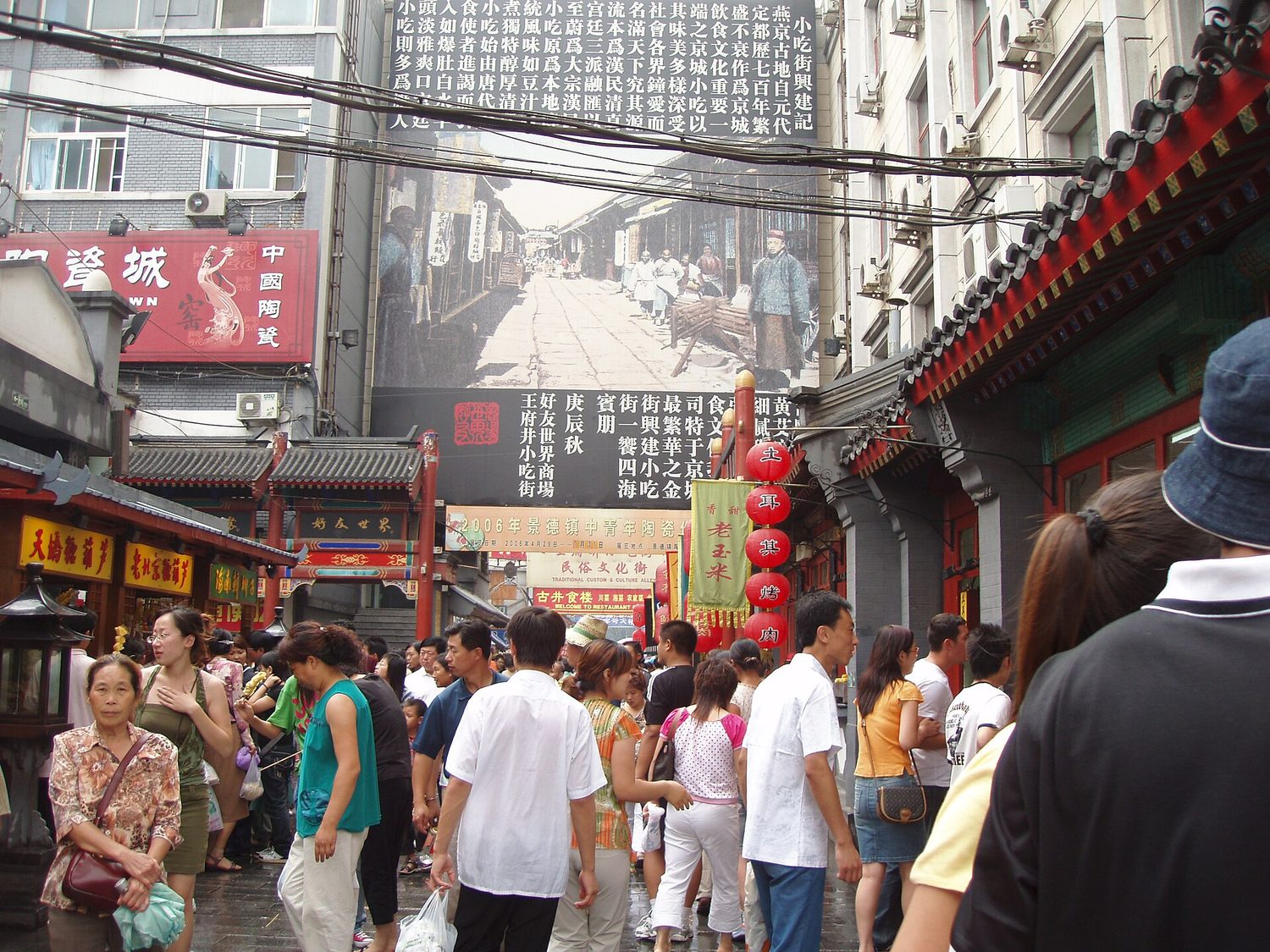
Which sentence about the street is correct?
Độ khó 1/5 · 100 xu + phần thưởng nhỏ khi hoàn thành lần đầu tiên hôm nay
热闹 takes no object; give it a subject and a degree word.
Say what you want to do: to taste尝
- With no person in the photo, speak as yourself: 这杯tea茶seemingly看起来degree / adjective linker很tasty (drinks)好喝,I / me我want / think / miss想尝一尝。 — "This tea looks good; I'd like to taste it."
- Soften a verb with Vone / a一V / V(used after a verb) give it…一下: 尝一尝, to taste尝(used after a verb) give it…一下这杯tea茶.
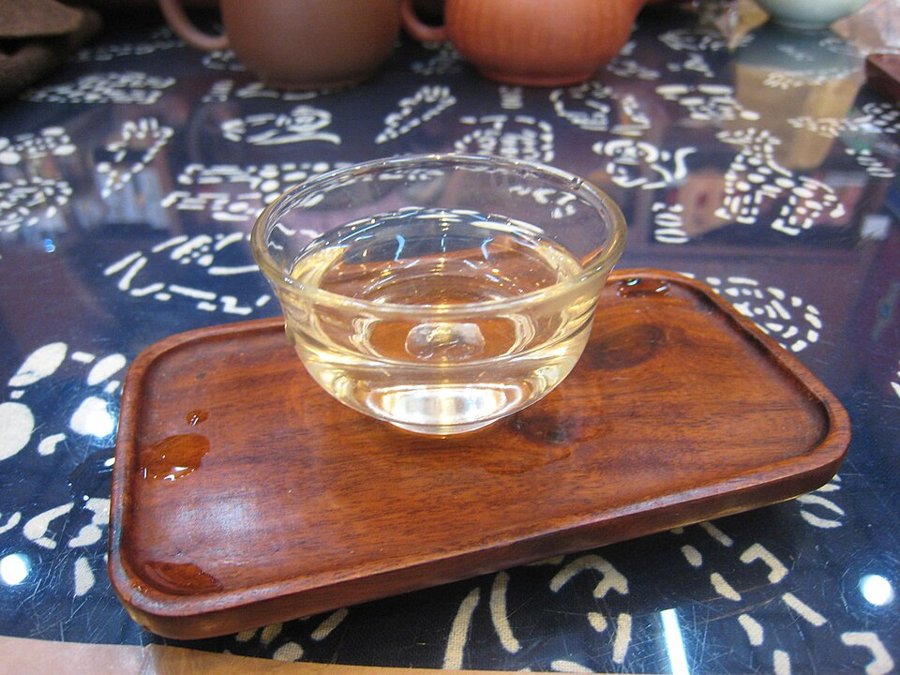
Which sentence about the tea is correct?
Độ khó 1/5 · 100 xu + phần thưởng nhỏ khi hoàn thành lần đầu tiên hôm nay
尝一下 + object (or 尝一尝 + object) for a quick taste; for a taste that has happened, say 尝了尝.
Your turn: customer顾客
- Word: customer顾客. Who is in the photo, and what are they doing?
- Use this (person)这位customer顾客 + in the middle of正在 + verb, and say what they are buying.

Write one sentence about the popcorn-shop photo with 顾客.
Many sentences are possible; compare yours with the checklist, not only the model.
Your turn: to drink a toast干杯
- Word: to drink a toast干杯. Who is in the photo, and why might they be doing it?
- Try in order to为了 + reason, then together一起to drink a toast干杯.
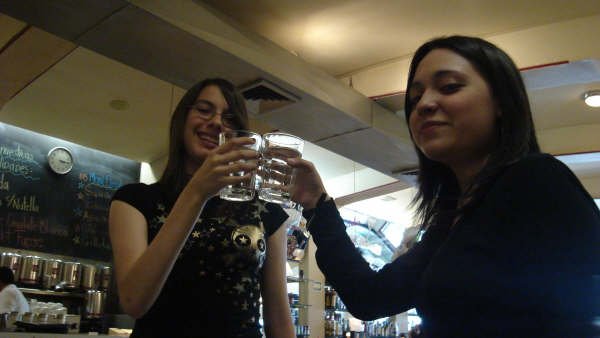
Write one sentence about the two friends with 干杯.
为了 + reason is an easy way to add a detail.
Your turn: fierce; intense激烈
- Word: fierce; intense激烈. It describes a match or a competition.
- Try 这场 + match + very非常fierce; intense激烈, then add one more detail.
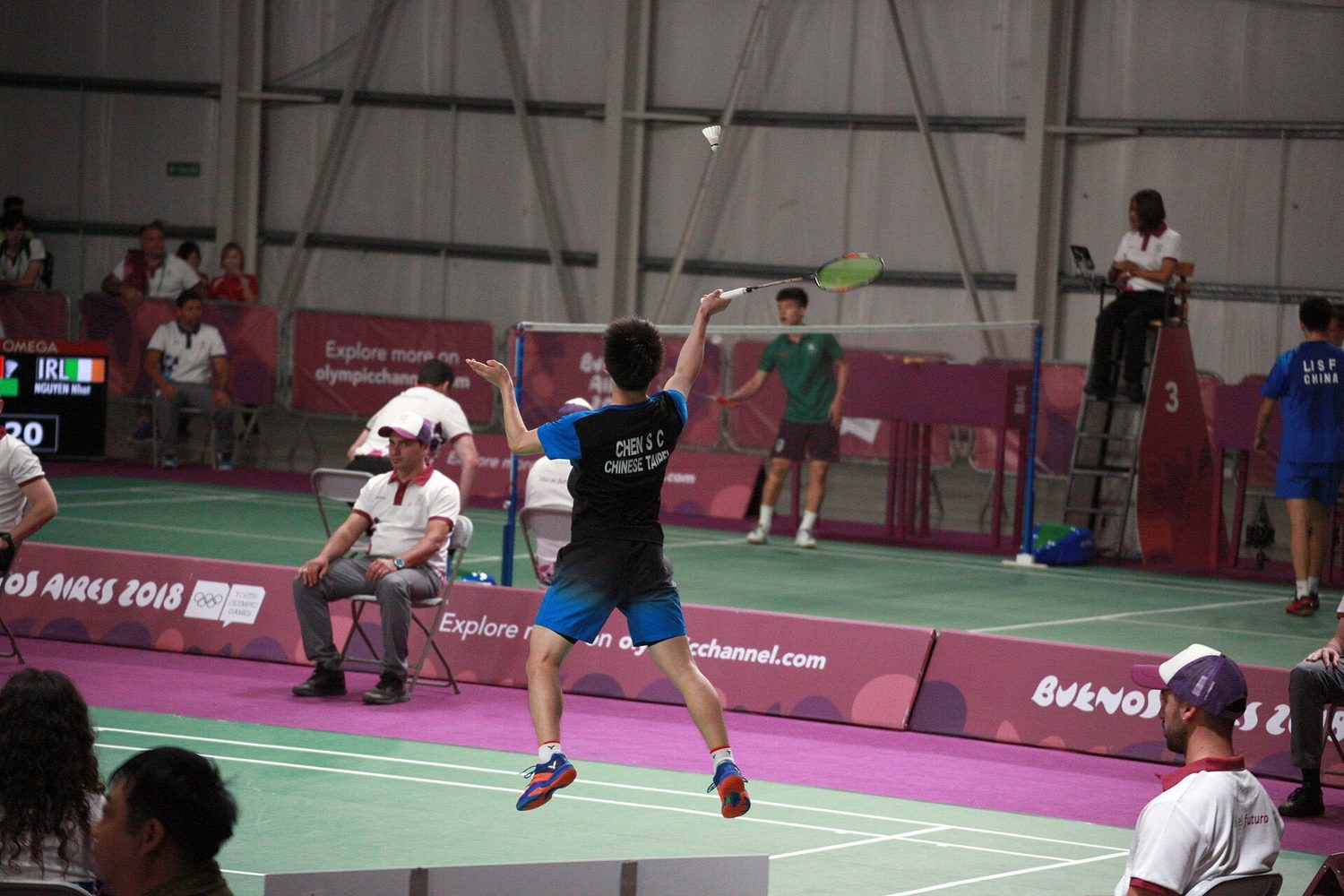
Write one sentence about the badminton photo with 激烈.
激烈 goes with 比赛, 竞争 and 讨论.
Your turn: spectators观众
- Word: spectators观众. Where are the people, and how many are there?
- Try place + to sit / to take (a bus …)坐(ongoing -ing)着 + 很多spectators观众. Look closely: are all the seats full?
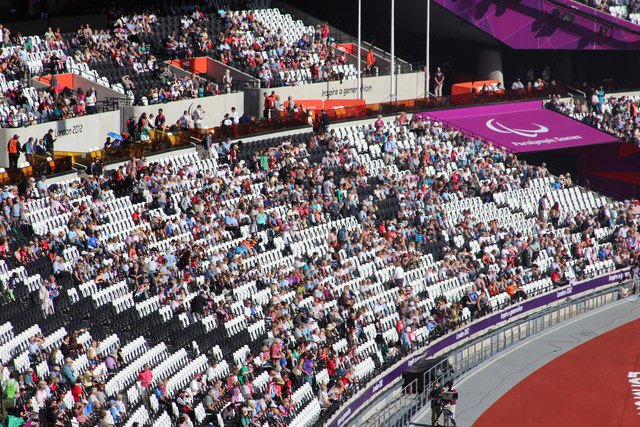
Write one sentence about the stadium photo with 观众.
Place + 坐着 + people is a natural way to describe a scene.
Checklist before you finish
- The word is in the sentence and used correctly. The sentence has a subject and fits the photo.
- Add one detail (when, where, how much, why). End with 。, and write characters, not pinyin.