Challenges to Sovereignty
Đã giới thiệu| English | Ý nghĩa |
|---|---|
| sovereignty/ˈsɒvərɪnti/ | chủ quyền |
| supranational organisation/ˌsuːprəˈnæʃənl ˌɔːɡənaɪˈzeɪʃn/ | tổ chức siêu quốc gia |
| democratisation/dɪˌmɒkrətaɪˈzeɪʃn/ | dân chủ hóa |
Sovereignty under pressure
- A state's sovereignty can be challenged from inside and outside.
- Inside: devolution and separatist movements.
- Outside: supranational organisations and globalisation.
Supranational organisations
- A supranational organisation 超国家组织 is an alliance of states (the EU, UN).
- Members give up some sovereignty for shared benefits (trade, security).
- This limits what any one state can do alone.
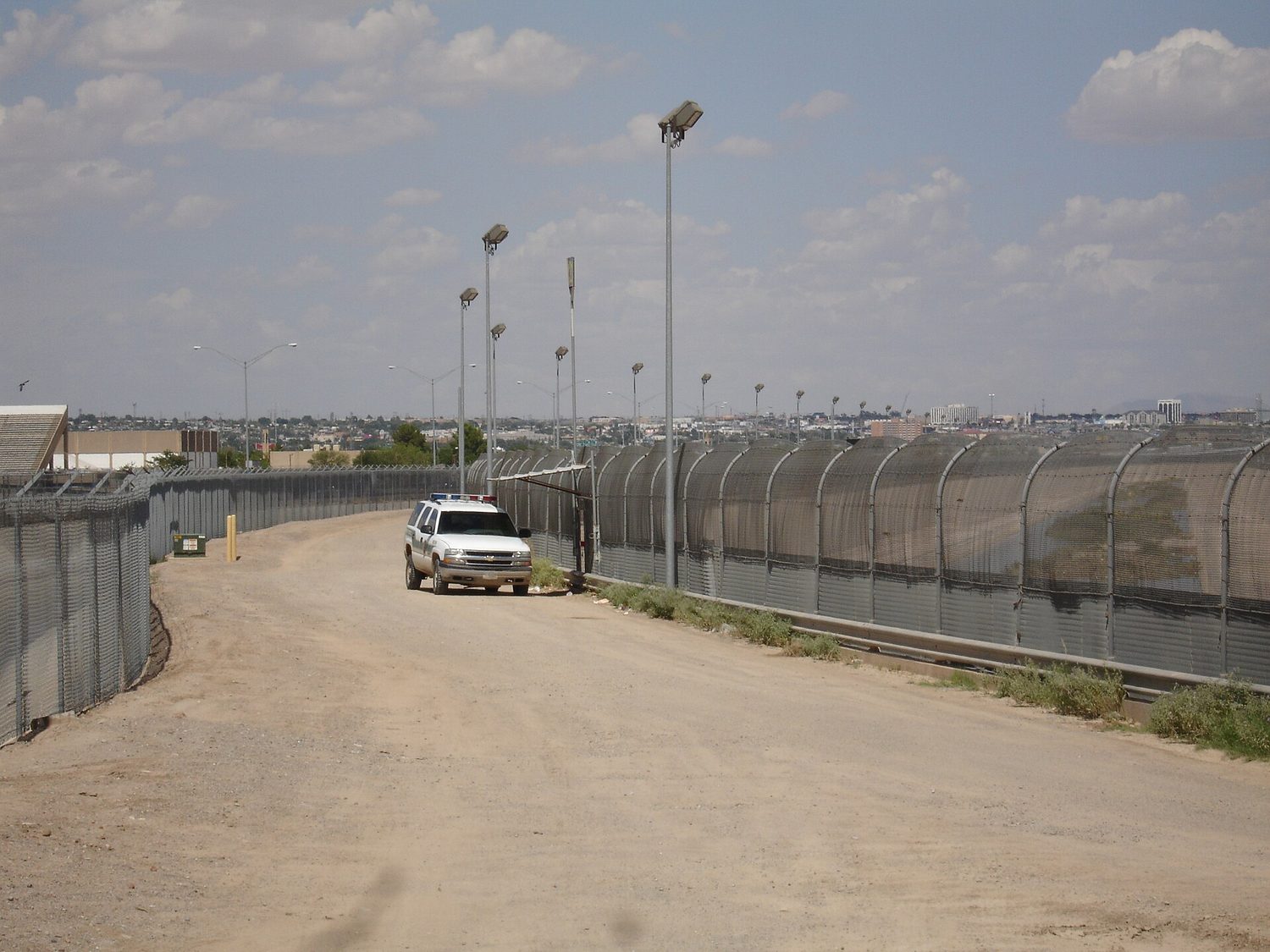
The US–Mexico border fence illustrates boundary administration, not direct evidence of regional devolution
Internal or external challenge?
Sort each challenge to sovereignty as coming from inside or outside the state.
The EU and UN are examples of...
Độ khó 1/5 · 100 xu + một phần thưởng nhỏ cho lần hoàn thành đầu tiên trong ngày
Supranational organisations are alliances of states that share some sovereignty.
Joining a supranational organisation means giving up some sovereignty for shared benefits.
Độ khó 1/5 · 100 xu + một phần thưởng nhỏ cho lần hoàn thành đầu tiên trong ngày
Members trade some independence for trade, security, or other gains.
Select all challenges to state sovereignty.
Độ khó 2/5 · 140 xu + một phần thưởng nhỏ cho lần hoàn thành đầu tiên trong ngày
Supranational orgs, separatism, and the internet challenge sovereignty; a holiday unites (centripetal).
Match each challenge to its source.
Độ khó 2/5 · 140 xu + một phần thưởng nhỏ cho lần hoàn thành đầu tiên trong ngày
Separatism = inside; EU = outside; supranational = an alliance.
Democratisation and the internet
- Democratisation 民主化 shifts power from rulers to citizens, changing who is sovereign.
- The internet crosses borders freely, spreading ideas states cannot fully control.
- Both weaken a government's total control over its territory.
Shifting power from rulers to citizens is called ____.
Độ khó 1/5 · 100 xu + một phần thưởng nhỏ cho lần hoàn thành đầu tiên trong ngày
Democratisation changes who holds sovereign power.
Joining a supranational organisation is a voluntary trade: a state gives up some sovereignty to gain shared benefits. It is not simply a "loss" — members usually judge the trade worthwhile, though it fuels debates about control (as with Brexit).
When a country joins the EU, it accepts common rules on trade and movement — giving up some sovereignty for access to a huge market. The debate over whether that trade is worth it drove the UK's Brexit vote to leave.
Sovereignty is challenged from inside (devolution, separatism) and outside. Supranational organisations (EU, UN) trade some sovereignty for shared benefits; democratisation and the internet further limit a government's total control.
Write from sovereignty that is shared
- A state joins a supranational organisation.
- Members must follow a shared trade rule even when a national ministry disagrees.
What happens to sovereignty?
Joining a supranational body pools some decisions.
What does the shared trade rule do to the member?
Độ khó 1/5 · 100 xu + một phần thưởng nhỏ cho lần hoàn thành đầu tiên trong ngày
The state must follow a rule it does not fully control.