Biến đổi Khí hậu Toàn cầu
Đã giới thiệu| English | Ý nghĩa |
|---|---|
| climate change/ˈklaɪmət tʃeɪndʒ/ | biến đổi khí hậu |
| sea level/siː ˈlevl/ | mực nước biển |
| Weather/ˈweðə/ | thời tiết |
| Climate/ˈklaɪmət/ | khí hậu |
A warming world
- Extra greenhouse gases are warming the whole planet.
- This long-term shift is climate change 气候变化.
- It is more than a few hot days — it changes the whole system.
- Sea levels, storms, and habitats are all affected.
Weather is not climate
- Weather 天气 is what happens on a single day.
- Climate 气候 is the long-term average over many years.
- A cold day does not disprove a warming climate.
- Climate change is about the trend, measured over decades.
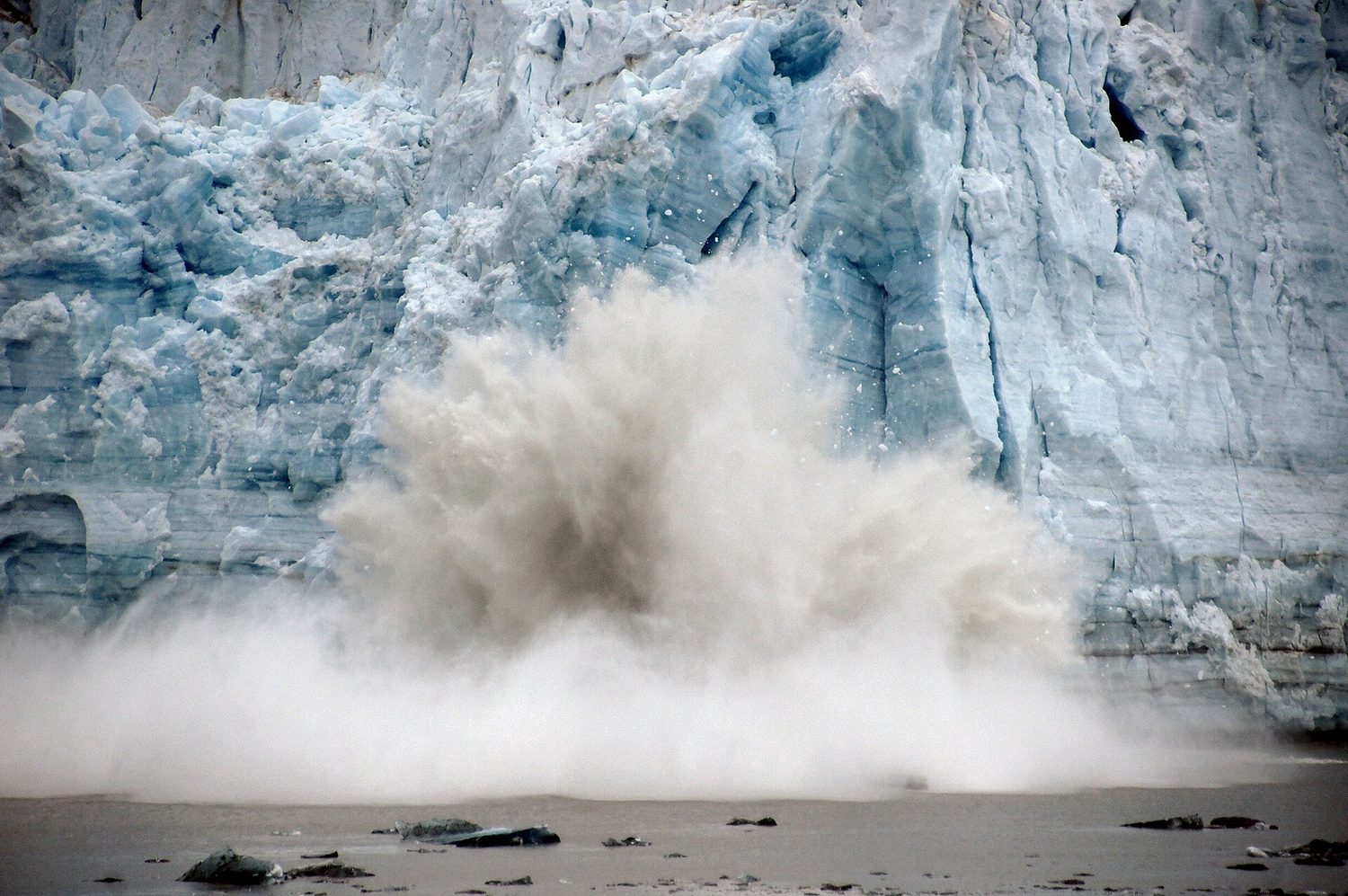
A glacier breaking apart into the sea. Warming melts land ice, which adds water to the ocean and raises sea level
Sự khác biệt giữa thời tiết và khí hậu là gì?
Độ khó 1/5 · 100 xu + một phần thưởng nhỏ cho lần hoàn thành đầu tiên trong ngày
Thời tiết là những gì xảy ra trong một ngày cụ thể; khí hậu là trung bình dài hạn qua nhiều thập kỷ.
Rising seas and melting ice
- Warmer air melts glaciers and polar ice.
- Warmer water also expands, taking up more space.
- Both raise the global sea level 海平面.
- Rising seas threaten low-lying coasts and islands.
Nguyên nhân hay hệ quả của biến đổi khí hậu?
Xếp từng mục vào nguyên nhân hoặc hệ quả của biến đổi khí hậu.
Nguyên nhân chính của biến đổi khí hậu hiện nay là…
Độ khó 1/5 · 100 xu + một phần thưởng nhỏ cho lần hoàn thành đầu tiên trong ngày
Sự nóng lên nhanh chóng hiện nay chủ yếu được thúc đẩy bởi phát thải khí nhà kính từ con người do đốt nhiên liệu hóa thạch.
Khi băng tan và nước ấm nở ra, mực nước biển toàn cầu ____ tăng.
Độ khó 1/5 · 100 xu + một phần thưởng nhỏ cho lần hoàn thành đầu tiên trong ngày
Băng tan và nước ấm nở ra đều làm tăng mực nước, đe dọa các thành phố ven biển.
More extreme weather
- A warmer climate fuels stronger storms and heatwaves.
- Droughts and wildfires become more common in dry regions.
- Heavy rain and floods hit harder in wet ones.
- Species must shift their ranges or die out.
Biến đổi khí hậu có thể khiến thời tiết cực đoan như sóng nhiệt và bão thường xuyên hơn.
Độ khó 1/5 · 100 xu + một phần thưởng nhỏ cho lần hoàn thành đầu tiên trong ngày
Môi trường ấm lên làm tăng xác suất xảy ra sóng nhiệt, hạn hán và bão dữ dội hơn.
Chọn tất cả các hệ quả của biến đổi khí hậu.
Độ khó 2/5 · 140 xu + một phần thưởng nhỏ cho lần hoàn thành đầu tiên trong ngày
Nước biển dâng, băng tan và thời tiết cực đoan là các hệ quả. Đốt nhiên liệu hóa thạch là nguyên nhân.
Keep weather and climate straight — it's the most common confusion. Weather is today; climate is the decades-long average. A single snowstorm doesn't disprove global warming, just as one hot afternoon doesn't prove it. Climate change is about the long-term trend: the average is rising, even though any given day still varies.
One coastline over 50 years:
- The cause: decades of burning fossil fuels have raised CO2 and warmed the air.
- The effects pile up: nearby glaciers shrink, the warming sea expands, and the sea level creeps up the beach.
- Storms that once came every decade now come every few years, flooding streets that used to stay dry.
- No single storm "is" climate change — but the rising average is unmistakable.
Climate change is the long-term warming of the planet from extra greenhouse gases. Weather is day-to-day; climate is the decades-long average, so judge it by the trend. Effects include rising sea levels (from melting ice and expanding water), more extreme weather, and shifting habitats. The main cause is human greenhouse gas emissions.