Xử lý Rác thải rắn
Đã giới thiệu| English | Ý nghĩa |
|---|---|
| landfill/ˈlændfɪl/ | mỏ chôn lấp |
| methane/ˈmiːθeɪn/ | methane |
| leachate/ˈliːtʃeɪt/ | nước thải rắn |
| Incineration/ɪnˌsɪnəˈreɪʃn/ | đốt cháy |
What to do with our garbage
- Every city produces mountains of solid waste.
- It has to go somewhere.
- The two main methods are burying it and burning it.
- Each has real benefits and real costs.
Landfills: burying waste
- A landfill 垃圾填埋场 buries waste in a lined pit.
- The liner is meant to stop pollution leaking out.
- It is cheap and simple, so most waste ends up here.
- But it takes huge areas of land.
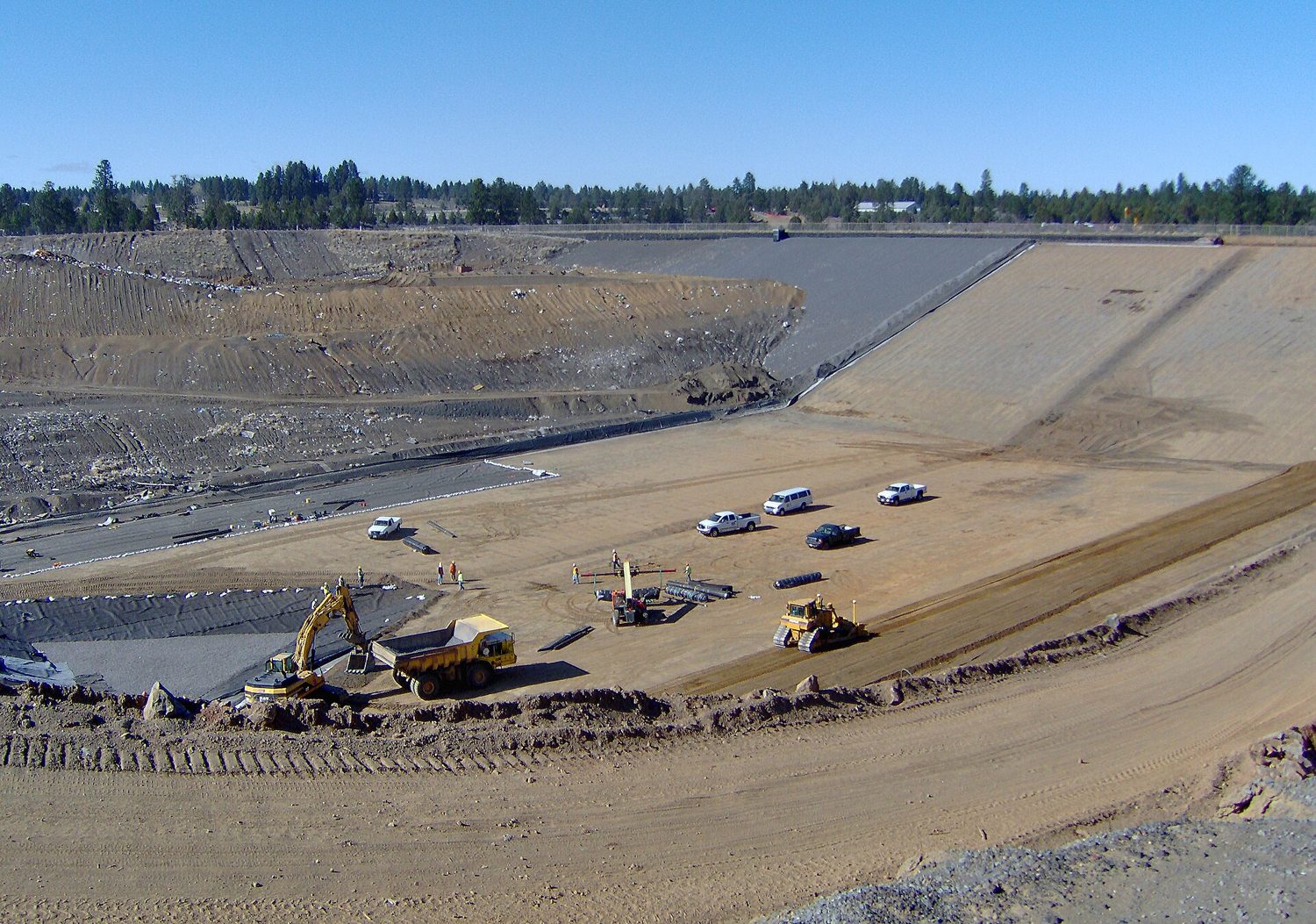
A landfill: solid waste is buried here in lined cells. It takes up land and can leak, which is why reducing waste comes first
Một hố chôn rác xử lý rác bằng cách…
Độ khó 1/5 · 100 xu + một phần thưởng nhỏ cho lần hoàn thành đầu tiên trong ngày
Một hố chôn rác chôn rác trong một hố lót màng thiết kế để giữ nó và hạn chế rò rỉ.
Landfill problems
- Rotting waste releases methane 甲烷, a greenhouse gas.
- Rain trickling through waste forms toxic leachate 渗滤液.
- Leachate can seep down and pollute groundwater.
- And once full, the land is hard to use again.
Chôn lấp hay thiêu đốt?
Phân loại từng đặc điểm vào phương pháp xử lý mà nó mô tả.
Mối nguy hiểm chính từ hố chôn rác là nước thấm, đó là…
Độ khó 1/5 · 100 xu + một phần thưởng nhỏ cho lần hoàn thành đầu tiên trong ngày
Nước thấm là chất lỏng độc hình thành khi nước chảy qua rác; nó có thể gây ô nhiễm tầng nước ngầm.
Rác thối mục trong hố chôn rác giải phóng ____, một khí nhà kính mạnh.
Độ khó 1/5 · 100 xu + một phần thưởng nhỏ cho lần hoàn thành đầu tiên trong ngày
Khi rác thối mục không có oxy, nó giải phóng methane — một khí nhà kính cũng có thể được thu gom để làm nhiên liệu.
Incineration: burning waste
- Incineration 焚烧 burns waste at high heat.
- It cuts the volume of waste by about 90%.
- The heat can even generate electricity.
- But it pollutes the air and leaves behind toxic ash.
Thiêu đốt làm giảm đáng kể thể tích rác nhưng có thể gây ô nhiễm không khí.
Độ khó 1/5 · 100 xu + một phần thưởng nhỏ cho lần hoàn thành đầu tiên trong ngày
Đốt rác làm giảm thể tích khoảng 90%, nhưng tạo ra khói và để lại tro độc hại.
Chọn tất cả các điểm bất lợi của bãi chôn lấp.
Độ khó 2/5 · 140 xu + một phần thưởng nhỏ cho lần hoàn thành đầu tiên trong ngày
Bãi chôn lấp giải phóng khí metan, nguy cơ rò rỉ nước thải, và sử dụng nhiều đất. Chúng xa mới là hoàn toàn không có vấn đề.
Neither method is clean — they just move the problem. Landfills trade land and risk groundwater pollution (leachate) plus methane. Incineration saves space and can make power, but sends pollution up the smokestack and concentrates toxins in the ash. That's why the best answer isn't a better disposal method — it's making less waste in the first place (next lesson).
A city's two options:
- Bury the waste: cheap, but the landfill swallows land, seeps leachate toward the water table, and vents methane.
- Burn it: the incinerator shrinks the pile by 90% and powers some homes, but its smoke needs heavy filtering and its ash is toxic.
- Both work, both pollute — which is why cities push hard to reduce and recycle instead.
Solid waste is mostly disposed of by landfill (burying) or incineration (burning). Landfills are cheap but take land, release methane, and risk leachate polluting groundwater. Incineration cuts waste volume ~90% and can make electricity, but pollutes the air and leaves toxic ash. Both move the problem rather than solve it.