A National Culture Emerges
แนะนำใหม่ 8:58
ยุค 4: 1800 ถึง 1848
ในยุค 1825 มีคลองเปิดใช้งาน และถุงข้าวสาลีที่เคยใช้เวลาสามสัปดาห์กว่าจะถึงเมือง ตอนนี้ใช้เวลาเพียงแปดวันในค่าใช้จ่ายเพียงหนึ่งส่วนสิบ ทุกอย่างเกิดจากสิ่งนี้…
บรรยายภาษาอังกฤษ · สลับคำบรรยายภาษาอังกฤษและภาษาจีนได้
In this lesson
"The courtly muses of Europe", 1837
- In 1837, Ralph Waldo Emerson told Harvard students in "The American Scholar": "We have listened too long to the courtly muses of Europe." He called on Americans to create their own ideas and art instead of copying Britain.
- Between about 1800 and 1848, a national culture emerged in the United States. It combined American elements, European influences and regional differences: a mixture, not a pure invention.
What did Emerson mean by "We have listened too long to the courtly muses of Europe"?
ความยาก 1/5 · 100 เหรียญ + บอนัสน้อยๆ เมื่อทำสำเร็จครั้งแรกในวันนี้
It was a call for cultural independence.
Three ingredients, with examples
| Ingredient | Example |
|---|---|
| American elements | Noah Webster's American Dictionary (1828) with American spellings; Hudson River School paintings of American landscapes (Thomas Cole) |
| European influences | Romanticism: a belief in emotion, nature and the individual, from European writers and artists |
| Regional cultures | New England transcendentalism; Southern writers defending plantation society; the frontier humour of the West |
Match each example to the ingredient of national culture.
ความยาก 2/5 · 140 เหรียญ + บอนัสน้อยๆ เมื่อทำสำเร็จครั้งแรกในวันนี้
The national culture was a mixture.
Cause → event → consequence
- Cause: Romantic belief in human perfectibility (people and society can be improved) → event: transcendentalists such as Emerson and Thoreau urged self-reliance and conscience, and the Second Great Awakening preached personal reform → consequence: a wave of reform movements (temperance, public schools, abolition, women's rights) in the 1830s–1840s.
- This link is the key exam idea: the culture of the period helps explain why so many reform movements began at once.
An ingredient, an imported idea, or a field it touched?
Sort each element of the new national culture.
Put the chain in order.
ความยาก 3/5 · 200 เหรียญ + บอนัสน้อยๆ เมื่อทำสำเร็จครั้งแรกในวันนี้
Ideas helped cause the reforms.
National and regional at the same time
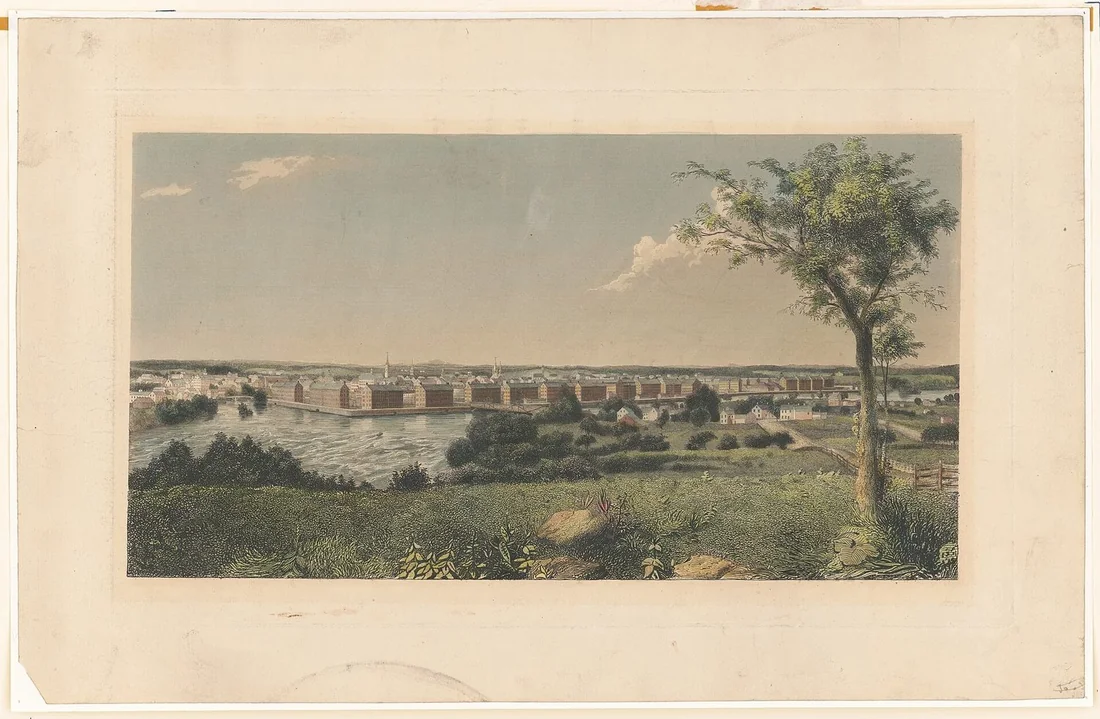
- National culture did not erase regional differences. The industrial North (mill towns such as Lowell, Massachusetts), the plantation South and the expanding West produced different writers, values and ways of life.
- These regional cultures later hardened into the sectional conflict of the 1850s.
Worked exam question (short answer)
Question (SAQ style): (a) Briefly describe ONE way American culture became more distinctly national, 1800–1848. (b) Briefly explain ONE way cultural ideas of the period contributed to reform movements.
(a) Painters of the Hudson River School, such as Thomas Cole, made the American wilderness the subject of art, presenting the landscape as a source of national pride rather than copying European scenes.
(b) Romantic and transcendentalist beliefs that people could improve themselves encouraged reformers to change society, for example Horace Mann's campaign for free public schools in Massachusetts in the 1830s and 1840s.
- Why each part scores: specific named evidence, and part (b) explains the link between an idea and a reform, not just that both existed.
American culture did not break completely from Europe. Romanticism itself came from Europe; what was new was applying it to American subjects.
American culture in this period broke completely from European influence.
ความยาก 1/5 · 100 เหรียญ + บอนัสน้อยๆ เมื่อทำสำเร็จครั้งแรกในวันนี้
Romanticism came from Europe and was applied to American subjects.
From 1800 to 1848, a national culture combined American elements (Webster, the Hudson River School), European Romanticism and regional cultures. Romantic belief in human perfectibility, through transcendentalism and the Second Great Awakening, helped drive the reform movements of the 1830s–1840s.
Practice (SAQ). Briefly explain ONE way regional cultural differences in the period 1800–1848 contributed to later sectional tension.
Link culture to conflict.