Изменение климата
Введено| English | Значение |
|---|---|
| climate change/ˈklaɪmət tʃeɪndʒ/ | изменение климата |
| sea level/siː ˈlevl/ | уровень моря |
| Weather/ˈweðə/ | погода |
| Climate/ˈklaɪmət/ | климат |
A warming world
- Extra greenhouse gases are warming the whole planet.
- This long-term shift is climate change 气候变化.
- It is more than a few hot days — it changes the whole system.
- Sea levels, storms, and habitats are all affected.
Weather is not climate
- Weather 天气 is what happens on a single day.
- Climate 气候 is the long-term average over many years.
- A cold day does not disprove a warming climate.
- Climate change is about the trend, measured over decades.
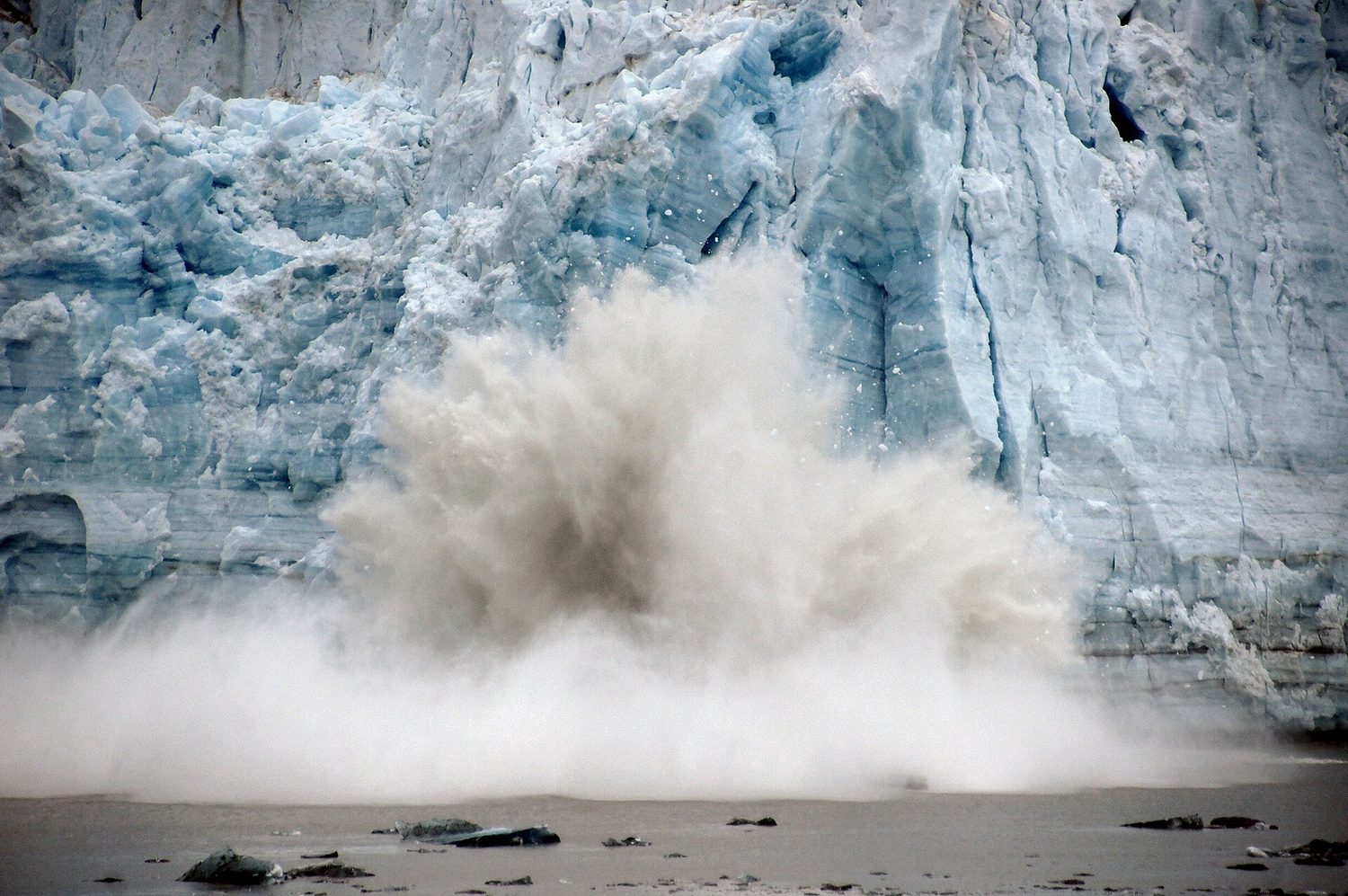
A glacier breaking apart into the sea. Warming melts land ice, which adds water to the ocean and raises sea level
В чем разница между погодой и климатом?
Сложность 1/5 · 100 монет + небольшой бонус за первое выполнение сегодня
Погода — это то, что происходит в конкретный день; климат — долгосрочная средняя величина за десятилетия.
Rising seas and melting ice
- Warmer air melts glaciers and polar ice.
- Warmer water also expands, taking up more space.
- Both raise the global sea level 海平面.
- Rising seas threaten low-lying coasts and islands.
Причина или следствие изменения климата?
Распределите каждый элемент в причину изменения климата или его следствие.
Главная причина текущего изменения климата — это…
Сложность 1/5 · 100 монет + небольшой бонус за первое выполнение сегодня
Современное быстрое потепление вызвано преимущественно человеческими выбросами парниковых газов при сжигании ископаемого топлива.
При таянии льдов и расширении теплой воды глобальный уровень морского ____ поднимается.
Сложность 1/5 · 100 монет + небольшой бонус за первое выполнение сегодня
Таяние льдов и расширение теплой воды оба повышают уровень моря, угрожая прибрежным городам.
More extreme weather
- A warmer climate fuels stronger storms and heatwaves.
- Droughts and wildfires become more common in dry regions.
- Heavy rain and floods hit harder in wet ones.
- Species must shift their ranges or die out.
Изменение климата может сделать экстремальные погодные условия, такие как жаркие волны и штормы, более частыми.
Сложность 1/5 · 100 монет + небольшой бонус за первое выполнение сегодня
Более теплый климат увеличивает вероятность жарких волн, засух и интенсивных штормов.
Выберите все последствия изменения климата.
Сложность 2/5 · 140 монет + небольшой бонус за первое выполнение сегодня
Подъем уровня моря, таяние льдов и экстремальная погода — это следствия. Сжигание ископаемого топлива — это причина.
Keep weather and climate straight — it's the most common confusion. Weather is today; climate is the decades-long average. A single snowstorm doesn't disprove global warming, just as one hot afternoon doesn't prove it. Climate change is about the long-term trend: the average is rising, even though any given day still varies.
One coastline over 50 years:
- The cause: decades of burning fossil fuels have raised CO2 and warmed the air.
- The effects pile up: nearby glaciers shrink, the warming sea expands, and the sea level creeps up the beach.
- Storms that once came every decade now come every few years, flooding streets that used to stay dry.
- No single storm "is" climate change — but the rising average is unmistakable.
Climate change is the long-term warming of the planet from extra greenhouse gases. Weather is day-to-day; climate is the decades-long average, so judge it by the trend. Effects include rising sea levels (from melting ice and expanding water), more extreme weather, and shifting habitats. The main cause is human greenhouse gas emissions.