Утилизация твердых отходов
Введено| English | Значение |
|---|---|
| landfill/ˈlændfɪl/ | полигон для отходов |
| methane/ˈmiːθeɪn/ | метан |
| leachate/ˈliːtʃeɪt/ | фильтрат |
| Incineration/ɪnˌsɪnəˈreɪʃn/ | сжигание |
What to do with our garbage
- Every city produces mountains of solid waste.
- It has to go somewhere.
- The two main methods are burying it and burning it.
- Each has real benefits and real costs.
Landfills: burying waste
- A landfill 垃圾填埋场 buries waste in a lined pit.
- The liner is meant to stop pollution leaking out.
- It is cheap and simple, so most waste ends up here.
- But it takes huge areas of land.
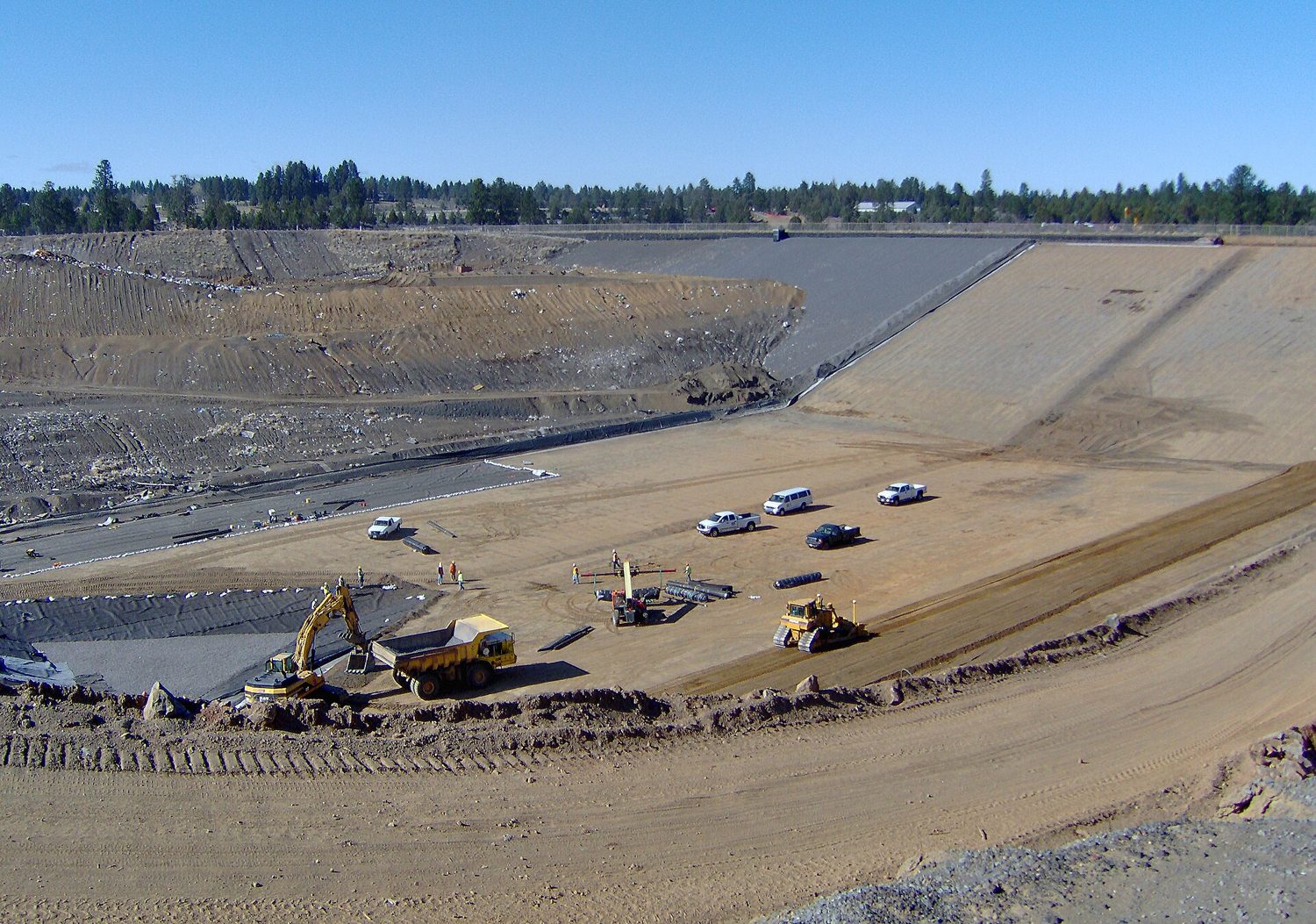
A landfill: solid waste is buried here in lined cells. It takes up land and can leak, which is why reducing waste comes first
Полигон утилизует отходы путем…
Сложность 1/5 · 100 монет + небольшой бонус за первое выполнение сегодня
Полигон захороняет отходы в выложенном котловане, предназначенном для удержания отходов и ограничения утечек.
Landfill problems
- Rotting waste releases methane 甲烷, a greenhouse gas.
- Rain trickling through waste forms toxic leachate 渗滤液.
- Leachate can seep down and pollute groundwater.
- And once full, the land is hard to use again.
Полигон или сжигание?
Отсортируйте каждую характеристику под методом утилизации, который она описывает.
Ключевой опасностью полигонов является фильтрат (лехейт), который…
Сложность 1/5 · 100 монет + небольшой бонус за первое выполнение сегодня
Фильтрат (лехейт) — это токсичная жидкость, образующаяся, когда вода протекает через отходы; она может загрязнять грунтовые воды.
Гниение отходов на полигоне выделяет ____, мощный парниковый газ.
Сложность 1/5 · 100 монет + небольшой бонус за первое выполнение сегодня
При гниении отходов без доступа кислорода выделяется метан — парниковый газ, который также можно использовать в качестве топлива.
Incineration: burning waste
- Incineration 焚烧 burns waste at high heat.
- It cuts the volume of waste by about 90%.
- The heat can even generate electricity.
- But it pollutes the air and leaves behind toxic ash.
Сжигание значительно уменьшает объем отходов, но может загрязнять воздух.
Сложность 1/5 · 100 монет + небольшой бонус за первое выполнение сегодня
Сжигание уменьшает объем отходов примерно на 90%, но выделяет дым и оставляет токсичные остатки.
Отметьте все недостатки полигонов для захоронения отходов.
Сложность 2/5 · 140 монет + небольшой бонус за первое выполнение сегодня
Полигоны выбрасывают метан, имеют риск утечки ликвората и требуют много места. Они далеко не лишены недостатков.
Neither method is clean — they just move the problem. Landfills trade land and risk groundwater pollution (leachate) plus methane. Incineration saves space and can make power, but sends pollution up the smokestack and concentrates toxins in the ash. That's why the best answer isn't a better disposal method — it's making less waste in the first place (next lesson).
A city's two options:
- Bury the waste: cheap, but the landfill swallows land, seeps leachate toward the water table, and vents methane.
- Burn it: the incinerator shrinks the pile by 90% and powers some homes, but its smoke needs heavy filtering and its ash is toxic.
- Both work, both pollute — which is why cities push hard to reduce and recycle instead.
Solid waste is mostly disposed of by landfill (burying) or incineration (burning). Landfills are cheap but take land, release methane, and risk leachate polluting groundwater. Incineration cuts waste volume ~90% and can make electricity, but pollutes the air and leaves toxic ash. Both move the problem rather than solve it.