Sexually transmitted infections · Infecções sexualmente transmissíveis
| English | Português |
|---|---|
| sexually transmitted infections/ˈsekʃuːəli trænˈsmɪtɪd ɪnˈfekʃnz/ | infecções sexualmente transmissíveis |
| HIV/ˌeɪtʃ aɪ ˈviː/ | VIH |
| AIDS/eɪdz/ | AIDS |
| condom/ˈkɒndəm/ | camisinha |
Infections passed on by sex
- Some pathogens spread through sexual contact. These cause sexually transmitted infections 性传播感染 (STIs).
- Knowing how they spread is the key to preventing them.
Infecções transmitidas sexualmente
- Alguns patógenos se espalham por contato sexual. Estes causam infecções sexualmente transmissíveis 性传播感染 (ISTs).
- Saber como elas se espalham é a chave para preveni-las.
STI prevention chain · Cadeia de prevenção de ISTs
See where prevention breaks transmission. · Veja onde a prevenção interrompe a transmissão.
An STI is an infection spread mainly by: · Uma IST é uma infecção transmitida principalmente por:
STIs spread through sexual contact and body fluids. · ISTs se espalham por contato sexual e fluidos corporais.
HIV attacks the body's: · O HIV ataca o sistema ______ do corpo.
HIV weakens the immune system, which can lead to AIDS. · O HIV enfraquece o sistema imune, o que pode levar à AIDS.
The condition that can develop from untreated HIV infection is ______. · A condição que pode se desenvolver a partir de uma infecção por HIV não tratada é ______.
HIV can lead to AIDS by destroying immune cells. · O HIV pode levar à AIDS destruindo células imunológicas.
An example: HIV 艾滋病毒
- HIV is a virus that can lead to AIDS 艾滋病, by attacking the immune system's white blood cells.
- A weakened immune system can no longer fight off other infections.
HIV is a virus passed on through unprotected sex and infected blood
Um exemplo: HIV 艾滋病毒
- O HIV é um vírus que pode levar à AIDS 艾滋病, atacando os glóbulos brancos do sistema imunológico.
- Um sistema imunológico enfraquecido já não consegue combater outras infecções.
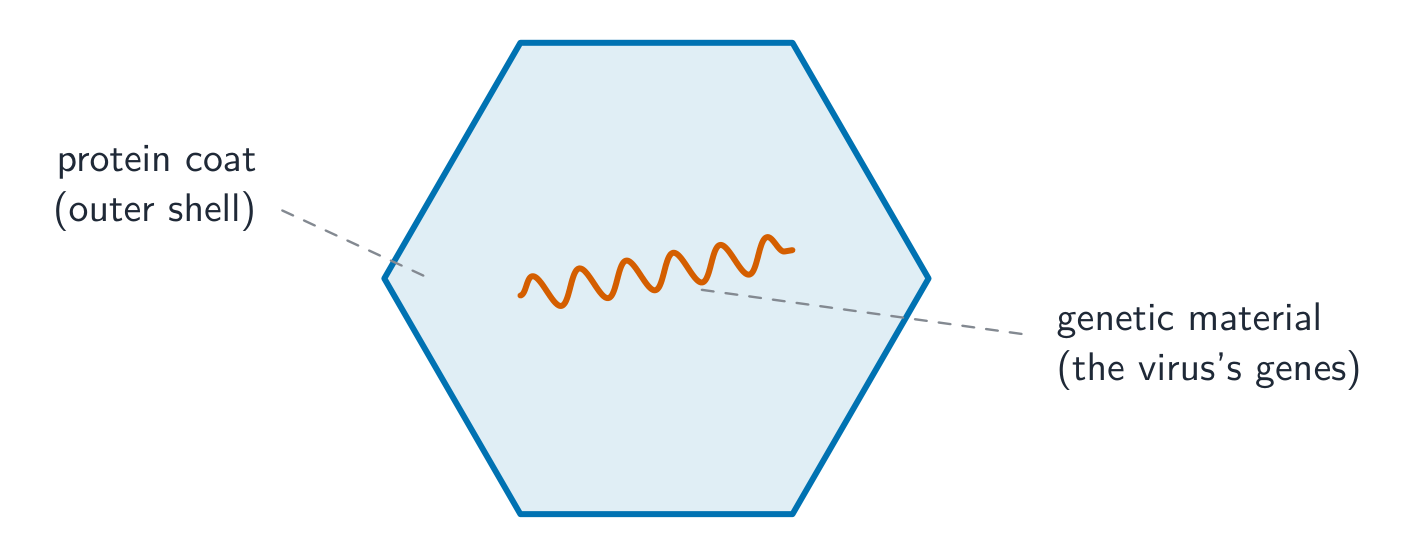
HIV é um vírus transmitido por sexo sem proteção e sangue infectado
HIV can be caught from hugging or sharing a cup. · O HIV pode ser contraído abraçando ou compartilhando um copo.
HIV spreads through specific body fluids, not everyday contact. · O HIV se espalha por fluidos corporais específicos, não por contato diário.
How STIs spread
- Through unprotected sexual contact and exchange of body fluids.
- HIV can also spread via infected blood (e.g. shared needles) and from mother to baby.
Como as ISTs se espalham
- Por contato sexual sem proteção e troca de fluidos corporais.
- O HIV também pode se espalhar por sangue infectado (ex.: agulhas compartilhadas) e de mãe para filho.
Which greatly reduces the spread of STIs? · O que reduz drasticamente a propagação de ISTs?
Condoms reduce transmission of STIs. · Preservativos reduzem a transmissão de ISTs.
Prevention
- Using a condom 避孕套 greatly reduces the spread of STIs.
- Other measures: not sharing needles, testing, and treatment to reduce transmission.
HIV is not spread by everyday contact. You cannot catch HIV from hugging, sharing cups or toilet seats. It spreads through specific body fluids — understanding this prevents both infection and stigma.
Prevenção
- Usar uma camisinha 避孕套 reduz grandemente a propagação das ISTs.
- Outras medidas: não compartilhar agulhas, testes e tratamento para reduzir a transmissão.
O HIV não se transmite por contato cotidiano. Você não pega HIV por abraços, copos ou assentos de banheiro compartilhados. Ele se transmite por fluidos corporais específicos — entender isso previne tanto a infecção quanto o estigma.
You've got it
- STIs spread through sexual contact; HIV is a virus that can cause AIDS
- HIV spreads via body fluids, infected blood, and mother to baby — not everyday contact
- condoms and not sharing needles greatly reduce spread
Entendeu?
- ISTs se espalham por contato sexual; HIV é um vírus que pode causar AIDS
- HIV se transmite por fluidos corporais, sangue infectado e de mãe para filho — não por contato cotidiano
- camisinhas e não compartilhar agulhas reduzem grandemente a propagação