The CPU and the fetch-execute cycle
Introduced| English | Meaning |
|---|---|
| CPU/ˌsiː piː ˈjuː/ | ALU (maths/logic) + CU (control signals) + registers, linked by address/data/control buses. |
| instructions/ɪnˈstrʌkʃnz/ | Commands specifying operations for a processor or program to perform. |
| ALU/ˌeɪ el ˈjuː/ | The part of a processor that performs arithmetic and logical operations. |
| control unit/kənˈtrəʊl ˈjuːnɪt/ | The part of a processor that coordinates instruction execution and directs other components using control signals. |
| registers/ˈredʒɪstəz/ | A small, fast storage location within a processor used to hold data, addresses or instructions temporarily. |
| buses/ˈbʌsɪz/ | Communication pathways that transfer data, addresses or control signals between computer components. |
| cache/kæʃ/ | Fast storage holding copies of frequently needed data or instructions to reduce access time. |
| embedded system/emˈbedɪd ˈsɪstəm/ | A small computer built into a device for one fixed job (washing machine, microwave). |
| clock speed/klɒk spiːd/ | The frequency of a processor's timing signal, measured in hertz; it does not alone determine overall performance. |
The central processing unit
- The CPU 中央处理器 processes data and carries out instructions 指令, repeating a cycle millions of times a second.
- Inside are the ALU 算术逻辑单元, control unit 控制单元 and registers 寄存器, linked by buses 总线.
- It runs every program through the fetch–execute cycle.
Parts of the CPU
- ALU — does calculations and logical comparisons.
- Control unit (CU) — sends control signals to manage all the parts.
- Registers — tiny, very fast stores holding one value each.
- Three buses link them to memory: address (one way), data (both ways), control.

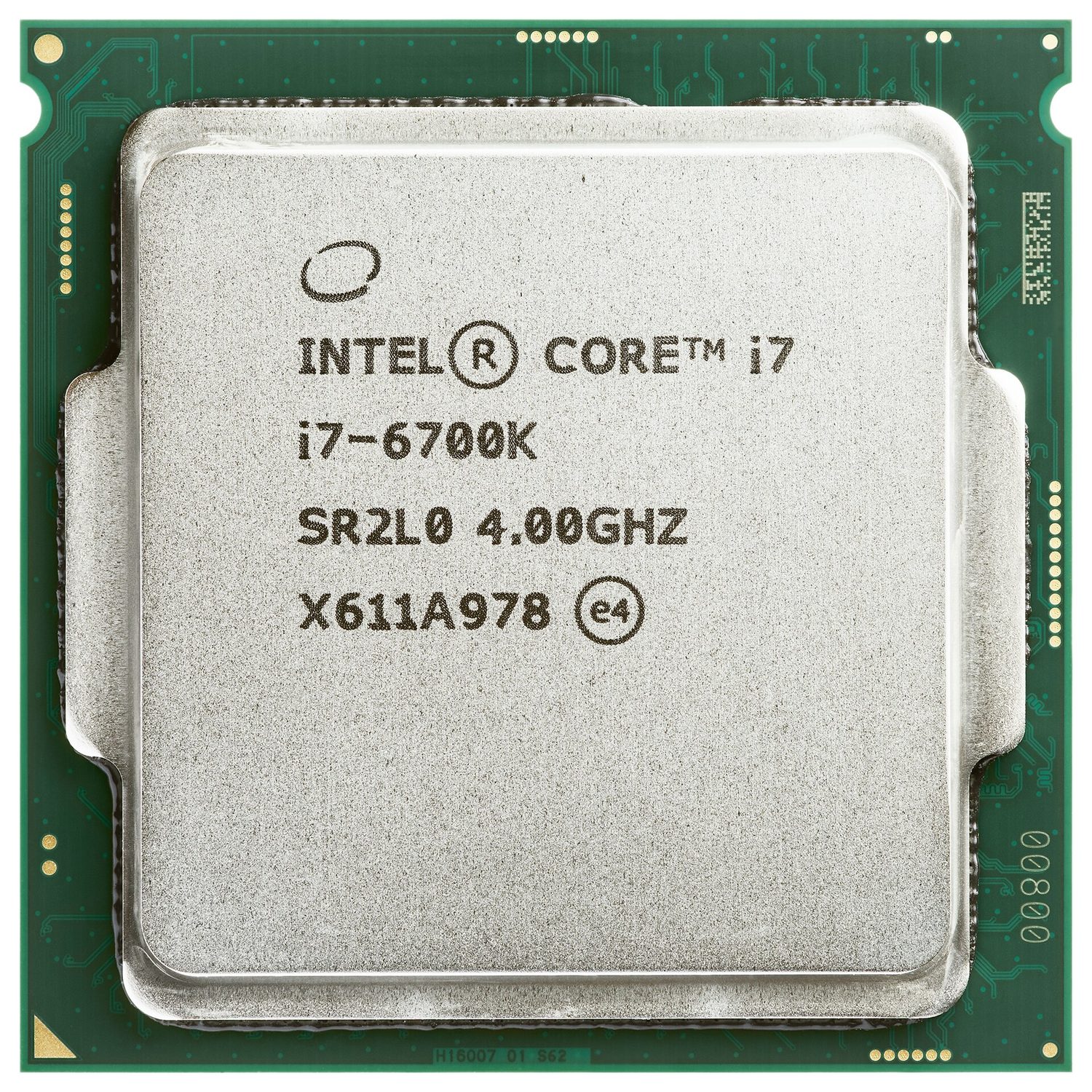
A modern CPU is a single chip holding the control unit, ALU and registers
The ALU in a CPU:
Difficulty 1/5 · 100 coins + a small bonus on first completion today
The arithmetic logic unit does the maths and logic; the control unit manages the parts.
Registers and the fetch–execute cycle
- Special registers: PC (address of the next instruction), MAR (address to access), MDR (data/instruction fetched), CIR (instruction being run), ACC (the ALU's result).
- The cycle repeats three stages: Fetch (copy the instruction into the CPU, then PC + 1) → Decode (the CU works out what it means) → Execute (carry it out).

The fetch–decode–execute cycle that the CPU repeats for every instruction
The fetch-execute cycle
Tap round the loop the CPU repeats billions of times a second — fetch the instruction, decode what it means, execute it, then do it all again.
Match each CPU part to what it does.
Difficulty 2/5 · 140 coins + a small bonus on first completion today
The ALU computes, the control unit directs, the PC tracks the next instruction, and cache keeps hot data close.
Put the stages of the cycle in order.
Difficulty 3/5 · 200 coins + a small bonus on first completion today
Fetch the instruction, decode what it means, then execute it — repeated continuously.
Cache 高速缓存, performance, embedded systems 嵌入式系统
- Cache is a small amount of very fast memory near the CPU, holding often-used data — so the CPU waits less.
- Performance depends on the number of cores, the cache size, and the clock speed 时钟速度 (cycles per second).
- An embedded system is a small computer built into a device for one fixed job (washing machine, microwave).
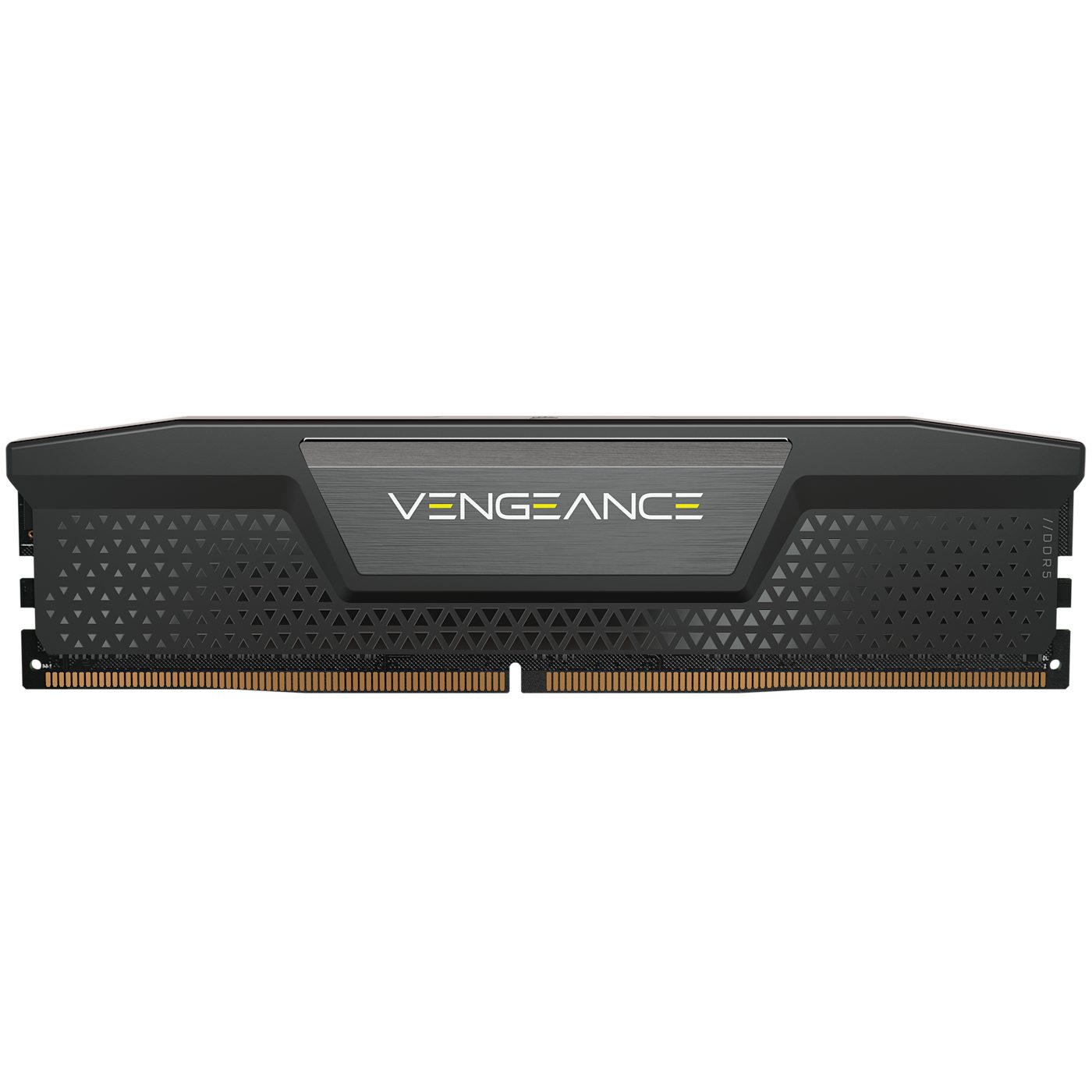
Cache and main memory (RAM) sit close to the CPU to feed it data quickly
Which change would improve CPU performance?
Difficulty 1/5 · 100 coins + a small bonus on first completion today
More cores, a larger cache and a higher clock speed all improve performance.
Cache is small, very fast memory near the CPU that holds often-used data, so the CPU waits less than it would reading from main memory.
Difficulty 1/5 · 100 coins + a small bonus on first completion today
A bigger cache, more cores and a higher clock speed all raise performance — cache helps by cutting the wait for data.
You've got it
- CPU = ALU (maths/logic) + CU (control signals) + registers, linked by address/data/control buses
- key registers: PC (next instruction), MAR/MDR (memory), CIR (current), ACC (result)
- the cycle: fetch → decode → execute
- performance: cores, cache size, clock speed; cache = fast memory near the CPU