対象範囲と前提条件
ACTフレームワーク、2月2026改訂版。元の教室事例は公式形式ではない。各出典形式の採点・フィールドテストの境界を保持すること。
- 関連性と修辞的意図を判断する
- 文や段落を構成する
- トーンに一致する正確で簡潔な言葉を選ぶ
前提知識:段落の目的、適切な証拠、主張と反論。
説明し、方法を選択する
英語の問題は本文全体を評価します。局所的な変更を判断する前に、前後の文を読んでください。
追加・削除問題では、段落の目的を挙げ、提案された詳細がそれを前進させるかテストしてください。
配置については、参照表現と時間順序に従ってください。「この方法」という言葉を使う文には、先にその方法が紹介されている必要があります。
簡潔な表現は重複を削りつつ必要な意味を維持します。本文の文体と視点を守ってください。
関連性とは、ある詳細が段落の実際の目的に役立つかどうかを問うものです。 待機管理に関する段落において、到着ログは待ち時間の主張を裏付けることができます。 ロゴに関する真実な事実でも、それが目的を妨げることがあります。 反論も、著者が実用的な制限として応答する場合、有用なまま残ることができます。
既存の worked example:ある段落は技術者がひび割れを検査する方法を説明しています。「チームはカメラを使ってひび割れを記録した」は方法を支えます。「チームは近くのカフェを楽しんだ」は検査の詳細を追加せず、削除すべきです。これは文法ではなく、関連性の判断です。
元の文脈を完成させる
オリジナルの連続編集問題 — 修理のための場所
[P1] 毎月最初の土曜日、ボランティアのグループが公共図書館で修理テーブルを開きます。[S1] このプロジェクトは、司書ノールが近所の建物の外に並ぶ壊れたデスクランプに気づいたときに始まりました。[S2] 一部は専門的な作業が必要でしたが、他のものはスイッチが緩み、ケーブルが破損していました。[S3] ノールは訓練を受けていない来場者が危険な電気修理を試みることを望みませんでした。[S4] 彼女は資格を持つ修理人を招き、グループが検査できる品物と、プロに依頼すべき品物を説明させました。最初のセッションでは電池式物体のみを受け付け、破損した電池のもの除外しました。来場者は品物を登録し、作業開始前に欠陥を説明しました。
[P2] 入り口で、二人のボランティアが各来場者の名前と品物を記録します。この記録は、グループが品物を所有者に戻すのを助けます。青いカードは検査待ちの品物の横に置かれ、白いカードは収集準備ができている品物に添えられます。カードは安全を証明したり、修理を保証したりするものではありません。単に品物が処理過程のどこにあるかを示しているだけです。[S5] 図書館のロゴは何年も前にデザインされました。カードの隣には、品物が検査中であることを待ってほしいという看板があります。待っていることは、所有者が即座に現れないかもしれない断続的な欠陥を説明できることを意味します。また、簡単なメンテナンス習慣を学ぶ機会にもなります。
[P3] _cast soon became a problem. The repair table shared an alcove with readers who wanted a quiet place to work. During the first two sessions, a visitor log recorded six complaints about conversation near the alcove. Noor proposed moving the table into a meeting room. The room could hold fewer people, so a move alone would not solve the problem. The group introduced short arrival windows and kept two spaces for visitors without bookings. [S6] This totally amazing system fixed every problem forever. In fact, one visitor still waited outside, and the group had to improve the signs leading to the room. The log recorded one noise complaint during the next two sessions; attendance also fell, so the group did not attribute the whole reduction to the move.
[P4] Volunteers were careful about how they described success. An object leaving the table might work again, need another part, or require professional attention. They recorded these outcomes separately. During the trial, forty objects were inspected. Eighteen worked after a permitted minor adjustment, twelve needed a part, and ten were referred elsewhere. Counting all forty as repaired would hide important differences. [S7] The volunteers recorded the outcomes and wrote the results down in their record. Noor used the figures to decide which spare parts might be useful at later sessions. She did not use them to promise that any particular object could be repaired.
[P5] The project now has a practical aim: help visitors make an informed next decision about a broken object. For some, that means a working lamp. For others, it means knowing when further work would be unsafe or too costly. The group plans to keep the arrival windows for another trial and ask readers whether noise remains a problem. It will also compare attendance and waiting times before adding more spaces. A repair table succeeds through careful limits as well as useful repairs.
Independent practice and checked reasoning
This overview is completed through the detailed skill sequence: 19, 20, 21. Work those references and sheets in order; this orientation does not replace them.
Transfer 1
Should S5 remain in P2? Explain the decision by the paragraph's purpose, and propose a relevant replacement detail.
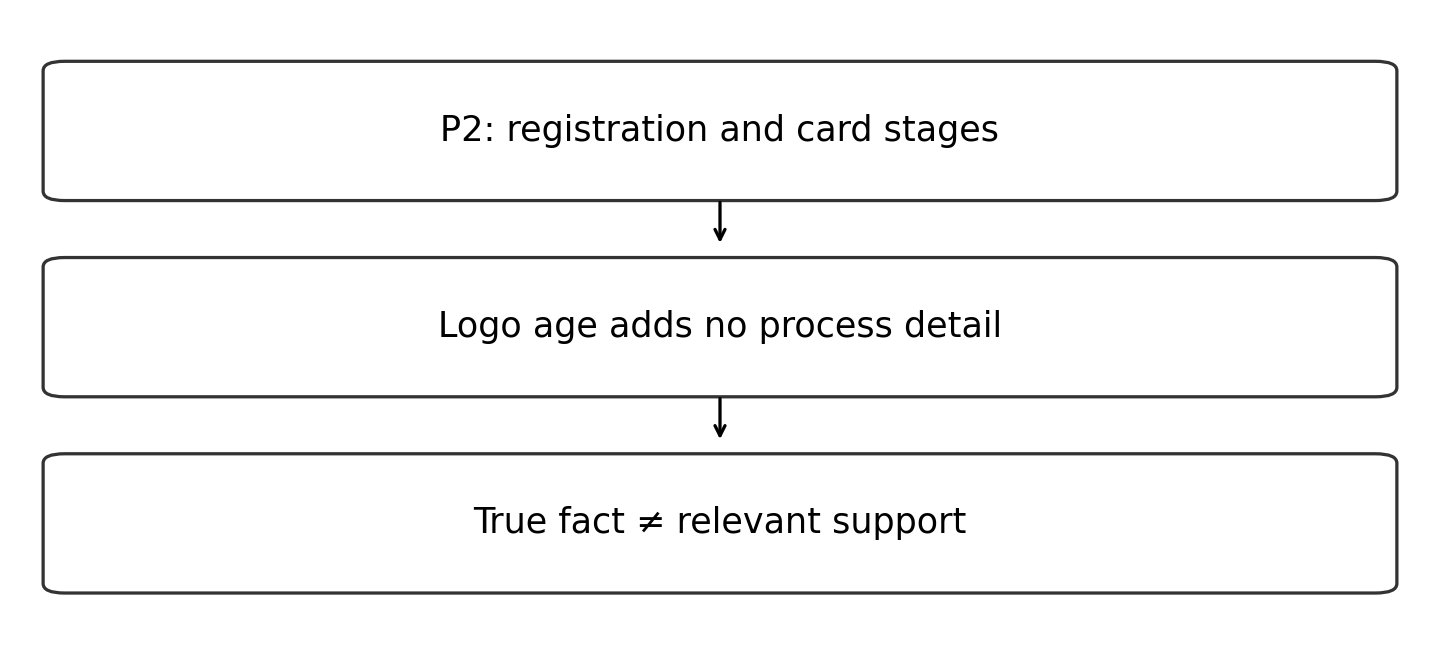
Reasoning: Remove it; P2 explains registration and card use, while the logo's age contributes neither. A useful replacement could explain how a volunteer updates a card when an inspection finishes. Label that proposed detail as a suggestion requiring confirmation, not a fact already supplied.
Transfer 2
Which existing evidence supports the claim that noise was a problem? Why retain the sentence saying the meeting room holds fewer people?
Reasoning: Six recorded complaints in the first two sessions support a local noise concern. The smaller capacity is a relevant objection to moving, motivating arrival windows and walk-in spaces. It does not show the move is worthless.
Transfer 3
Write a qualified conclusion about the change in noise complaints, including the attendance limit. Explain why “the move eliminated noise” fails.
Reasoning: “Recorded complaints fell from six to one in the next two sessions, but attendance also fell, so the move's separate effect is uncertain.” One complaint remains, contradicting eliminated, and other conditions changed.
Limits and next use
最も短い答えが常に正解とは限りません:必要な対比、原因、または識別情報を失うことがあります。
All tasks here are public original practice with authored guidance. They are not official questions or fresh diagnostics. Existing protected tests and mocks remain separate.